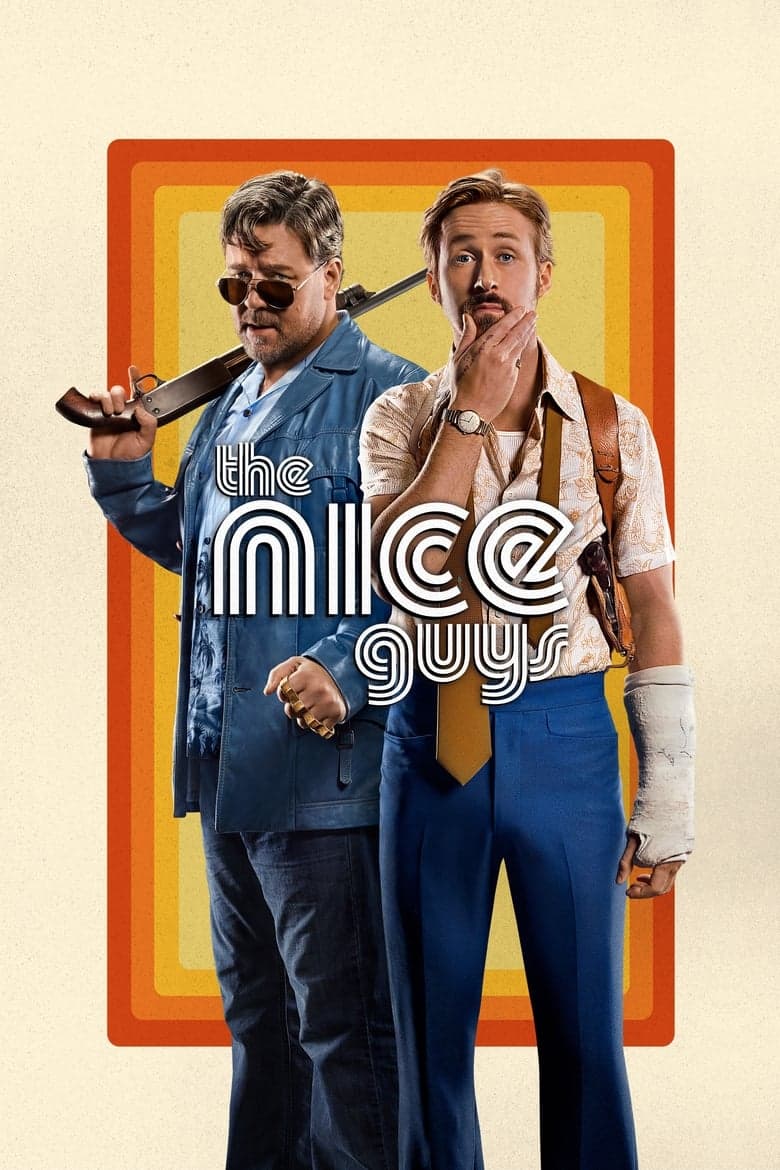
In 1977 Los Angeles, alcoholic private eye Holland March and hired enforcer Jackson Healy team up to find a missing teenager named Amelia Kuttner after a fading porn star dies in a crash. Their trail runs through the porn industry, an activist circle, and a conspiracy that ties a Justice Department official to Detroit auto executives. Those executives are trying to bury emissions-control technology. The case plays as a violent buddy neo-noir comedy. March’s sharp thirteen-year-old daughter Holly keeps tagging along and often outthinks the adults.
The film has little woke content on screen. The core story is buddy bungling, the porn underworld, murder, and a dirty emissions cover-up. Amelia’s anti-pollution film works mainly as a plot device, and Holly’s competence serves parent-child comedy rather than an identity arc. Villains include unaccountable official power and auto-industry players, and the ending stresses that Detroit still gets away while smaller players burn. That reads as period noir cynicism about pollution politics and corruption, not modern identity activism or culture-war messaging.
Community feedback
Was our 17% Woke rating accurate?
Breakdown
These are the editorial factors and ratings behind our score for The Nice Guys.
Woke representation / casting
The leads are white men in a classic buddy setup. Supporting cast members fit 1970s Los Angeles roles rather than diversity-first hero packaging. Holly and Amelia read as comedy and plot roles, not identity-statement casting. The on-screen mix does not play as diversity-first design.
8%
Woke political dialogue
Characters talk about pollution, catalytic converters, and dirty deals between government and Detroit. That is period crime talk and corporate cynicism, not race or gender activism. There are no modern identity slogans or culture-war lectures. The strongest verbal politics stay environmental and corporate, and they stay mild for this scale.
12%
Identity-driven story themes
The core story is buddy bungling, the porn underworld, murder, and an emissions cover-up. Amelia’s anti-pollution film is a plot device, and Holly is a parent-child comedy moral center. There is no LGBTQ plotline and no thesis about whiteness or patriarchy. Representation is not the story structure.
10%
Western institutional / cultural critique
Villains include a Justice Department official and auto-industry power. The ending stresses that Detroit still gets away while small players burn. That is noir cynicism about unaccountable power and 1970s smog-era corruption. It is not a modern activist attack on masculinity, faith, family, or the West itself.
18%
Woke character or canon changes
Not relevant. Original screenplay with no race or gender swaps of legacy IP or historical figures for DEI reasons.
0%
Anti-woke backlash and complaints
Not present. No meaningful anti-woke campaign treats this film as an agenda product. Reception is cult-comedy praise for chemistry and tone. Coverage centers on box-office flop talk and sequel interest, not culture-war backlash.
0%
Creator track record context
Shane Black and Anthony Bagarozzi sit near baseline with no strong activist or DEI pattern. Producers in the same lane also stay near baseline. The casting director is a higher diversity-minded credit but does not drive the film’s voice. Weighted across key roles, overall context stays low.
14%
Production
Movie · 2023
When Ashley and her young daughter Sarah get caught up in a criminal enterprise that puts their lives at risk, she turns to the only person who can help: her estranged father…
Movie · 2025
Kat is an improv comedy teacher beginning to question if she’s missed her shot at success. When an undercover cop offers her the role of a lifetime, she recruits two of her…
Movie · 2022
The Accident Man is back, and this time he must best the top assassins in the world to protect the ungrateful son of a mafia boss, save the life of his only friend and rekindle…
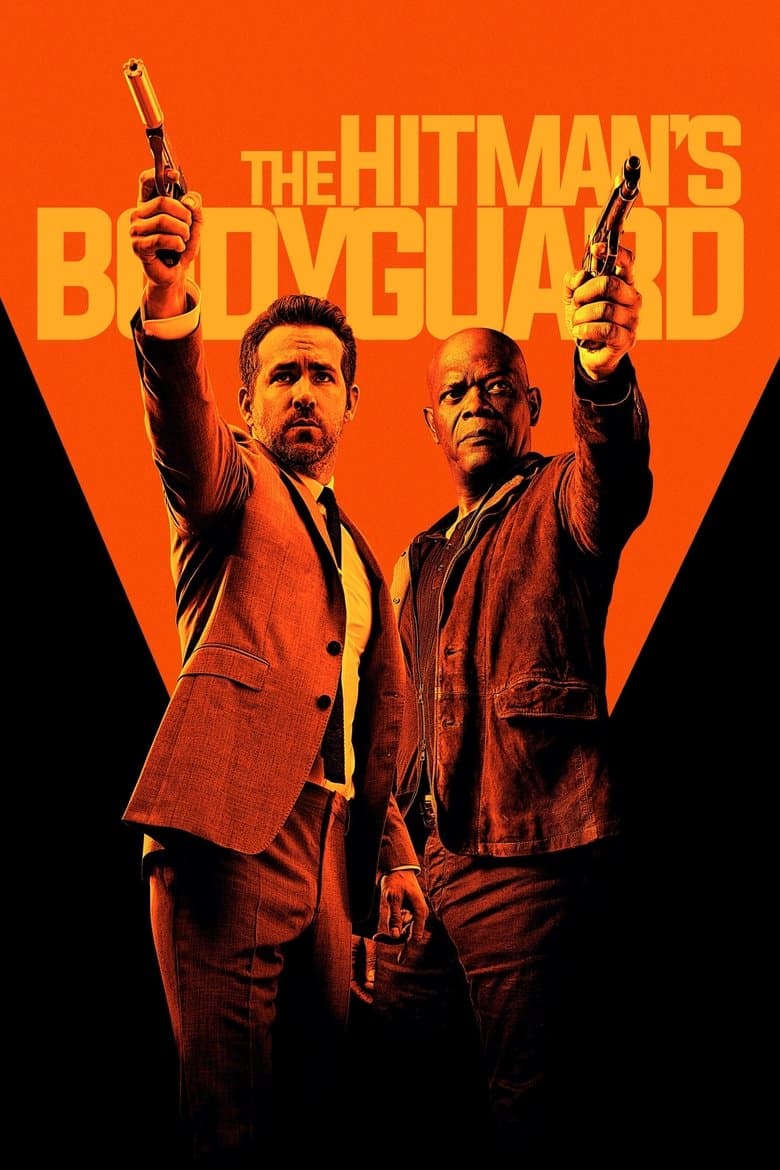
Movie · 2017
The world’s top bodyguard gets a new client, a hitman who must testify at the International Court of Justice.
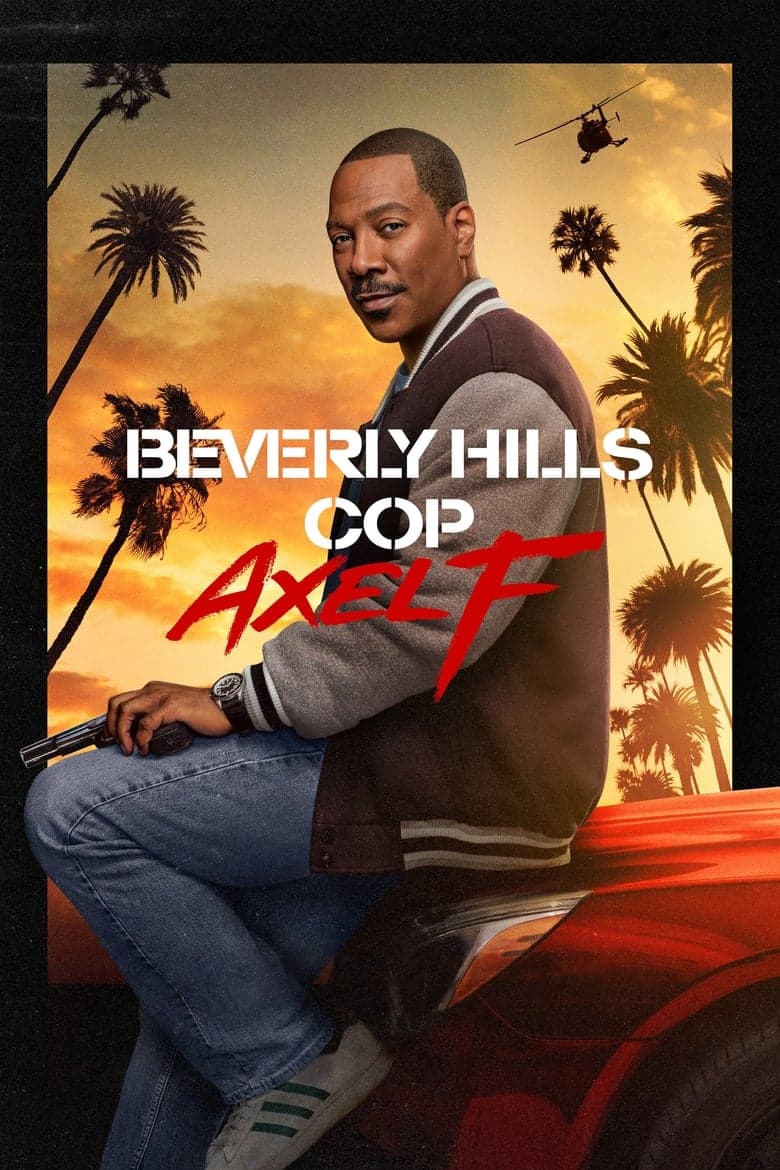
Movie · 2024
Forty years after his unforgettable first case in Beverly Hills, Detroit cop Axel Foley returns to do what he does best: solve crimes and cause chaos.
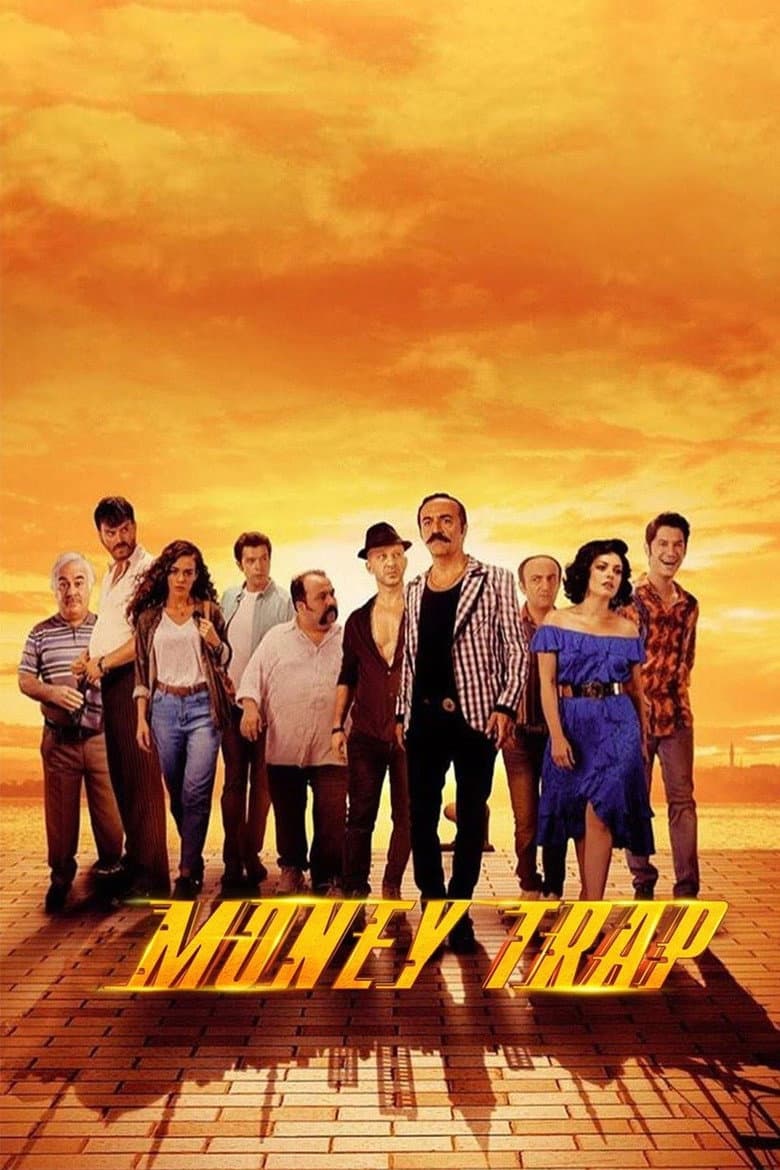
Movie · 2019
Asim Noyan swindles people with his lies and games. Asim Noyan and his gang, who no one else has been able to catch, get into a ruse again.
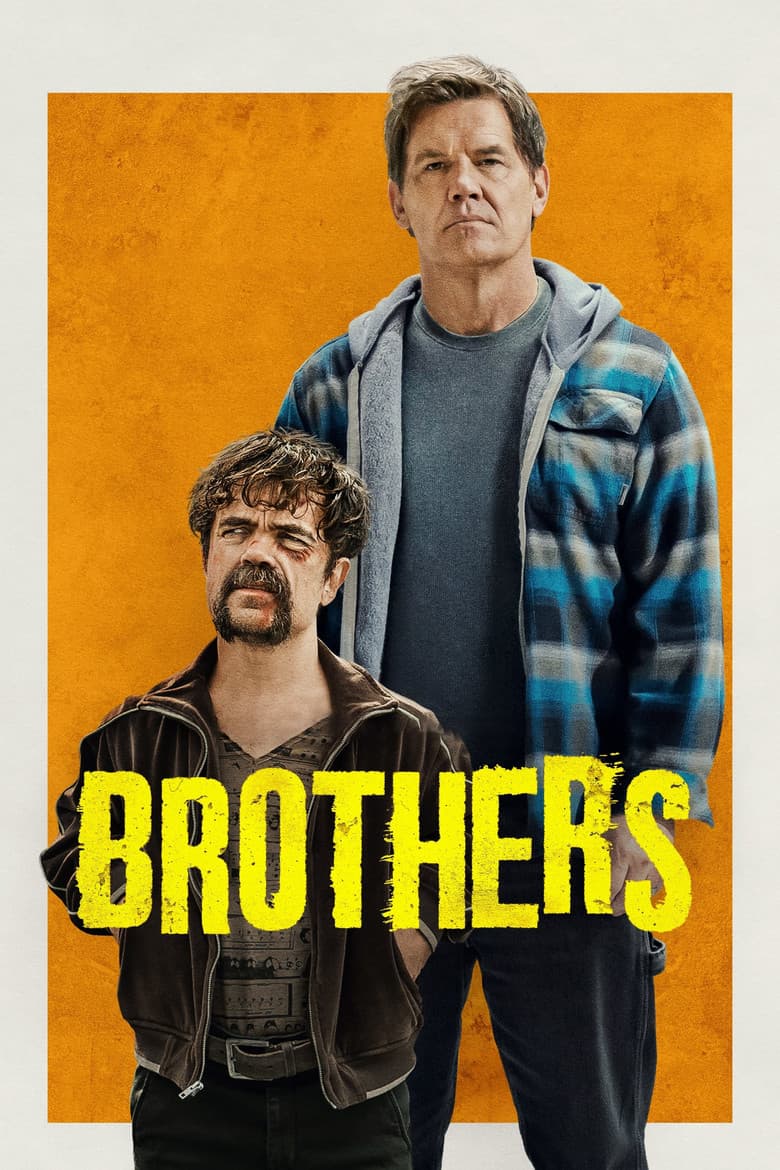
Movie · 2024
A reformed criminal's attempt at going straight is derailed when he reunites with his sanity-testing twin brother on a road trip for the score of a lifetime.
Movie · 2020
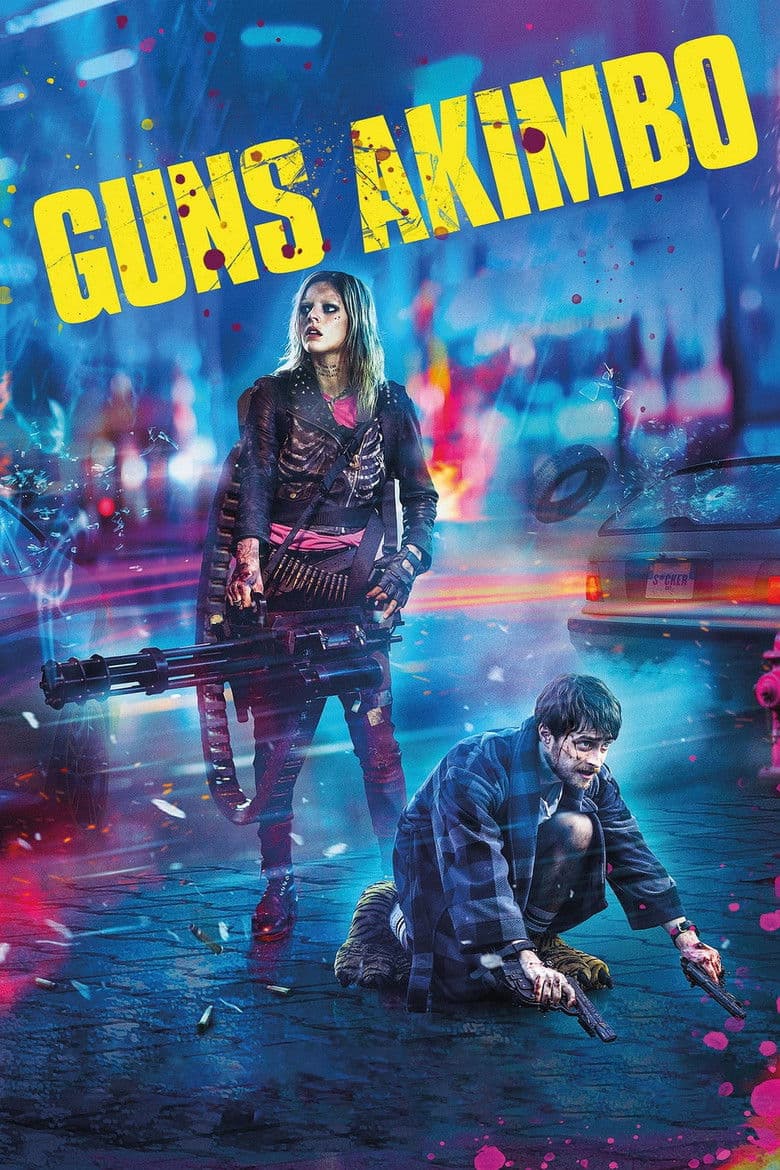
An ordinary guy suddenly finds himself forced to fight a gladiator-like battle for a dark website that streams the violence for viewers.
