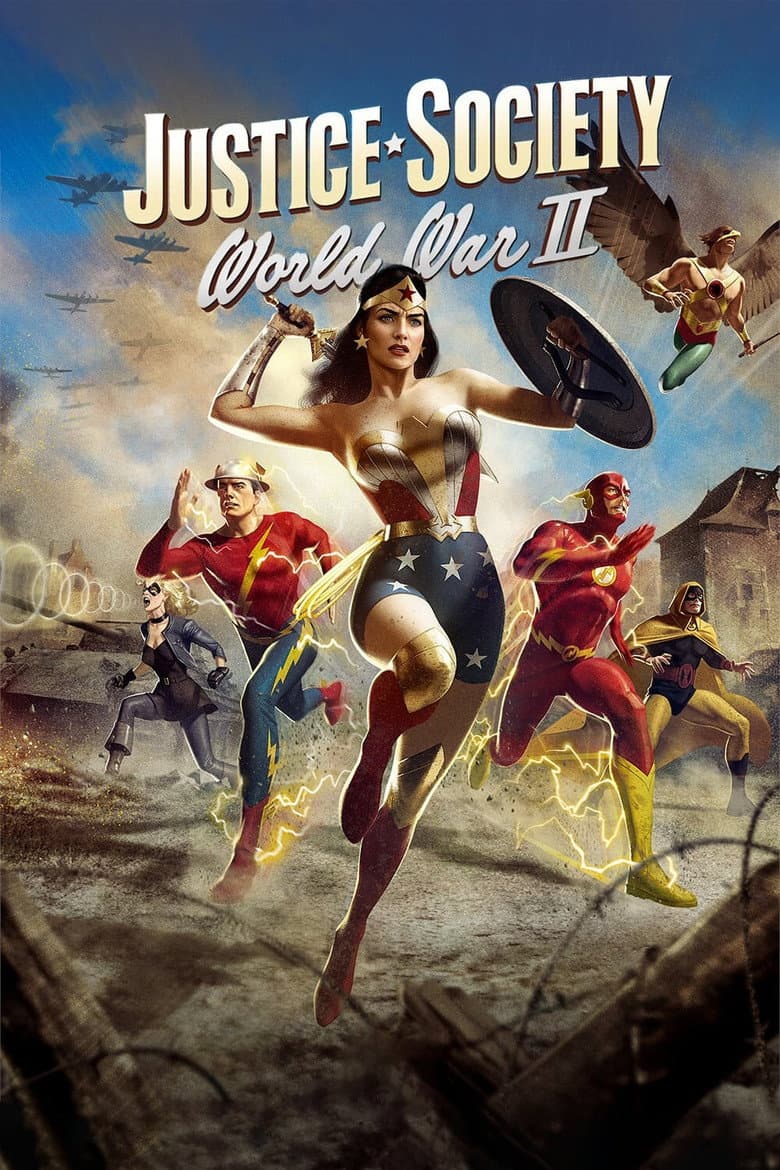
Barry Allen is still learning to control the Speed Force when a fight with Brainiac throws him into a parallel Earth during World War II. He meets Wonder Woman, Steve Trevor, Black Canary, Hawkman, Hourman, and Jay Garrick, who form a secret team for the Allies. The heroes battle Nazi forces, rescue Doctor Fate, and uncover a plan that links the war to Atlantis and a hidden enemy. The movie mixes fast superhero fights, old-style war adventure, danger, romance, and a sad ending.
Wonder Woman leads the team and often stands at the center of the action. Black Canary also gets repeated fight scenes and a serious love story with Hawkman. Diana delays marriage because she puts the war mission first, while Barry learns to value Iris and the time he has with her. The film presents female leadership, courage, teamwork, freedom, and living in the present as parts of a superhero war adventure.
Community feedback
Was our 45% Woke rating accurate?
Breakdown
These are the editorial factors and ratings behind our score for Justice Society: World War II.
Woke representation / casting
Wonder Woman is the team’s leader and strongest front-line hero. Black Canary is another important female fighter with repeated action scenes. The male heroes remain skilled, brave, and central, so the group does not look built around a broad one-of-each diversity design. Promotion also calls attention to Wonder Woman’s power and her ability to inspire girls.
25%
Woke political dialogue
Not present. The dialogue discusses war, hero work, sacrifice, time travel, and love. It has no modern identity, DEI, or activist lines.
0%
Identity-driven story themes
Wonder Woman leads the team, gives orders, and wins several major fights. Black Canary also fights beside the men and carries a serious romance and loss story. Diana delays marriage because she puts the war mission first, while the story respects her duty and shows the cost of putting life aside. Female strength and leadership recur throughout the film, but women versus men is not the main conflict.
45%
Western institutional / cultural critique
Not present. The movie shows Nazis, war, and a secret villain trying to rule others. Those are the period conflict and the main adventure, not a modern attack on Western culture, family, religion, or capitalism.
0%
Woke character or canon changes
The film makes Wonder Woman the leader and main field commander of the Justice Society. Early Justice Society stories placed her in a secretary role and kept her out of much of the action. The movie moves her into the central hero and decision-maker position, which is a clear change to the team’s established gender roles. The parallel Earth and time travel changes are story changes, not identity changes.
48%
Anti-woke backlash and complaints
Not present. The separate X research found no anti-woke reaction or specific complaints. Wider reviews and fan discussion focused on action, pacing, animation, romance, and continuity rather than woke or DEI messaging.
0%
Creator track record context
Meghan Fitzmartin is the strongest modern creator signal in the supplied context, with a record of queer and inclusion-focused work. The other current director, writer, producer, and casting scores are low. Fitzmartin’s film interviews stress Wonder Woman’s leadership, teamwork, romance, and community rather than queer or DEI themes in this movie. The creator history is a mild supporting signal rather than a strong title signal.
30%
Production
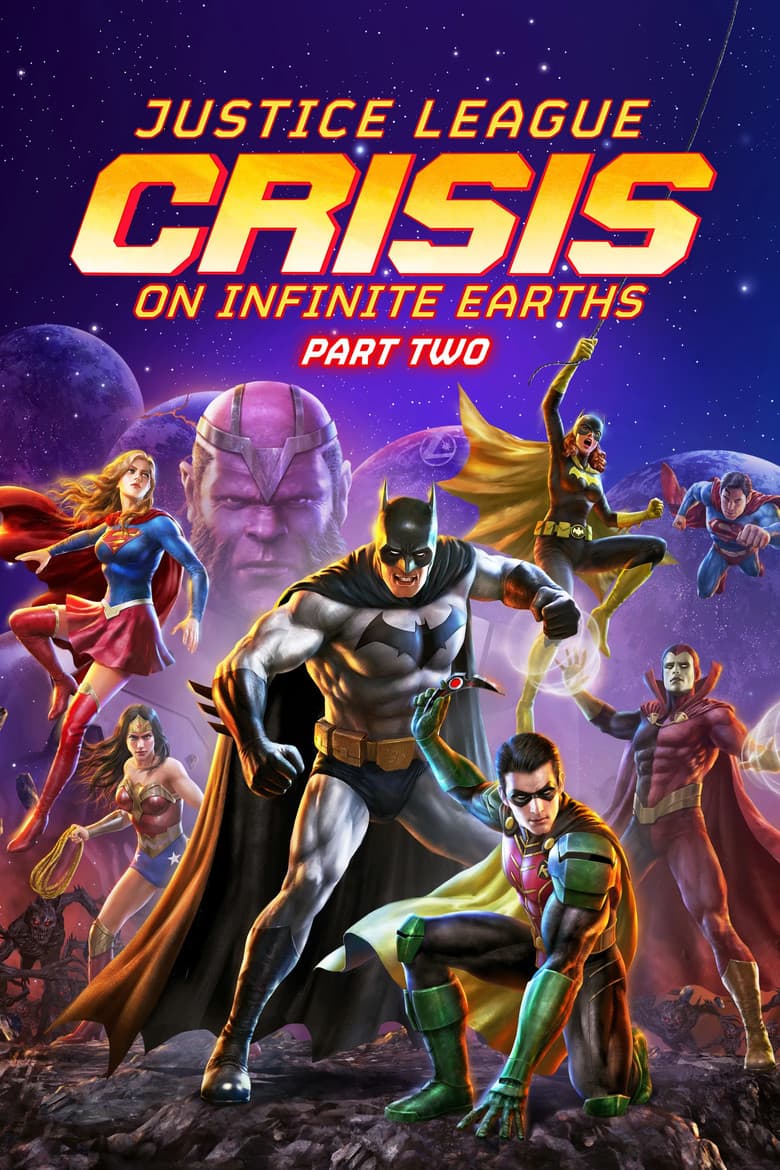
Movie · 2024
An endless army of shadow demons bent on the destruction of all reality swarms over our world and all parallel Earths!
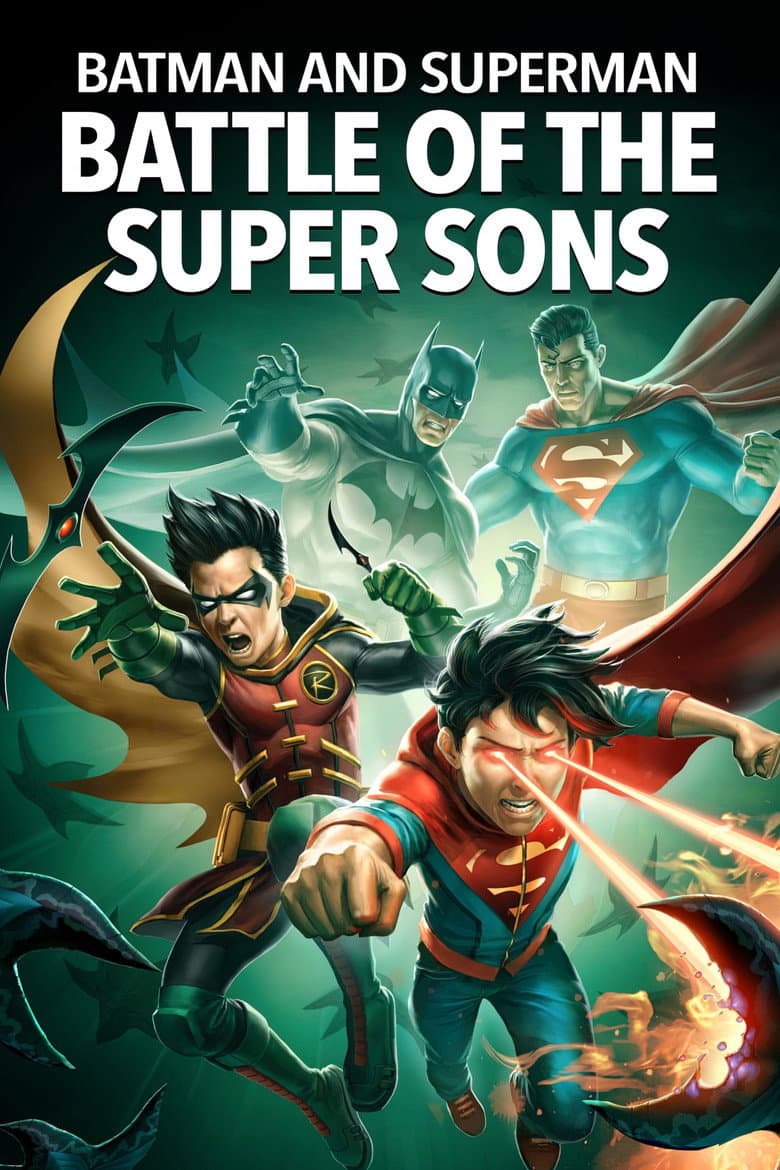
Movie · 2022
After discovering he has powers, 11-year-old Jonathan Kent and assassin-turned-Boy-Wonder Damian Wayne must join forces to rescue their fathers (Superman & Batman) and save the…
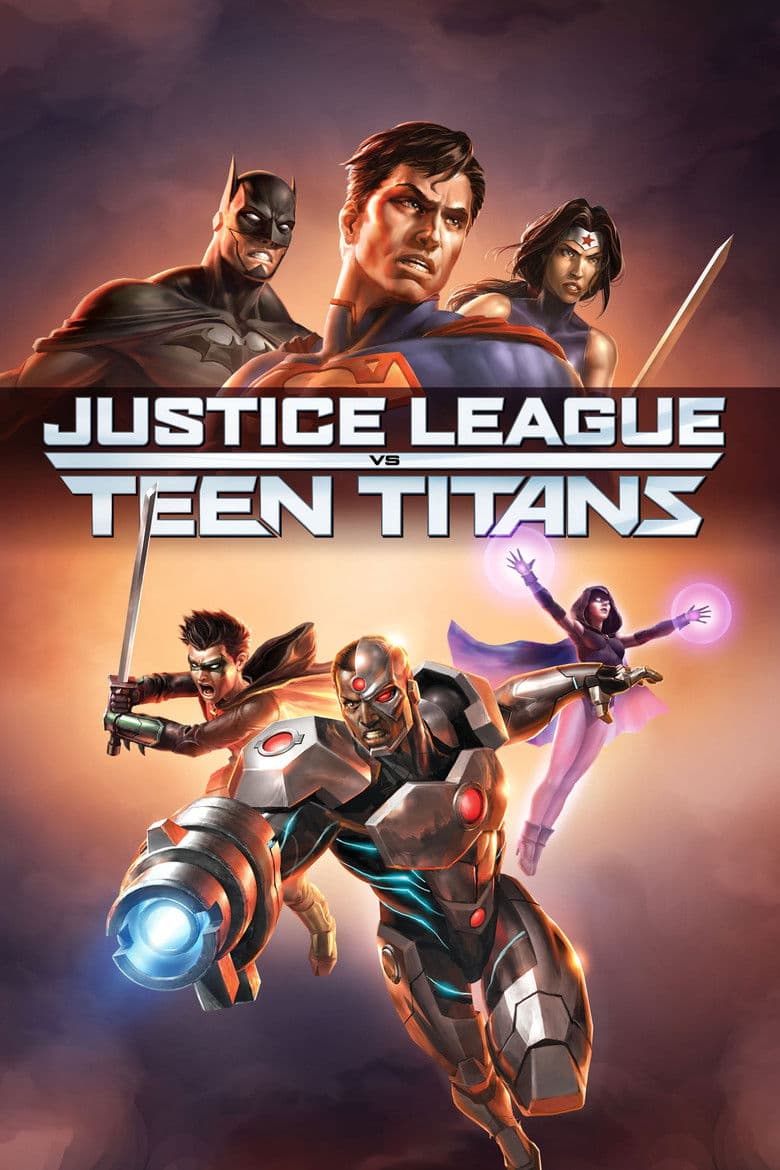
Movie · 2016
Robin is sent by Batman to work with the Teen Titans after his volatile behavior botches up a Justice League mission.
Movie · 2016
The magical kingdom of Lucis is home to the world’s last remaining Crystal, and the menacing empire of Niflheim is determined to steal it.
Movie · 2017
A young man arrives at the last hometown of painter Vincent van Gogh to deliver the troubled artist's final letter and ends up investigating his final days there.
Movie · 2022
In 1998, Beavis and Butt-Head are sentenced to Space Camp by a “creative” judge. Their obsession with a docking simulator (huh huh) leads to a trip on the Space Shuttle, with…
Movie · 2024
In 1985, the murder of a government-sponsored superhero draws his outlawed colleagues out of retirement and into a mystery that threatens to upend their personal lives and the…
Movie · 2026
Science teacher Ryland Grace wakes up on a spaceship light years from home with no recollection of who he is or how he got there.
