Movie review
January 24, 2017 · 76 min · R · Horror · Sci-Fi · Fantasy · Animation · Action · Adventure
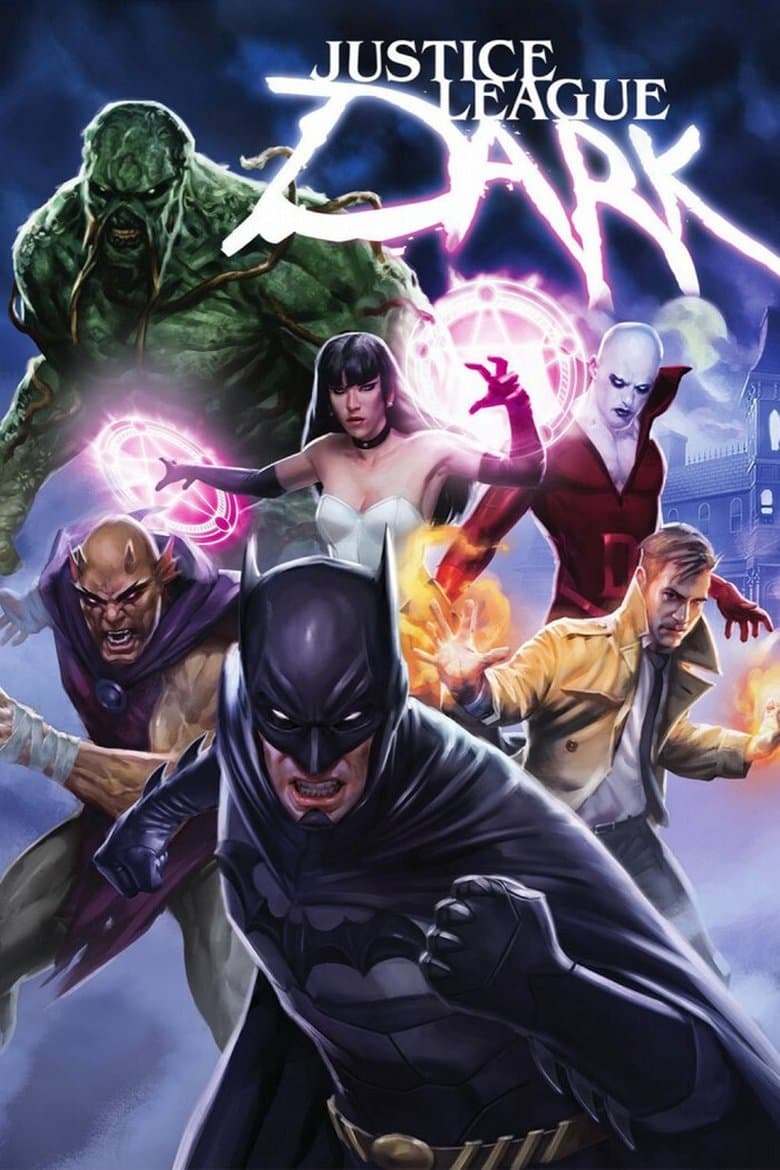
John Constantine is a gloomy English magician who lives in the House of Mystery. Batman brings him together with Zatanna, Deadman, Jason Blood, Etrigan, and Swamp Thing after ordinary people see demons and attack their families or strangers. The team follows the source of the visions through minds, magic, and the spirit world. The film has a dark horror tone with bloody fights, crude jokes, and a few sad deaths.
The clearest identity-related moment comes when Felix Faust uses a spell that stops women from speaking in his home. Zatanna is silenced, but she finds the spell’s source, breaks free, and defeats Faust, so the scene presents his rule as evil. Zatanna is also shown as a powerful magician who helps solve the case and receives an offer to join the main Justice League. These moments are brief parts of a supernatural action story, while the main story follows Constantine’s guilt, trust, and choice to save others.
Community feedback
Was our 23% Woke rating accurate?
Breakdown
These are the editorial factors and ratings behind our score for Justice League Dark.
Woke representation / casting
Not present. The film uses established DC characters, including Zatanna and Wonder Woman, in a supernatural team. The cast does not show a clear identity-first pattern or a story-world mismatch.
0%
Woke political dialogue
Felix Faust says that no woman can speak inside his home. His spell silences Zatanna during their fight. Zatanna breaks the spell and fights back, so the film treats his rule as evil. This is one short gender-role exchange in a movie built around magic and horror.
24%
Identity-driven story themes
Zatanna is one of the film’s main magic heroes. She refuses to stay behind, breaks a spell designed to silence women, and helps win the final fight. The story ends with her accepting a place in the Justice League. These are noticeable gender-focused elements, but the main plot remains a supernatural battle led by Constantine.
28%
Western institutional / cultural critique
Not present. No modern attack on Western institutions, religion, capitalism, family life, or traditional society drives the story. Swamp Thing briefly says that humans harm nature, but the film keeps that idea inside its fantasy plot.
0%
Woke character or canon changes
Not relevant. The film adds Batman to the team and changes some plot details from the comics. Those are story choices, not race, gender, sexuality, or identity changes.
0%
Anti-woke backlash and complaints
Not present. The separate X pass found no anti-woke reaction or specific complaints. Web searches and audience threads found discussion of gore, confusing lore, and Constantine and Zatanna, but no clear claim that this film pushes DEI or identity politics.
0%
Creator track record context
The cached context gives Jay Oliva 11/100 and Wes Gleason 6/100, with no reported activist record. The producers are scored from 7 to 10/100. Most listed writers are below 25/100, although William Moulton Marston is linked to early feminist ideas. The group shows little modern activist activity tied to this film.
13%
Production
Movie · 2020
Earth is decimated after intergalactic tyrant Darkseid has devastated the Justice League in a poorly executed war by the DC Super Heroes.
Movie · 2023
Until now, the Justice League has been a loose association of superpowered individuals. But when they are swept away to Warworld, a place of unending brutal gladiatorial combat…
Movie · 2021
When Lois Lane is killed, an unhinged Superman decides to take control of the Earth. Determined to stop him, Batman creates a team of freedom-fighting heroes.
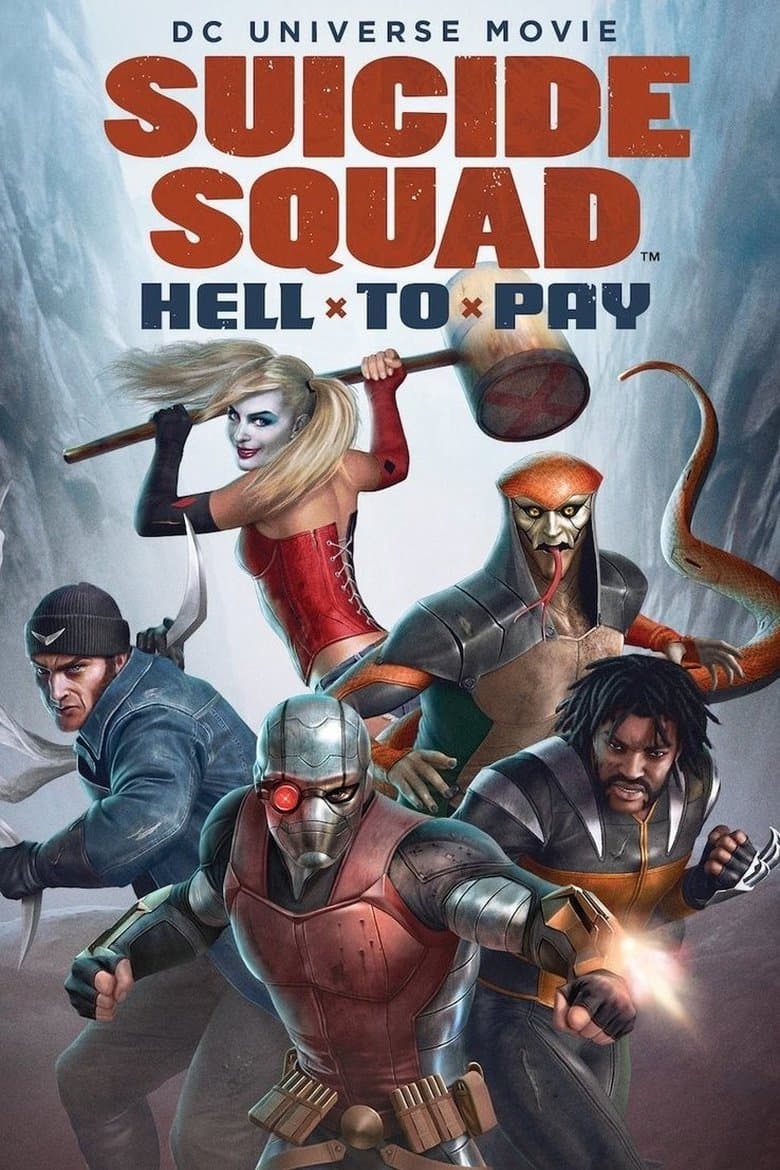
Movie · 2018
Amanda Waller's top-secret "Task Force X" — consisting of Deadshot, Bronze Tiger, Killer Frost, Captain Boomerang, Harley Quinn, and Copperhead — is on a mission to retrieve a…
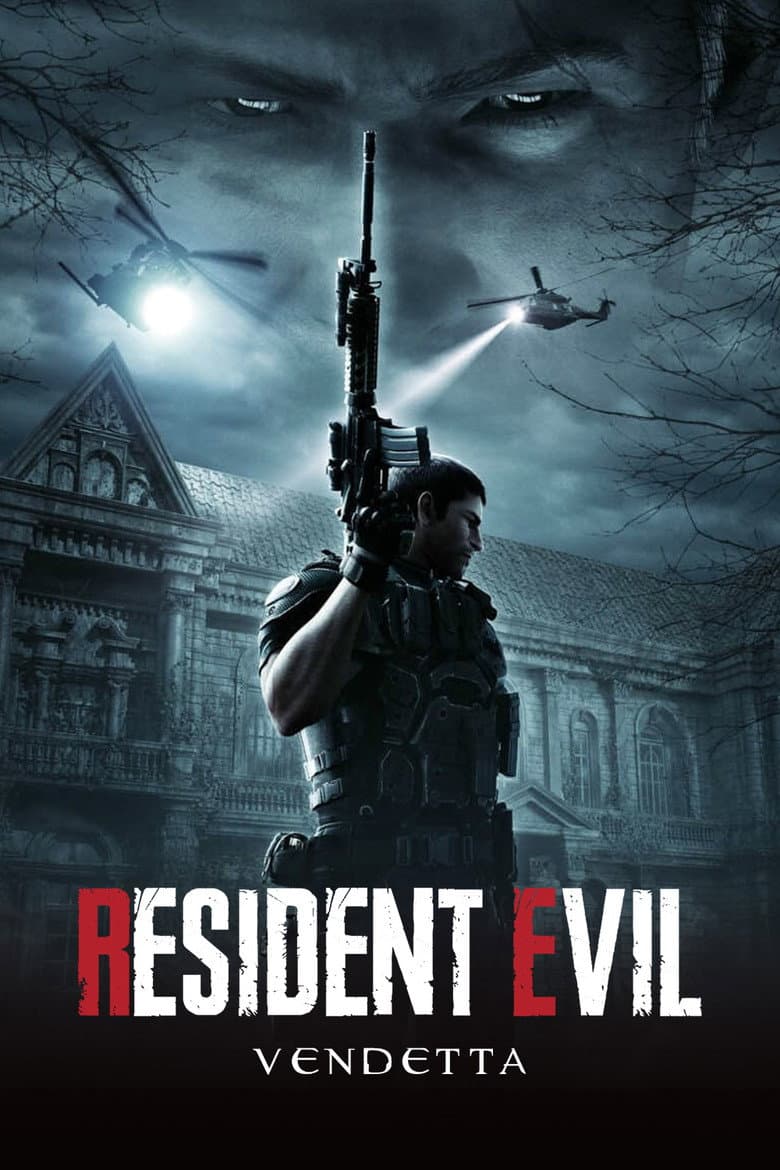
Movie · 2017
When a fearless enemy out for revenge unleashes a brutal and deadly new virus, BSAA captain Chris Redfield enlists the help of Agent Leon S.
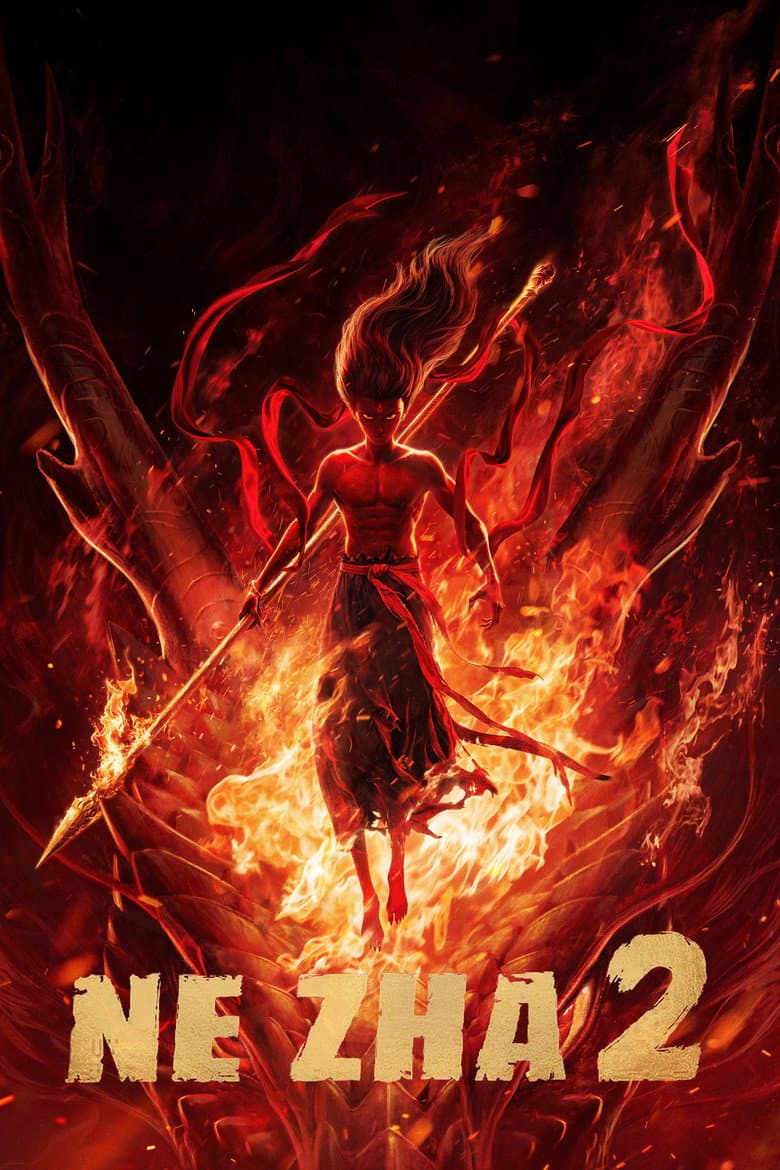
Movie · 2025
After a catastrophic event leaves their bodies destroyed, Ne Zha and Ao Bing are granted a fragile second chance at life.
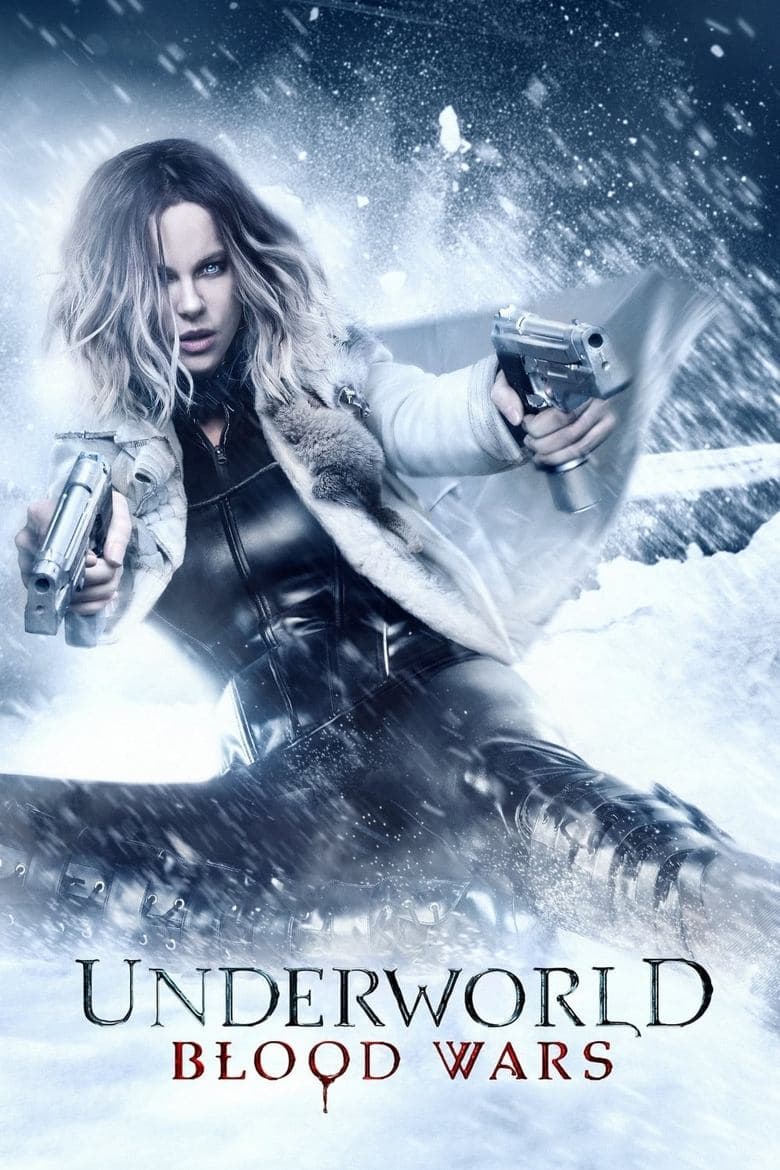
Movie · 2016
Vampire death dealer Selene fends off brutal attacks from both the Lycan clan and the Vampire faction that betrayed her.
Movie · 2020
After the vicious slaughter of his family by stone-cold mercenary Sub-Zero, Hanzo Hasashi is exiled to the torturous Netherrealm.
