
Julieta follows a Spanish woman across three decades, from a hopeful 1985 to a broken 2015. Young Julieta meets Xoan on a train, falls in love with him, and has a daughter named Antía. After Xoan dies, Antía leaves Julieta at eighteen without an explanation. Julieta returns to her old Madrid building and writes a long account of her life while grief, guilt, and memory pull her toward collapse. The tone is quiet, sad, and tense.
The film makes women's lives and a mother-daughter bond its main subject. Julieta's work, love life, grief, and choices are shown from her point of view, and she rejects the idea that a woman's place is only at home. Antía has a short lesbian relationship with her friend Bea, and the retreat later makes her reject Bea. These identity-focused parts matter to the family mystery, but the film does not turn them into a current political cause. Its main message concerns loss, silence, guilt, and the way pain moves through a family.
Community feedback
Was our 52% Woke rating accurate?
Breakdown
These are the editorial factors and ratings behind our score for Julieta.
Woke representation / casting
The film puts a Spanish woman at the center and uses two actresses to show her at different ages. Almodóvar and the film's promotion framed the choice as a return to women-centered cinema and stressed that the lead is a woman over 50. The cast also gives several women major speaking roles. The choices fit the family story and do not create an obvious race or diversity mismatch.
25%
Woke political dialogue
Julieta says she does not want to be only a housewife and wants to return to a job she likes. Marian answers that a woman's profession is her family and that she should stay home. The exchange gives a clear modern-versus-traditional gender-role message, but it lasts only a short time. The film has no recurring DEI, activist, or identity-politics speeches.
24%
Identity-driven story themes
The film makes a mother and daughter bond its main subject across three decades. Julieta's work, love life, grief, and choices are shown from her point of view. The story includes a lesbian relationship between Antía and Bea, and Antía later cuts Bea off after the retreat. These identity-focused elements matter to the family mystery, but the main message is about loss, silence, guilt, and family pain rather than a current political cause.
43%
Western institutional / cultural critique
Julieta briefly argues that she wants a job instead of being only a housewife. Marian answers that a woman's place is in her family. The film presents this as a clash between an older rule and Julieta's freedom, but it does not attack a wider institution or show repeated male oppression.
18%
Woke character or canon changes
Almodóvar changes Alice Munro's passing teen friendship between Antía and Bea into a lesbian relationship. The change is stated in late dialogue and helps explain why Antía cuts Bea off after the retreat. The move from Canada to Spain is a cultural adaptation, while the lesbian relationship is the clear identity-related addition. The added relationship is brief and does not replace the main mother-daughter plot.
30%
Anti-woke backlash and complaints
Not present. The film did not draw sustained complaints that it pushes woke, DEI, or identity-politics content. The supplied X pass found no anti-woke complaints, and wider coverage focused on family drama, style, and the Panama Papers rather than woke content.
0%
Creator track record context
Pedro Almodóvar has a long record of stories about women, queer characters, trans identity, sexual freedom, and resistance to religious or patriarchal power. Alice Munro often wrote about women's lives and social limits but did not build a strong activist public image. El Deseo's producers have backed many queer and women-centered films. The casting directors have milder records of supporting racial and LGBTQ representation.
67%
Production

Movie · 2018
Seasoned musician Jackson Maine discovers — and falls in love with — struggling artist Ally. She has just about given up on her dream to make it big as a singer — until Jack…

Movie · 2024
Remi and Barnes, two very different teenagers, meet by chance in the winter of their senior year, then spend four days together over the course of a year that will change their…

Movie · 2019
An extraordinary look at the lives of a middle-aged couple in the midst of the wife's breast cancer diagnosis.

Movie · 2016
A week in the life of Paterson, a poet bus driver, and his wife Laura, a very creative artist, who live in Paterson, New Jersey, hometown of many famous poets and artists.

Movie · 2020
When illness strikes two people who are polar opposites, life and death bring them together in surprising ways.
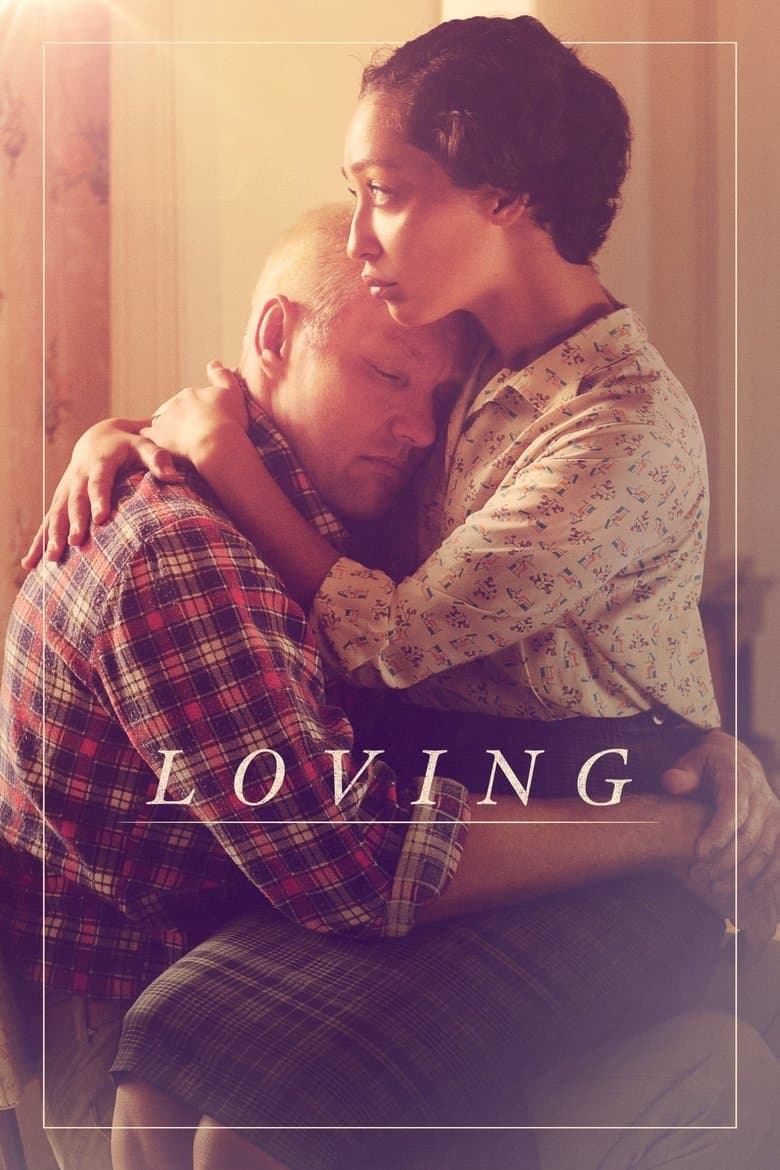
Movie · 2016
In 1958, in the state of Virginia, the idea of interracial marriage was not only considered to be immoral to many, it was also illegal.

Movie · 2018
German artist Kurt Barnert has escaped East Germany and now lives in West Germany, but is tormented by his childhood under the Nazis and the GDR regime.

Movie · 2023
College freshman Abby tries to distance herself from her dark past while resisting her attraction to bad boy Travis.
