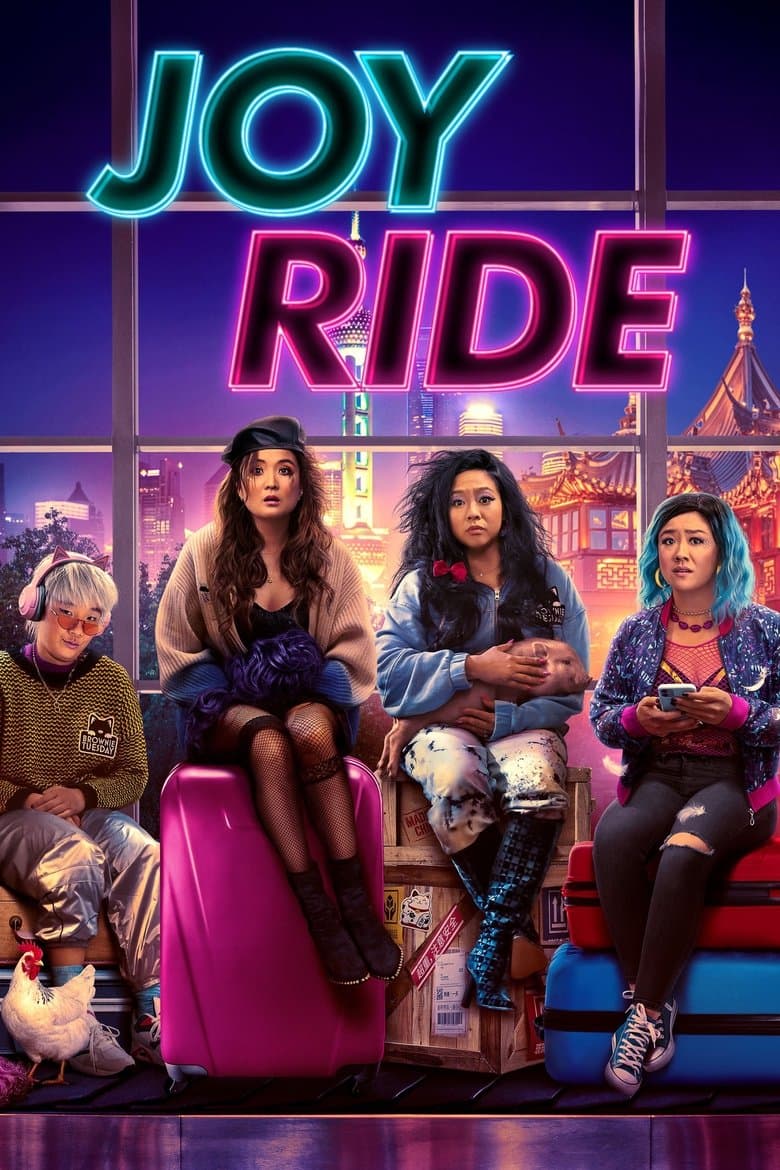
Audrey is a Korean adoptee who was raised by white parents and now works as a lawyer in Seattle. She travels to China for a business deal and gets pulled into a search for the birth mother she never knew. Her childhood friend Lolo, Lolo’s cousin Deadeye, and Audrey’s old friend Kat turn the trip into a wild race through China and Korea. The tone is a very crude comedy filled with sex jokes, drugs, fights, and warm moments about friendship.
Race and belonging drive Audrey’s main problem because she feels too white for some Asian people and not Asian enough for others. The film presents four Asian American friends as loud, sexual, funny, and able to lead the story. Lolo’s sex-positive art, the group’s WAP performance, and the women’s sexual choices support a message of female sexual freedom. Deadeye’s final use of they and them pronouns adds a clear nonbinary identity arc, while the ending says that friendship and self-acceptance matter more than fitting a fixed role.
Community feedback
Was our 67% Woke rating accurate?
Breakdown
These are the editorial factors and ratings behind our score for Joy Ride.
Woke representation / casting
The four main friends are Asian American women or a nonbinary person. The film keeps Asian actors in nearly every major role, including the adoption and romance story. Interviews and marketing present the cast as a special Asian-led group with a nonbinary lead. The casting fits a story about Asian American friends traveling in Asia, but representation is also a clear part of how the film is presented.
43%
Woke political dialogue
The characters make repeated jokes and serious comments about white people, being “basically white,” internalized racism, and feeling “not Asian enough.” One office scene mocks a white boss who calls himself an ally. The film uses this talk to explain Audrey’s identity conflict, but it does not argue for laws or organized political change.
28%
Identity-driven story themes
Audrey’s trip becomes a search for her Korean birth mother and a way to understand where she belongs. The group talks about feeling too white or not Asian enough, and the ending shows Deadeye using they and them pronouns. The film repeatedly presents women’s sexual freedom as a good thing, especially through Lolo’s art, the WAP performance, and the group’s sexual choices. These identity themes run through the main friendship and personal arcs.
68%
Western institutional / cultural critique
The women control the sexual jokes and are shown as active, not passive, partners. The film mocks the idea that Asian women should be quiet, pure, or pleasing to men. Kat’s Christian promise to save sex for marriage is played for jokes before she admits her past and has sex with her fiancé. The film also mocks a white boss who calls himself an ally, but it does not attack a major Western institution.
44%
Woke character or canon changes
Not relevant. The movie is an original story about four friends. It does not change an established character, canon, or real historical figure.
0%
Anti-woke backlash and complaints
A few right-leaning or small accounts called the film woke, said it targets white people, or described its jokes as anti-patriarchy. One critic’s post about objectifying men and targeting white people spread widely because people shared it to mock it, not because of a boycott. The available X research found no sustained review-bombing, boycott, or major culture-war campaign. The backlash is fringe, so it has limited weight.
16%
Creator track record context
Adele Lim and Teresa Hsiao have publicly supported authentic Asian stories and diverse voices. Chisom Ude has a strong record of backing underrepresented creators. Seth Rogen adds mild political context, while the other listed producers and production staff have little noted activist history. This gives the film a moderate creator track record signal, but the title’s content matters more than the biographies.
48%
Production
Movie · 2024
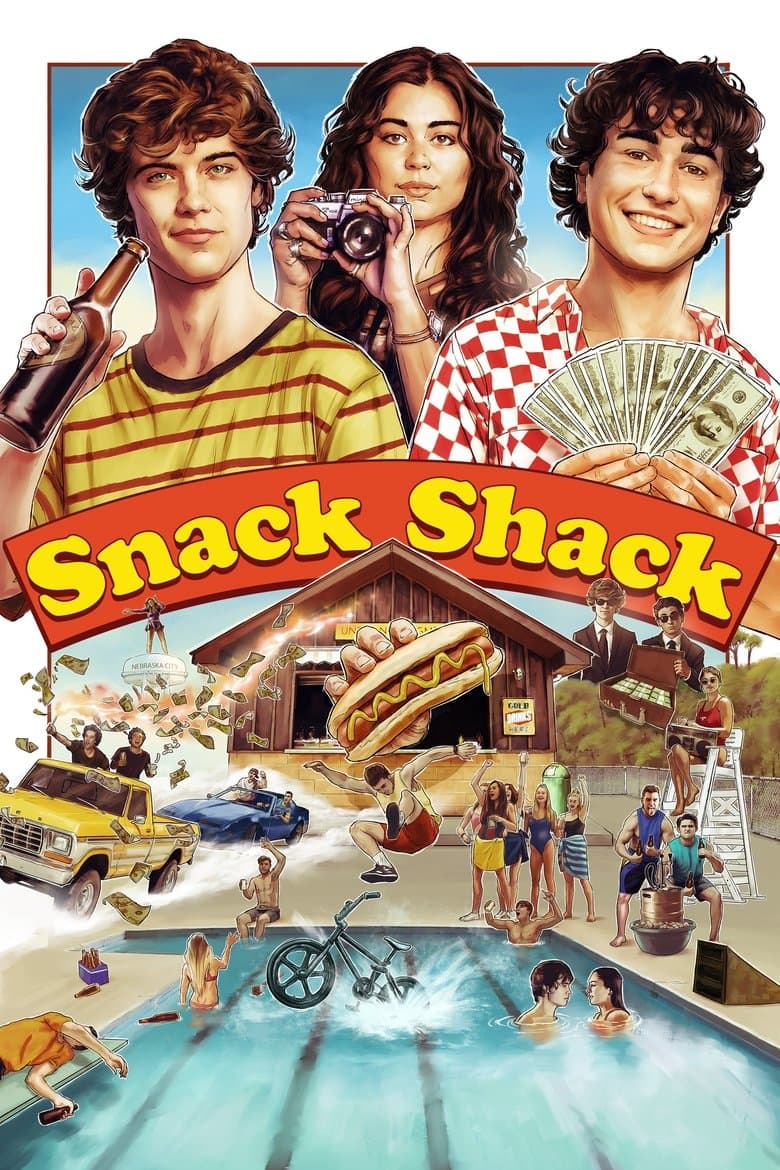
Inseparable best friends AJ and Moose decide to run the local pool's snack shack after their plan to sell home-brewed beer goes down the drain.
Movie · 2016
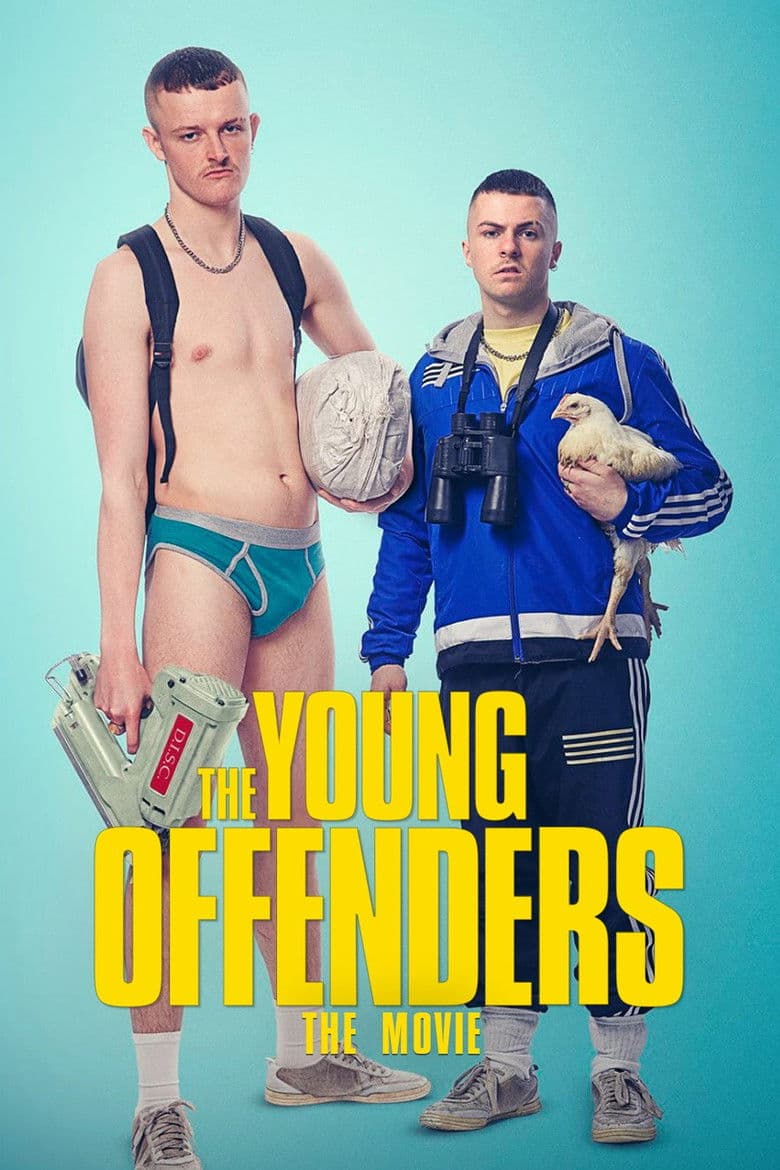
Two teenage boys from inner-city Cork steal bicycles and ride off on a 160km quest to find an unrecovered bale of cocaine worth 7,000,000 euros.
Movie · 2023
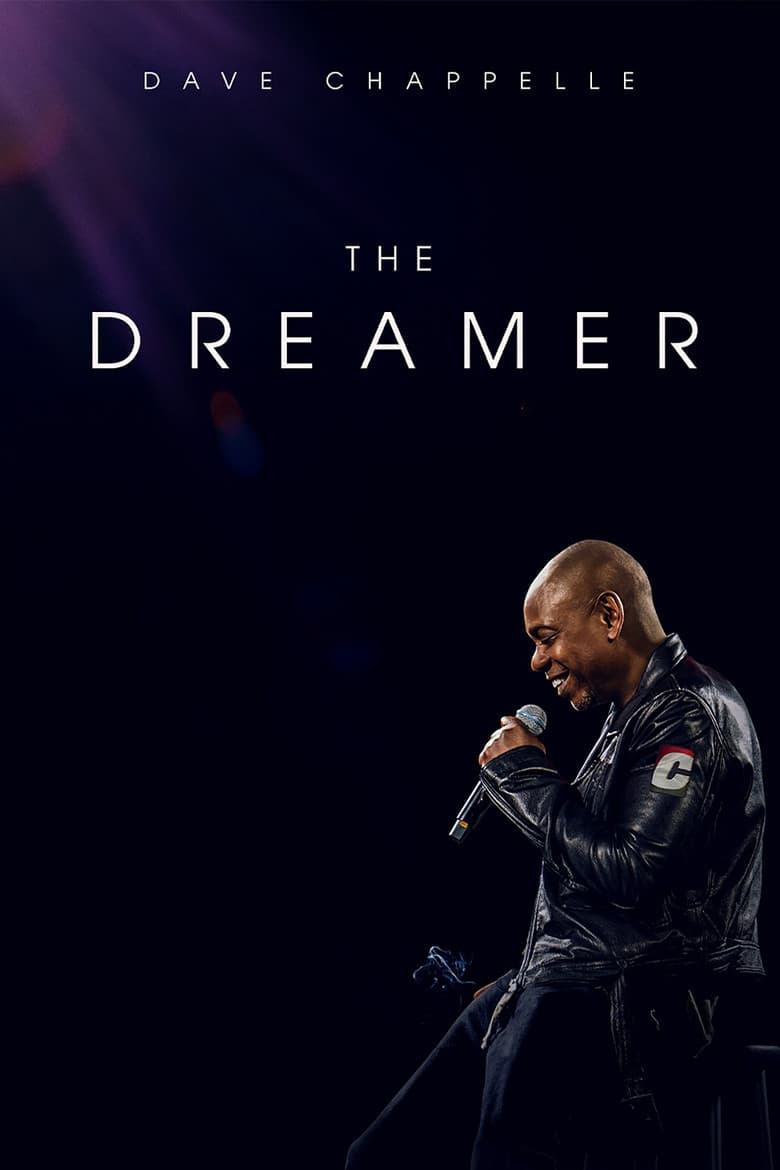
From his onstage tackle to the slap heard round the world, Dave Chappelle lets loose in this freewheeling and unfiltered stand-up comedy special.
Movie · 2016
A comedy that follows a group of friends as they navigate their way through the freedoms and responsibilities of unsupervised adulthood.
Movie · 2018
Adam Sandler takes his comical musical musings back out on the road, from comedy clubs to concert halls to one very unsuspecting subway station.
Movie · 2024
Pansy is a woman so full of rage that every interaction she has devolves into lashing out, whether at her utterly cowed husband and son, or random strangers who have the temerity…
Movie · 2023
A chaotic intervention. An action-packed stay in rehab. After a weird couple of years, John Mulaney comes out swinging in his return to the stage.
Movie · 2022
Exploring every facet of ‘Weird Al’ Yankovic’s life, from his meteoric rise to fame with early hits like ‘Eat It’ and ‘Like a Surgeon’ to his torrid celebrity love affairs and…
