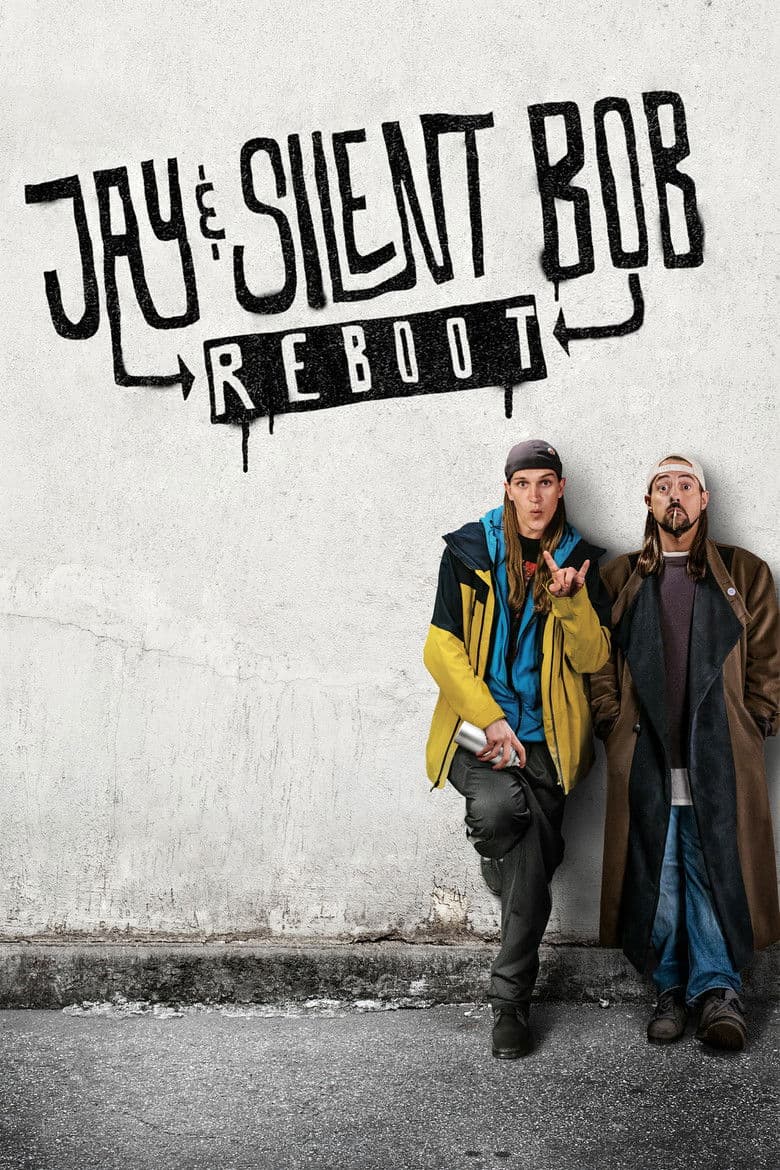
Jay and Silent Bob are two aging marijuana dealers from New Jersey. A court deal strips them of their names after a studio buys the rights to the Bluntman and Chronic characters based on them. The pair drive to Hollywood with Jay’s daughter Milly and her friends to stop the new movie. The trip uses rude jokes, movie references, road comedy, and a warmer story about Jay learning to be a father.
The film gives the new girl group a strong place in the story, and the group includes a deaf black girl, a Muslim girl, and a Chinese girl. Jay’s former girlfriend is now married to a woman, and the fake reboot changes Chronic from a man into a woman. The film also says old stories should be told from queer or women’s views instead of a cis white man’s view. These ideas appear in jokes, character backgrounds, the trip, and the film within the film, but the main emotional story remains Jay’s late attempt to bond with Milly.
Community feedback
Was our 78% Woke rating accurate?
Breakdown
These are the editorial factors and ratings behind our score for Jay and Silent Bob Reboot.
Woke representation / casting
The film gives four young women a major place in the road story and its climax. The group includes a deaf black girl, a Muslim girl, and a Chinese girl. Justice is a lesbian mother, and the fake reboot turns Chronic into a woman. The film also jokes that reboots add youth and diversity, so the identity mix is an open part of the movie rather than background detail.
61%
Woke political dialogue
The film repeats jokes about diversity, privilege, liberal sympathies, and the Bechdel test. Holden says Chasing Amy should have been told from a queer or woman’s view instead of a cis white man’s view. The movie uses Klan, white nationalist, and Russian election lines as current political jokes. These lines are spread across the trip and the convention, but the movie presents them as comedy instead of a long speech.
49%
Identity-driven story themes
The four young women shape the road trip, and their own plans pull Jay and Bob into the new story. Milly drugs the two men, Jihad carries a knife, and Shan Yu becomes a secret agent who fights at the climax. The film presents their mixed identities and two-mother family as part of the next generation that Jay must accept. Jay and Bob remain the main comic leads, so the identity message supports the fatherhood story instead of replacing it.
56%
Western institutional / cultural critique
The film mocks Hollywood for recycling old movies and adding youth and diversity to sell them again. The film also calls an older story limited by a cis white man’s point of view and mentions the Bechdel test. The young women challenge Jay and Bob’s old habits, while the men are often shown as clueless relics. These points make a brief modern critique of gender and culture, but the movie’s main target is still reboot business and fan culture.
33%
Woke character or canon changes
The original Bluntman and Chronic pair is changed so Chronic is now a woman in the fake reboot. Justice returns as Jay’s former girlfriend, but she is now married to a woman and raises Milly with her. Chasing Amy is also reinterpreted as a story that should come from a queer or woman’s view instead of a cis white man’s view. These identity changes sit inside the main reboot plot and are shown to the audience, so they are more than small background details.
64%
Anti-woke backlash and complaints
Small X accounts called the movie forced diversity, said Kevin Smith was deeply involved in SJW ideas, and later labeled it woke. A Metacritic user said the film preached too much about woke economics. A Geeks + Gamers review focused on political correctness and called the diverse girl group part of the movie’s woke debate. These complaints appeared on several small or user-led sites, but no large boycott, review-bombing drive, or major right-leaning campaign was found.
34%
Creator track record context
Kevin Smith has a cached creator score of 17/100 and no documented long-term activist record. Most listed producers and the casting director have scores from 0 to 9, while Mickey Gooch Jr. and Elizabeth Destro have scores of 17 and 23. Smith’s interviews call this an inclusive or woke stoner movie and discuss its diversity, which raises the title context slightly. That current framing is clear, but the wider creator record does not show a strong repeating political pattern.
18%
Production
Movie · 2023
Special agent Orson Fortune and his team of operatives recruit one of Hollywood's biggest movie stars to help them on an undercover mission when the sale of a deadly new weapons…
Movie · 2024
In the 19th century, a drunken applejack salesman must go from zero to hero and become North America's greatest fur trapper by defeating hundreds of beavers.
Movie · 2026
Two marketing executives go "balls out" and pitch a bold full‑coverage condom sponsorship with the World Cup.
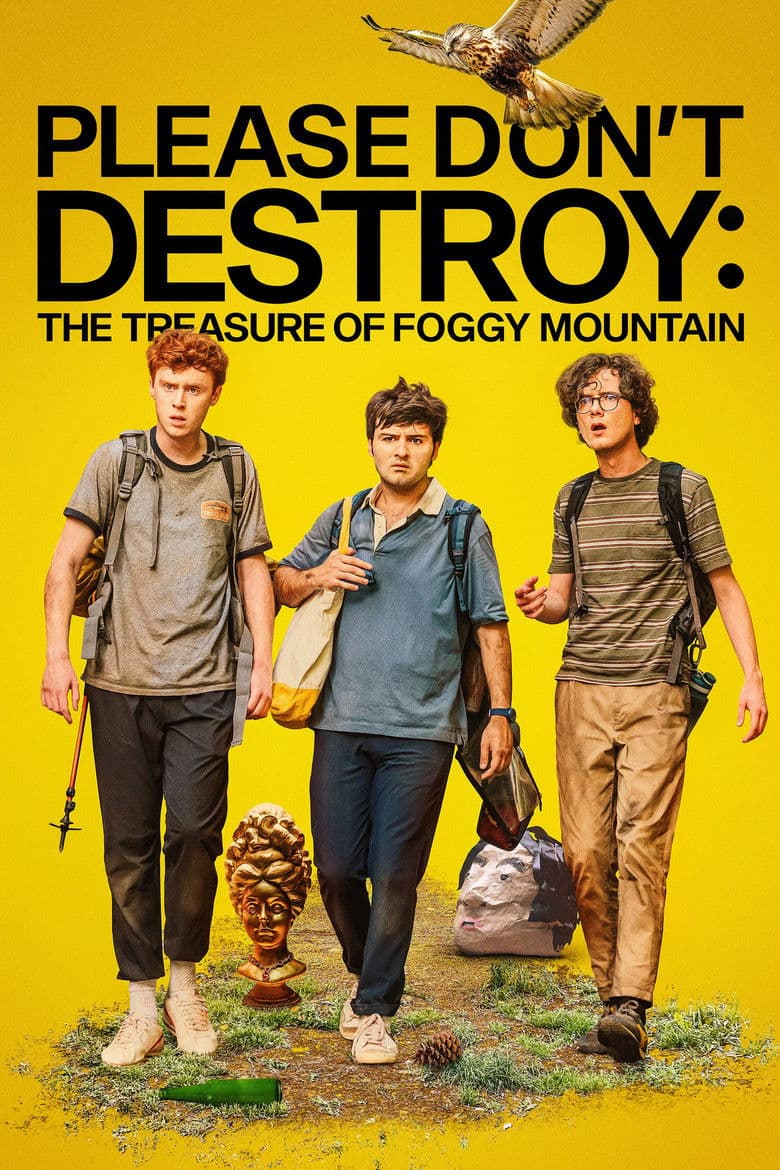
Movie · 2023
When three friends who live together realize that they don't like their life trajectory, they set off to find a gold treasure that is rumored to be buried in the nearby mountain.
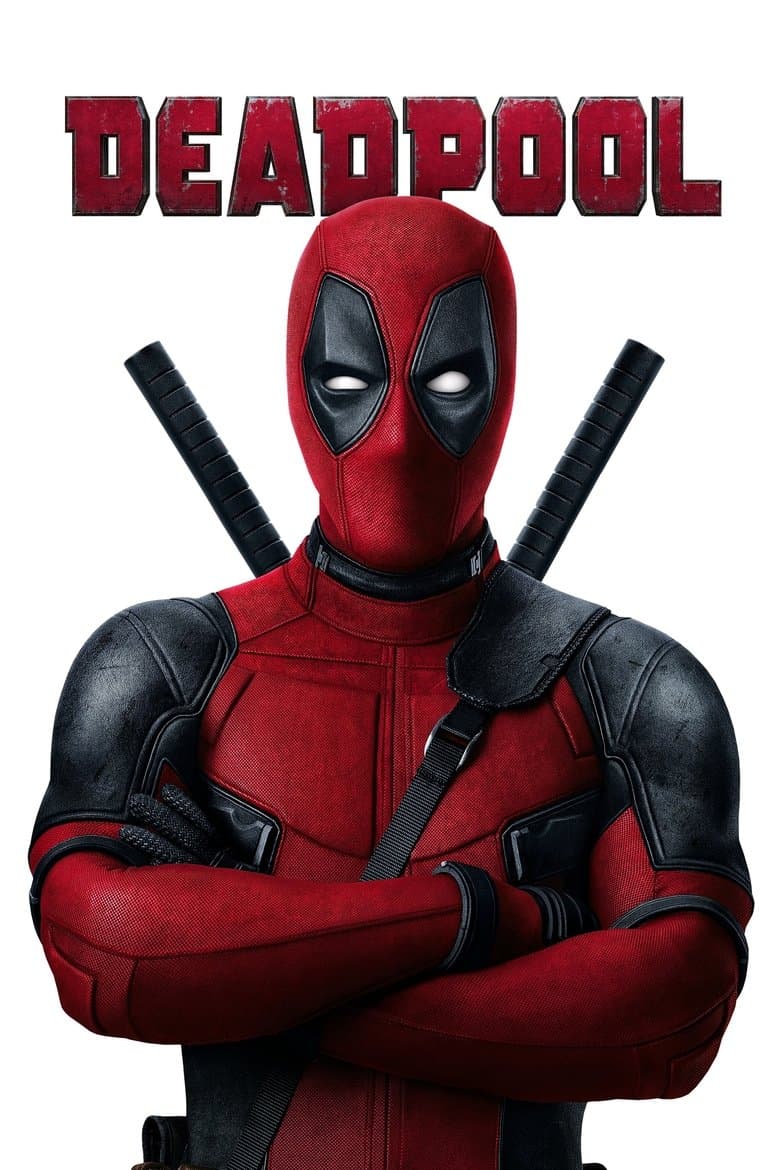
Movie · 2016
The origin story of former Special Forces operative turned mercenary Wade Wilson, who, after being subjected to a rogue experiment that leaves him with accelerated healing powers…
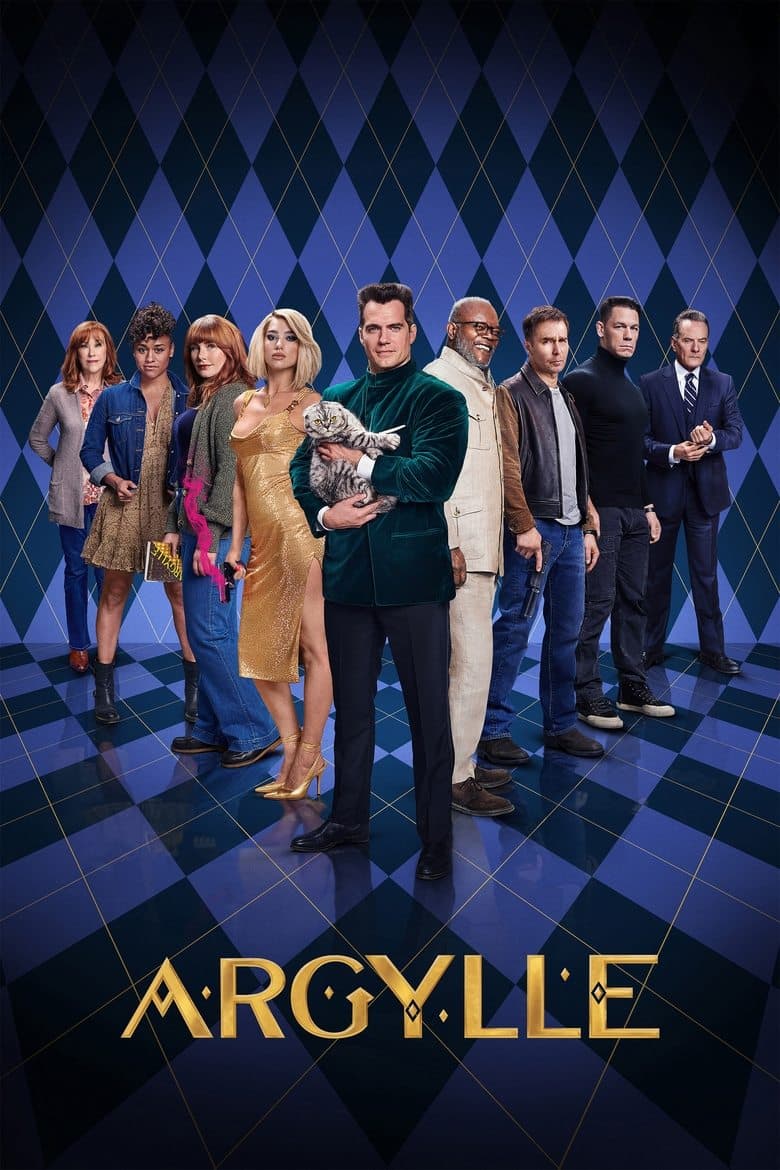
Movie · 2024
When the plots of reclusive author Elly Conway's fictional espionage novels begin to mirror the covert actions of a real-life spy organization, quiet evenings at home become a…
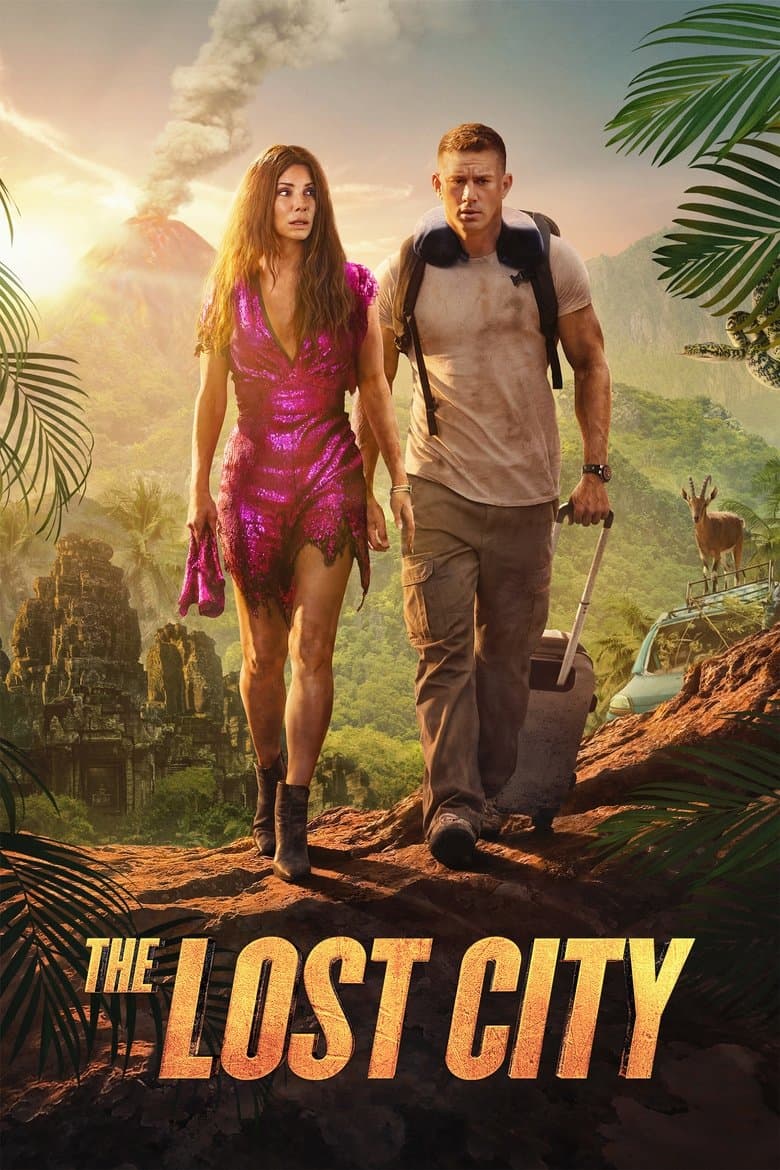
Movie · 2022
Reclusive author Loretta Sage writes about exotic places in her popular adventure novels that feature a handsome cover model named Alan.
Movie · 2023
Two elite soldiers must escort civilians through a gauntlet of gunfire and explosions.
