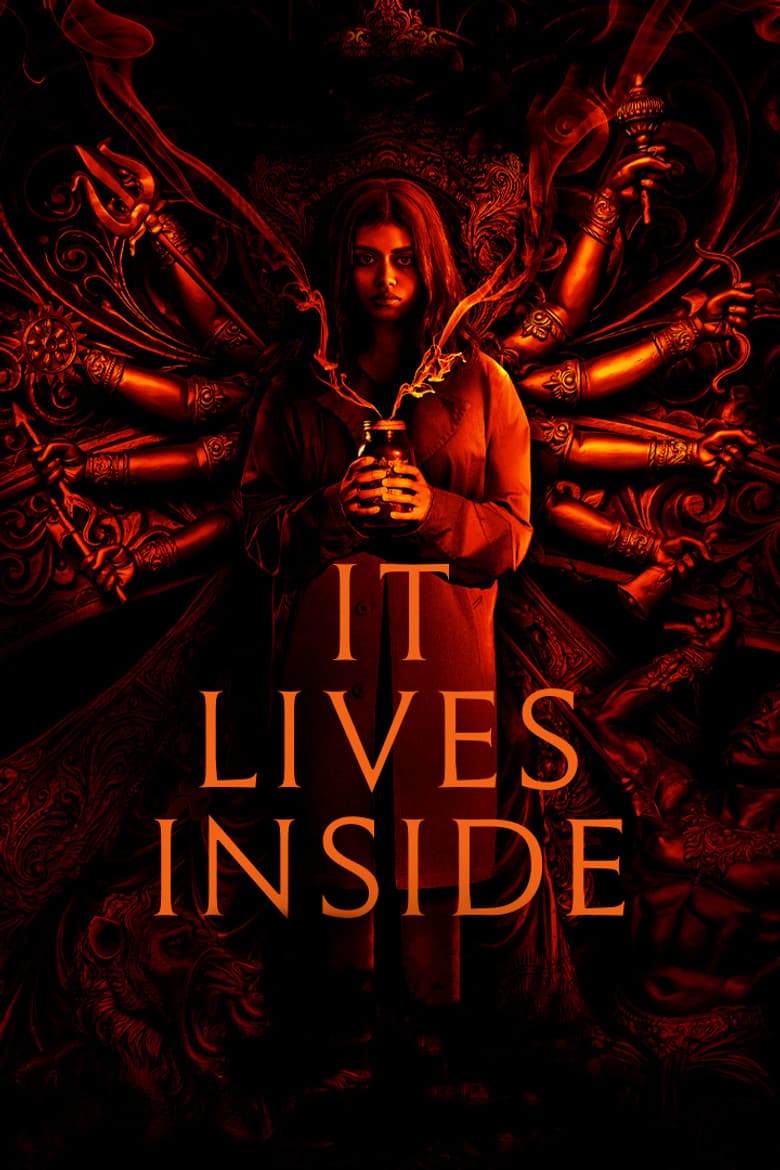
Samidha is an Indian American high school student who calls herself Sam because she wants to blend in with her classmates. She pushes away her mother, her family customs, and her old friend Tamira. Tamira carries a jar that holds a hungry Pishacha, an evil spirit from Indian legend. After Sam breaks the jar, the spirit attacks Tamira and the people around Sam. The film mixes teen drama, family tension, and dark supernatural horror in a tense but uneven way.
The story makes cultural identity its main subject. Sam treats her Indian background as something that will keep her from being accepted, while the spirit turns that fear into a literal threat. Her mother teaches her old prayers and customs, and Sam later uses that knowledge to save Tamira. The film says that hiding family roots causes pain, but it also shows Sam’s choice as a hard burden rather than an easy victory. The message is repeated through school pressure, family conflict, the demon, and the ending.
Community feedback
Was our 68% Woke rating accurate?
Breakdown
These are the editorial factors and ratings behind our score for It Lives Inside.
Woke representation / casting
The film centers on two Indian American girls and gives both major story roles. The film also places Indian American parents at the center and gives a black teacher a helpful role in the mystery. The director and Megan Suri framed the lead as meaningful representation for Indian Americans and brown women. The casting fits the suburban setting, so the score reflects identity focus and public representation framing rather than a strong mismatch.
46%
Woke political dialogue
The film includes a short history-class discussion of John Winthrop’s idea of a City upon a Hill. The teacher says a society built on moral superiority would become rigid and all alike. The class then moves to economic effects, and the film does not return to modern political debate. This creates a brief and mild woke political dialogue element.
22%
Identity-driven story themes
The film makes Sam’s cultural identity the main conflict. Sam rejects her name, food, language, religious events, and friendship because she wants approval from schoolmates. The Pishacha turns that rejection into the central horror threat, and Sam must use family knowledge to save Tamira. The ending keeps the message active because Sam carries the spirit inside her and must keep feeding it. The story strongly supports accepting one’s roots, although it presents that choice as painful and complicated.
74%
Western institutional / cultural critique
The film briefly questions the idea of a morally superior society in a classroom discussion about early American settlers. The teacher links that idea to a rigid and all-alike society, which is a mild critique of a Western cultural ideal. The story also shows school pressure to fit in, but it does not attack modern institutions, men, Christianity, capitalism, or conservative politics. The critique stays short and secondary to Sam’s family and culture conflict.
14%
Woke character or canon changes
Not relevant. It Lives Inside is an original story, not based on established characters or a real historical event. No identity-based rewrite of known material is present.
0%
Anti-woke backlash and complaints
A small Reddit discussion said the film was “more woke than scary” because it treated race and culture as a political statement. Another review called the message misguided and objected to the idea that Sam must accept family heritage. A separate X search found one tiny account calling it “woke dog shit” after social-commentary marketing language, with almost no reach. No boycott, review-bombing push, or large right-leaning campaign appeared, so the backlash remains fringe.
27%
Creator track record context
Bishal Dutta’s cached score is 58/100, and his earlier work often centers on cultural identity, immigration, sexuality, and underrepresented people. Ashish Mehta’s cached score is 53/100, and his work includes diversity-focused writing and a connection to queer cinema. Most producers and casting staff have low or unclear activist context, although Tom Quinn and Jeff Deutchman add some political or diversity-related background. The overall creator record supports a moderate context score.
50%
Production
Movie · 2021
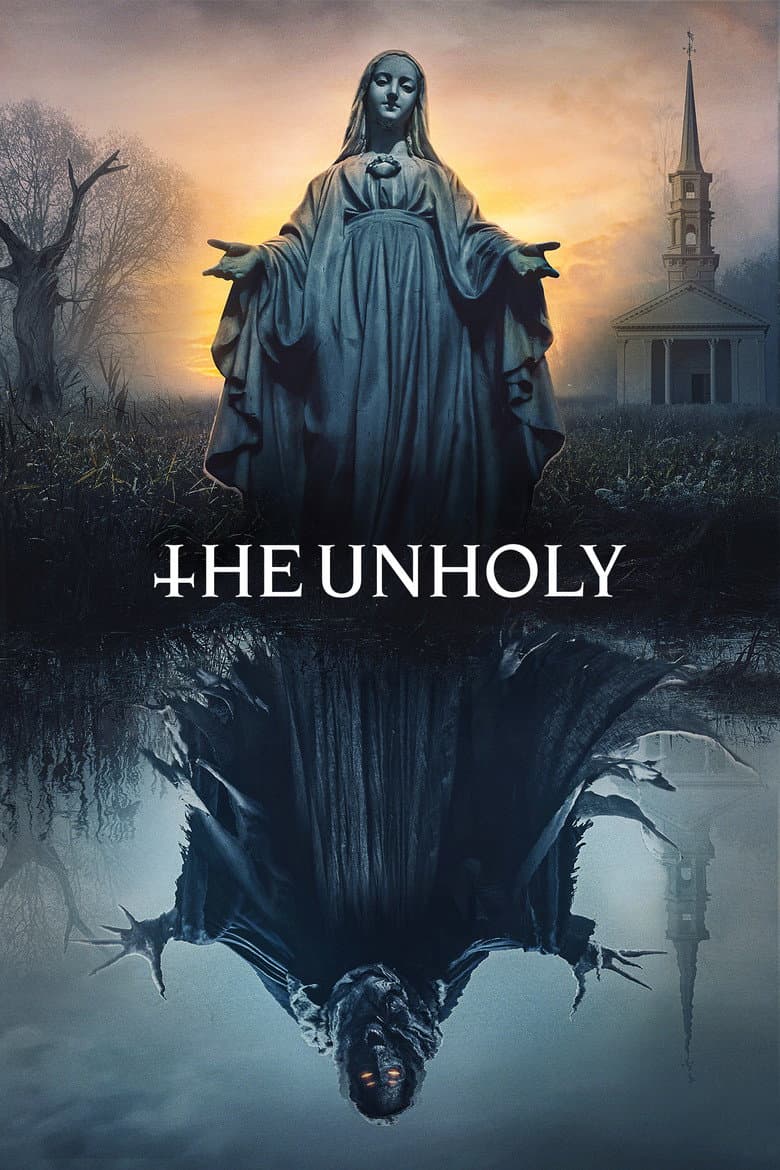
Alice is a young hearing-impaired girl who, after a supposed visitation from the Virgin Mary, is inexplicably able to hear, speak and heal the sick.

Movie · 2022
When Keira Woods' daughter mysteriously vanishes in the cellar of their new house in the country, she soon discovers there is an ancient and powerful entity controlling their home…
Movie · 2016
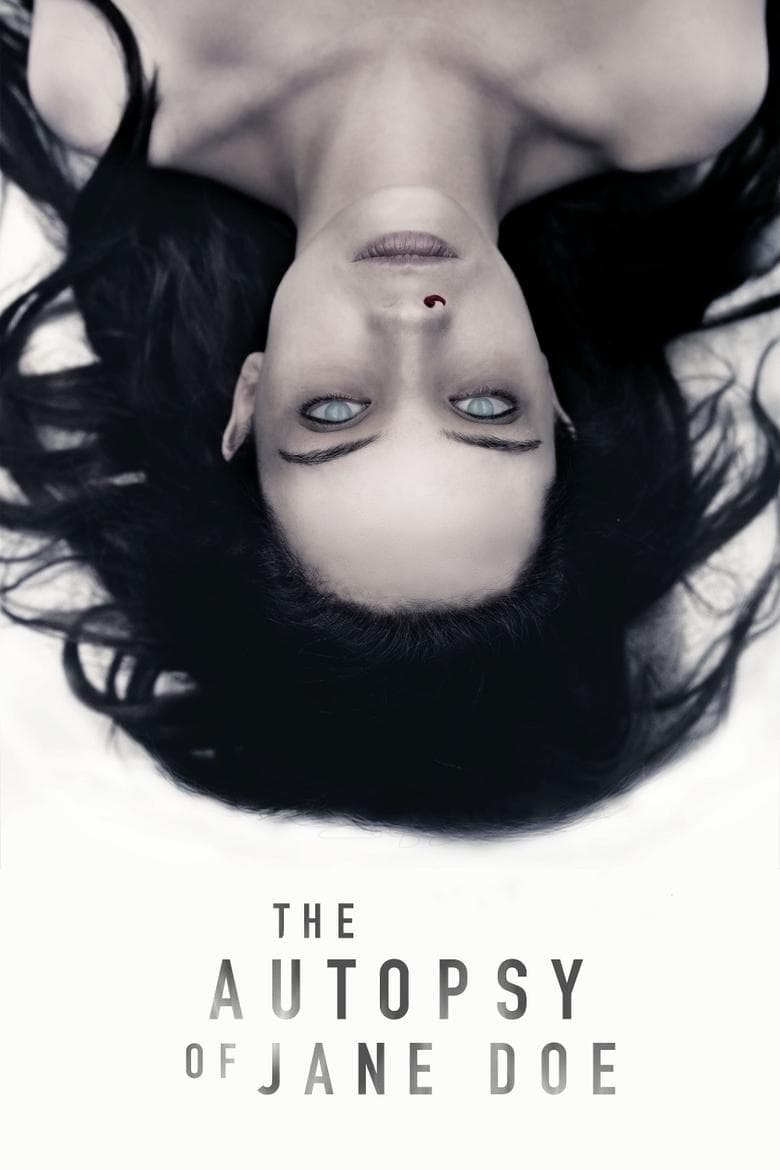
Father and son coroners receive a mysterious unidentified corpse with no apparent cause of death. As they attempt to examine the "Jane Doe," they discover increasingly bizarre…
Movie · 2017
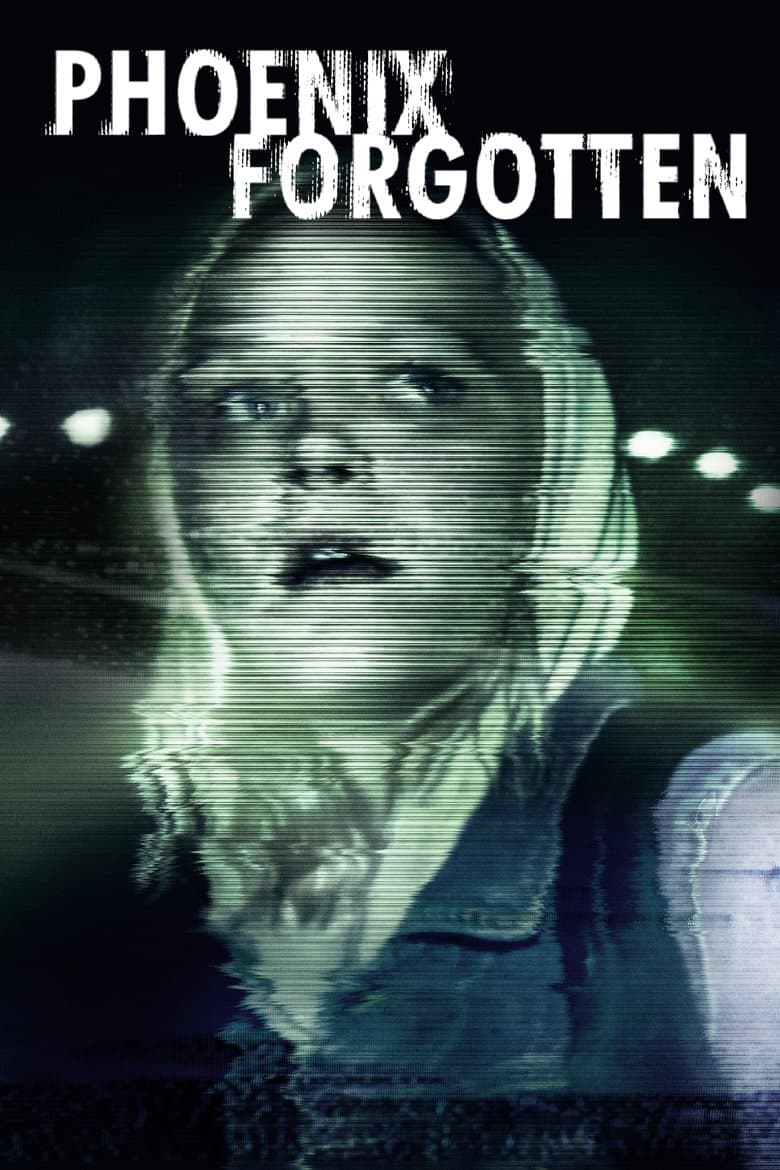
Twenty years after three teenagers disappeared in the wake of mysterious lights appearing above Phoenix, Arizona, unseen footage from that night has been discovered, chronicling…
Movie · 2020
A man providing overnight watch to a deceased member of his former Orthodox Jewish community finds himself opposite a malevolent entity.
Movie · 2026
The host of a popular paranormal podcast becomes haunted by terrifying recordings mysteriously sent her way.
Movie · 2022
Laura, traumatized by an abusive relationship, runs away from her former husband with her seven-year-old son Cody.
Movie · 2021
Madison is paralyzed by shocking visions of grisly murders, and her torment worsens as she discovers that these waking dreams are in fact terrifying realities with a mysterious…
