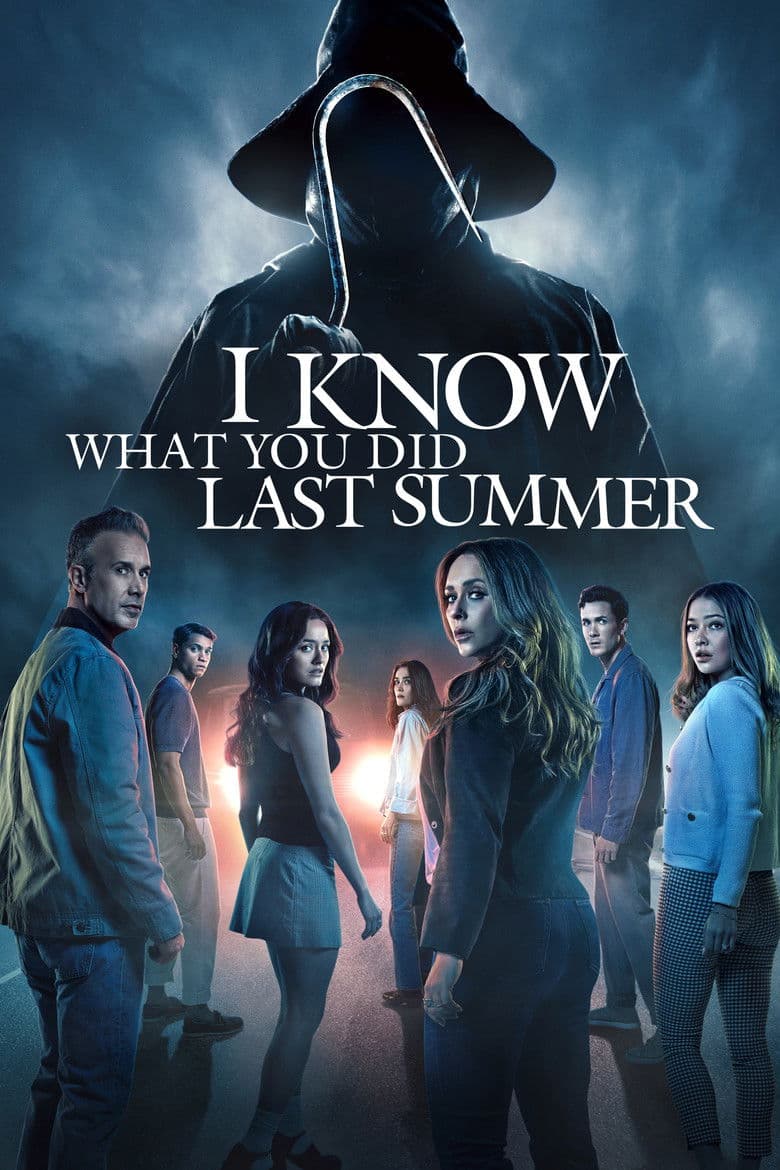
Movie review
Ava Brucks returns to Southport, North Carolina, for her friend Danica's wedding events. Ava, Danica, Milo, Teddy, and Stevie cause a deadly cliffside crash and hide what happened. A year later, a killer in a fisherman's coat hunts them with hooks, harpoons, and other fishing tools. The movie mixes bloody slasher scares with jokes, romance, guilt, and old franchise memories. Ava seeks help from Julie James and Ray Bronson, two survivors of the earlier Southport murders.
The movie gives Ava a brief same-sex hookup with true-crime podcaster Tyler, so Ava is shown as bisexual, but that relationship does not drive the mystery. The story puts women at the center of the fight and ends with a joke that the killings might have been avoided if men had gone to therapy. Southport leaders and wealthy families hide the town's violent past to protect tourism, and the film links that cover-up to gentrification. These ideas add identity, gender, and social criticism to the revenge plot, but the movie remains a horror mystery rather than a story built around identity politics.
Community feedback
Was our 38% Woke rating accurate?
Breakdown
These are the editorial factors and ratings behind our score for I Know What You Did Last Summer.
Woke representation / casting
Not present. The young group includes three women, two men, one black man, and one Asian woman. The film does not call attention to these choices or frame them as a diversity message.
0%
Woke political dialogue
The ending says that much of the killing could have been avoided if men had gone to therapy. The line makes a broad joke about men as a group. The film uses therapy language elsewhere, but it has no sustained political debate.
17%
Identity-driven story themes
A brief same-sex hookup shows Ava as bisexual. Tyler is a true-crime podcaster, but the relationship does not affect the killer's plan. Women lead the main survival story and receive the final fight. The film does not turn these points into a larger debate about identity or rights.
24%
Western institutional / cultural critique
Southport is rebuilt as a rich tourist town after its old murders are buried. The tourism board and local leaders hide the past because they fear losing visitors. Teddy's powerful father also uses his influence to hide the new crash. The killer plot turns gentrification and the erasing of local history into a major reason for revenge.
40%
Woke character or canon changes
Not relevant. Ray Bronson becomes a killer, but the film uses this as a revenge twist tied to the town's past. No established character is changed because of race, sex, sexuality, or representation.
0%
Anti-woke backlash and complaints
A few tiny right-leaning X accounts called the film a “DEI edition,” “woke garbage,” or “another woke film.” Other small posts mocked the line about men going to therapy and warned viewers about a brief same-sex scene. The posts had almost no engagement. No large boycott or review-bombing push was reported.
12%
Creator track record context
Jennifer Kaytin Robinson has made female-led stories about revenge, empowerment, and rage. Leah McKendrick often writes about women's trauma, fertility, and power. Sam Lansky's work includes gay life and a nonbinary coming-of-age film. Lois Duncan and the listed producers have no strong public record of activist or DEI work, so the overall creator signal is mixed.
35%
Production
Movie · 2022
When twin brothers arrive home to find their mother’s demeanor altered and face covered in surgical bandages, they begin to suspect the woman beneath the gauze might not be their…
Movie · 2019
A lone fisherman on his daily run finds himself lost in a thick fog which proves impossible to navigate. The worst is yet to come when his encounter with a seemingly abandoned…
Movie · 2019
When a 12-year-old boy goes missing at a local park, a detective investigates the case to help the boy's family find answers.
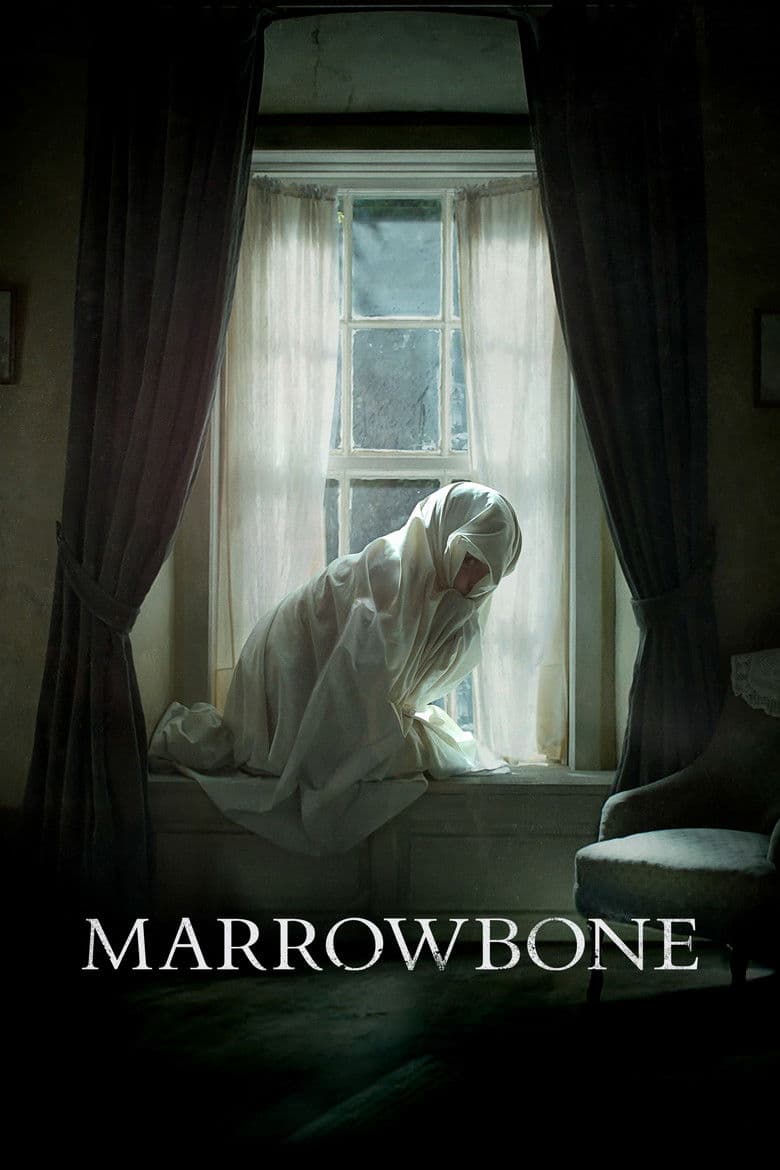
Movie · 2017
A young man and his three younger siblings are plagued by a sinister presence in the sprawling manor in which they live.

Movie · 2025
A troubled man starts working at a retirement home and realizes its residents and caretakers harbor sinister secrets.
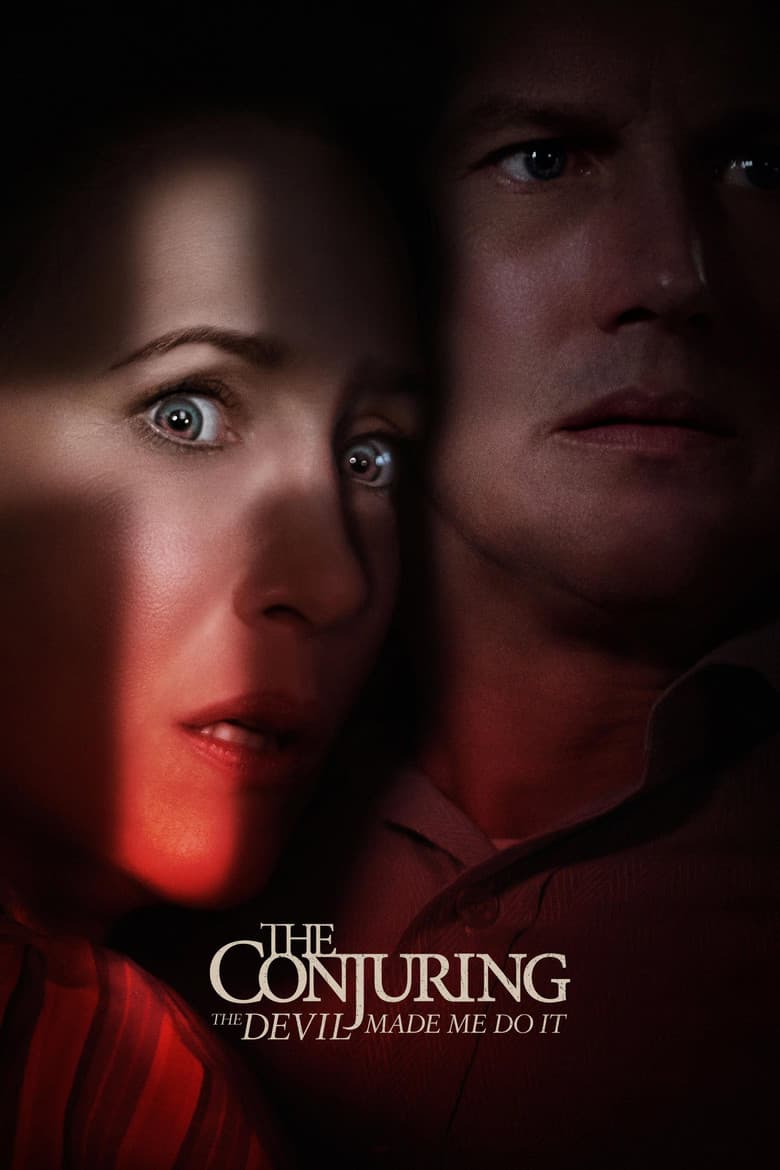
Movie · 2021
Paranormal investigators Ed and Lorraine Warren encounter what would become one of the most sensational cases from their files.
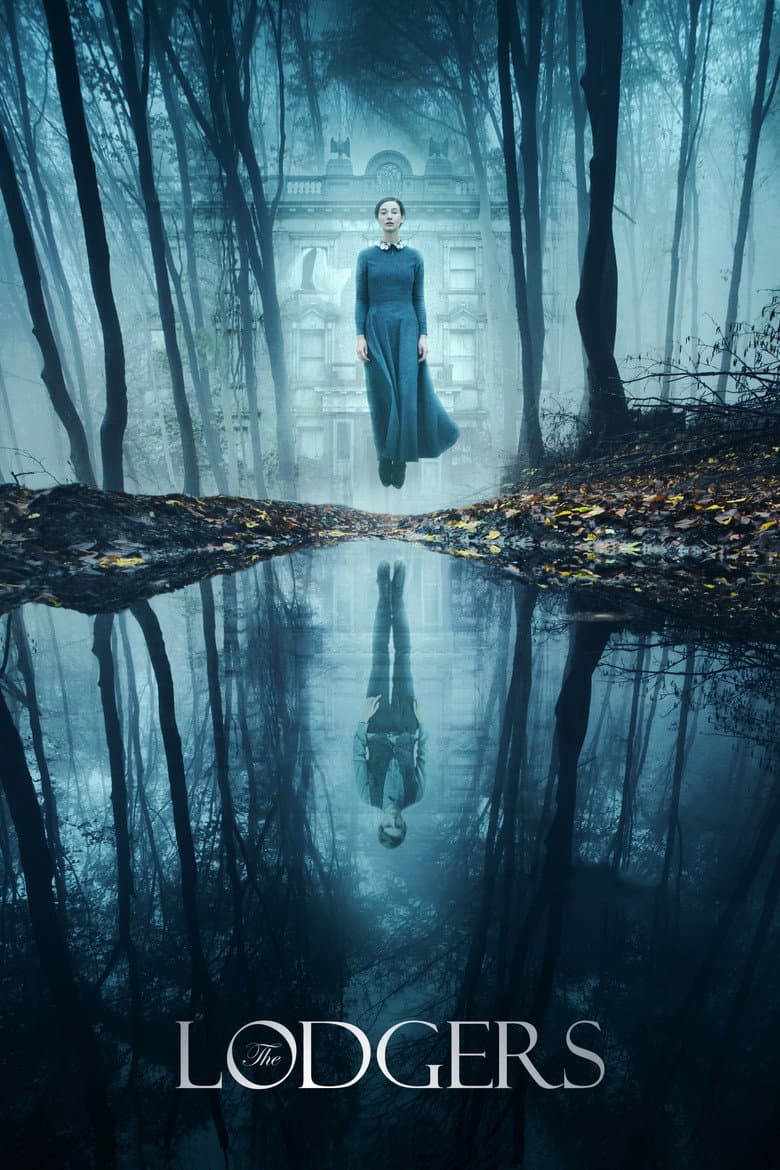
Movie · 2017
1920, rural Ireland. Anglo-Irish twins Rachel and Edward share a strange existence in their crumbling family estate.
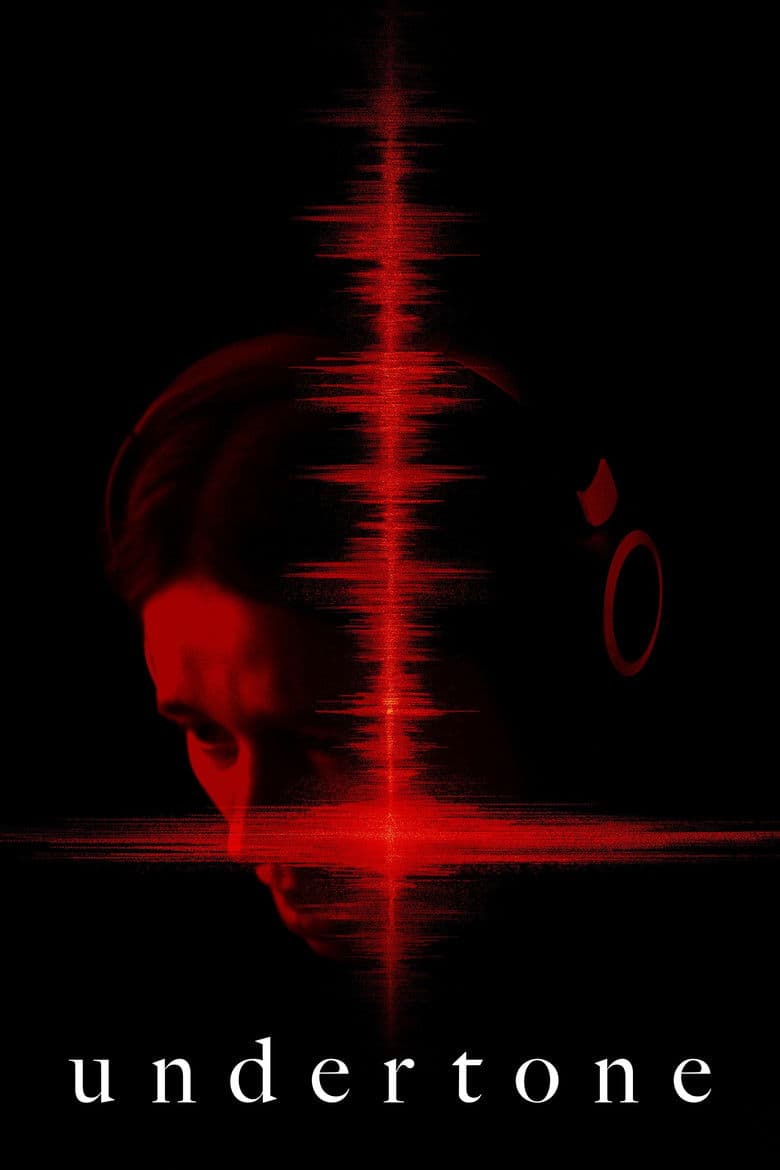
Movie · 2026
The host of a popular paranormal podcast becomes haunted by terrifying recordings mysteriously sent her way.
