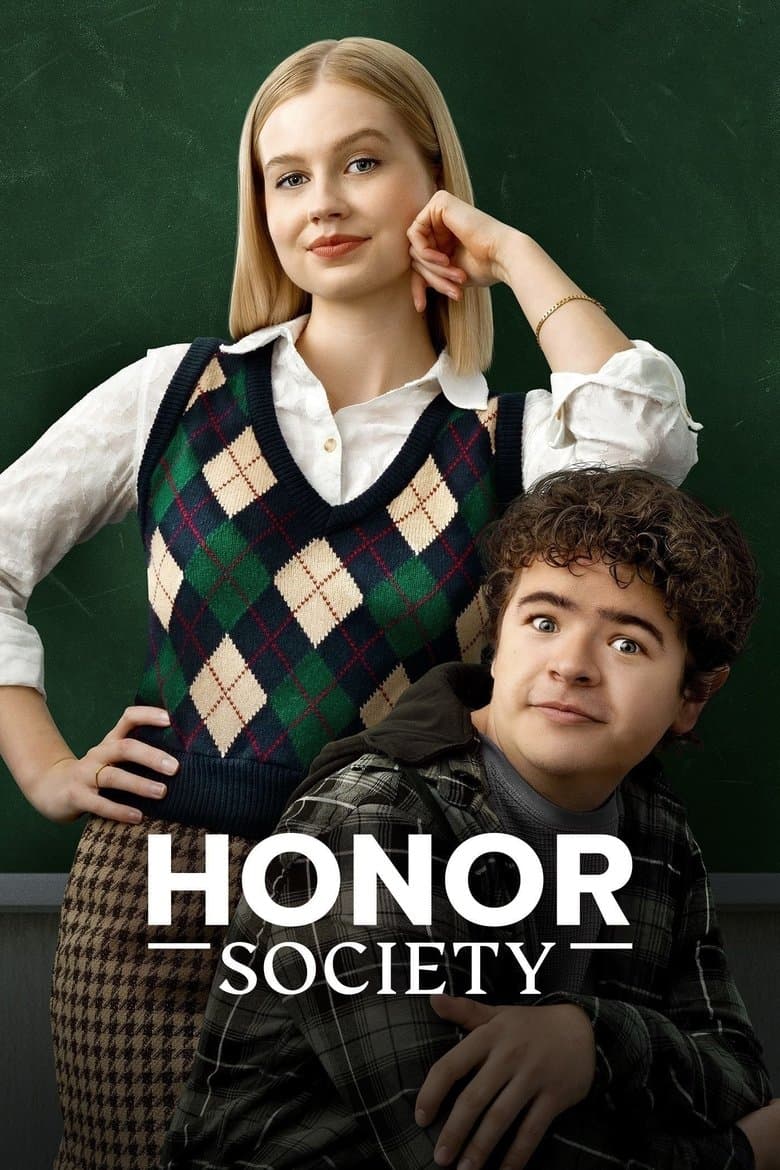
Honor Rose is a driven high school senior who wants only one thing: Harvard. She needs a special letter from her guidance counselor, Mr. Calvin, but three other top students are also in the race. She builds a sneaky plan to wreck their focus with fake friendship, a school play, and romance games. The movie is a sharp, dark teen comedy with lots of talking to the camera and a big twist about who is really playing whom.
Viewers will notice clear identity pieces, even though the main plot is about college ambition and lying for success. A major side story follows Travis, a popular black athlete who is secretly gay. He joins the play, comes out to his dad, kisses another boy on stage, and ends up dating him, with an LGBT group streaming the show. The cast is mixed by race in key supporting roles, and Honor and Michael bond over *The Handmaid’s Tale*. The opening jokes about “girl power” posters, and the director has talked about strong women being labeled “too strong.” These beats are easy to see, but the film still runs mainly as a scheme-and-romance comedy, not a full activist lecture.
Community feedback
Was our 54% Woke rating accurate?
Breakdown
These are the editorial factors and ratings behind our score for Honor Society.
Woke representation / casting
Modern high school with a clear mixed cast in big supporting roles: Asian playwright Kennedy, black star athlete Travis who is gay, and multiracial friends. Leads Honor and Michael are white. Diversity is easy to see and was praised in cast interviews. Confirmed queer casting and a warm coming-out arc push this above light background only.
48%
Woke political dialogue
Some lines nod to fake “empowerment” posters, *The Handmaid’s Tale*, and a creepy adult man who hits on a student. Honor often mocks empty status games rather than preaching. There is little speechifying about race systems, capitalism, or party politics. A normal viewer may notice the tone more than heavy activist talk.
30%
Identity-driven story themes
Core plot is cutthroat college schemes, fake friendship, and a romance double-cross. A strong side arc is Travis coming out as gay, a same-sex stage kiss, dating another boy, and an LGBT group streaming the play. Female ambition and “be real” growth run through the film. Queer identity is clear and positive, but not the whole story.
55%
Western institutional / cultural critique
Hits Ivy League prestige pressure, resume faking, and a predatory male counselor. Class lying (rich kid fakes foster care) is personal drama, not a system manifesto. Little direct attack on Christianity, traditional family as pure evil, or broad “West is bad” messaging. Light satire of success culture more than activist institutional critique.
28%
Woke character or canon changes
Not present in this title.
0%
Anti-woke backlash and complaints
Almost no organized anti-woke fight. A lone Metacritic user called it “disgustingly WOKE.” No big news or viral wave treated it as DEI or propaganda. Most talk was normal reviews and plot spoilers.
12%
Creator track record context
Cached scores for key people are mostly low to mild (Zegman 23, Goodman 16, Osborn 0, several producers 0–22). Producer Studer (50) backs Women In Film work for women, transgender, and nonbinary people. Director comments about strong women fit light gender framing, not a hard activist slate.
24%
Production
Movie · 2024
Inseparable best friends AJ and Moose decide to run the local pool's snack shack after their plan to sell home-brewed beer goes down the drain.
Movie · 2018
Adam Sandler takes his comical musical musings back out on the road, from comedy clubs to concert halls to one very unsuspecting subway station.
Movie · 2016
A comedy that follows a group of friends as they navigate their way through the freedoms and responsibilities of unsupervised adulthood.
Movie · 2023
A chaotic intervention. An action-packed stay in rehab. After a weird couple of years, John Mulaney comes out swinging in his return to the stage.
Movie · 2022
Exploring every facet of ‘Weird Al’ Yankovic’s life, from his meteoric rise to fame with early hits like ‘Eat It’ and ‘Like a Surgeon’ to his torrid celebrity love affairs and…
Movie · 2023
From his onstage tackle to the slap heard round the world, Dave Chappelle lets loose in this freewheeling and unfiltered stand-up comedy special.
Movie · 2016
Two teenage boys from inner-city Cork steal bicycles and ride off on a 160km quest to find an unrecovered bale of cocaine worth 7,000,000 euros.
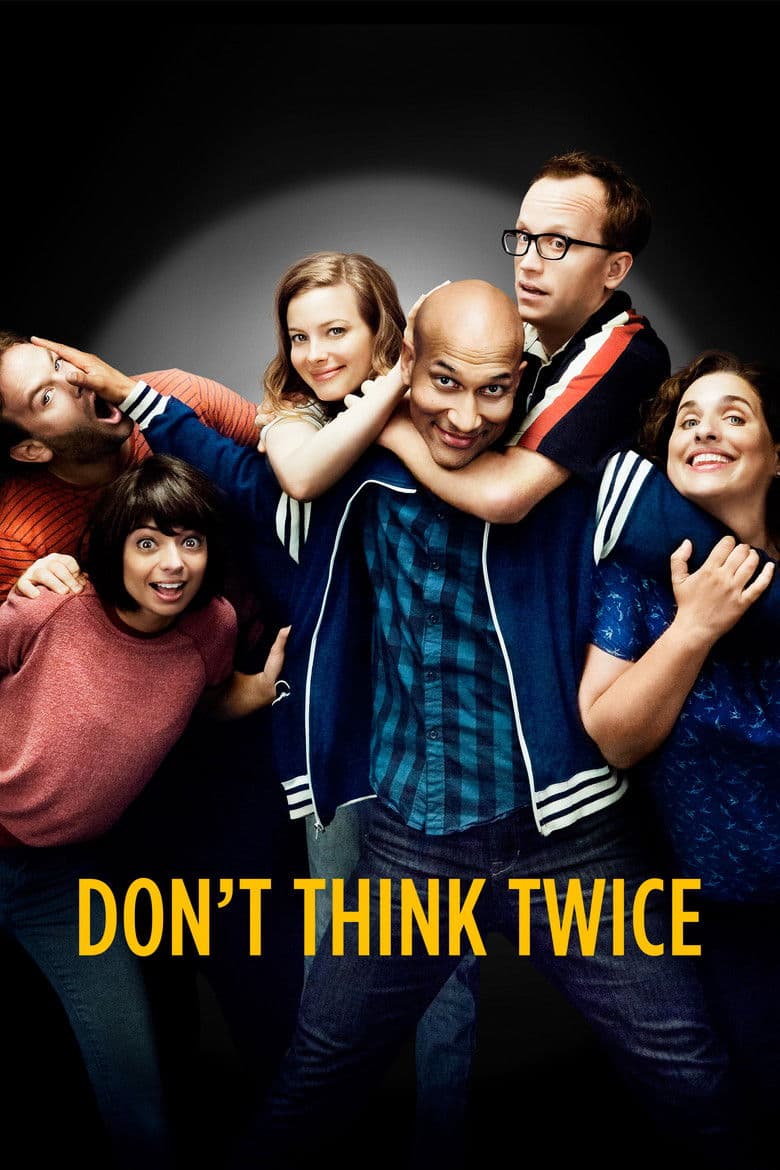
Movie · 2016
An improv group deals with several crises, including the loss of their lease and one member hitting the big time.
