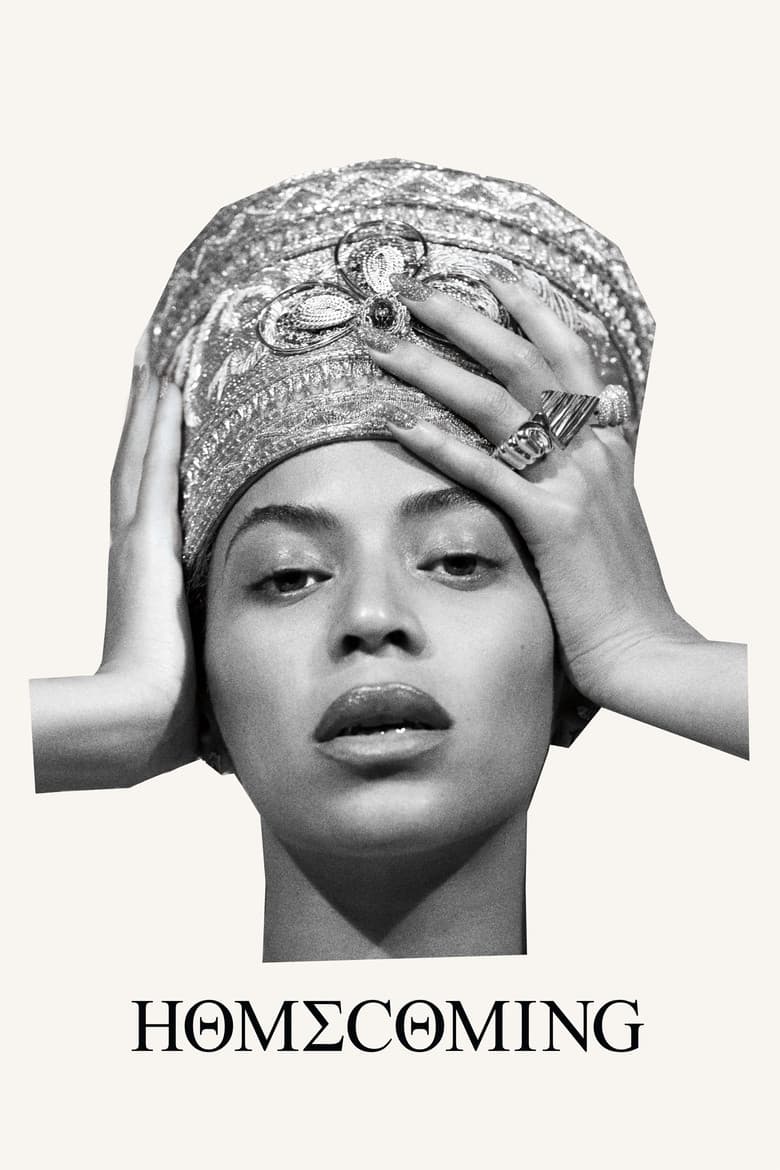
Beyoncé leads a 137-minute concert documentary about her 2018 Coachella shows in the California desert. She returns to the stage after a hard pregnancy with twins and a C-section. Her main challenge is rebuilding her body and directing a huge show after a year away from performing. The film follows months of training and rehearsals before it presents the finished performance, and its tone is proud, joyful, intense, and personal.
The show turns Coachella into a historically black college homecoming with marching bands, step teams, majorettes, sorority colors, and black musicians and dancers. Beyoncé centers black history, black women, and people who have felt left out of public culture. Voiceovers and songs praise representation, Black pride, hard work, and unity. These ideas shape the concert from its costumes and music to its crowd shots, so they are a major part of the film rather than a short side message.
Community feedback
Was our 89% Woke rating accurate?
Breakdown
These are the editorial factors and ratings behind our score for HOMECOMING: A film by Beyoncé.
Woke representation / casting
The main performers are overwhelmingly Black dancers, singers, musicians, cheerleaders, and steppers. Beyoncé builds the stage around HBCU bands, sorority and fraternity styles, and black women in leading roles. She says people who had been dismissed because of how they look should feel as if they are on the stage. The casting and group design make representation a central, visible part of the film.
92%
Woke political dialogue
Beyoncé says she chose to bring black culture to Coachella instead of using the usual flower-crown look. She says people who had never seen themselves represented should feel present on the stage. Voiceovers discuss Black greatness, black women feeling underestimated, and the need for young people to see themselves in others. These lines return between songs, but they support the concert instead of becoming a long political speech.
54%
Identity-driven story themes
The film makes HBCU culture and black history the main idea behind the show. Beyoncé links her return after childbirth to pride in black women, Black achievement, and people who have felt excluded. The music, costumes, quotes, crowd shots, and family moments repeat the message that identity and representation matter. This message shapes the full concert and is not a small side story.
88%
Western institutional / cultural critique
The film points to the history of prejudice and exclusion that made HBCUs important. It shows people who felt dismissed because of their looks and presents black culture as a reply to that exclusion. It does not build a continuing attack on Christianity, capitalism, traditional family life, or Western institutions. The critique is noticeable but stays behind the celebration and the music.
30%
Woke character or canon changes
Not relevant. The film records Beyoncé’s real concert and does not change an established fictional character, canon, or historical event.
0%
Anti-woke backlash and complaints
Not present. Public reaction is mainly praise and excitement about the HBCU and black-culture focus. No specific anti-woke or right-leaning complaint about this film was found, and the separate X research pass found none.
0%
Creator track record context
Beyoncé is the main creative voice as director, performer, and executive producer. Her public work has a long pattern of black culture, black women, feminism, racial empowerment, and inclusion. Ed Burke mainly has a visual and production background. Erinn Williams and Steve Pamon have some Parkwood work tied to representation, but they have less public activist history. Beyoncé’s track record strongly matches the film’s identity-driven focus.
88%
Production
Movie · 2021
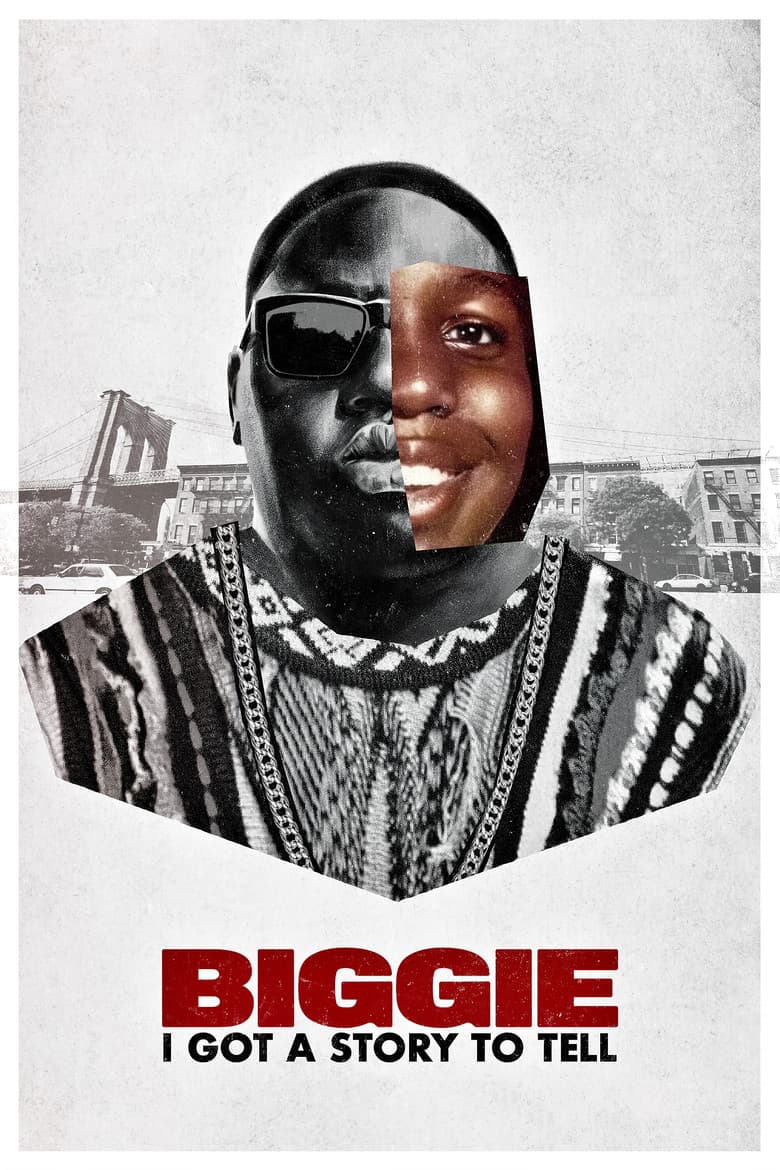
Christopher Wallace, AKA The Notorious B.I.G., remains one of Hip-Hop’s icons, renowned for his distinctive flow and autobiographical lyrics.
Movie · 2023
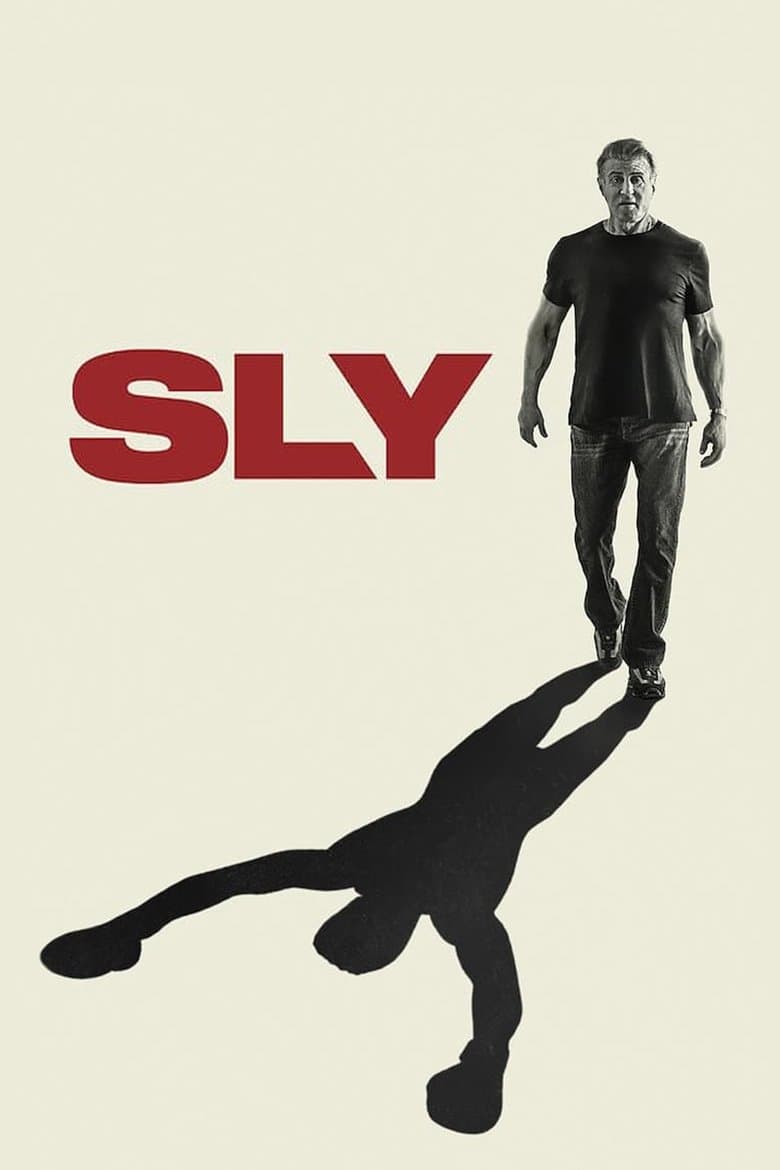
His love of film began as an escape from a rocky childhood. From underdog to Hollywood legend, Sylvester Stallone tells his story in this documentary.
Movie · 2016
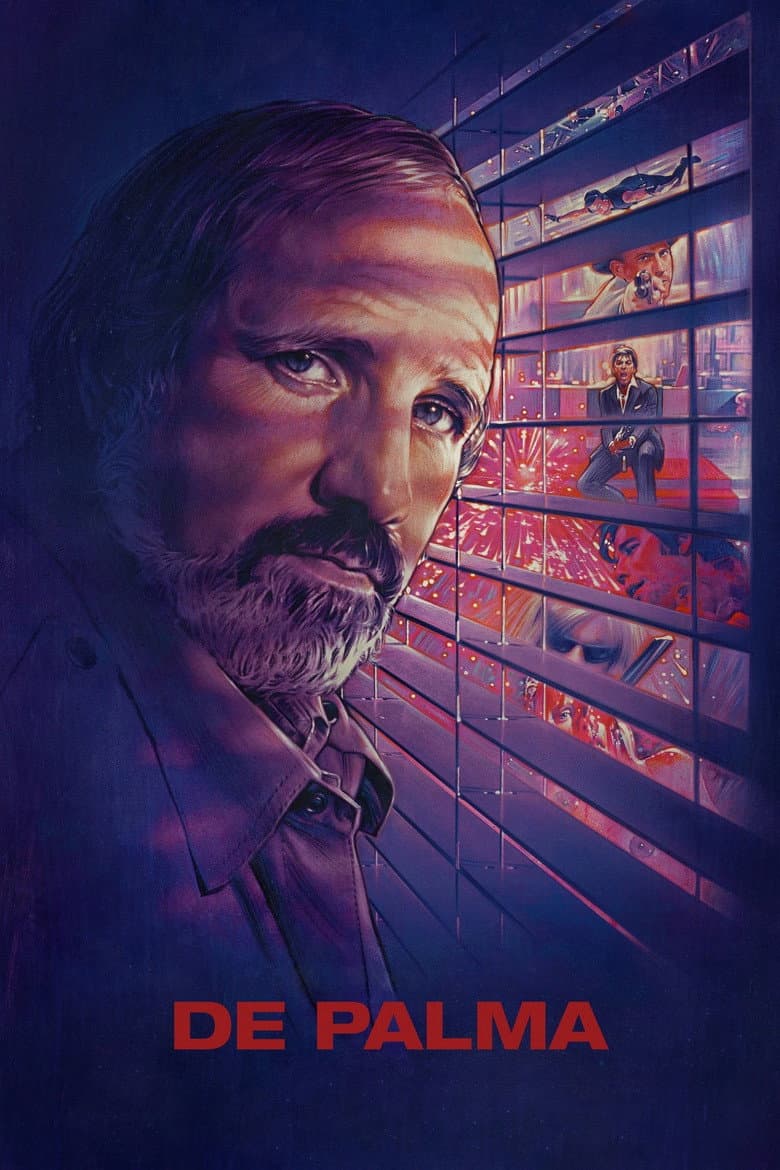
An intimate conversation between filmmakers, chronicling De Palma’s 55-year career, his life, and his filmmaking process, with revealing anecdotes and, of course, a wealth of film…
Movie · 2018
A documentary about World War I with never-before-seen footage to commemorate the centennial of Armistice Day, and the end of the war.
Movie · 2022
The inspirational rise of SpaceX as well as Elon Musk's two-decade effort to resurrect America’s space travel ambitions.
Movie · 2022
After years in the limelight, Selena Gomez achieves unimaginable stardom. But just as she reaches a new peak, an unexpected turn pulls her into darkness.
Movie · 2020
With this inventive portrait, director Kirsten Johnson seeks a way to keep her 86-year-old father alive forever.
Movie · 2021
Bob Ross brought joy to millions as the world's most famous art instructor. But a battle for his business empire cast a shadow over his happy trees.
