
Hold the Dark follows Russell Core, a retired naturalist and wolf expert who travels to the remote village of Keelut in Alaska. Medora Slone hires him after wolves are blamed for taking her young son, but the boy’s death opens a much darker mystery. Medora’s husband Vernon returns from the Iraq War and starts a violent hunt for the people he blames. Local officer Donald Marium tries to stop the killings while Core searches through snow, grief, family secrets, and strange wolf beliefs. The film is cold, slow, grim, and very violent.
The clearest woke element is the film’s view of a Yup’ik village that has been poorly served by outside police. Cheeon says officers failed to search for missing children, and he mocks their claim that bringing electricity and plumbing makes the village owe them thanks. The film also makes Core a black lead even though the source left his ethnicity open, which adds a visible racial layer to his place in the village. These points matter in one major police confrontation, but the main story stays focused on grief, revenge, war, family violence, and the idea that people can become as savage as wolves.
Community feedback
Was our 39% Woke rating accurate?
Breakdown
These are the editorial factors and ratings behind our score for Hold the Dark.
Woke representation / casting
Jeffrey Wright plays the skilled Black wolf expert Russell Core, while the source left Core’s ethnicity open. The film also uses Indigenous actors for many Yup’ik village roles, which fits the Alaskan setting. The film does not market the casting as a diversity message, so the main signal comes from the prominent lead choice.
28%
Woke political dialogue
Cheeon says the police failed to search properly for dead children. He mocks their claim that bringing electricity and plumbing makes the village owe them thanks. The exchange is one angry scene, not a repeated modern identity or DEI message.
25%
Identity-driven story themes
The story gives a major subplot to a Yup’ik man’s anger at police neglect after his daughter disappears. The village’s Indigenous identity shapes its customs, fears, and conflict with outside law enforcement. The larger plot stays focused on grief, family secrets, war, and violent human nature.
29%
Western institutional / cultural critique
The film shows local police arriving late after children disappear and treating Bailey’s body as state evidence. The sheriff admits that the village has been badly served. The film also links Vernon’s violence to the Iraq War. The story presents these problems as part of the setting, but the police and war criticism still form a clear part of the movie.
35%
Woke character or canon changes
The film gives Russell Core a black identity even though the source novel leaves his ethnicity open. This choice adds a racial layer to his place in the Indigenous village and his meetings with local police. No other major identity or gender change is clearly reported.
22%
Anti-woke backlash and complaints
Not present. The X research found no anti-woke reaction. Online audience posts mainly argued about the confusing plot and unclear ending.
0%
Creator track record context
Jeremy Saulnier and writers Macon Blair and William Giraldi have low stored scores and no clear record of identity activism. Casting director Avy Kaufman has a mixed record that includes identity-focused projects. Producers Ben Browning and Eva Maria Daniels have some similar credits, but the wider team has little such context. Interviews do not frame Hold the Dark as a diversity or social-justice project.
20%
Production
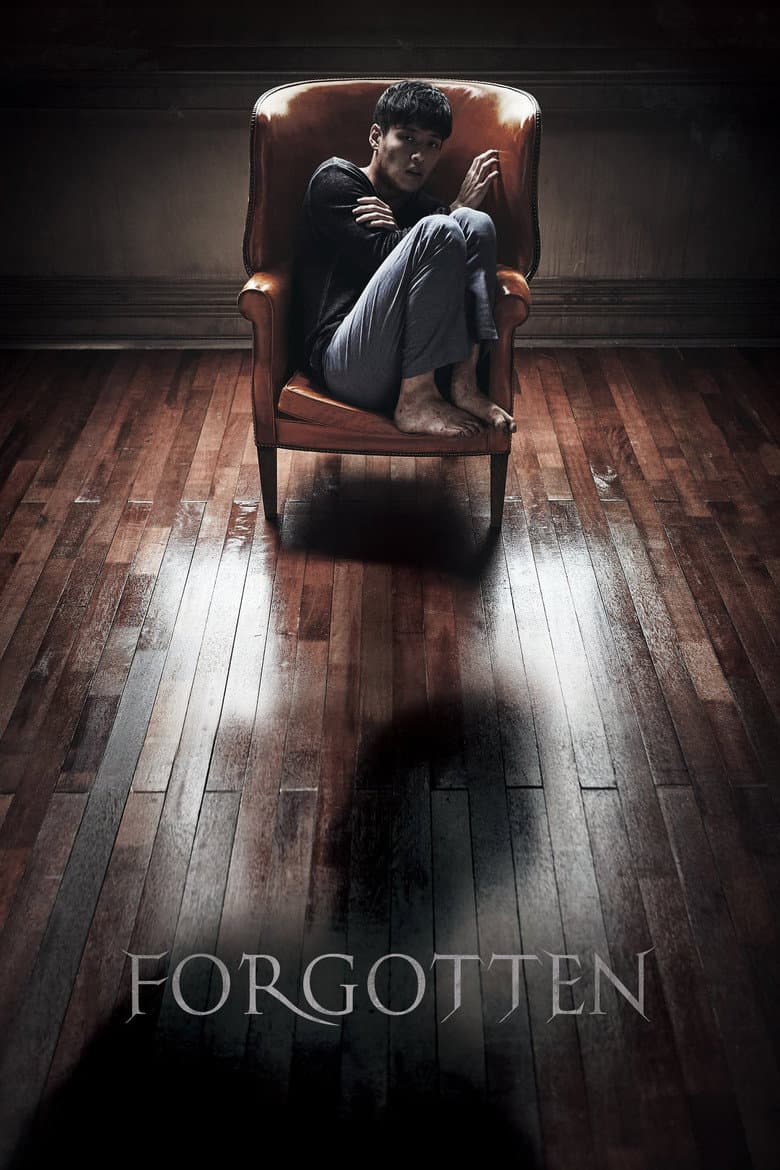
Movie · 2017
Jin-seok, 21-year-old, moves into a new house with his family. He suffers from a slight schizophrenia but he carries an ordinary life under the warm care of the family.
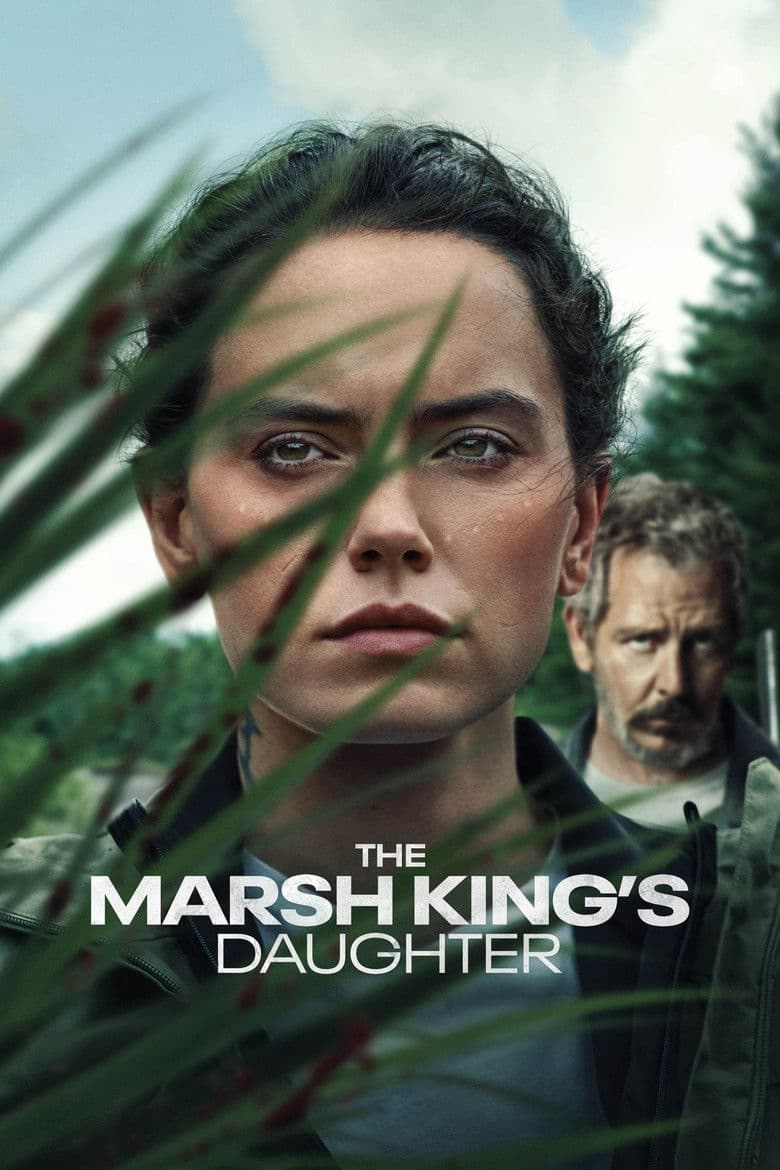
Movie · 2023
Helena, a woman living a seemingly ordinary life, hides a dark secret—her father is the infamous 'Marsh King', the man who kept her and her mother captive in the wilderness for…
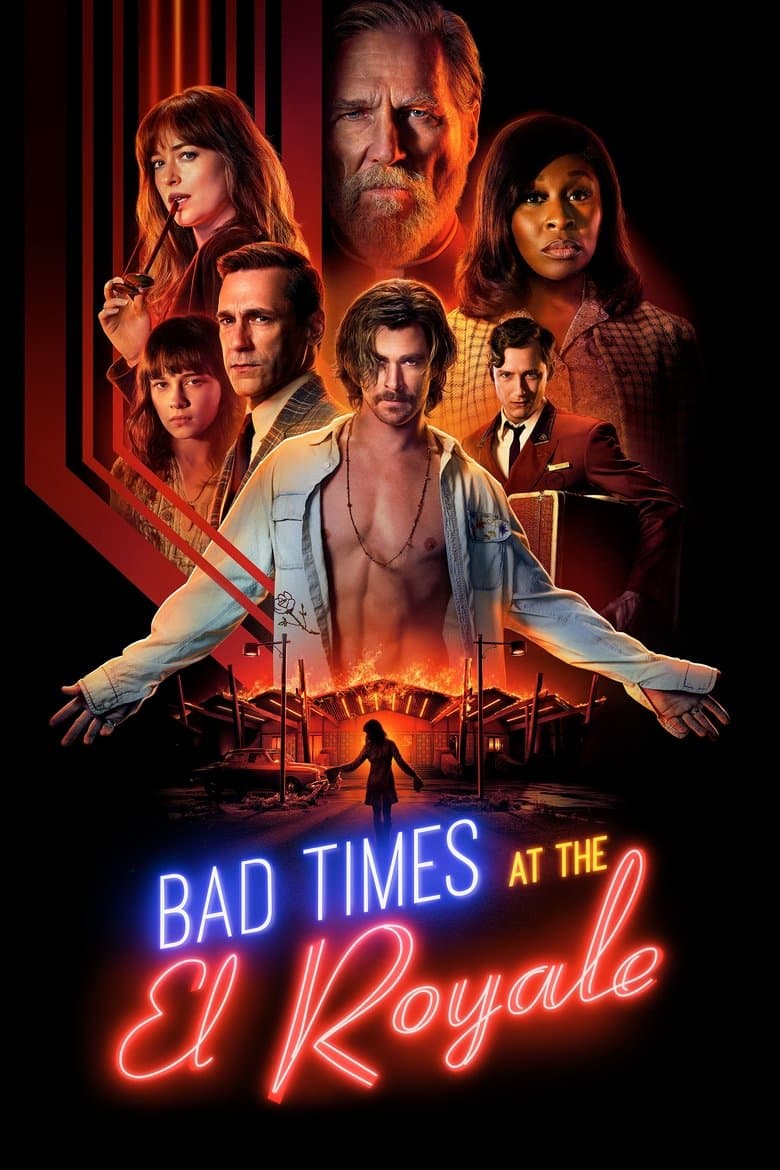
Movie · 2018
Lake Tahoe, 1969. Seven strangers, each one with a secret to bury, meet at El Royale, a decadent motel with a dark past.
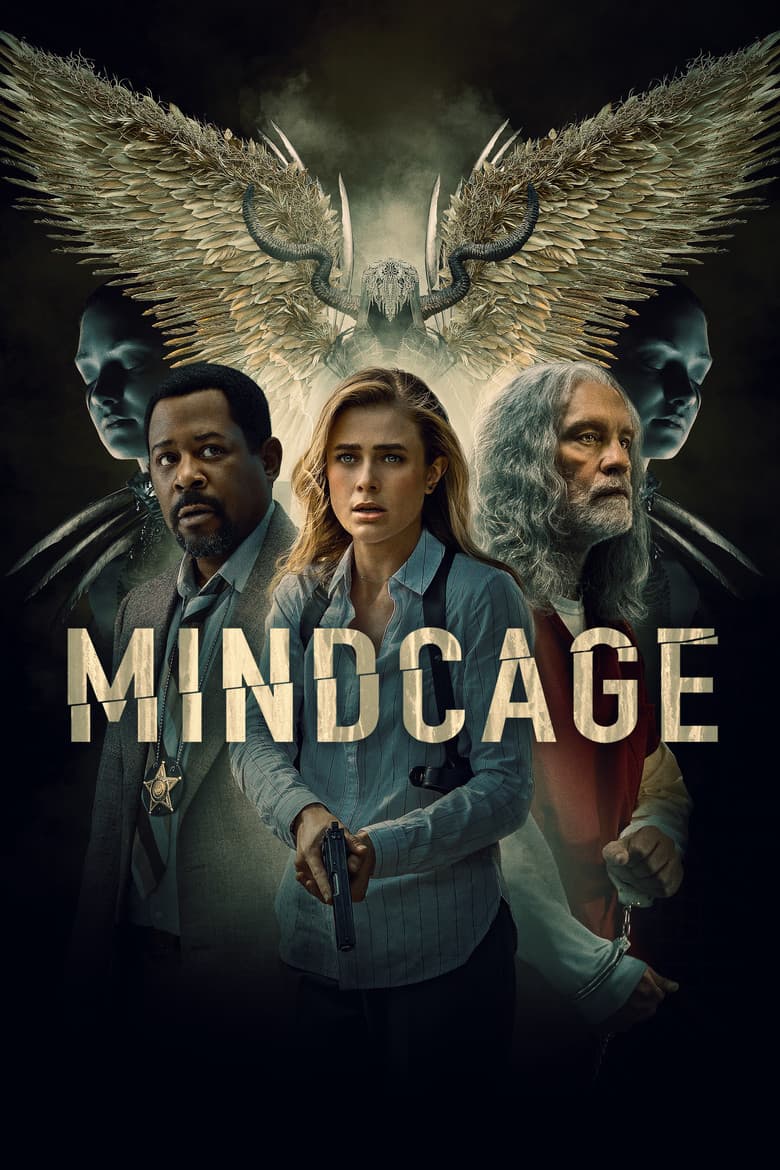
Movie · 2022
Detectives Jake Doyle and Mary Kelly seek the help of an incarcerated serial killer named The Artist when a copycat killer strikes.
Movie · 2023
Following the brutal murder of a young real estate agent, a hardened detective attempts to uncover the truth in a case where nothing is as it seems, and by doing so dismantles the…
Movie · 2022
West Point, New York, 1830. When a cadet at the burgeoning military academy is found hanged with his heart cut out, the top brass summons former New York City constable Augustus…
Movie · 2021
Aaron Falk returns to his drought-stricken hometown to attend a tragic funeral. But his return opens a decades-old wound - the unsolved death of a teenage girl.
Movie · 2017
A homicide detective teams up with a criminal profiler to catch a serial killer whose crimes are inspired by the children's game, Hangman.
