Movie review
December 30, 2021 · 83 min · PG · Kids · Fantasy · Animation · Adventure · Family
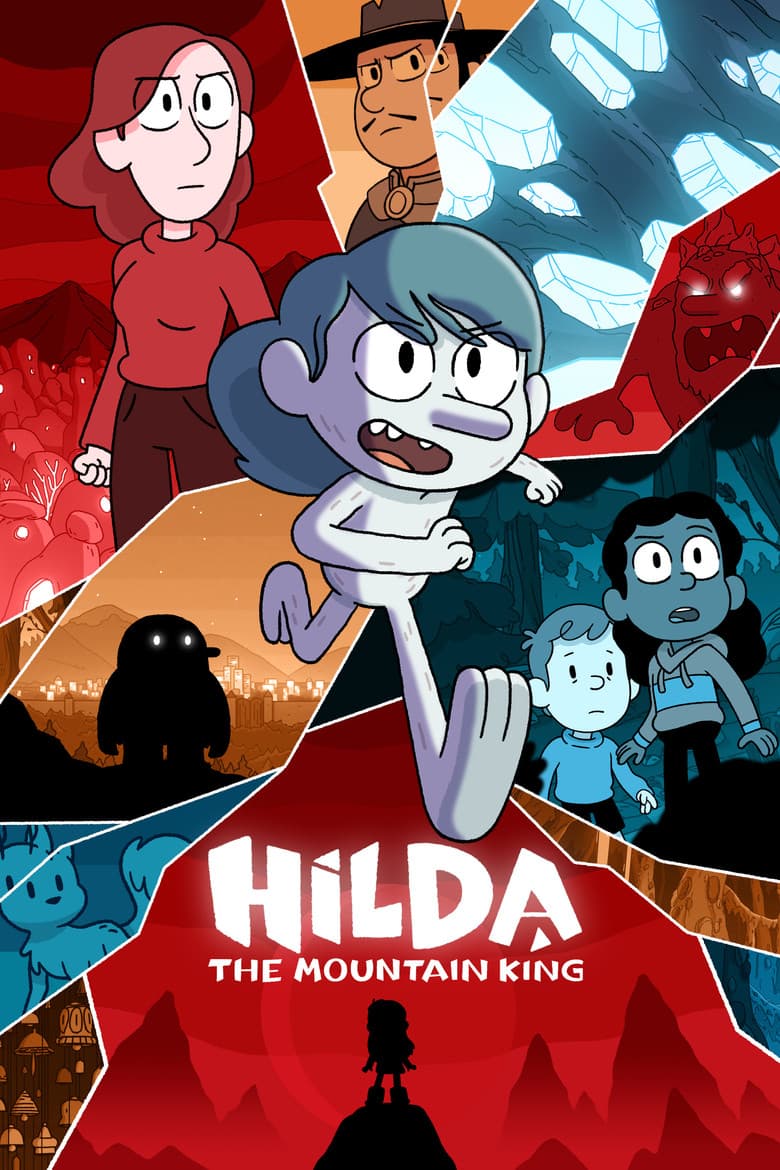
Hilda and the Mountain King follows Hilda, a brave child who wakes up as a stone troll after a spell swaps her with a troll baby. She wants to return to her mother Johanna and become human again, while the troll Trundle promises help for a price. The story moves between the caves and mountains outside the walled city of Trolberg and the nervous human town inside it. The tone is warm and funny, but it also becomes dark during the searches, battles, and threat of war.
The film makes fear of outsiders its clearest social message. The town teaches children that trolls are violent, while Hilda and Frida show that the claim is false and call for peace, communication, and an end to fear. The story presents the wall, the curfew, the safety patrol, and its cannon as tools that keep both groups apart. Hilda helps stop the battle, and the new chief lets the trolls enter the city once a year while the family story stays central.
Community feedback
Was our 45% Woke rating accurate?
Breakdown
These are the editorial factors and ratings behind our score for Hilda and the Mountain King.
Woke representation / casting
Netflix labels the film “Girl Power.” Hilda and Frida are the main children who challenge the town, and Gerda becomes the new safety chief. Frida is presented as a black girl, but her race is not part of the plot. The female-led pattern is visible, but it is not an overwhelming representation design.
16%
Woke political dialogue
Frida says the school video teaches lies about trolls. The children support peace and communication against misinformation and fear. Hilda says that fighting will continue forever and everyone will lose. The film repeats these ideas in a few key scenes, but it does not give a long modern political speech.
34%
Identity-driven story themes
The film makes the human-troll divide its main social conflict. Hilda lives in a troll body and learns that the town’s fear comes from false stories and long separation. The wall and the old settlement are shown as causes of the trolls’ loss of home and family contact. The ending opens the city to peaceful visits, so empathy and inclusion change the story’s outcome.
49%
Western institutional / cultural critique
The Safety Patrol spreads a scary school film, enforces a curfew, and uses bells and a cannon against trolls. Erik Ahlberg presents strong security plans even when he knows the force has only one vehicle. The children and Deputy Gerda challenge his fear-based approach and reject the order to fire. The ending replaces the old leader and opens the gates, giving the film a clear critique of propaganda, hard borders, and force.
44%
Woke character or canon changes
Not relevant. The film adds series friends and new scenes to the graphic novel adaptation. It does not make a reported race, gender, sexuality, or hero-role swap.
0%
Anti-woke backlash and complaints
Not present. The supplied X pass found no anti-woke reaction or specific complaints. Broader searches found fan debate and praise for anti-war themes, but no meaningful anti-woke backlash or review-bombing.
0%
Creator track record context
Andy Coyle has a cached score of 13/100 and no high-confidence record of political or DEI activism. Luke Pearson has a cached score of 16/100 and is linked to kind, questioning characters and peaceful coexistence, not a clear identity-politics campaign. Rachel Simon, Chantal Ling, and Steve Jacobson each have cached scores of 13/100. The creator signal is therefore low.
14%
Production
Movie · 2024
A boy with an active imagination faces his fears on an unforgettable journey through the night with his new friend: a giant, smiling creature named Dark.
Movie · 2017
Mary Smith, a young girl who lives with her great-aunt in the countryside, follows a mysterious cat into the nearby forest where she finds a strange flower and an old broom, none…
Movie · 2019
As Hiccup fulfills his dream of creating a peaceful dragon utopia, Toothless’ discovery of an untamed, elusive mate draws the Night Fury away.
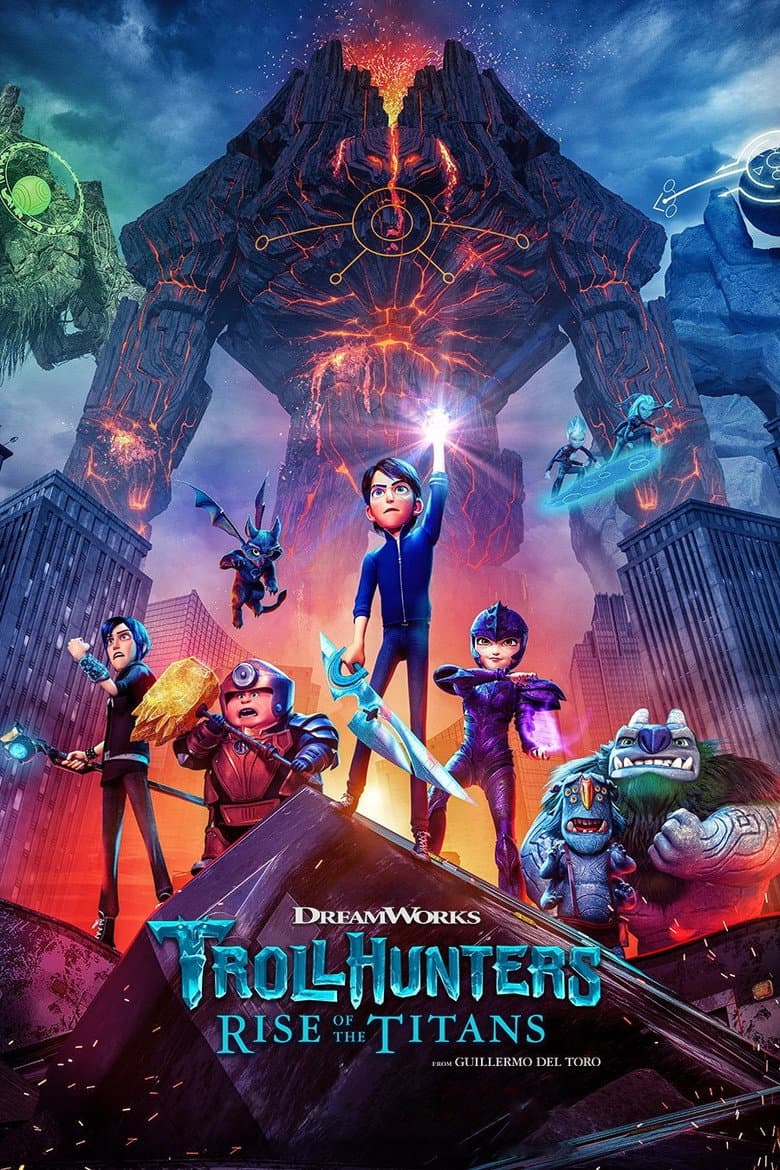
Movie · 2021
The Guardians of Arcadia reunite to battle the nefarious Arcane Order, who've reawakened the primordial Titans.

Movie · 2019
A young girl named June with a big imagination makes an incredible discovery -- the amusement park of her dreams has come to life.
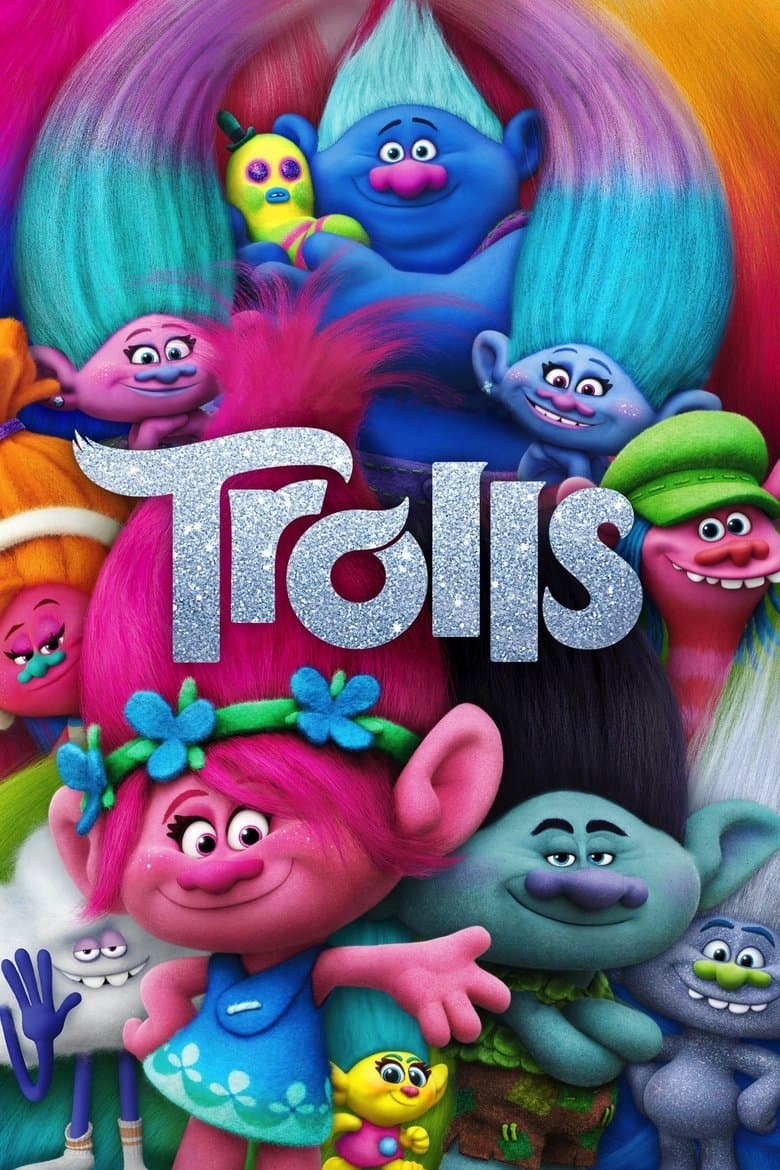
Movie · 2016
After the monstrous Bergens invade Troll Village, Princess Poppy, the happiest Troll ever born, and overly-cautious, curmudgeonly outcast Branch set off on a journey to rescue her…

Movie · 2016
For years, old wood carver Mr. Meacham has delighted local children with his tales of the fierce dragon that resides deep in the woods of the Pacific Northwest.
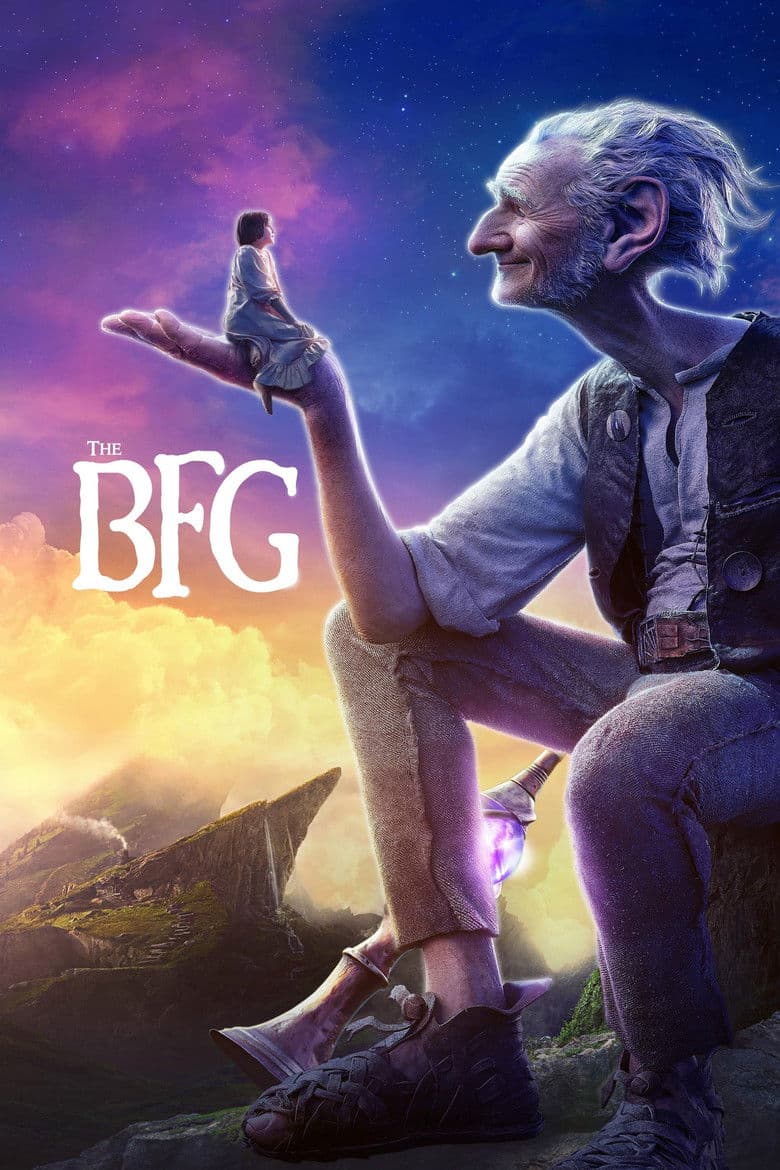
Movie · 2016
An orphan little girl befriends a benevolent giant who takes her to Giant Country, where they attempt to stop the man-eating giants that are invading the human world.
