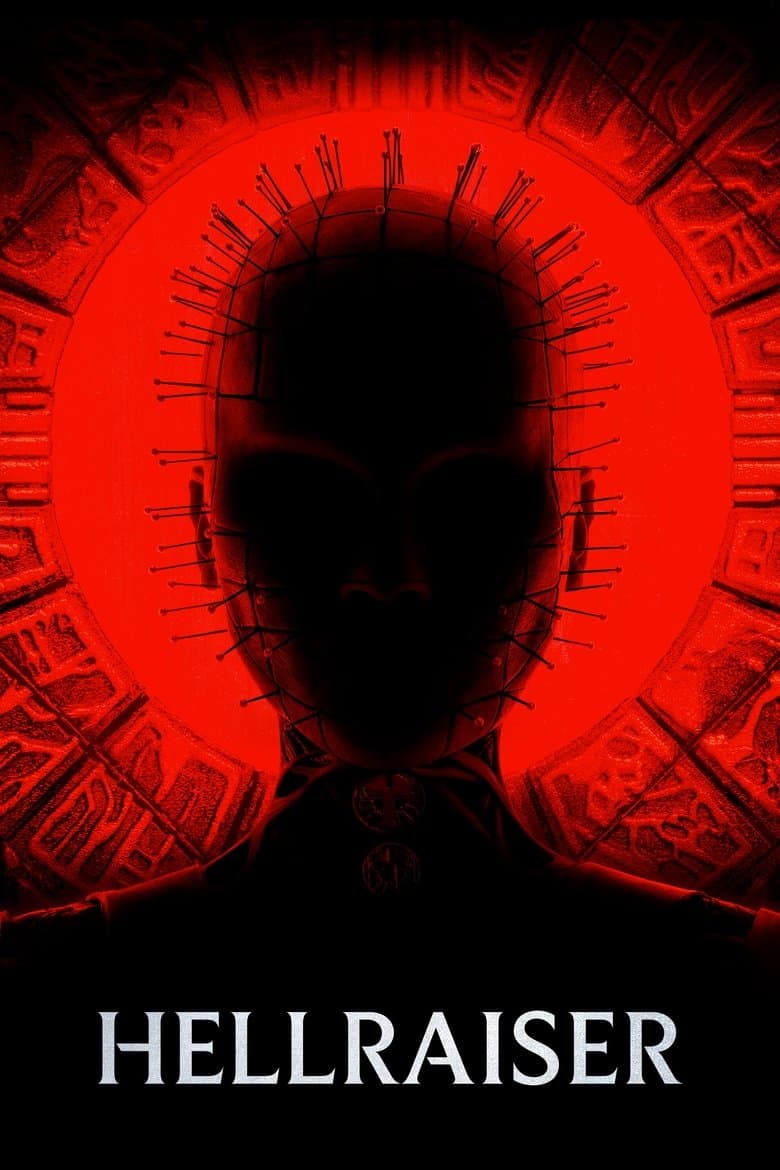
Riley is a young woman trying to stay sober after drug and alcohol addiction. She lives in a present-day city with her brother Matt, Matt’s boyfriend Colin, and their friend Nora. Riley and her new boyfriend Trevor steal an old puzzle box, and the box calls the Cenobites, who offer pain and pleasure while killing people caught in their games. Riley must face the box, the Cenobites, and the damage her choices have caused while she tries to save the people around her. The film uses a dark, bloody, and serious horror tone.
The film puts queer representation in visible roles through Matt and Colin’s relationship and through Jamie Clayton’s version of the Hell Priest. The couple stays part of Riley’s group, but their relationship does not drive the main plot. The Hell Priest is a powerful supernatural being, so the story does not turn the character’s identity into a speech about modern politics. The main themes are addiction, guilt, selfish desire, pain, and the price of trying to escape death. These themes shape Riley’s choices and the villain’s plan more than any social message.
Community feedback
Was our 46% Woke rating accurate?
Breakdown
These are the editorial factors and ratings behind our score for Hellraiser.
Woke representation / casting
The film gives a major role to Jamie Clayton, a trans woman, as the Hell Priest. The film also gives continuing roles to Brandon Flynn and Adam Faison as a gay couple. The director described the casting as open and said the team wanted to include everybody. The choice of a woman for the Hell Priest also matches the older book, which described the figure as not clearly male or female and with a feminine voice.
42%
Woke political dialogue
Not present. The characters do not give recurring speeches about elections, parties, activism, or identity politics. The dialogue mainly explains the box, addiction, desire, and survival.
0%
Identity-driven story themes
The film makes queer identity visible through Matt and Colin, who are a gay couple with a continuing place in Riley’s home and escape plan. The movie also centers a Hell Priest played by a trans woman, but it does not discuss modern trans issues or ask viewers to adopt a political view. The main story follows addiction, guilt, pain, pleasure, and the cost of selfish choices. The queer elements are recurring and easy to notice, but they remain a supporting part of the horror plot.
35%
Western institutional / cultural critique
Not present. Roland Voight is a rich man who uses others to chase endless life, but the film treats him as a personal horror villain rather than making a modern attack on capitalism, men, religion, or Western institutions. Riley’s family conflict also stays personal.
0%
Woke character or canon changes
The film changes the movie version of Pinhead by calling the figure the Hell Priest and casting Jamie Clayton, a trans woman, in the role. The director said the team wanted a woman, while the book described the figure as not clearly male or female and with a feminine voice. The film also adds an openly gay couple to the main group, making representation a visible part of the new version.
28%
Anti-woke backlash and complaints
Some fans called the film woke after Jamie Clayton was announced as the Hell Priest. The complaints focused on a trans woman and a woman taking over the role long played by Doug Bradley, and some posts also objected to the gay couple. Entertainment reports describe this reaction as online fan backlash, while wider reviews mostly argued about the story, gore, and use of Barker’s ideas.
25%
Creator track record context
Clive Barker has a cached Woke score of 54/100 and is known for openly gay, boundary-pushing horror. David Bruckner, Ben Collins, and Luke Piotrowski have cached scores of 2/100 and no known pattern of activist work. The other cached producers are mostly low-scoring commercial figures, so the creative record is mixed rather than strongly activist.
27%
Production

Movie · 2024
In 1980s Hollywood, adult film star and aspiring actress Maxine Minx finally gets her big break. But as a mysterious killer stalks the starlets of Hollywood, a trail of blood…

Movie · 2019
When a huge hurricane hits her hometown in Florida, Haley ignores evacuation orders to look for her father. After finding him badly wounded, both are trapped by the flood.

Movie · 2024
A group of criminals kidnap a teenage ballet dancer, the daughter of a notorious gang leader, in order to obtain a ransom of $50 million, but over time, they discover that she is…

Movie · 2022
Finney Blake, a shy but clever 13-year-old boy, is abducted by a sadistic killer and trapped in a soundproof basement where screaming is of little use.
Movie · 2021
The Blind Man has been hiding out for several years in an isolated cabin and has taken in and raised a young girl orphaned from a devastating house fire.

Movie · 2025
When Polly receives a mysterious box, it comes with one rule: place inside something she needs, something she hates, and something she loves.

Movie · 2024
Nothing is what it seems when a twisted one-night stand spirals into a serial killer’s vicious murder spree.
Movie · 2017
In a small town in Maine, seven children known as The Losers Club come face to face with life problems, bullies and a monster that takes the shape of a clown called Pennywise.
