Movie review
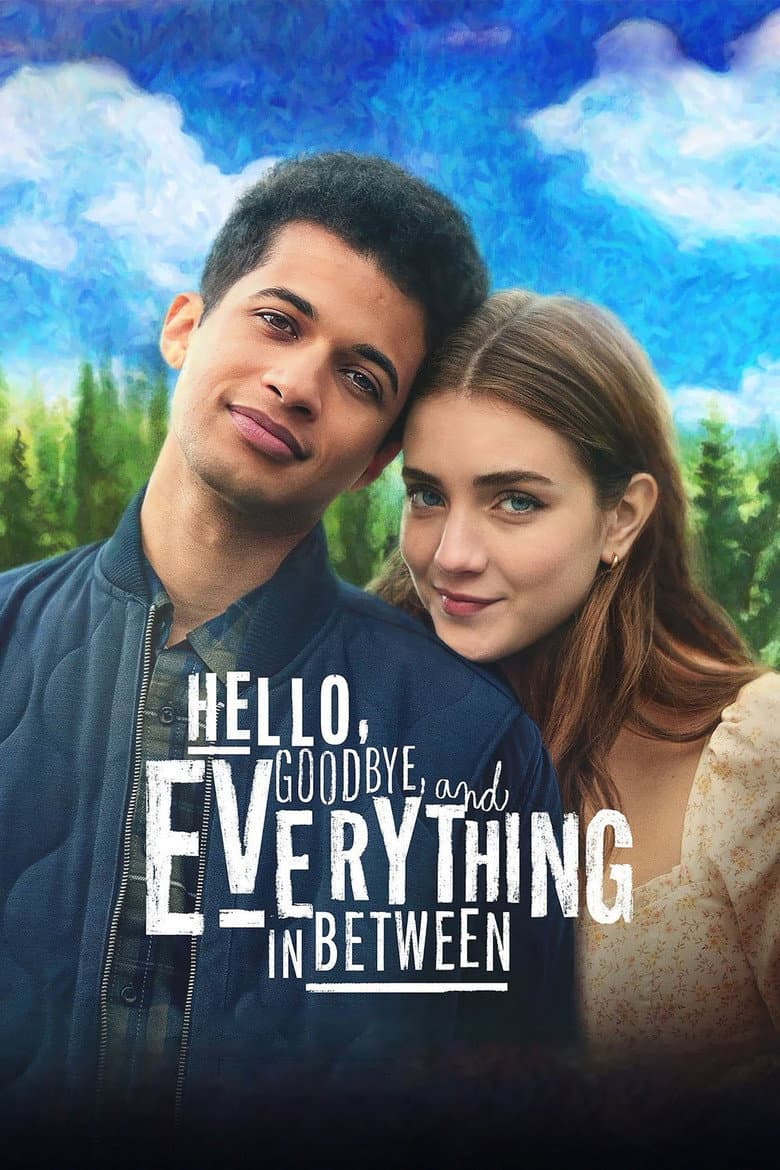
Clare is a high school senior in a West Coast town who plans to study political science at Dartmouth and become a lawyer. After her parents’ divorce makes her distrust lasting romance, she agrees to date Aidan until the end of summer and then break up before college. Aidan is a singer whose doctor parents expect him to enter medicine, so he must choose between a safe plan and his own dream. The movie follows their last day through old dates, parties, family talks, and a painful fight, with a glossy and gentle teen-romance tone.
The movie gives Clare a clear career goal and has her say that she wants to protect people, then compares her to Ruth Bader Ginsburg. Clare and Aidan are shown as an interracial couple, while their close friend Stella is a queer black girl who wants a relationship with Tess. Stella and Tess kiss during a party game, and Stella’s dating hopes return during the final date. These identity elements stay in side scenes, while the main story remains about young love, family breakups, college choices, and learning to accept change.
Community feedback
Was our 45% Woke rating accurate?
Breakdown
These are the editorial factors and ratings behind our score for Hello, Goodbye, and Everything in Between.
Woke representation / casting
The movie places a black male actor in the main romantic role opposite a White female lead. The four main teenagers also include a black queer girl and an Asian male friend. This creates a clear diversity pattern in the most visible young roles. The modern West Coast setting makes the choices believable, and the film does not present them as a diversity campaign.
39%
Woke political dialogue
Clare says she wants to become a lawyer and fight for people who need protection. Aidan compares her goal to the next Ruth Bader Ginsburg. These lines appear in one early conversation. The film does not return to a larger political speech.
27%
Identity-driven story themes
Stella is openly queer and has a small dating story with Tess. The film also treats Clare’s career plan as part of her personal identity and supports choosing one’s own future over family expectations. These ideas appear in side scenes and in the couple’s college conflict. The main arc still follows a breakup pact and young romance.
32%
Western institutional / cultural critique
Not present. The movie does not attack Western institutions or present traditional family life as an oppressive system. It treats divorce, parent pressure, and college choices as personal problems inside a romance.
0%
Woke character or canon changes
The film changes Stella’s love interest from Scotty in the novel to Tess. Stella is openly gay in the movie and kisses Tess at a party. This is a clear sexuality change to a source character. The change affects a small supporting subplot and not the main romance.
43%
Anti-woke backlash and complaints
Not present. No reliable anti-woke backlash was found in the reviewed coverage, audience discussion, or supplied X research. The available complaints focus on pacing, thin character writing, and glossy style.
0%
Creator track record context
Michael Lewen, Ben York Jones, and Jennifer E. Smith have mainly worked in mainstream romance, drama, and youth stories. Amy Reed has a past credit on a series with a Cuban-American lead and a gay coming-out plot. Jordan Fisher has spoken about diverse casting and representation and has worked on projects with LGBTQ themes. The wider team has no strong public activist record.
24%
Production

Movie · 2018
The coming-of-age tale of 16-year-old Lina Vilkas who is deported to Siberia amid Stalin's reign of terror in the Baltic region during WWII.

Movie · 2023
Hadley and Oliver begin falling in love on a flight from New York to London, but when they lose each other at customs, can they defy all odds to reunite?

Movie · 2023
Set in 1889 France, Dodin Bouffant is a chef living with his personal cook and lover Eugénie. They share a long history of gastronomy and love but Eugénie refuses to marry Dodin…

Movie · 2023
After decades apart, childhood friends Nora and Hae Sung are reunited in New York for one fateful weekend as they confront notions of destiny, love, and the choices that make a…

Movie · 2018
Katie, a 17-year-old, has been sheltered since childhood and confined to her house during the day by a rare disease that makes even the smallest amount of sunlight deadly.

Movie · 2022
Divorced couple Georgia and David find themselves on a shared mission: they team up and travel to Bali to stop their daughter Lily from making the same mistake they once made 25…

Movie · 2025
Heather is a young woman traveling Europe with friends before starting her perfectly planned life. A chance meeting with Jack sparks an unexpected romance that leads to deep…

Movie · 2025
Morgan Grant and her daughter Clara explore what's left behind after a devastating accident reveals a shocking betrayal and forces them to confront family secrets, redefine love…
