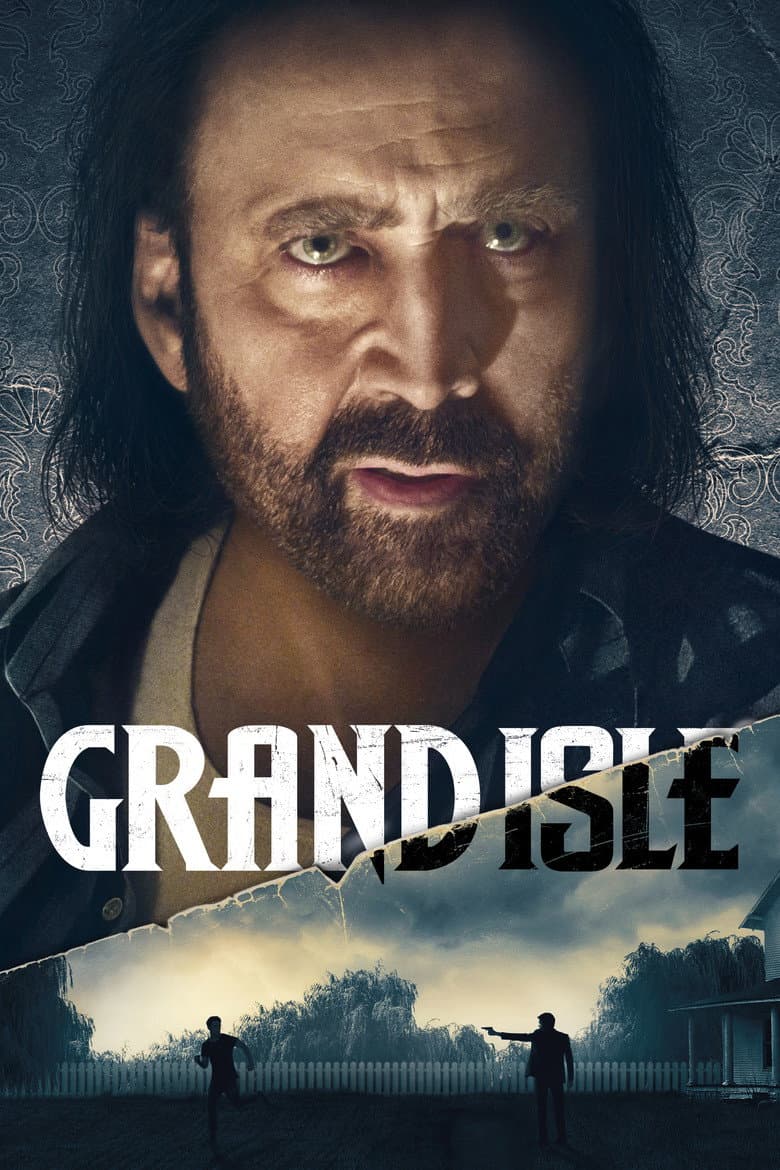
Grand Isle follows Buddy, a young father who takes a small repair job at a large Victorian house in coastal Louisiana. A hurricane traps him inside with Walter, a bitter Vietnam veteran, and Fancy, Walter’s unhappy wife. Fancy flirts with Buddy while Walter drinks, threatens him, and says that his wife is dying. After Buddy finds a hidden prisoner and wakes beside a dead body, he must tell Detective Jones what happened before the police blame him for murder. The movie uses a hot, stormy setting and a dark Southern thriller tone.
The story centers on abuse, sexual temptation, war trauma, guilt, and the damage caused by a violent marriage. Walter and Fancy hide a cruel plan that holds people captive and forces women to have children for them. Buddy’s struggle is personal because he must face his fear, his troubled marriage, and his shame over a wartime death. The movie also includes a speech against the military industry and poor treatment of veterans. The final act turns the hidden basement, a police search, and a hostage crisis into a fight for survival.
Community feedback
Was our 9% Woke rating accurate?
Breakdown
These are the editorial factors and ratings behind our score for Grand Isle.
Woke representation / casting
Not present. The film has a Latina police officer in a supporting role, but her identity is not part of the plot. The movie does not present its casting as a diversity message.
0%
Woke political dialogue
Walter gives one speech about the military-industrial complex and says veterans were treated badly after Vietnam. The speech is a mild left-leaning criticism of war and military power. The film does not tie that point to race, gender, sexuality, or modern identity politics. The idea stays in one scene and does not guide Buddy’s main fight.
15%
Identity-driven story themes
Not present. The story shows sexual manipulation, marriage trouble, abuse, and war guilt. The film uses these as parts of a crime plot, not as a modern identity or DEI message.
0%
Western institutional / cultural critique
Not present. Walter is violent and controlling, but the story treats him as an individual criminal rather than proof that all men or families are bad. The police expose the couple’s crimes. The film does not attack religion or ordinary family life.
0%
Woke character or canon changes
Not relevant. The movie is an original thriller with no established characters, source story, or historical figure to rewrite.
0%
Anti-woke backlash and complaints
Not present. The separate X research found no anti-woke reaction or specific complaints. Reviews and audience posts focus on plot quality, pacing, and Nicolas Cage’s acting.
0%
Creator track record context
Rich Ronat is linked to a consultancy that uses justice and equality language. That link is a mild social-consciousness signal, but it is not evidence of identity politics in this movie. The other stored creator notes show no strong activist pattern among the director, writers, or producers.
5%
Production
Movie · 2017
A former rodeo star, now a motel manager, meets a young man who is responsible for the violence that suddenly has seized his small town.
Movie · 2016
Irish Commandant Pat Quinlan leads a stand off with troops against French and Belgian Mercenaries in the Congo during the early 1960s.
Movie · 2021
A truffle hunter who lives alone in the Oregon wilderness must visit Portland to find the mysterious person who stole his beloved foraging pig.
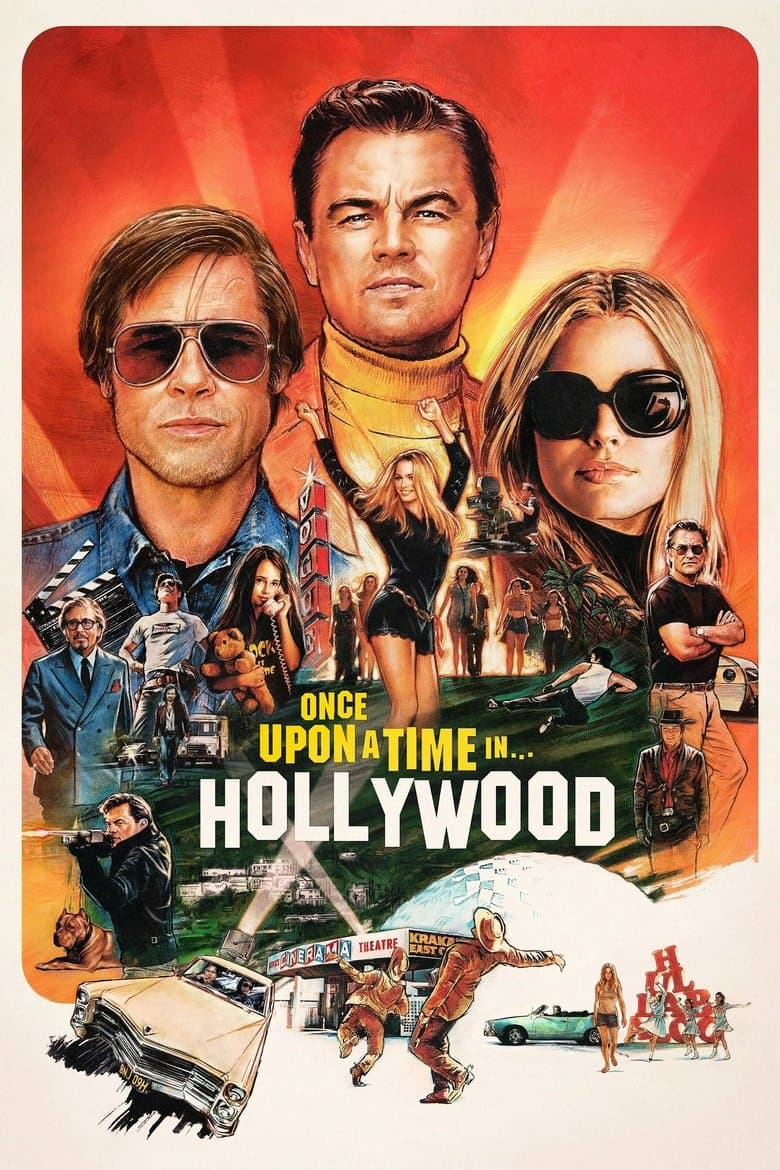
Movie · 2019
Los Angeles, 1969. TV star Rick Dalton, a struggling actor specializing in westerns, and stuntman Cliff Booth, his best friend, try to survive in a constantly changing movie…

Movie · 2022
After escaping a Michigan prison, a charming career criminal assumes a new identity in Canada and goes on to rob a record 59 banks and jewellery stores while being hunted by a…
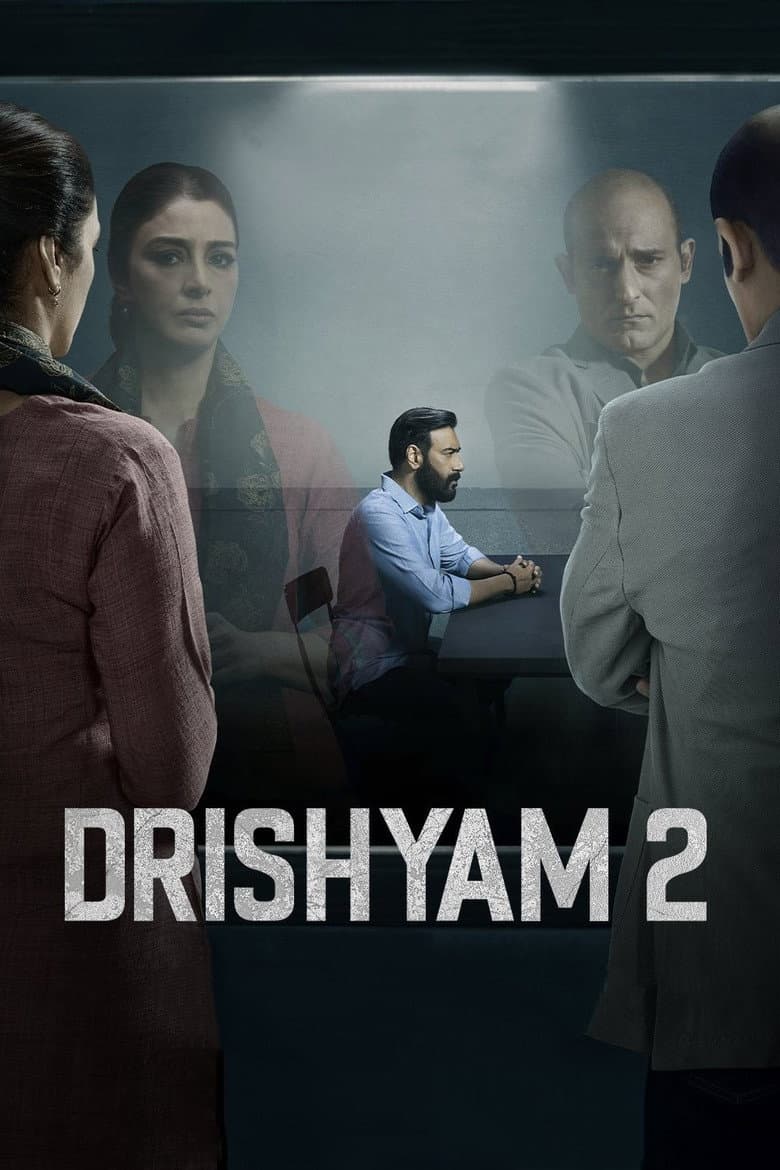
Movie · 2022
7 years after the case related to Vijay Salgaonkar and his family was closed, a series of unexpected events bring truth to light that threatens to change everything for the…

Movie · 2016
When Krisha returns to her estranged family for Thanksgiving dinner, past demons threaten to ruin the festivities.

Movie · 2020
2038: George Almore is working on a true human-equivalent AI, and his latest prototype is almost ready. This sensitive phase is also the riskiest as he has a goal that must be…
