
Marc is a London artist whose life breaks apart when his husband, Oliver, dies in a car crash after a Christmas party. A year later, a hidden letter sends Marc and his best friends Sophie and Thomas to an apartment in Paris. Marc learns that Oliver had kept a young lover and a second life there, so Marc must face anger as well as grief. The movie mixes sadness, dry jokes, stylish city scenes, and tense talks between close friends.
Gay love is part of the main plot, not a small side detail. Marc mourns his husband, talks about their open marriage, remembers dating Thomas, meets a new man named Theo, and faces Oliver's male lover. The story also treats close friends as chosen family, and its main group includes a black woman and a South Asian gay man. These choices stay important through the movie, but the main message is about honest grief, broken trust, and learning to care for others again.
Community feedback
Was our 72% Woke rating accurate?
Breakdown
These are the editorial factors and ratings behind our score for Good Grief.
Woke representation / casting
The story places gay men in most major male roles. Marc, Oliver, Thomas, Theo, and Luca all take part in same-sex love stories or past relationships. The three-person lead group also pairs a gay white man with a black woman and a South Asian gay man. The movie makes this broad queer and racial mix easy to see in a small circle of main characters.
75%
Woke political dialogue
One brief joke asks why straight people assume that gay friends will want to sleep together. The characters also speak openly about gay dating and an open marriage. The dialogue does not become a speech about politics, rights, or activism.
7%
Identity-driven story themes
Marc's marriage to Oliver drives the whole story. Marc also has a gay former boyfriend, a new male date, and a conflict with Oliver's male lover. The movie gives chosen family a major role in Marc's healing. Queer love and relationships remain central even though grief and broken trust are the main conflicts.
86%
Western institutional / cultural critique
The movie treats gay marriage and later same-sex dating as normal parts of adult life. Marc says that he accepted an open marriage out of fear, while the story avoids condemning open marriage itself. The story gives chosen friends the emotional place often given to family or romance. The movie does not directly attack traditional families, religion, or Western society.
29%
Woke character or canon changes
Not relevant. The movie tells an original story and does not change known characters, source material, or history.
0%
Anti-woke backlash and complaints
Not present. Focused searches found no meaningful anti-woke or right-leaning campaign against the movie. Public criticism focused on the writing, wealth, pacing, and character depth instead.
0%
Creator track record context
The cached score for writer Dan Levy is 31/100. The cached casting director score is 17/100, and producer scores range from 0 to 28. Levy's film interviews stress queer visibility and chosen family, which match the movie's content. The remaining cached crew context shows little activist history.
25%
Production
Movie · 2024
Emotions run high when three estranged sisters reunite in a cramped New York City apartment to watch over their ailing father during his final days.

Movie · 2023
Two mismatched entrepreneurs – egghead innovator Mike Lazaridis and cut-throat businessman Jim Balsillie – joined forces in an endeavour that was to become a worldwide hit in…
Movie · 2023
Single mom Flora is at a loss about what to do with her rebellious teenage son, Max. Her efforts to keep him out of trouble lead to a beat-up acoustic guitar, a washed-up LA…

Movie · 2017
An aspiring actor in Hollywood meets an enigmatic stranger by the name of Tommy Wiseau, the meeting leads the actor down a path nobody could have predicted; creating the worst…
Movie · 2016
Having suffered a tragedy, Ben becomes a caregiver to earn money. His first client, Trevor, is a hilarious 18-year-old with muscular dystrophy.
Movie · 2020
Scott has been a case of arrested development ever since his firefighter father died when he was seven. He's now reached his mid-20s having achieved little, chasing a dream of…
Movie · 2023
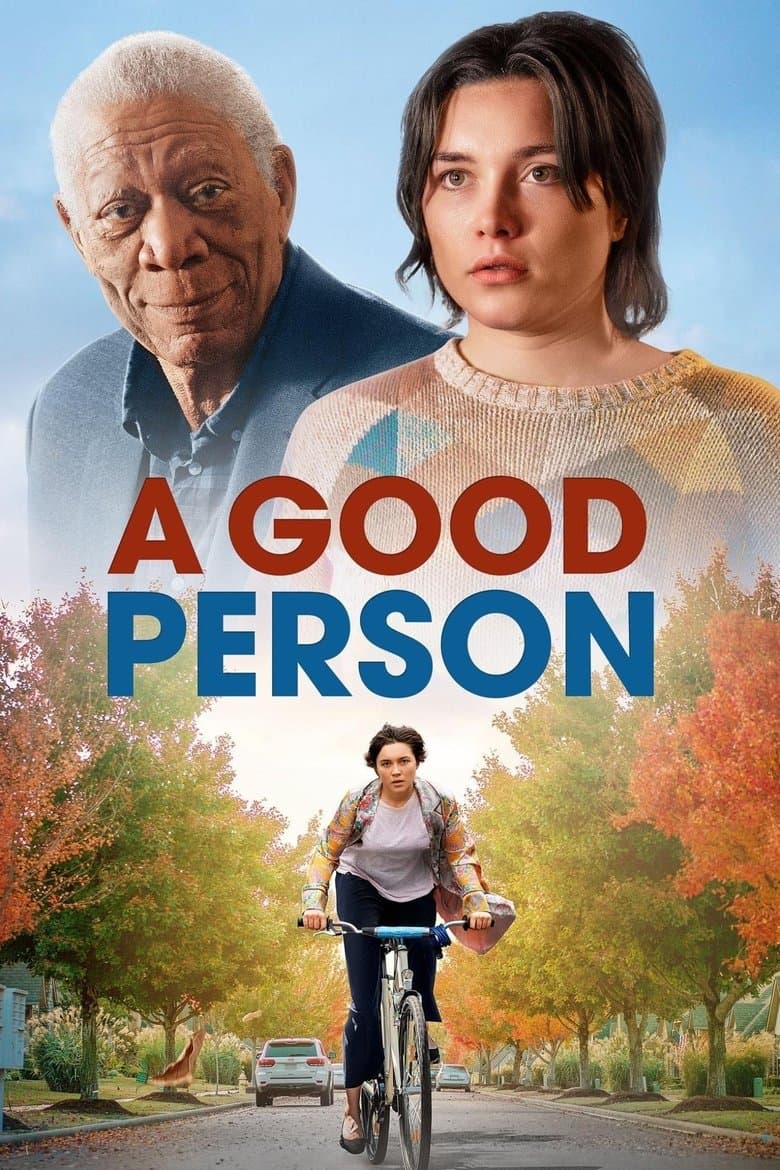
Allison's life falls apart following her involvement in a fatal accident. The unlikely relationship she forms with her would-be father-in-law helps her live a life worth living.
Movie · 2023
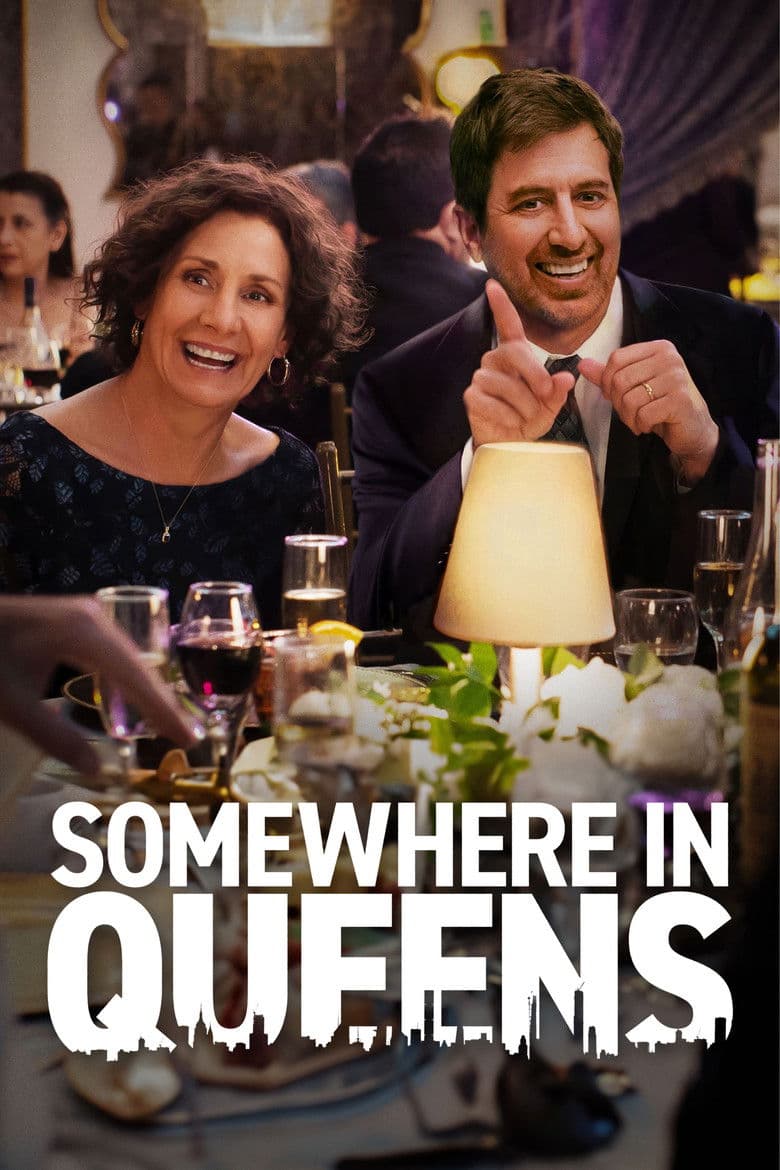
Leo and Angela Russo live a simple life in Queens, surrounded by their overbearing Italian-American family. When their son finds success on his high school basketball team, Leo…
