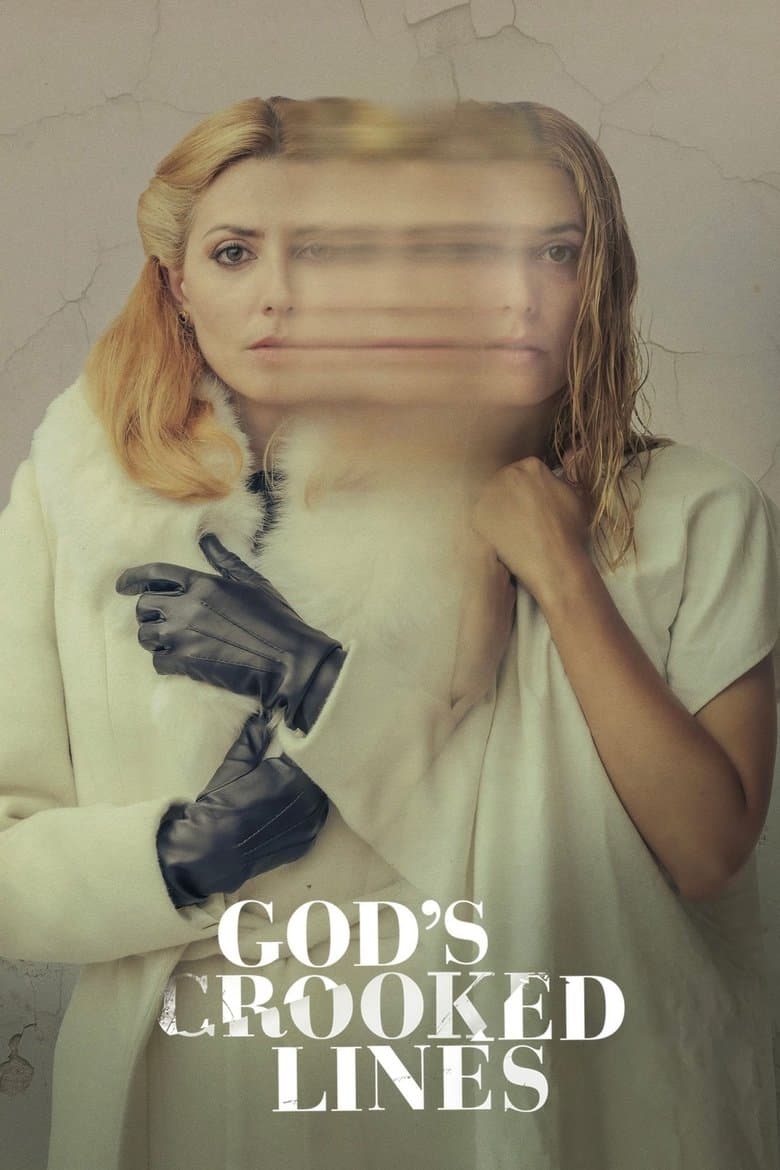
Alice Gould is a wealthy private investigator in Spain in 1979. She pretends to have paranoia so she can enter a psychiatric hospital and investigate the death of a patient. The doctors say that Alice is dangerous and that her husband had her locked away, while Alice says that a plan has trapped her inside. She must fight the hospital director, study the other patients, and decide which version of events is true. The film is dark, tense, and built around doubt, hidden motives, and repeated twists.
The film puts a highly intelligent woman at the center of a battle with male doctors, her husband, and the hospital's authority. Alice's skill at arguing, investigating, and taking control gives the story a clear message about female power. The film also shows patients being locked away, abused, restrained, and judged by an older medical system, while some doctors push for change. A short exchange attacks a philosopher for disrespecting women, but the film does not build a modern political speech around it. These ideas matter to the conflict, yet the main subject remains mental illness, truth, and the unstable line between sanity and madness.
Community feedback
Was our 39% Woke rating accurate?
Breakdown
These are the editorial factors and ratings behind our score for God's Crooked Lines.
Woke representation / casting
Not present. The cast presents Spanish characters in a 1979 Spanish hospital. Alice's female lead comes from the source story, and the other main roles fit the setting. No diversity-first or identity-mismatch casting pattern is confirmed.
0%
Woke political dialogue
Alice criticizes Schopenhauer for disrespecting women and treating them like animals. The line is a direct gender complaint, but it appears briefly during a test of her personality. The film has no repeated speech about modern identity politics, DEI, or activism.
22%
Identity-driven story themes
Alice is a highly intelligent woman who enters a hospital and repeatedly challenges male doctors. Her husband and the medical system can use the law to control her, so the story links female independence with the risk of being labeled mentally ill. Alice often outargues or outmaneuvers the men, although the ending keeps her claims uncertain. This gender and power conflict is central, but the film mainly asks whether she is sane and whether her story is true.
45%
Western institutional / cultural critique
The hospital shows patients being locked away, restrained, sedated, and judged by an old medical system. The film points toward newer care and more respect for patients. The criticism is tied to Spain in 1979 rather than a broad attack on modern Western culture. The story does not target capitalism, Christianity, or family life in general.
19%
Woke character or canon changes
Not relevant. The film changes the ending, shortens patient stories, and moves some events for suspense. Those are story and length changes, not identity changes. No established character or historical figure is given a woke race, gender, sexuality, or leadership swap.
0%
Anti-woke backlash and complaints
One Letterboxd user called the film a woke version of Shutter Island because of its focus on women. The remark had no sign of wider spread, organized action, or news coverage. The supplied X pass found no anti-woke complaints and found only a small right-leaning defense, which does not count as backlash.
5%
Creator track record context
Guillem Clua has a strong history of queer stories and identity-focused work. Oriol Paulo has spoken about gender equality and strong female leads. Lara Sendim has limited identity-focused context, while Torcuato Luca de Tena, Magda Gargallo, and most producers have little such history. The casting directors have some public support for wider racial and LGBTQ representation. This context adds a moderate signal, but the film itself is mainly a mystery about mental illness.
33%
Production
Movie · 2018
During a mysterious thunderstorm, Vera, a young mother, manages to save a life in danger, but her good deed causes a disturbing chain of unexpected consequences.
Movie · 2017
Barcelona, Spain. Adrián Doria, a young and successful businessman accused of murder, meets one night with Virginia Goodman, an expert interrogation lawyer, in order to devise a…
Movie · 2020
Nothing is as it seems when a woman experiencing misgivings about her new boyfriend joins him on a road trip to meet his parents at their remote farm.
Movie · 2017
Paul is a down-on-his-luck screenwriter who picks up a drifter and offers him a place to stay. However, when the deranged stranger takes Paul hostage and forces him to write…
Movie · 2018
After David Kim's 16-year-old daughter goes missing, a local investigation is opened and a detective is assigned to the case.
Movie · 2025
When intelligence agent Kathryn Woodhouse is suspected of betraying the nation, her husband – also a legendary agent – faces the ultimate test of whether to be loyal to his…
Movie · 2021
A truffle hunter who lives alone in the Oregon wilderness must visit Portland to find the mysterious person who stole his beloved foraging pig.

Movie · 2018
Looking to investigate recruitment techniques of ISIS to lure women into Syria, a journalist creates a Facebook profile of a Muslim convert.
