
Gloria Bell follows a divorced woman in her fifties who lives and works in Los Angeles. She holds an insurance office job, visits her adult children, and spends her nights dancing at clubs for older singles. She begins a romance with Arnold, a divorced former Marine who still lets his ex-wife and daughters control much of his life. Their relationship breaks down as Gloria faces loneliness, family change, poor choices, and failing eyesight. The film uses quiet humor, pop songs, sex, sadness, and sudden anger to show an ordinary woman trying to keep her joy.
The film gives most of its attention to a middle-aged woman’s private wants, including dating, sex, dancing, and the need to live beyond her role as a mother or former wife. Gloria is often more direct and emotionally steady than Arnold, while Arnold is shown as weak and trapped by his family. Gloria tells him that he has a right to his own life, and the story supports her demand for respect and freedom. These choices make female independence, older female sexuality, and resistance to family pressure the clearest identity-driven themes in the film.
Community feedback
Was our 54% Woke rating accurate?
Breakdown
These are the editorial factors and ratings behind our score for Gloria Bell.
Woke representation / casting
Julianne Moore leads as a white woman in her fifties, and the film gives her nearly every major scene. Gloria’s daughter, mother, and friend also have more story space than the men around them. Publicity and interviews frame this as a rare center-stage story for an older woman. The Los Angeles setting makes the casting believable, so the identity emphasis is present but not a diverse or quota-style ensemble.
24%
Woke political dialogue
Not present. The film has no speech or repeated lines about DEI, identity politics, or activism. Its conversations stay focused on love, age, family, work, and money.
0%
Identity-driven story themes
The story makes Gloria’s freedom, desire, and right to live as more than a mother its main concern. Gloria dates, has sex, dances, and makes her own choices after divorce without waiting for a man to complete her. The story often makes Arnold and other men seem weak, needy, or unable to act, while Gloria remains the person who moves the plot. The final dance treats her return to joy as a victory for her own identity, not as a reward for finding a lasting partner.
61%
Western institutional / cultural critique
The film treats Arnold’s dependence on his ex-wife and daughters as a serious block to adult love. Gloria tells him that he has a right to his own life, and the story supports her view. The conflict stays inside family and dating problems rather than attacking religion, capitalism, or a wider Western institution.
27%
Woke character or canon changes
Not relevant. The remake moves Gloria from Santiago to Los Angeles and gives her a different job and family setting. The change serves the new setting and does not turn an established character into a different race, gender, or sexuality.
0%
Anti-woke backlash and complaints
Not present. The separate X check found no anti-woke posts, boycott effort, or campaign. Broader reviews and audience pages discussed the romance, aging, sexuality, and remake choices, but no clear right-leaning complaint said the film pushes woke or DEI ideas.
0%
Creator track record context
Sebastián Lelio has a strong record of films about transgender identity, LGBTQ relationships, and women’s lives. Gonzalo Maza often writes about women and challenges to machismo. Julianne Moore and several producers have also backed projects about gender, queer identity, or difficult parts of history. This background matches Gloria Bell’s focus on a woman’s romantic and sexual freedom, so the creator context is a strong supporting signal.
64%
Production
Movie · 2016
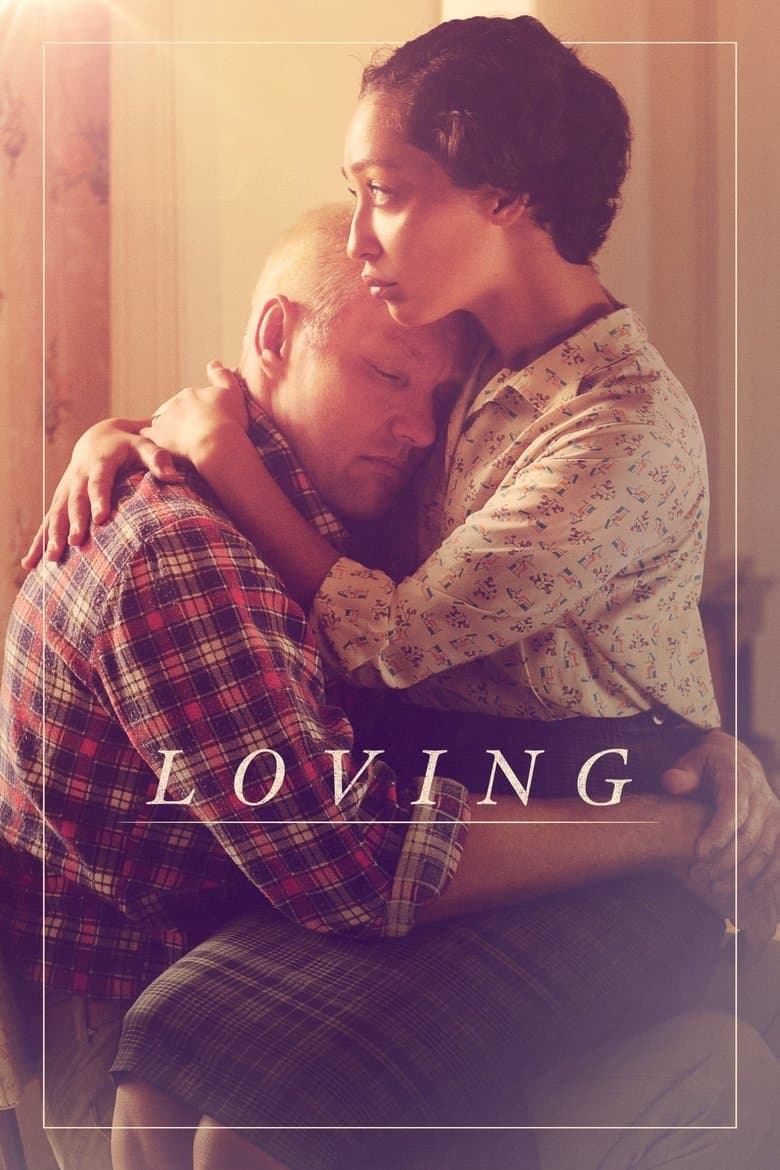
In 1958, in the state of Virginia, the idea of interracial marriage was not only considered to be immoral to many, it was also illegal.

Movie · 2020
When a young woman meets an aspiring saxophonist in her father’s record shop in 1950s Harlem, their love ignites a sweeping romance that transcends changing times, geography, and…

Movie · 2019
An extraordinary look at the lives of a middle-aged couple in the midst of the wife's breast cancer diagnosis.

Movie · 2020
A terminally ill teen upsets her parents when she falls in love with a small-time drug dealer.

Movie · 2017
Addie Moore and Louis Waters, a widow and widower, have lived next to each other for years. The pair have almost no relationship, but that all changes when Addie tries to make a…

Movie · 2018
The coming-of-age tale of 16-year-old Lina Vilkas who is deported to Siberia amid Stalin's reign of terror in the Baltic region during WWII.

Movie · 2016
Lou Clark, a directionless 26-year-old from the English countryside, takes a job at the local castle as a caregiver and companion to a wealthy young banker, Will Traynor.

Movie · 2025
18-year-old Noah moves from America to London, with her mother who's recently fallen in love with William, a wealthy British businessman.
