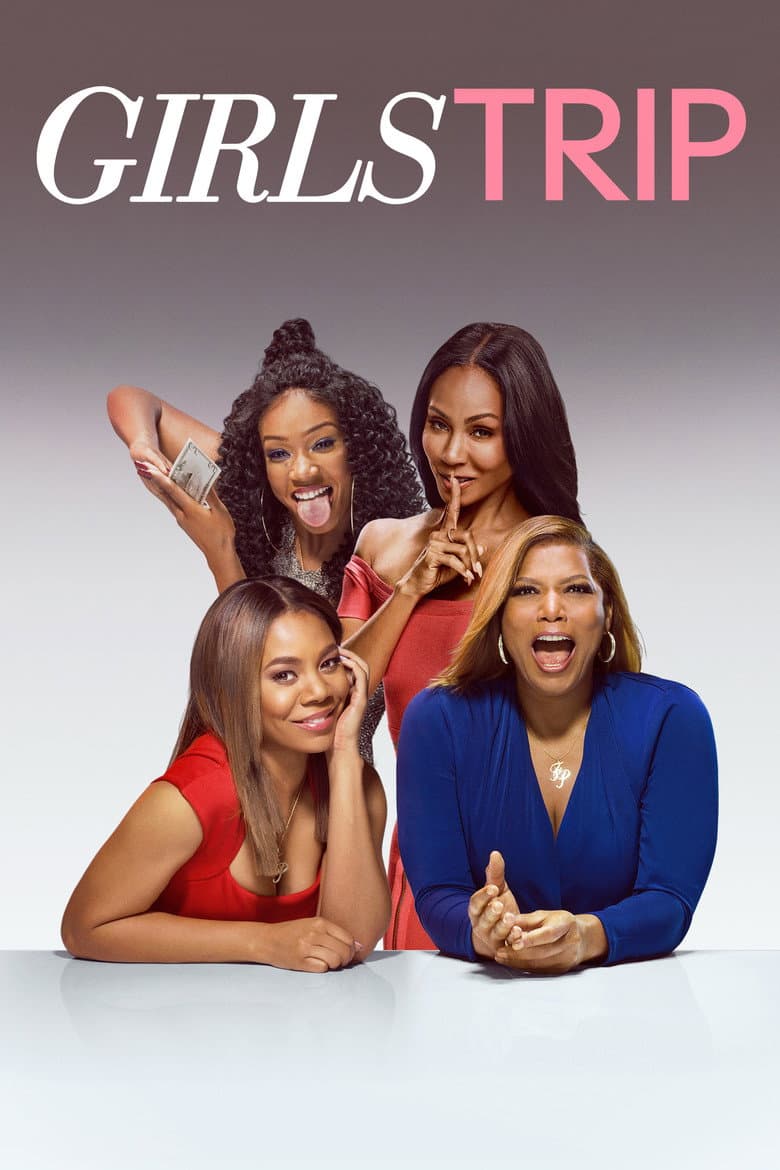
Ryan Pierce is a successful lifestyle writer who brings three old college friends to New Orleans for the Essence Festival. Sasha runs a struggling gossip website, Lisa is a divorced nurse and mother, and Dina is a reckless party lover. The women drink, argue, flirt, and cause trouble while Ryan tries to protect her public image and a troubled marriage. Their weekend becomes a loud, raunchy comedy about friendship, sex, betrayal, and starting over.
The film puts four black women at the center of a raunchy party comedy and treats their friendship as the main love story. The women are shown as different kinds of black women, from a careful mother to a rich public figure, a struggling writer, and a wild comic troublemaker. The story supports female sexual freedom and tells Ryan that staying in a bad marriage is worse than being alone. It mocks male pride and presents the women’s friendship, work, and self-respect as more lasting than marriage or a man’s approval. These ideas shape the whole movie, but the film uses jokes and personal drama instead of a detailed political argument.
Community feedback
Was our 70% Woke rating accurate?
Breakdown
These are the editorial factors and ratings behind our score for Girls Trip.
Woke representation / casting
The film gives all four main roles to black women and builds the cast around their shared black identity. The story places them at Essence, a festival centered on black culture. The casting is not accidental because the project was openly built as a party comedy about black women. The audience sees representation as a central part of the film’s identity.
68%
Woke political dialogue
The film includes repeated statements about women being told to choose between work and personal life. Ryan says women should not stay in bad relationships because they fear being alone. The final speech links female friendship with finding one’s voice and worth. The dialogue uses a modern empowerment message, but it does not present a wider political program.
26%
Identity-driven story themes
The story treats Black sisterhood as the main love story and gives the four friends separate lives and flaws. The women reject the idea that mothers, wives, or older women must stay quiet, proper, or sexually inactive. Lisa regains confidence, Sasha leaves a gossip business that harms people, and Ryan chooses her own future after her husband’s affair. The message that women should define themselves through friendship, pleasure, work, and self-respect runs through the main plot.
64%
Western institutional / cultural critique
The film opens by saying women are told to choose between work and personal life. Ryan’s polished marriage becomes a false public image after her husband cheats. The women often mock male pride and judge men through a female point of view. The film does not attack churches, government, capitalism, or Western culture, so its critique stays focused on relationships and gender roles.
34%
Woke character or canon changes
Not relevant. The film is an original story, not an adaptation of an established character or canon. No real historical figure or event is changed for identity or DEI reasons.
0%
Anti-woke backlash and complaints
A few online posts labeled the movie woke because it centers four black women and treats female friendship and self-respect as the main message. One review objected to its feminist claims and said the film gives women a pass while treating men as the problem. Mainstream coverage instead reported strong reviews and a high audience grade. The anti-woke reaction appears isolated and mixed.
9%
Creator track record context
The writers and producer have a record of black-centered or representation-focused work. Kenya Barris often uses race and social issues in progressive stories. Tracy Oliver centers black women and supports diverse writers’ rooms. Erica Rivinoja has favored better representation in casting. Malcolm D. Lee and Will Packer often promote positive black representation.
52%
Production
Movie · 2020
An on-the-lam punk rocker and a young woman obsessed with a local band go on an unexpected and epic journey together through the decaying suburbs of the American Midwest.
Movie · 2022
Two strangers believe in love but never seem to be able to find its true meaning. In a wild twist of events, fate puts each in the other's path on one stormy New Year's Eve.
Movie · 2023
Two twenty-somethings, both reeling from bad break-ups, connect over the course of an eventful day in South London – helping each other deal with their nightmare exes, and…

Movie · 2018
Titu is going to marry a perfect woman named Sweety. Titu's best-friend Sonu doubts Sweety's character and tries to break the marriage while Sweety tries to do opposite and which…
Movie · 2018
When teenager Elle's first kiss leads to a forbidden romance with the hottest boy in high school, she risks her relationship with her best friend.
Movie · 2026
A happily engaged couple is put to the test when an unexpected turn sends their wedding week off the rails.

Movie · 2023
After a disastrous first date, wild-child Nicole and socially-anxious Max vow to lose each other’s numbers until they learn that their dogs found a love match, and now puppies are…

Movie · 2016
A week in the life of Paterson, a poet bus driver, and his wife Laura, a very creative artist, who live in Paterson, New Jersey, hometown of many famous poets and artists.
