
Frances Price is a 60-year-old Manhattan socialite who has spent nearly all of her late husband's inheritance. She takes her directionless adult son Malcolm and their black cat, Small Frank, to Paris after the money runs out. Frances plans to stay in a borrowed apartment and die before she loses the last of her dignity. The strange trip mixes dry jokes, family pain, death, drinking, and a possible ghost living inside the cat.
The story centers on the damaged bond between a controlling mother and the son she sent away as a child. Malcolm wants a normal adult life with his fiancée Susan, but he still waits for Frances to approve of his choices. Frances meets a medium, a private detective, and lonely people who enter the Paris apartment as her plan falls apart. The film treats wealth, selfishness, grief, suicide, and family duty as sad and strange parts of one broken family, while its dark humor keeps the mood cold and uneasy.
Community feedback
Was our 5% Woke rating accurate?
Breakdown
These are the editorial factors and ratings behind our score for French Exit.
Woke representation / casting
Not present. The main cast presents a wealthy New York mother and son, a medium, friends, and a private detective. The film does not frame its casting as a diversity or identity statement.
0%
Woke political dialogue
Not present. Characters talk about money, death, family, grief, and social manners. The film has no repeated speeches about DEI, identity politics, or activist causes.
0%
Identity-driven story themes
Not present. The story focuses on a mother and son, inherited wealth, grief, suicide, and a possible ghost in a cat. It does not build its main conflict around race, gender, sexuality, or modern identity politics.
0%
Western institutional / cultural critique
Not present. The film mocks wealthy social life and shows a strained family bond. It does not make a repeated modern attack on Christianity, men, family life, capitalism, or Western institutions.
0%
Woke character or canon changes
Not relevant. The film adapts Patrick deWitt's novel. No race, gender, or identity change to a known character or real person drives the story.
0%
Anti-woke backlash and complaints
A German user review called the cast “woke” and said it made the film worse. The comment was a single low-rated review, not a boycott or broad campaign. The supplied X research found no anti-woke reaction.
5%
Creator track record context
Azazel Jacobs has a modest woke track record and often centers women’s relationships. Patrick DeWitt has described himself as nonpolitical and focuses on character stories. A few producers have supported women’s training or social issue films, but no strong activist pattern connects the group to this movie.
18%
Production

Movie · 2024
Emotions run high when three estranged sisters reunite in a cramped New York City apartment to watch over their ailing father during his final days.

Movie · 2018
In 1990s Los Angeles, a 13-year-old spends his summer navigating between a troubled home life and a crew of new friends he meets at a skate shop.

Movie · 2018
Vignettes weaving together the stories of six individuals in the old West at the end of the Civil War. Following the tales of a sharp-shooting songster, a wannabe bank robber, two…

Movie · 2024
Pansy is a woman so full of rage that every interaction she has devolves into lashing out, whether at her utterly cowed husband and son, or random strangers who have the temerity…

Movie · 2019
A young Scottish singer, Rose-Lynn Harlan, dreams of making it as a country artist in Nashville after being released from prison.
Movie · 2023
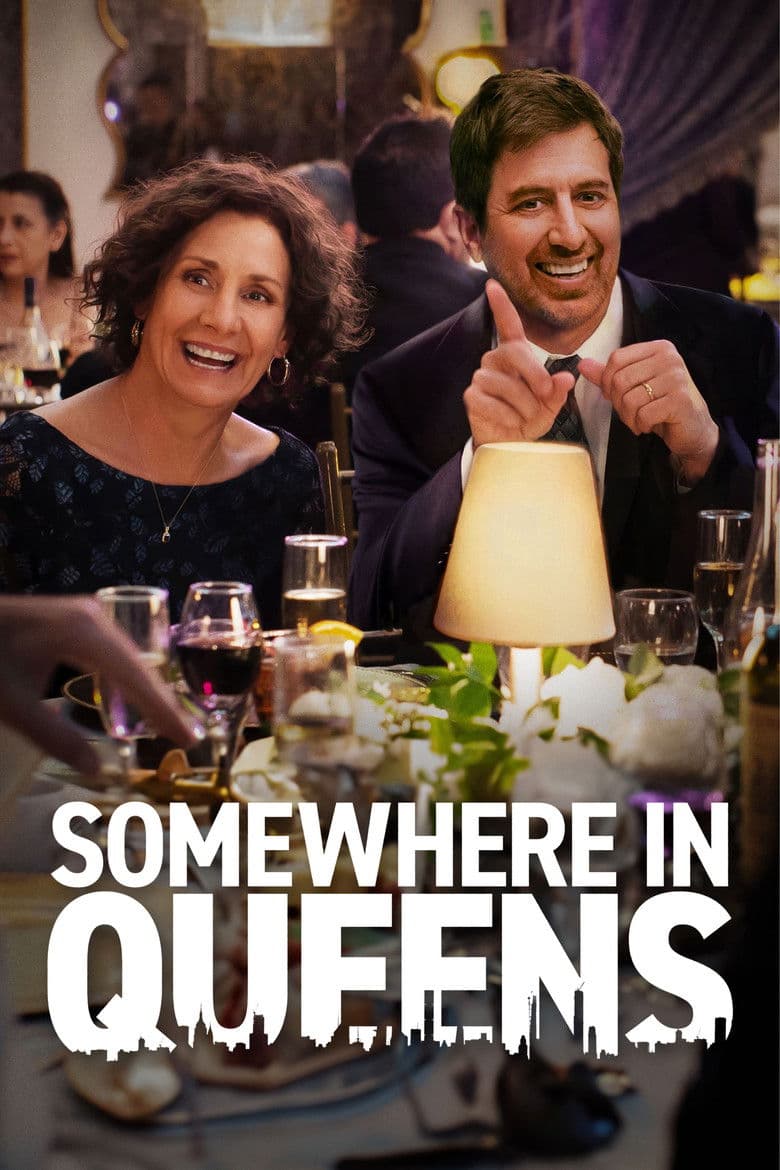
Leo and Angela Russo live a simple life in Queens, surrounded by their overbearing Italian-American family. When their son finds success on his high school basketball team, Leo…

Movie · 2017
When dictator Joseph Stalin dies, his parasitic cronies square off in a frantic power struggle to become the next Soviet leader.

Movie · 2019
The story of Mötley Crüe and their rise from the Sunset Strip club scene of the early 1980s to superstardom.
