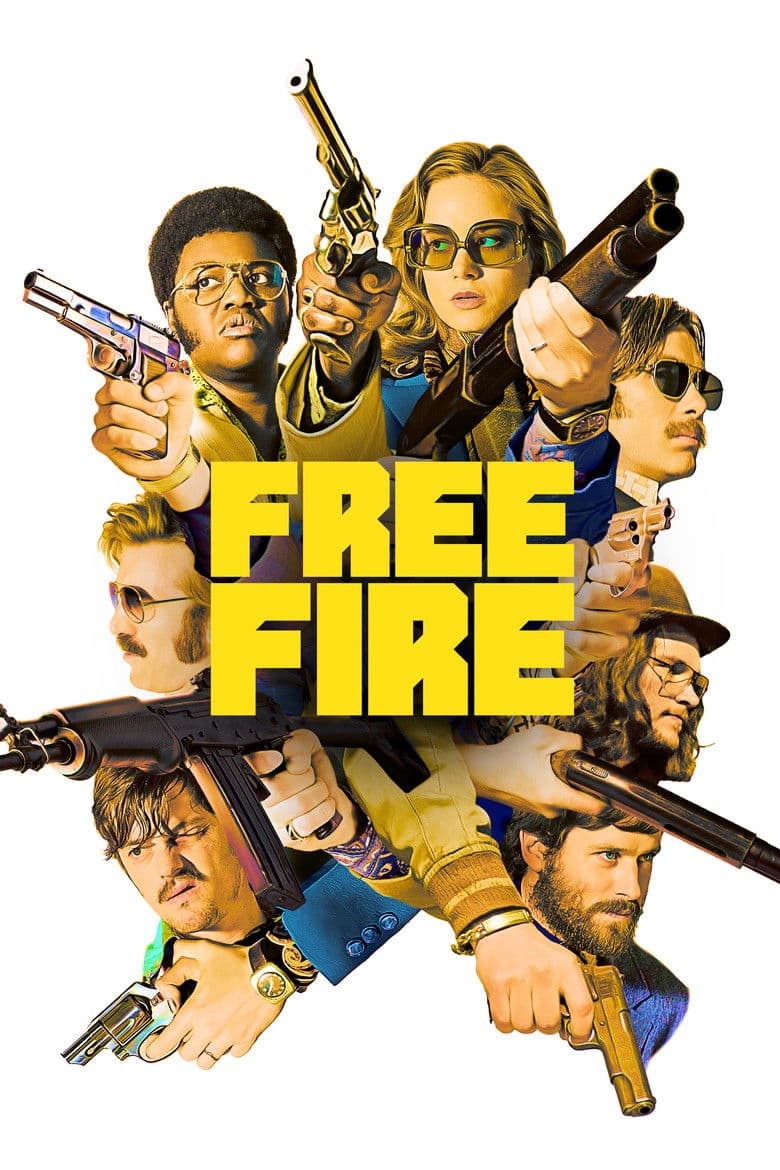
Justine arranges a gun deal between Irish Republican Army buyers and arms sellers in a deserted Boston warehouse in 1978. A personal grudge breaks the meeting apart and starts a long gun battle. The criminals hide behind crates, shoot at each other, and try to survive while the deal collapses. Dark jokes, bloody violence, and chaotic action shape the film. The story draws partly from an FBI report about a chaotic Miami shootout.
The film places Justine as the only woman among many reckless armed men. Justine stays calm and useful while the men show childish anger and make poor choices. The story makes guns look painful, foolish, and destructive, which supports a mild anti-gun message. The film shows this idea through the violent action more than through spoken politics. These themes remain secondary to the main joke about criminals destroying themselves, and the film does not build its story around identity or diversity.
Community feedback
Was our 22% Woke rating accurate?
Breakdown
These are the editorial factors and ratings behind our score for Free Fire.
Woke representation / casting
The main group includes Justine as one woman among many armed men. Justine brokers the deal and stays calm during the fight. The film gives her a visible role in a male action setting. The story does not make her an unbeatable leader or center itself on diversity.
10%
Woke political dialogue
The film does not include speeches about party politics or identity. The gun battle shows weapons as painful, foolish, and destructive. The action creates a mild anti-gun message. The film shows this idea more than the characters speak about it.
12%
Identity-driven story themes
Justine stays calmer and more focused than the men around her. The men act like reckless adults who turn a deal into a fight. Justine tries to control the meeting while the men harm themselves. The story creates a recurring but mild contrast between the woman and the men.
24%
Western institutional / cultural critique
The story mildly mocks male anger by showing armed men as vain, foolish, and unable to control themselves. The warehouse fight works mainly as a crime joke and survival scene. The film does not attack religion, family life, capitalism, or another Western institution. The wider cultural criticism remains weak.
10%
Woke character or canon changes
Not relevant. Free Fire is an original crime story inspired partly by a real FBI report. The film does not change established characters, canon, or historical figures.
0%
Anti-woke backlash and complaints
Not present. The separate X research found no anti-woke reaction. Wider coverage found no strong complaints that the film promotes woke ideas or identity politics.
0%
Creator track record context
Ben Wheatley and Amy Jump have recorded scores of 8/100 each and no clear activist profile. Their work mainly covers violence, class tension, masculinity, and troubled people. Shaheen Baig has a higher recorded score because of her inclusive casting work. Scorsese and Starke have low recorded scores, so the wider team provides only mild context.
18%
Production
Movie · 2020
Kyle and Swin live by the orders of an Arkansas-based drug kingpin named Frog, whom they've never met. But when a deal goes horribly wrong, the consequences are deadly.
Movie · 2021
Following a brutal series of murders taking place on Halloween, Thanksgiving, and Christmas, Gotham City's young vigilante known as the Batman sets out to pursue the mysterious…
Movie · 2019
A mysterious new villain known only as Hush uses a gallery of villains to destroy Batman's crime-fighting career as well as Bruce Wayne's personal life, which has been further…
Movie · 2019
JJ, aka John Shaft Jr., may be a cyber security expert with a degree from MIT, but to uncover the truth behind his best friend’s untimely death, he needs an education only his dad…
Movie · 2023
After a pawn shop robbery goes askew, two criminals take refuge at a remote farmhouse to try to let the heat die down, but find something much more menacing.
Movie · 2018
Max and Annie's weekly game night gets kicked up a notch when Max's brother Brooks arranges a murder mystery party -- complete with fake thugs and federal agents.
Movie · 2024
An aging ex-boxer gangster working as muscle for a Boston crime boss receives an upsetting diagnosis. Despite a faltering memory, he attempts to rectify the sins of his past and…
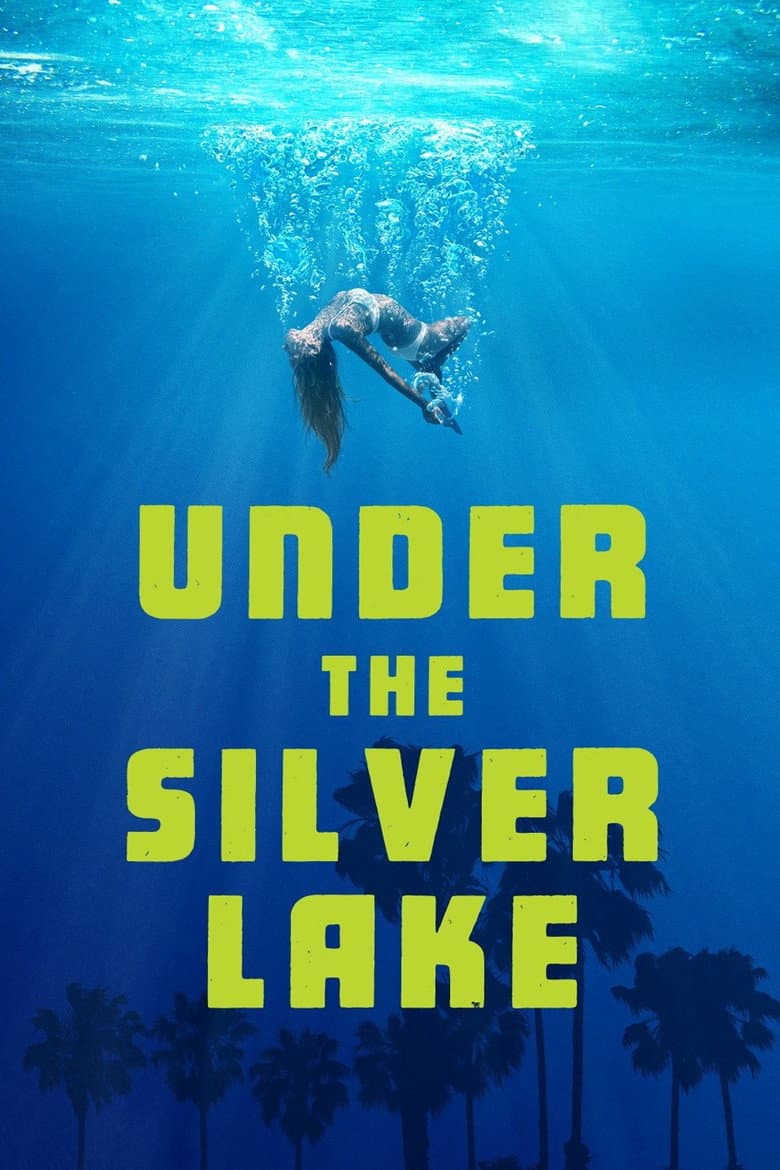
Movie · 2018
Young and disenchanted Sam meets a mysterious and beautiful woman who's swimming in his building's pool one night.
