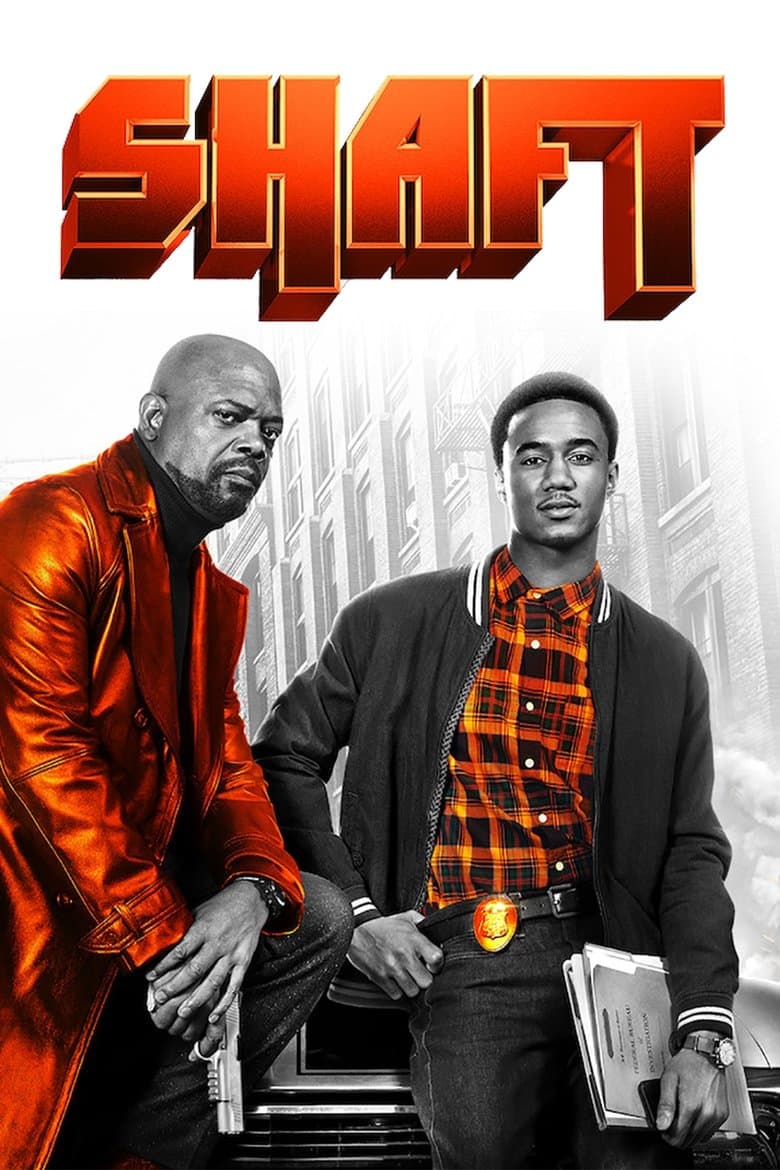
The 2019 Shaft is an action comedy that follows JJ, a reserved FBI data analyst and MIT graduate, as he teams with his estranged father John Shaft and grandfather to investigate his best friend’s suspicious death linked to a Harlem drug ring. The story blends crime-solving with father-son bonding and centers much of its comedy and arc on the clash between the son’s cautious, rule-following, gun-hating lifestyle and his father’s crude, violent, womanizing approach to manhood and justice. Co-writer Kenya Barris has discussed preserving the original character’s unapologetic traits, including misogyny, while exploring generational black male archetypes and the idea that black people are not monolithic.
Community feedback
Was our 9% Woke rating accurate?
Breakdown
These are the editorial factors and ratings behind our score for Shaft.
Woke representation / casting
The film uses a predominantly black cast in lead roles that aligns with the original blaxploitation franchise and Harlem setting. The son is a competent, educated FBI analyst, and the love interest is a doctor, but these fit story logic rather than appearing as audience-visible identity signaling or quotas. The father mocks the son for “acting white” or not keeping it real due to suburbs and desk work. No prominent race or gender swaps from source material.
5%
Woke political dialogue
Dialogue centers on crude generational banter, jabs at “soft” modern traits, and the father’s unfiltered observations. There are no explicit activist lectures, systemic identity critiques, or DEI-style messaging. A mosque subplot serves plot convenience with minimal ideological framing.
0%
Identity-driven story themes
The core comedy and emotional arc contrast three generations of black men and definitions of manhood, with the “millennial” son learning toughness from his father and grandfather. Barris described wanting to depict varied black male archetypes and that black people are not monolithic. The family reconciliation drives the narrative alongside the crime story.
0%
Western institutional / cultural critique
Classic private-eye resistance to bureaucracy appears, along with a minor mosque donation subplot some critics called insensitive and nods to veteran struggles. There is no sustained modern activist framing of patriarchy, capitalism, whiteness, or institutions as the problem. The story emphasizes personal agency and family bonds over broader social critique.
6%
Woke character or canon changes
The update adds a son character and shifts to multi-generational buddy comedy while writers intentionally kept the original’s hyper-masculine, womanizing traits as the “pure version.” Family relations receive standard retcons for story purposes with no identity-driven or representation-first motivation.
0%
Anti-woke backlash and complaints
Some audience posts and reviews praised the politically incorrect humor and criticism of millennial “softness” or “woke” culture as refreshing or deliberately anti-woke. Prominent criticism came from the other side, with left-leaning critics calling the film regressive and toxic. There is little evidence of widespread right-leaning complaints accusing it of pushing woke or DEI content.
0%
Creator track record context
Kenya Barris (co-writer) has a clear pattern from black-ish of progressive race and social-issue comedy. His comments here emphasized diverse black archetypes while preserving unapologetic traits. Alex Barnow has a mainstream sitcom background with no activist signals. Tim Story focuses on commercial black-cast comedies and has discussed generational black manhood without strong activist framing. Cached low scores for John Davis (9/100) and Tara Feldstein Bennett (9/100) align with mainstream profiles. Ernest Tidyman created the original black hero in an earlier era without modern identity politics. Barris’s involvement raises the score, though the film’s execution leans classic rather than activist.
25%
Production
Movie · 2022
The Accident Man is back, and this time he must best the top assassins in the world to protect the ungrateful son of a mafia boss, save the life of his only friend and rekindle…
Movie · 2023
When Ashley and her young daughter Sarah get caught up in a criminal enterprise that puts their lives at risk, she turns to the only person who can help: her estranged father…

Movie · 2025
Kat is an improv comedy teacher beginning to question if she’s missed her shot at success. When an undercover cop offers her the role of a lifetime, she recruits two of her…
Movie · 2018
Mermer family, who has been managing a restaurant called “Anatolian flavors” in Haydarpasa train station for generations, consist of 8 members.
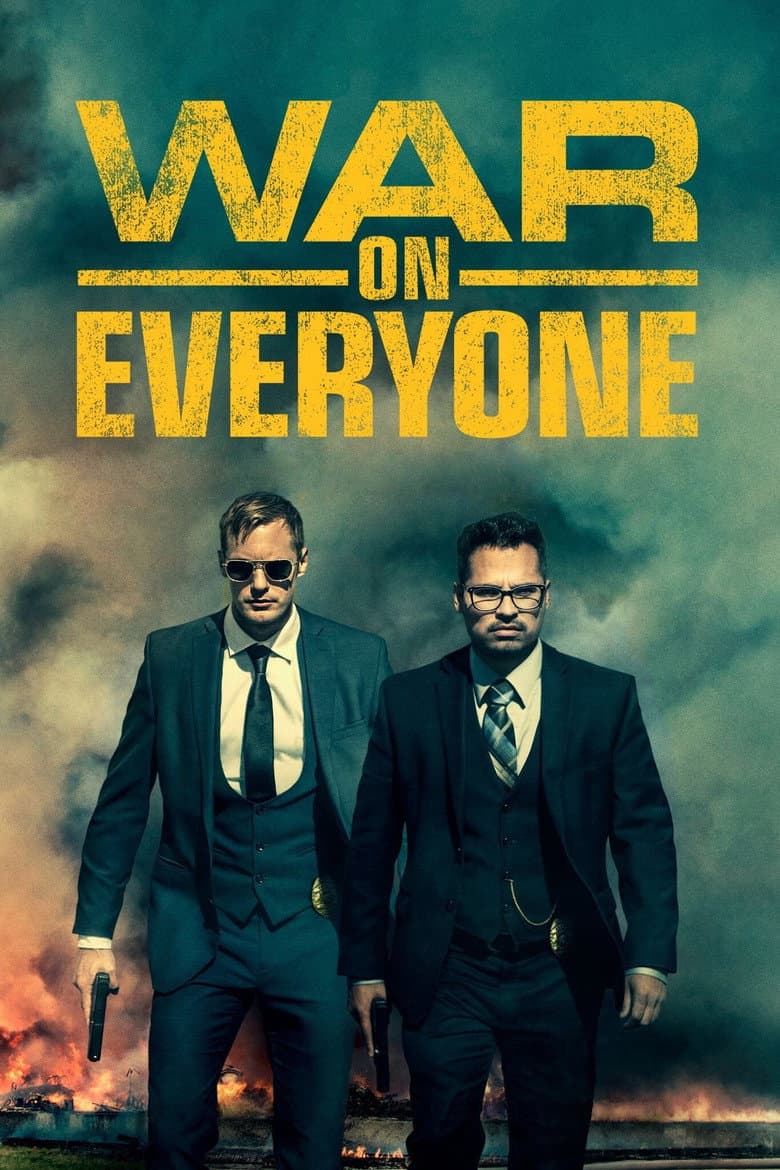
Movie · 2016
Two corrupt cops in New Mexico set out to blackmail and frame every criminal unfortunate enough to cross their path.
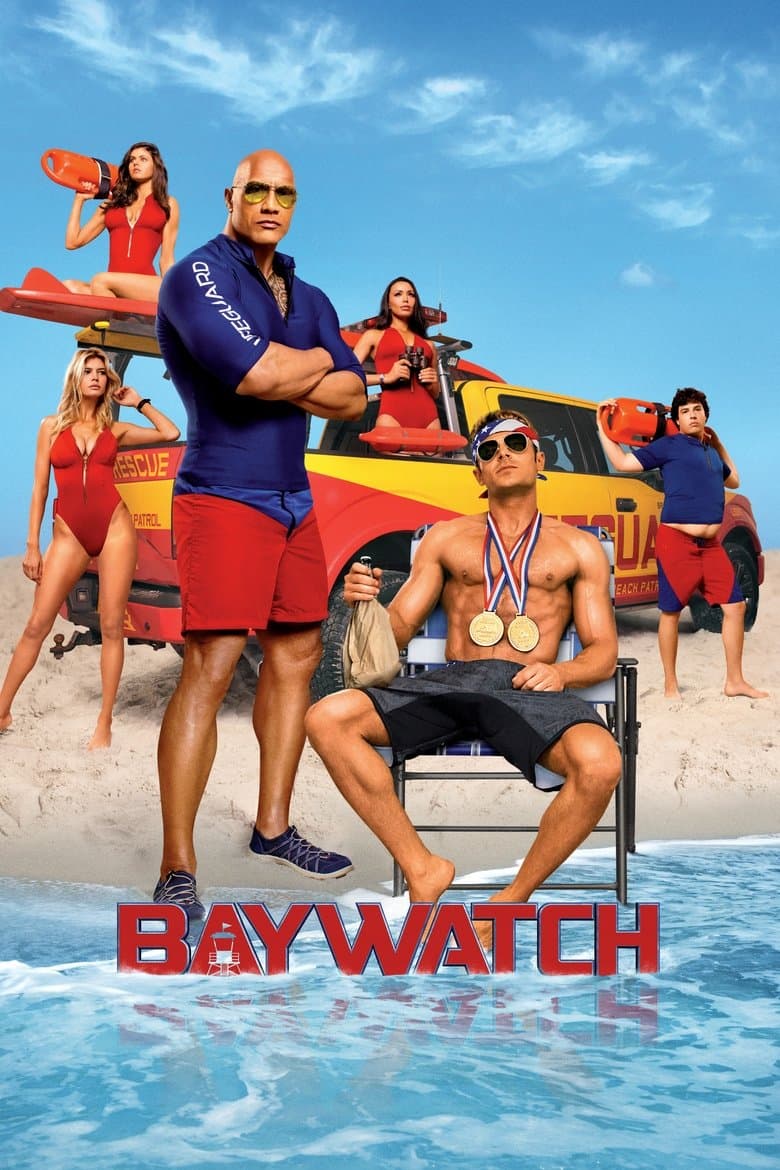
Movie · 2017
Devoted lifeguard Mitch Buchannon butts heads with a brash new recruit. Together, they uncover a local criminal plot that threatens the future of the Bay.
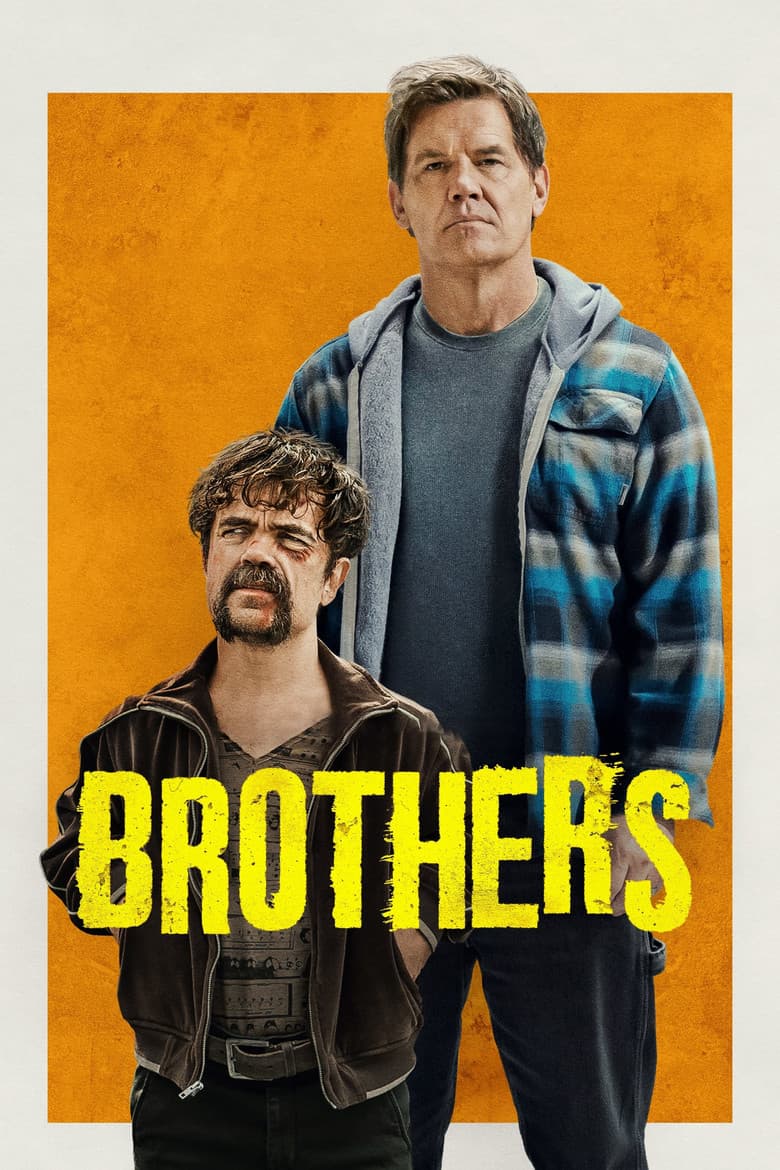
Movie · 2024
A reformed criminal's attempt at going straight is derailed when he reunites with his sanity-testing twin brother on a road trip for the score of a lifetime.
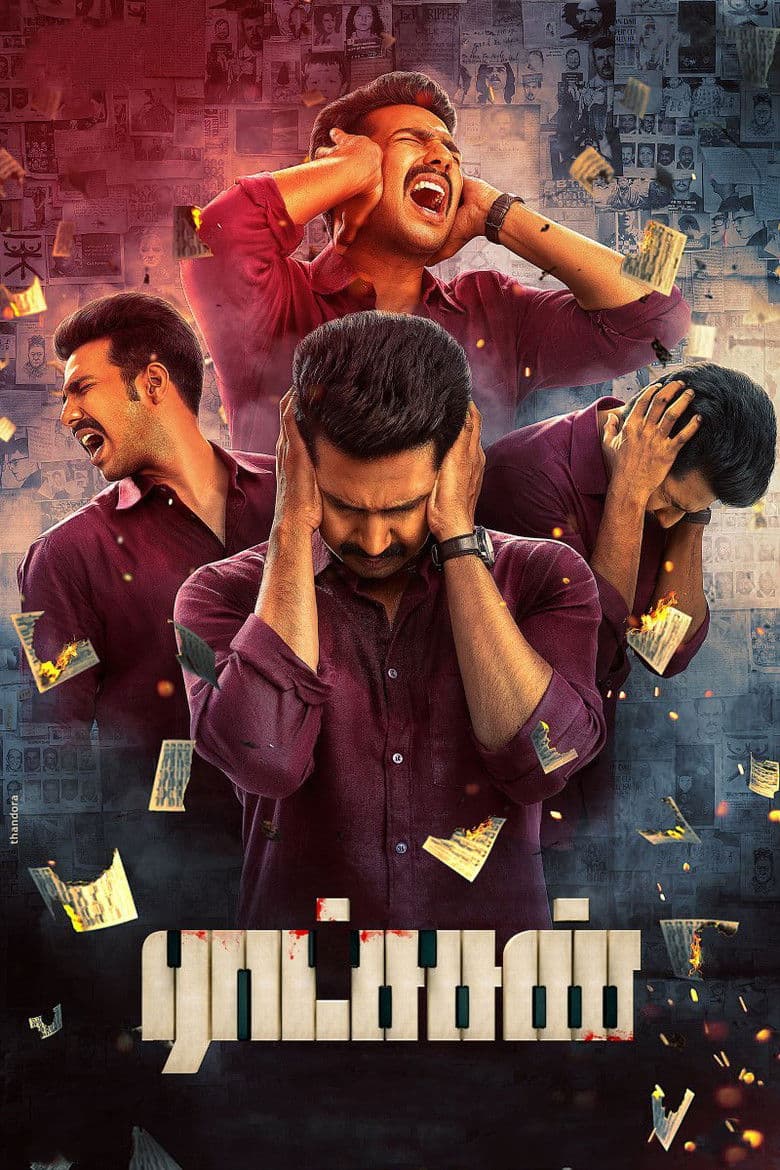
Movie · 2018
A serial killer is murdering school girls, and a newbie cop has to track him down before the victim count increases.
