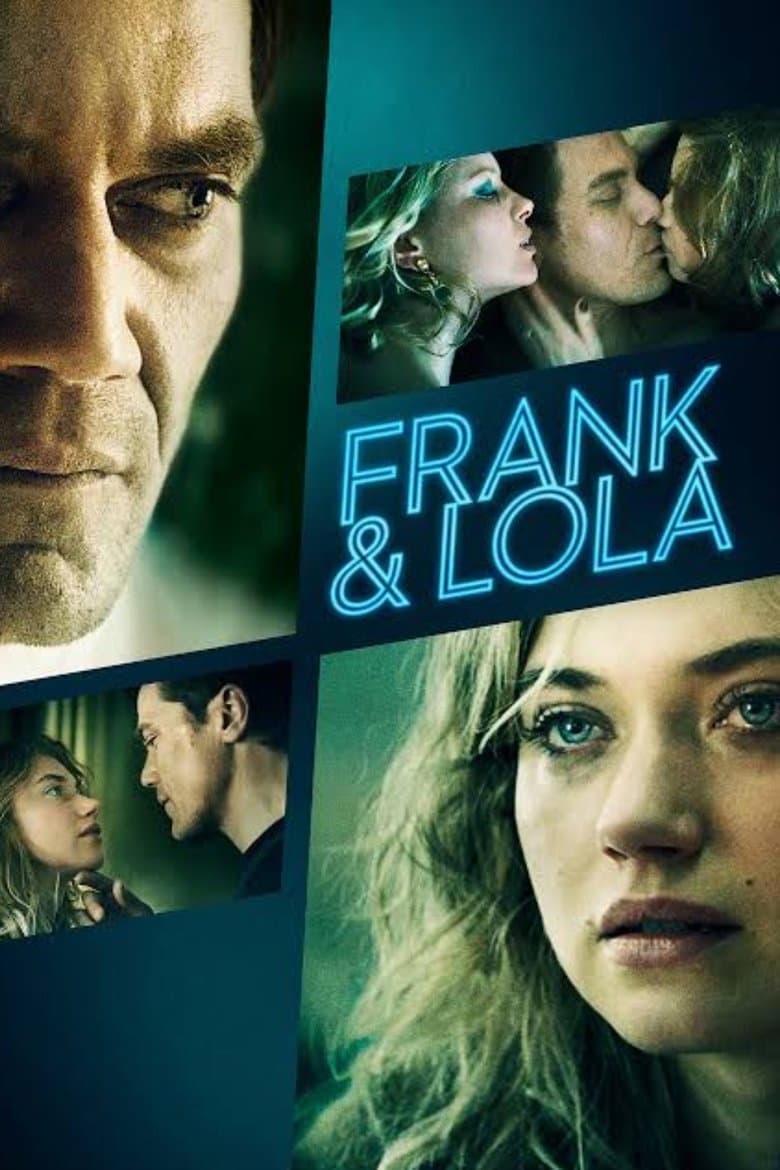
Frank is a talented Las Vegas chef who falls hard for Lola, a young woman trying to become a fashion designer. Their fast, sexual romance seems happy until Lola admits that she cheated and tells Frank about a painful event from her past. Frank travels to Paris for a cooking job, but he also plans to confront the wealthy man he blames for what happened to Lola. The film shifts from a dark romance into a tense mystery about jealousy, revenge, and the danger of trying to control another person.
The film gives its strongest attention to sexual assault, consent, and the power gap between men and women. Frank wants to protect Lola, but his anger turns her pain into his own violent mission. Lola’s past, her choices, and the truth behind her story stay uncertain, which keeps the couple trapped in guilt and mistrust. The movie uses sex, nudity, rough language, fights, and a bleak mood, while a brief sex scene between Lola and another woman is part of her troubled sexual history rather than the main story.
Community feedback
Was our 26% Woke rating accurate?
Breakdown
These are the editorial factors and ratings behind our score for Frank & Lola.
Woke representation / casting
Not present. The lead and major named roles fit the film’s modern American and European setting. The film does not make diversity or identity part of its casting message.
0%
Woke political dialogue
Not present. The dialogue stays on sex, trust, work, jealousy, trauma, and revenge. No character delivers modern DEI, identity-political, or activist lines.
0%
Identity-driven story themes
Frank's relationship with Lola centers on sexual assault, consent, trauma, and the power balance between men and women. The film treats his jealousy and violent wish to avenge her as dangerous parts of his own damage. A brief sexual encounter between Lola and another woman appears as part of her troubled past, not as a queer identity story. The ending pushes back against the idea that a man can own or fix a woman's pain. These themes shape the main plot, but the movie presents them as a personal dark romance instead of a broad activist message.
34%
Western institutional / cultural critique
Frank repeatedly acts like a male protector who has the right to solve Lola's trauma. The film shows his jealousy, sexual possessiveness, and violent revenge plan as dangerous. It questions the old idea that a man should save a woman through force. It does not attack Christianity, capitalism, family life, or Western institutions.
29%
Woke character or canon changes
Not relevant. Frank & Lola is an original story with no established characters or source material to change.
0%
Anti-woke backlash and complaints
Not present. No clear anti-woke complaint was found in news, reviews, audience discussion, or the supplied X research. Public reaction focused on sex, trauma, jealousy, and the ending instead of DEI or identity politics.
0%
Creator track record context
Matthew Ross is described in the available creator context as a genre-focused filmmaker with no sustained DEI or identity-activist record. The listed producers and casting directors also have low scores and no clear activist public profile. Erika Sanz Corbacho has some credits on projects with LGBTQ or diverse characters, but no personal activism is established. The creative team therefore gives only a weak woke signal.
12%
Production
Movie · 2016
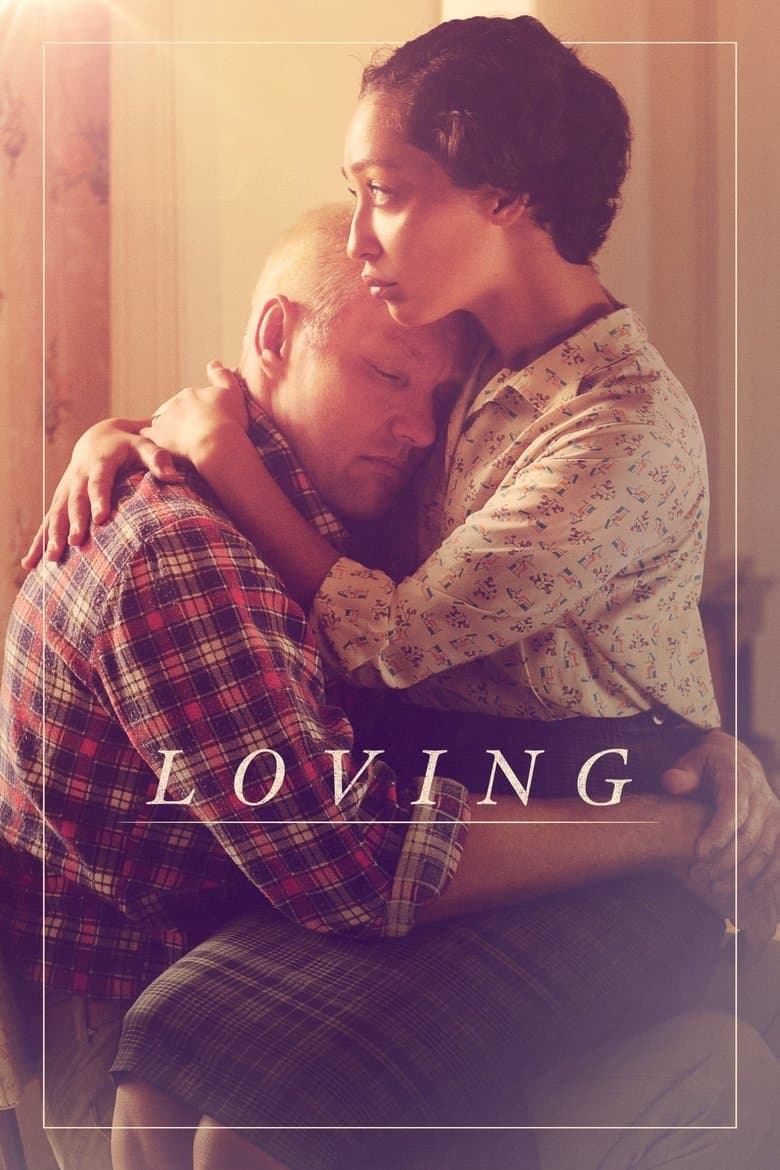
In 1958, in the state of Virginia, the idea of interracial marriage was not only considered to be immoral to many, it was also illegal.

Movie · 2025
Laura and Simon have been best friends since college. Over the years, they've realized their bond is more than platonic.
Movie · 2018
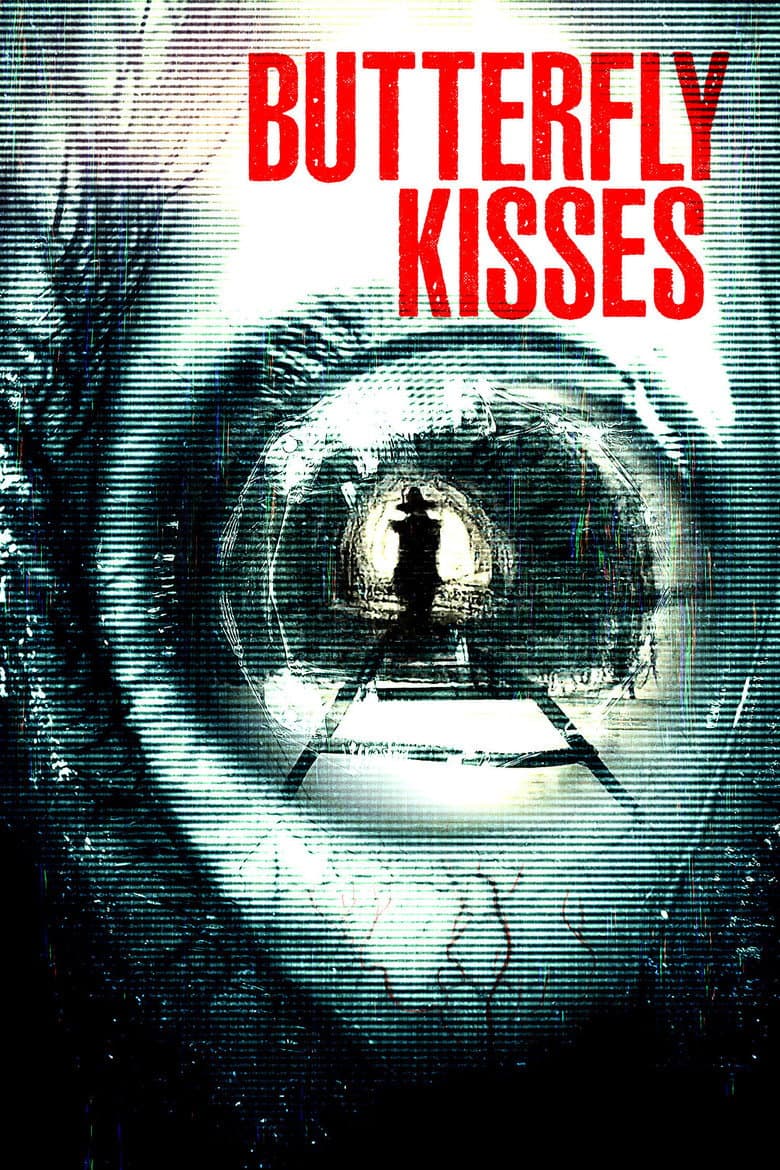
A filmmaker discovers a box of video tapes depicting two students' disturbing film project featuring a local horror legend, The Peeping Tom.
Movie · 2017
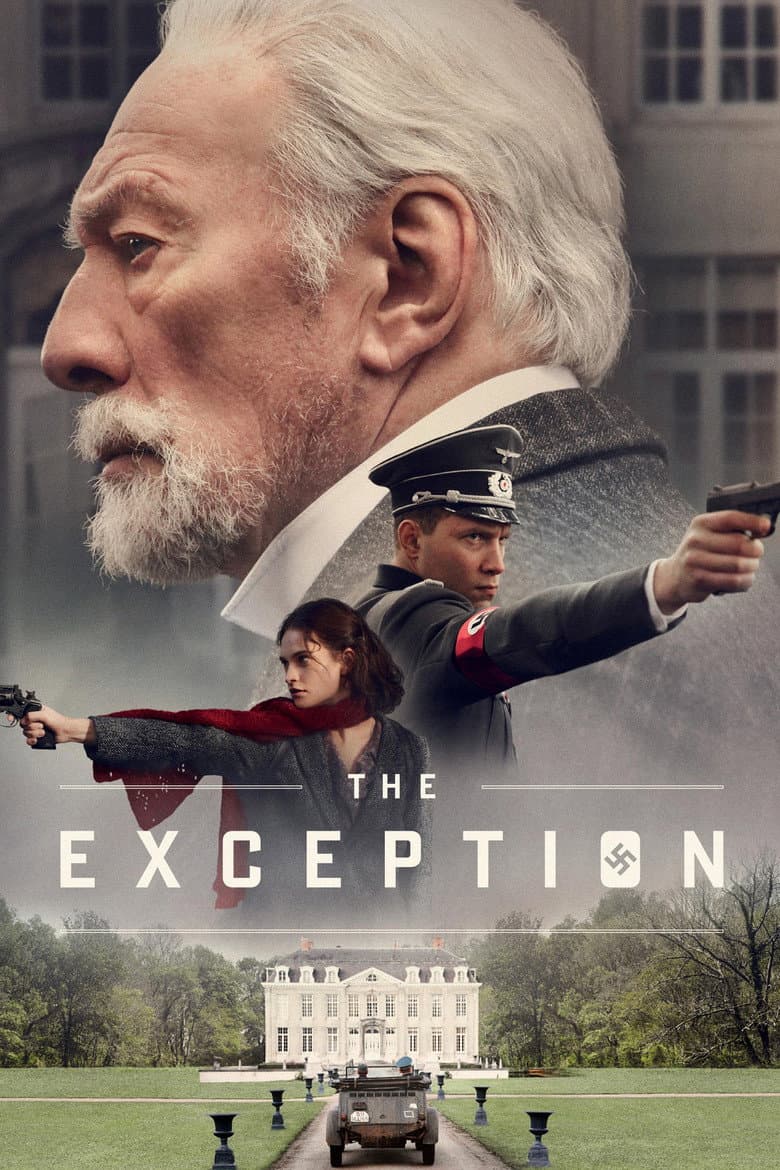
Nothing is as it seems in this riveting World War 2 thriller as a wary soldier goes to investigate a mysterious German monarch at his secluded mansion, leading him into a web of…
Movie · 2018
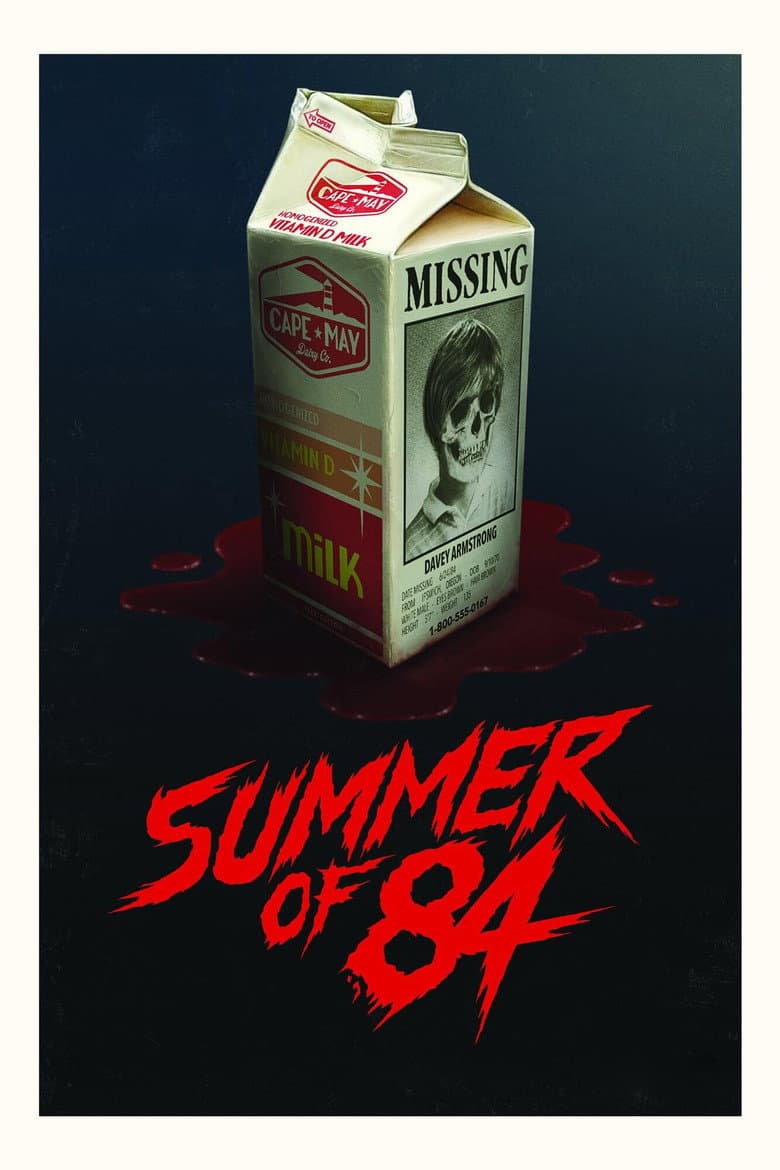
After suspecting that their police officer neighbor is a serial killer, a group of teenage friends spend their summer spying on him and gathering evidence, but as they get closer…
Movie · 2018
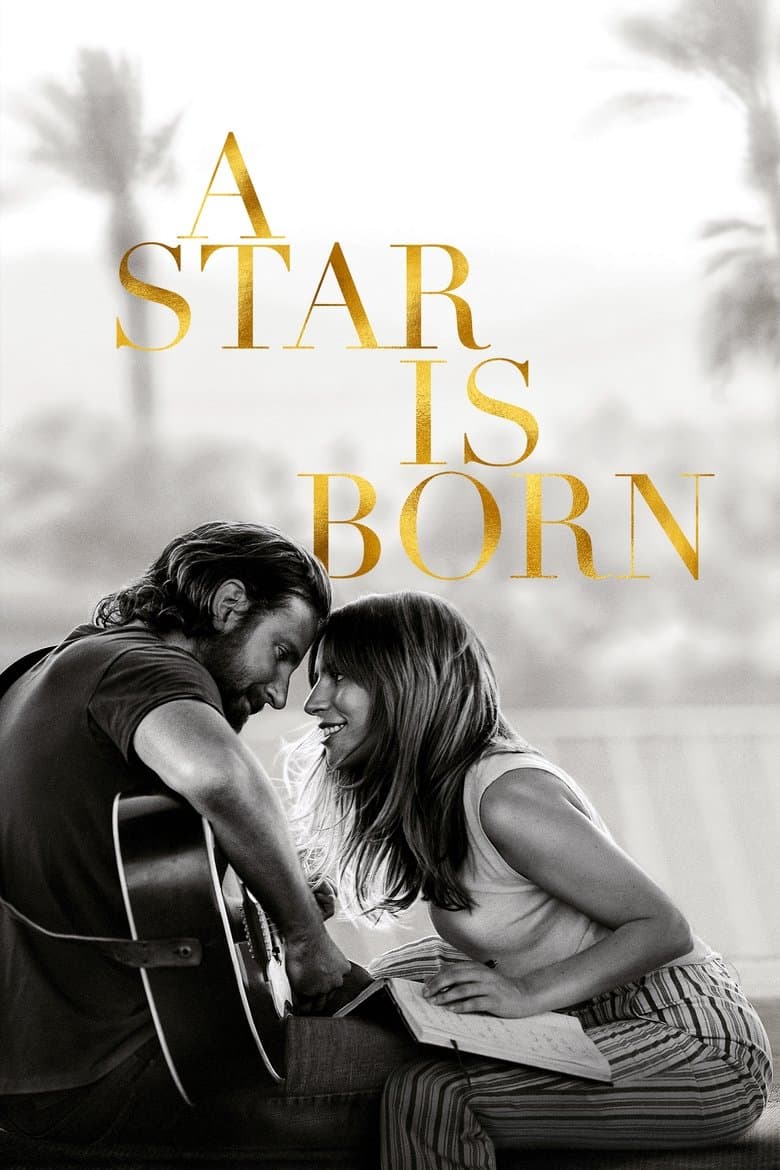
Seasoned musician Jackson Maine discovers — and falls in love with — struggling artist Ally. She has just about given up on her dream to make it big as a singer — until Jack…
Movie · 2017
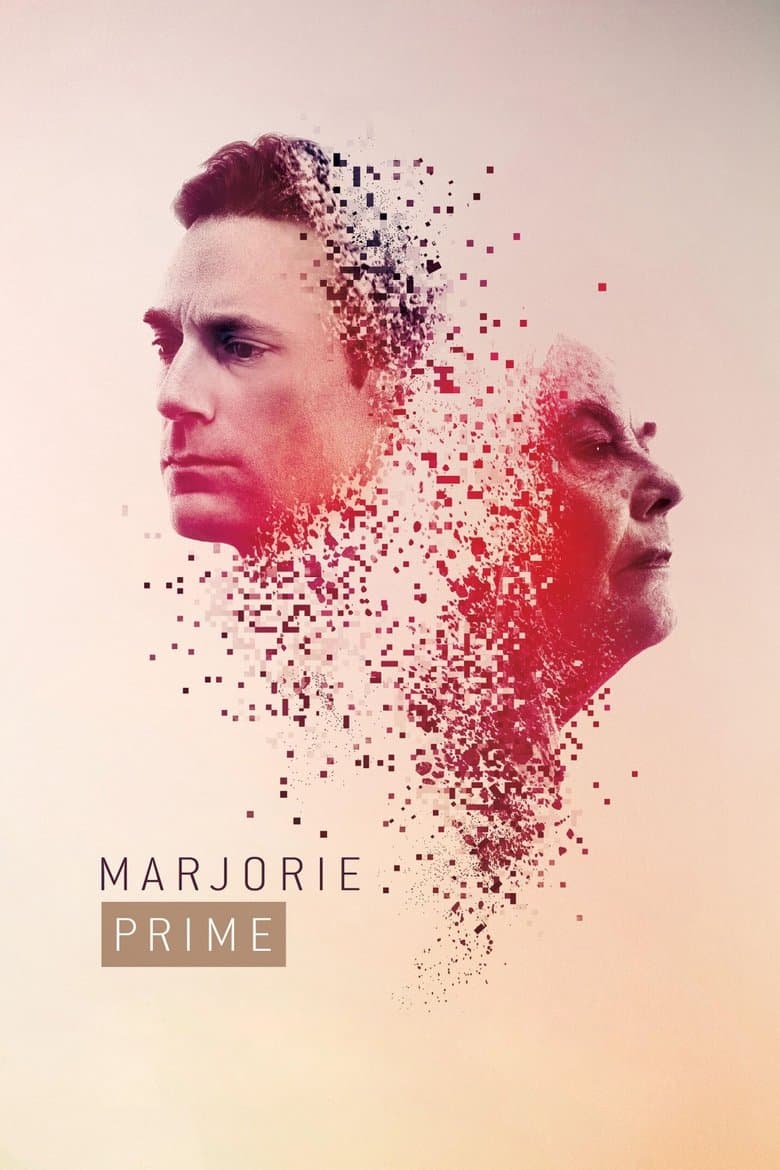
A service which creates holographic projections of late family members allows an elderly woman to spend time with a younger version of her deceased husband.
Movie · 2019
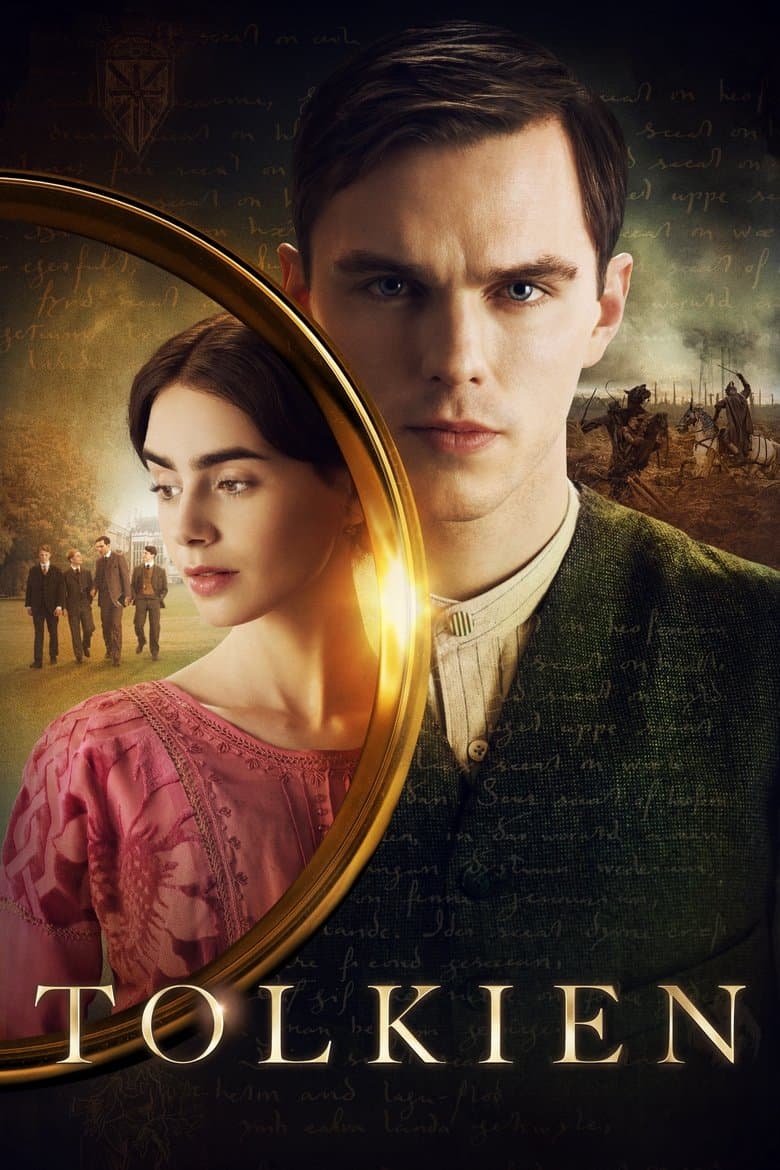
England, early 20th century. The future writer and philologist John Ronald Reuel Tolkien (1892-1973) and three of his schoolmates create a strong bond between them as they share…
