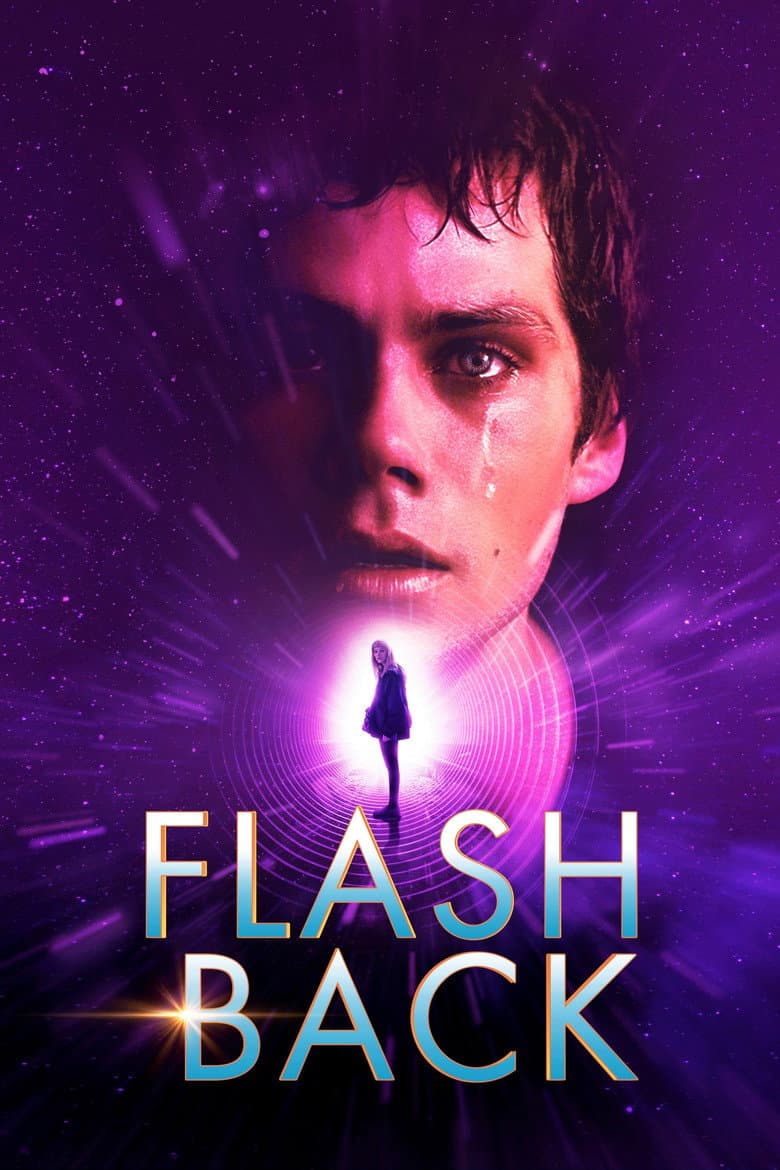
Flashback follows Fred Fitzell in present-day Canada, where he has a new office job, a long-term girlfriend, and a mother whose health is failing. A meeting with someone from high school brings back visions of Cindy, a classmate who vanished after the group used a strange drug called Mercury. Fred searches through old memories while his past and present seem to happen at the same time. The film has a cold, uneasy tone and uses horror images, fast cuts, and puzzle-like shifts in time.
Fred wants to learn what happened to Cindy, but the search also forces him to face his fear of growing up and his failure to deal with his mother. Cindy stands for a life without normal rules, while Karen expects Fred to take responsibility for the life they built together. The story asks whether people control their choices or follow paths shaped by childhood, family, and habit. Its main ideas concern grief, memory, drugs, free will, and the pull between an exciting escape and ordinary family life.
Community feedback
Was our 17% Woke rating accurate?
Breakdown
These are the editorial factors and ratings behind our score for Flashback.
Woke representation / casting
Not present. The film places one black woman in a present-day office boss role, but it does not frame her race or sex as a message. The main cast does not show a repeated representation-first pattern.
0%
Woke political dialogue
Not present. Cindy talks about labels, freedom, and feeling trapped, but her lines are about time and reality rather than identity or activist politics.
0%
Identity-driven story themes
Karen sets clear limits when Fred neglects their relationship, and Cindy is shown as the boldest person in the group. Fred is repeatedly shown as immature, dependent, and unable to move forward. This creates a mild gender-role contrast, but the story remains focused on his grief, choices, and fear of adulthood.
18%
Western institutional / cultural critique
The film presents Fred’s faceless data company and adult routine as empty forces that make him feel trapped. Cindy calls ordinary life a prison, and the story questions the pressure to follow a set path. The ending treats work, family, and rules as necessary rather than evil, so the critique stays mild and personal.
18%
Woke character or canon changes
Not relevant. The film is an original story and does not change an established character, real figure, or known source.
0%
Anti-woke backlash and complaints
Not present. The reviewed Reddit, news, audience-review, and search material contains no clear complaint that the film pushes woke, DEI, or identity politics. The X research pass also found no anti-woke reaction.
0%
Creator track record context
Christopher MacBride’s public work and interviews center on free will, memory, time, and conspiracy ideas rather than identity politics. Casting director Millie Tom has a representation-focused public record and has discussed female empowerment and seeing people like herself on screen. The listed producers have little public activist record. This creates a mild creator track record context signal.
15%
Production
Movie · 2017
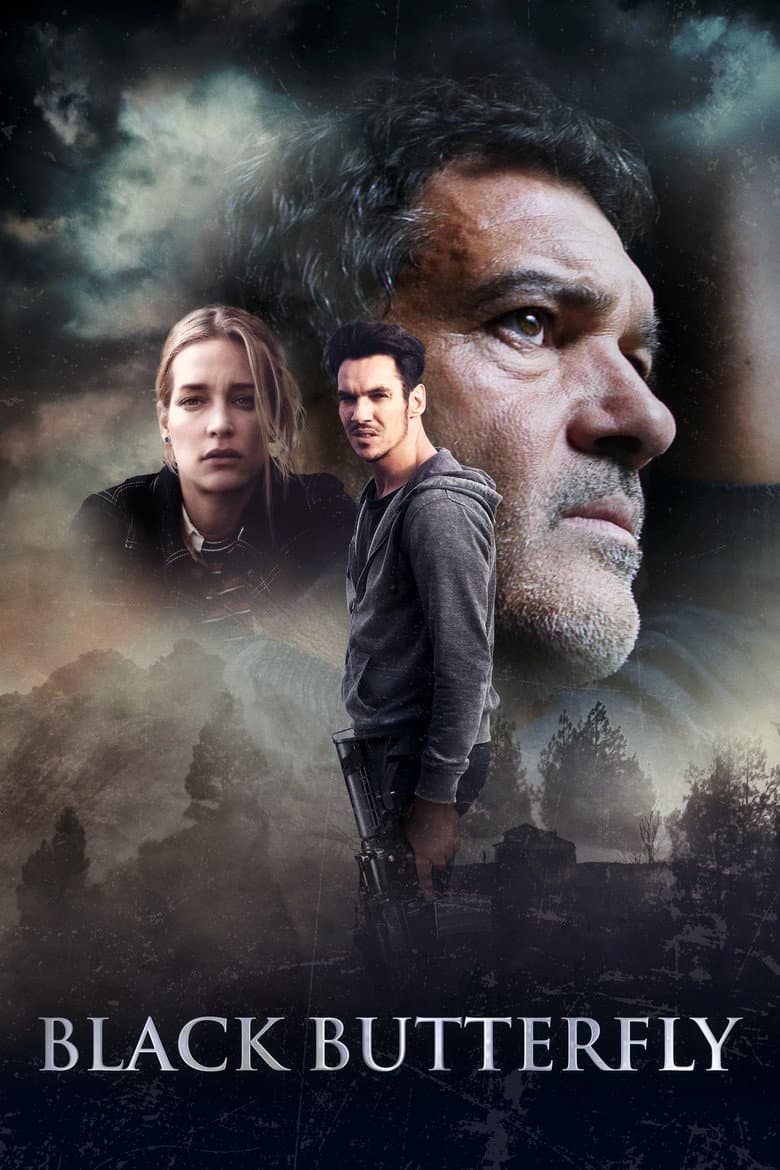
Paul is a down-on-his-luck screenwriter who picks up a drifter and offers him a place to stay. However, when the deranged stranger takes Paul hostage and forces him to write…
Movie · 2021
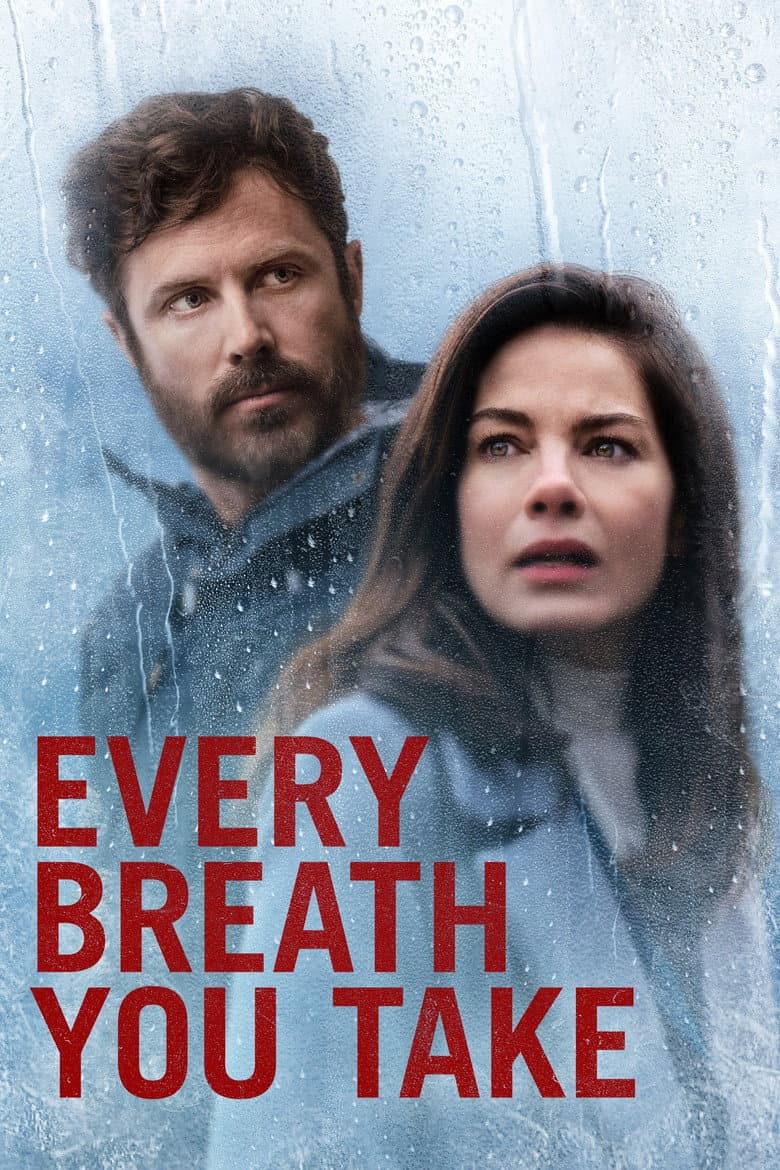
A psychiatrist, whose client commits suicide, finds his family life disrupted after introducing her surviving brother to his wife and daughter.
Movie · 2018
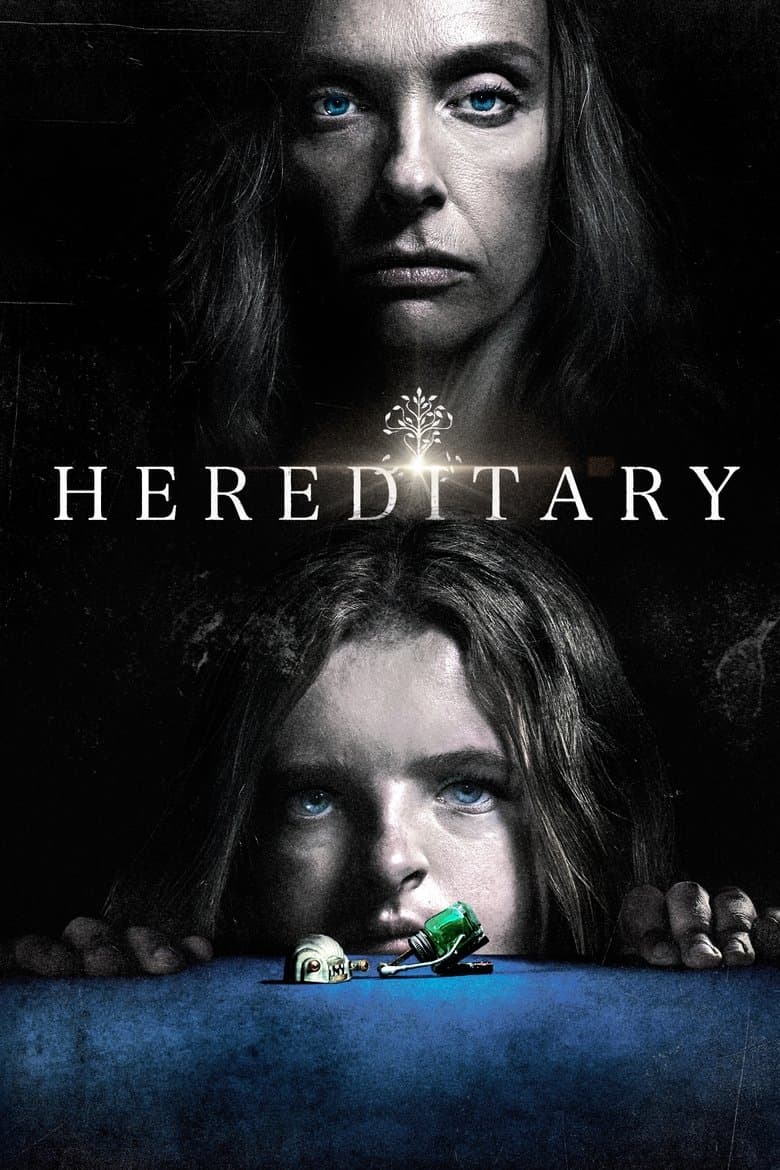
Following the death of the Leigh family matriarch, Annie and her children uncover disturbing secrets about their heritage.
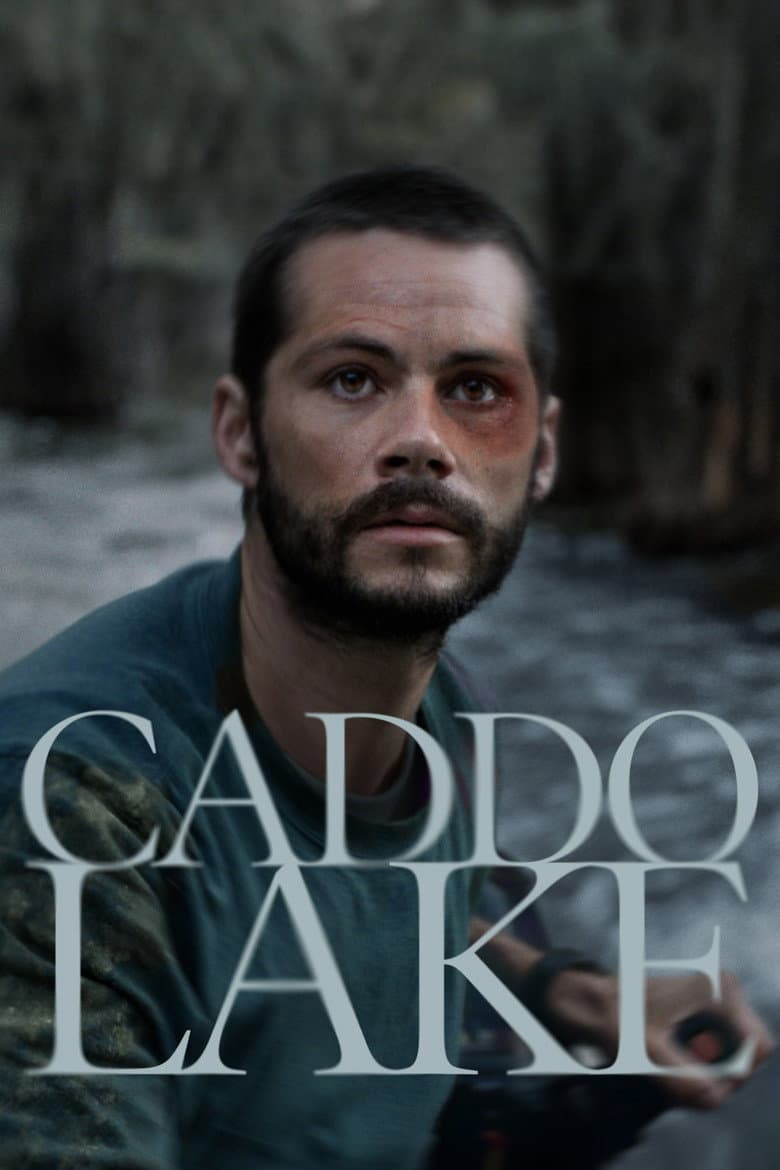
Movie · 2024
When an 8-year-old girl mysteriously vanishes on Caddo Lake, a series of past deaths and disappearances begin to link together, forever altering a broken family’s history.

Movie · 2023
Helena, a woman living a seemingly ordinary life, hides a dark secret—her father is the infamous 'Marsh King', the man who kept her and her mother captive in the wilderness for…
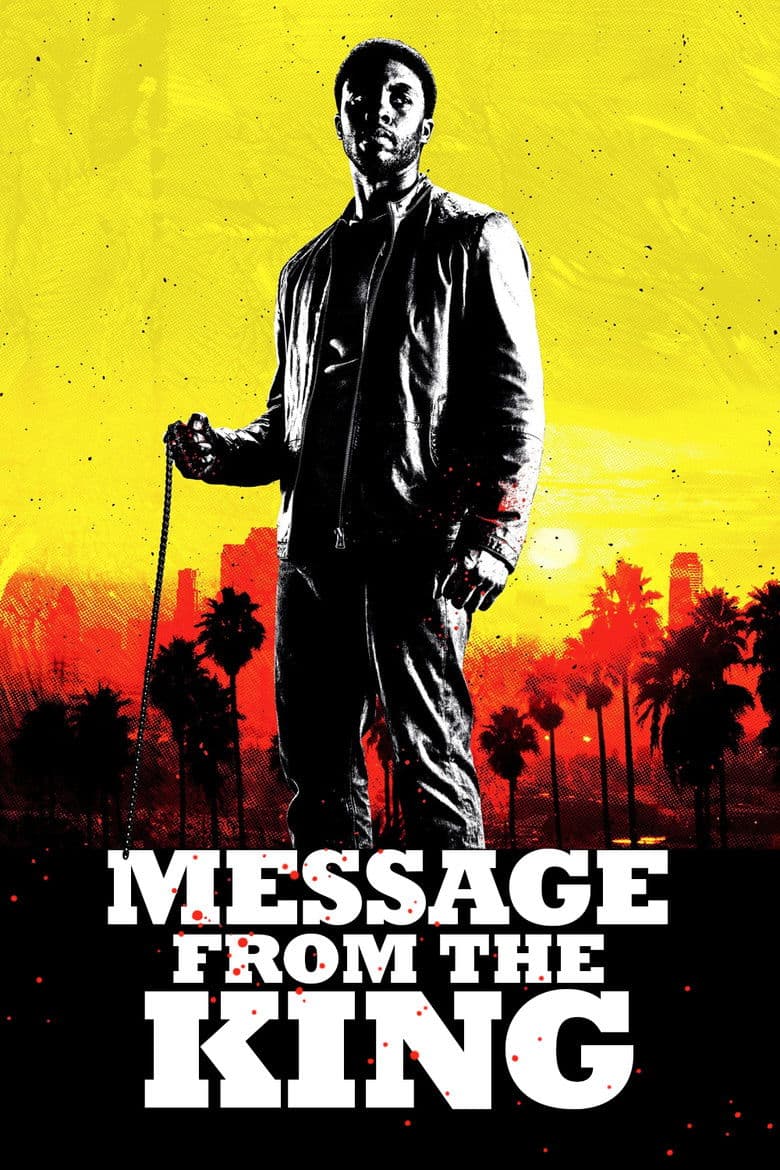
Movie · 2017
On a relentless quest to avenge his sister's murder, a man from Cape Town infiltrates a sprawling network of lowlifes and elites in Los Angeles.
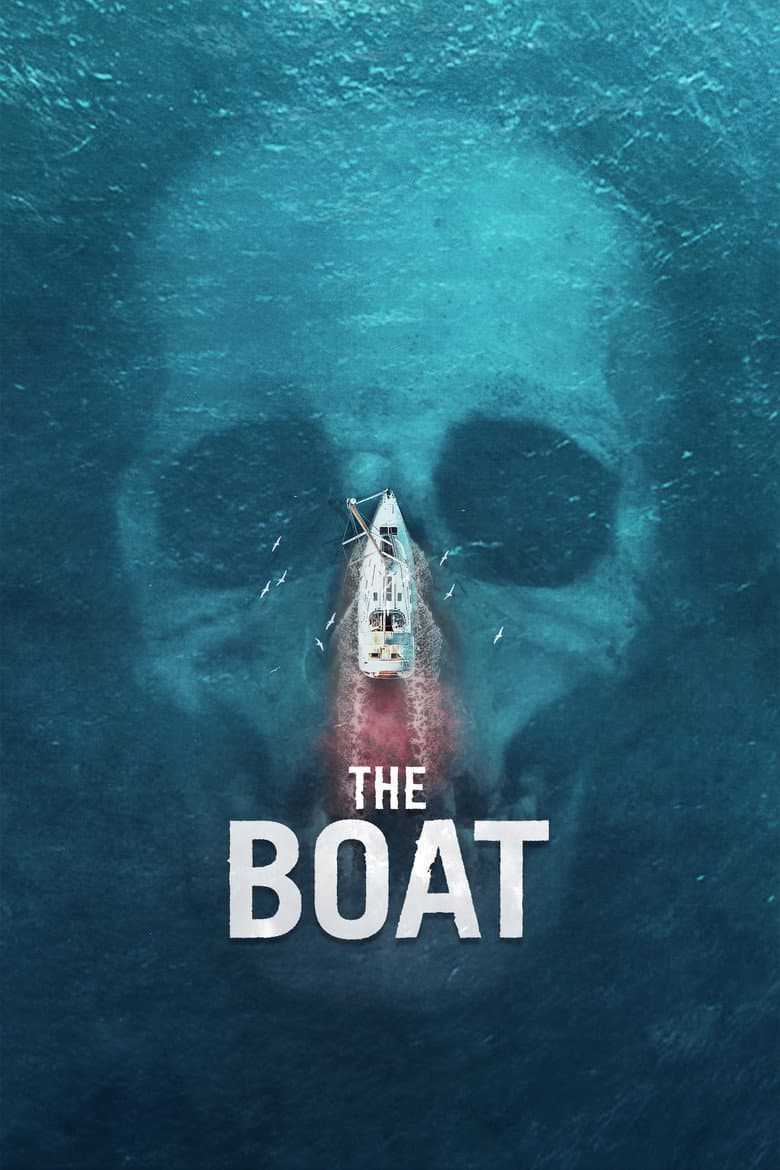
Movie · 2019
A lone fisherman on his daily run finds himself lost in a thick fog which proves impossible to navigate. The worst is yet to come when his encounter with a seemingly abandoned…
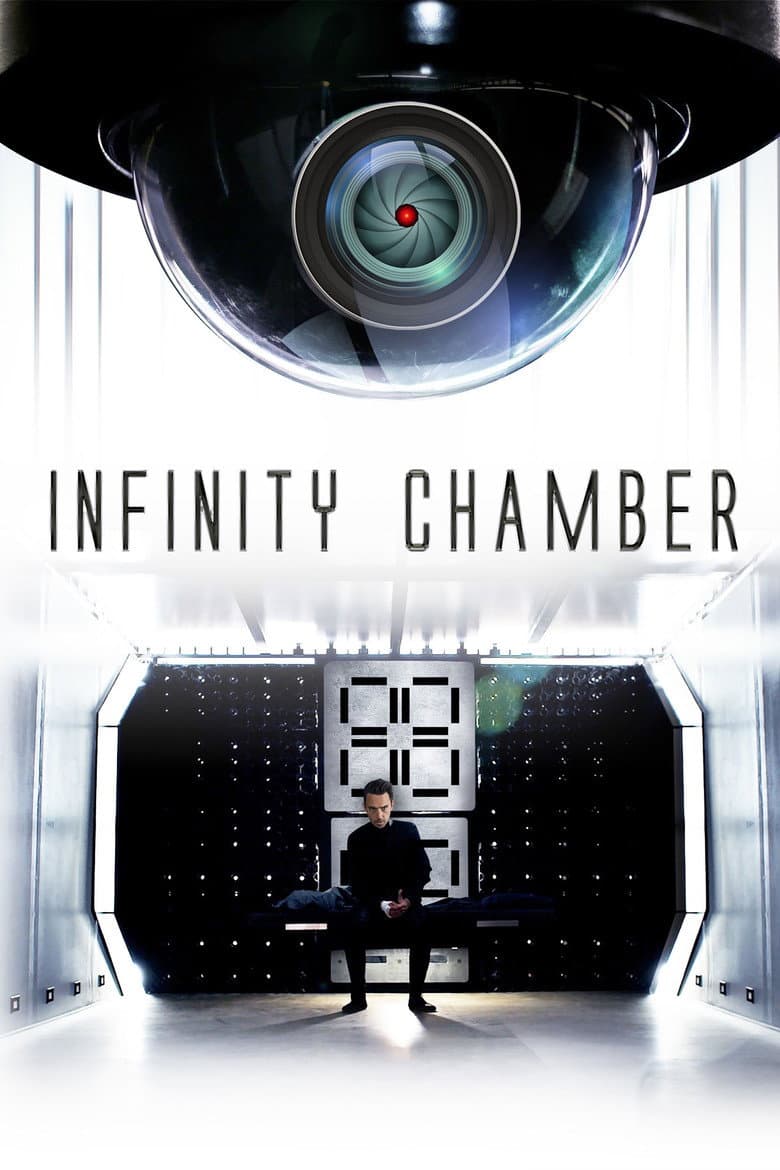
Movie · 2016
A man trapped in an automated prison must outsmart a computer in order to escape and try and find his way back to the outside world that may already be wiped out.
