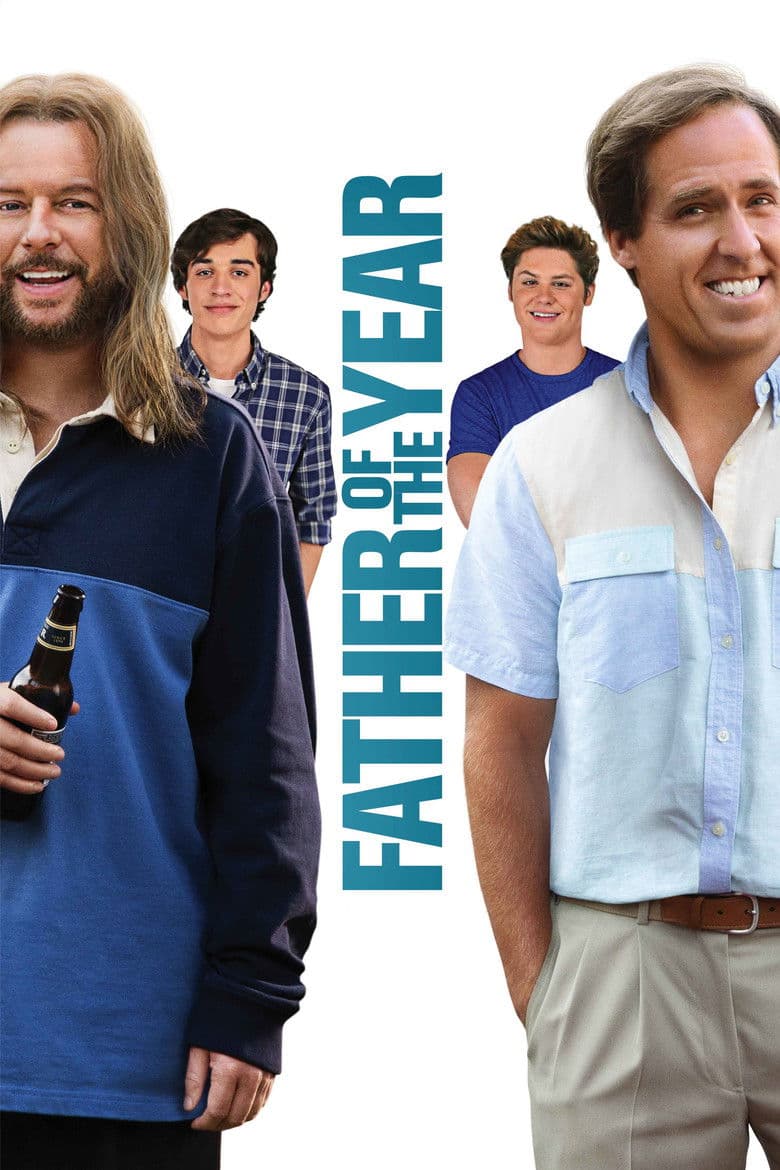
Father of the Year is a 2018 comedy set in a small New Hampshire town. Ben O'Malley has just finished college and hopes to start a good job in New York. His friend Larry is also unsure about his future, while their fathers are stuck in childish habits. A drunken argument about which dad would win a fight causes arrests, a lost job, family trouble, and a messy summer before the young men must choose their next steps.
The film's main social message is a light attack on macho pride and old ideas about what a father should be. Wayne and Mardy keep trying to prove that they are tough, but their behavior hurts their sons and makes them look foolish. Ben and Larry are often more sensible than the older men, and the story rewards fathers who admit mistakes and repair family bonds. The movie does not turn this idea into a larger political argument, because most of its attention stays on crude jokes, dating, drugs, work, and father-son problems.
Community feedback
Was our 24% Woke rating accurate?
Breakdown
These are the editorial factors and ratings behind our score for Father of the Year.
Woke representation / casting
Not present. The central cast is largely white, and the film does not frame casting as a diversity or identity statement. The story shows no prominent representation-first pattern.
0%
Woke political dialogue
Not present. Ben briefly praises a company for cutting oil use and saving the environment, but the line only explains his job. The script has no modern identity, DEI, or activist speech.
0%
Identity-driven story themes
Wayne and Mardy repeatedly act like boys because they want to prove that they are tough fathers. Their pride causes the jail stay, lost job, family trouble, and a second fight. Ben and Larry grow more responsible while the older men learn to admit mistakes. The story treats this as broad comedy and does not connect it to race, sexuality, or DEI.
18%
Western institutional / cultural critique
Wayne and Mardy repeatedly mock the idea that fathers must prove their strength. Their macho pride causes the main trouble and makes both men look foolish. Ben and Larry are more sensible than the older fathers, and the ending favors apology and family repair. The film uses this as a comedy lesson rather than a clear activist attack on men or family life.
32%
Woke character or canon changes
Not relevant. The movie is an original comedy about fictional families and is not presented as an adaptation of established characters, canon, or a real historical event.
0%
Anti-woke backlash and complaints
Not present. No title-specific anti-woke complaints were found. The separate X pass found no reaction, and web reviews mostly complained about quality, profanity, and gross-out humor. Search results did not show a credible boycott, DEI complaint, or review-bomb story tied to this film.
0%
Creator track record context
Tyler Spindel, Brandon Cournoyer, Allen Covert, and Kevin Grady have low listed woke scores and no strong activist record. Seth Yanklewitz has a higher listed score because he has publicly supported DEI and LGBTQ+ casting. The film itself does not show a diversity-first campaign or identity message from that background.
16%
Production
Movie · 2018
Adam Sandler takes his comical musical musings back out on the road, from comedy clubs to concert halls to one very unsuspecting subway station.
Movie · 2024
Inseparable best friends AJ and Moose decide to run the local pool's snack shack after their plan to sell home-brewed beer goes down the drain.
Movie · 2016
A comedy that follows a group of friends as they navigate their way through the freedoms and responsibilities of unsupervised adulthood.
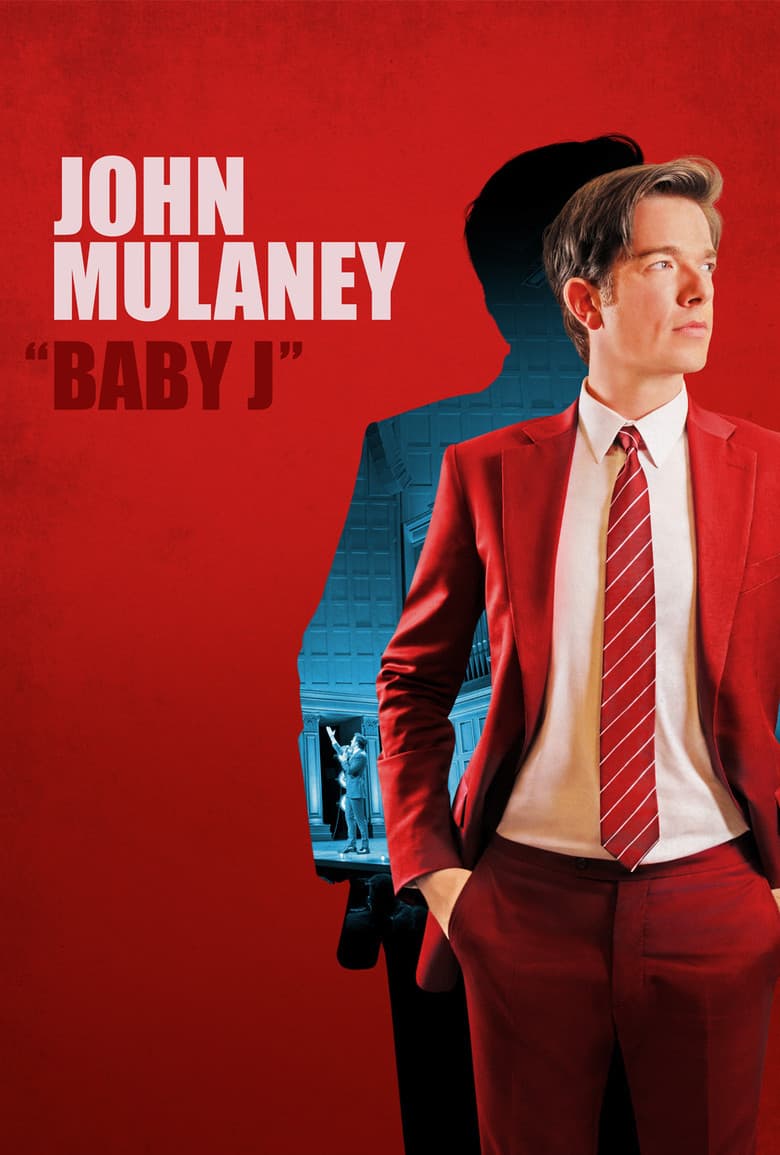
Movie · 2023
A chaotic intervention. An action-packed stay in rehab. After a weird couple of years, John Mulaney comes out swinging in his return to the stage.
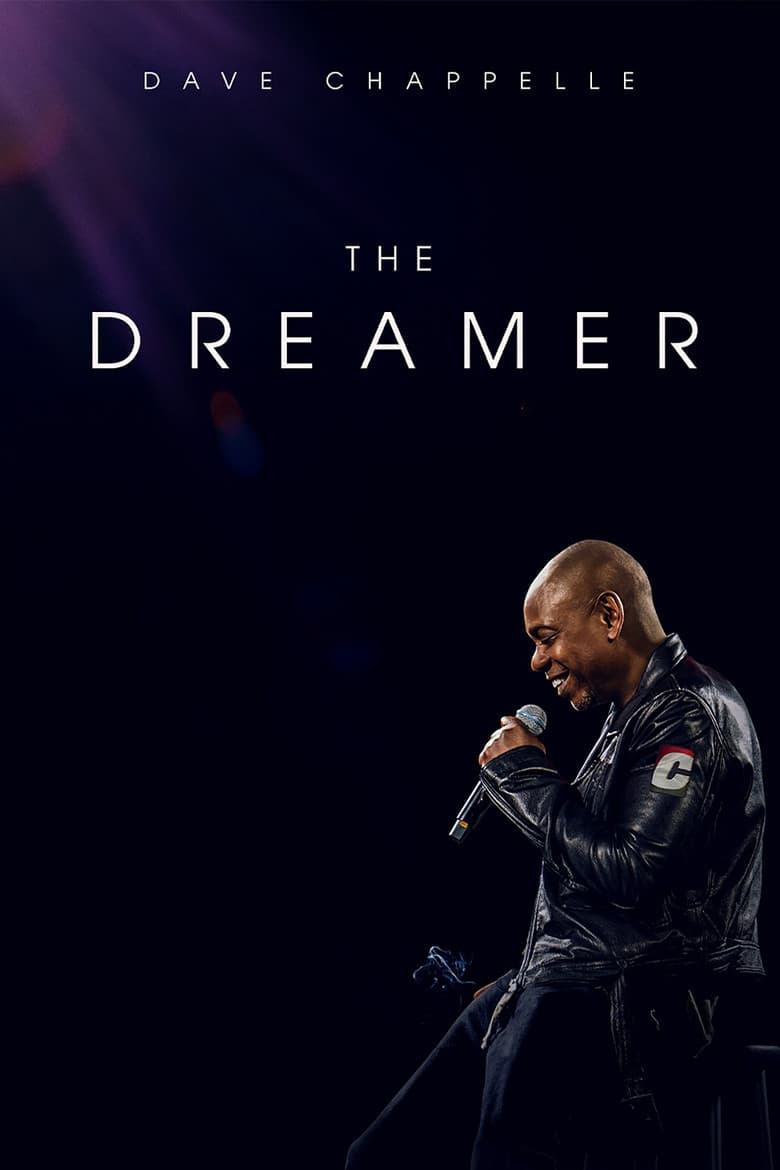
Movie · 2023
From his onstage tackle to the slap heard round the world, Dave Chappelle lets loose in this freewheeling and unfiltered stand-up comedy special.
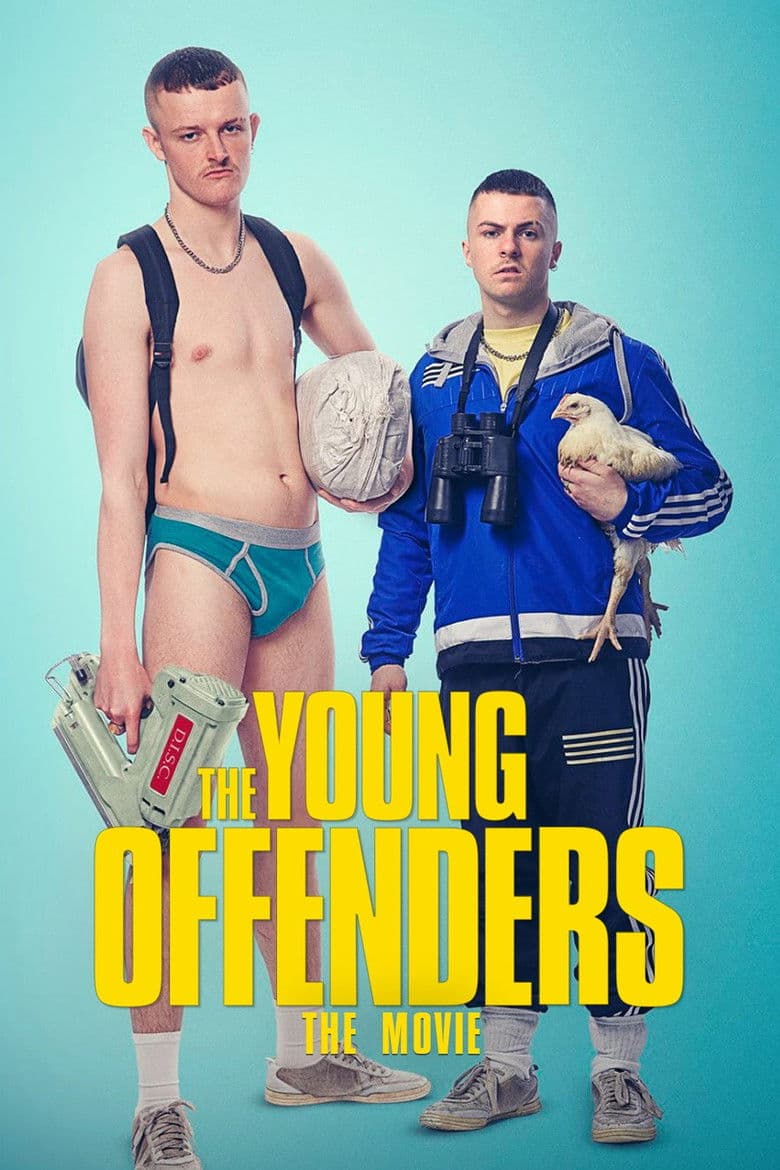
Movie · 2016
Two teenage boys from inner-city Cork steal bicycles and ride off on a 160km quest to find an unrecovered bale of cocaine worth 7,000,000 euros.

Movie · 2019
An unlikely friendship between two neighbors becomes an unexpectedly emotional journey when the younger man is diagnosed with terminal cancer.
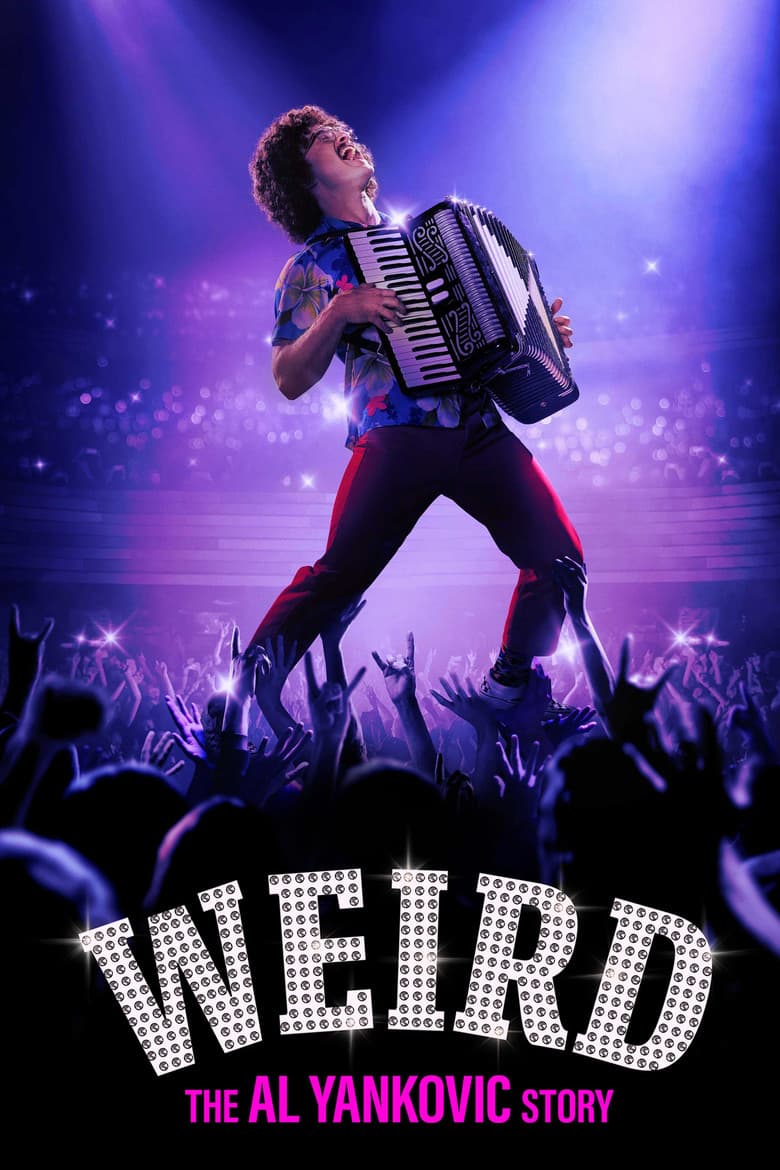
Movie · 2022
Exploring every facet of ‘Weird Al’ Yankovic’s life, from his meteoric rise to fame with early hits like ‘Eat It’ and ‘Like a Surgeon’ to his torrid celebrity love affairs and…
