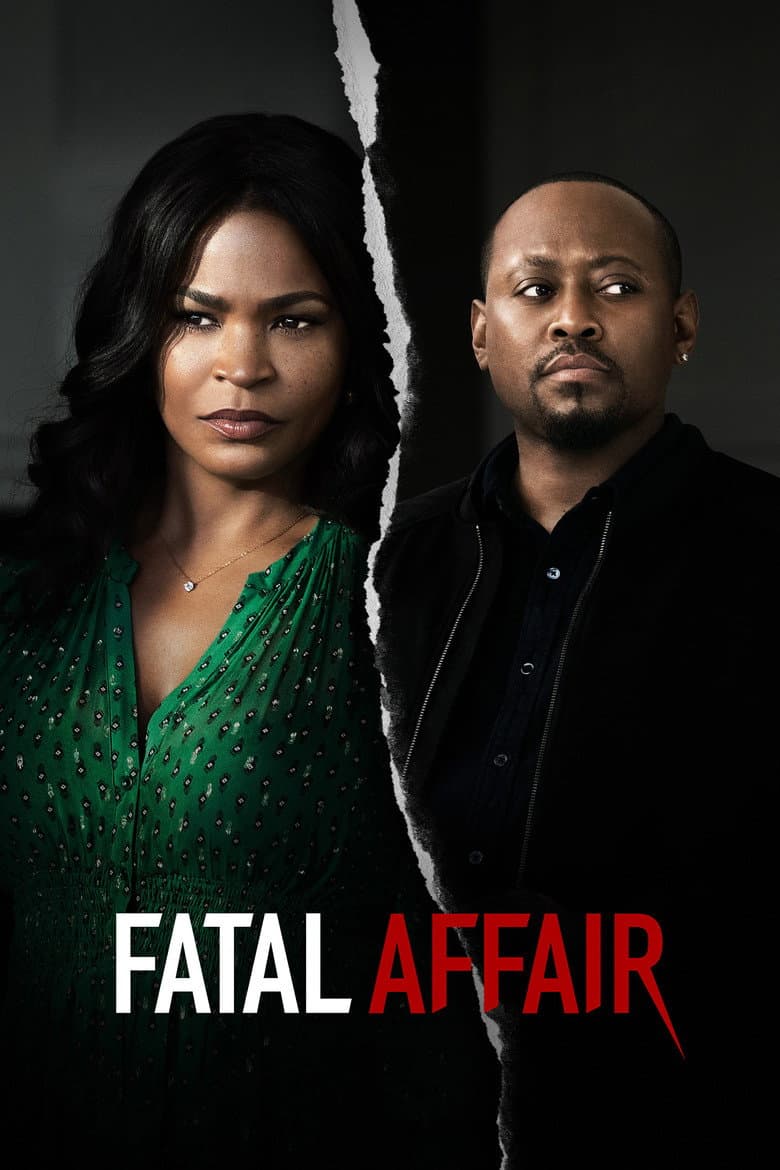
Fatal Affair follows Ellie Warren, a successful lawyer in San Francisco who is trying to repair her marriage to Marcus. The couple has moved to a large home near the California coast while their daughter prepares for college. Ellie meets David Hammond, an old friend who still wants her, and one reckless night brings him back into her life. The movie turns that mistake into a tense but familiar stalker thriller about secrets, fear, and a family under attack.
The film puts a black woman at the center as a skilled lawyer who protects her home, career, and family. The film gives the main couple and the central threat to black characters, so the casting is easy to notice. Ellie makes the first moves to face the danger, while Marcus supports her and joins the final fight. The larger story stays focused on marriage, temptation, stalking, and the damage caused by a man who refuses to accept rejection.
Community feedback
Was our 42% Woke rating accurate?
Breakdown
These are the editorial factors and ratings behind our score for Fatal Affair.
Woke representation / casting
The film gives its main adult roles to black actors, including Ellie, a successful lawyer, and Marcus, her husband. The film also makes David, Ellie's old college friend and main threat, Black. The choice creates a strong identity pattern across the main cast. Nia Long said the script was first written for a white cast and was changed for a black lead, which gives the casting a stated diversity purpose.
58%
Woke political dialogue
Not present. The film has no clear speeches or repeated lines about DEI, race politics, gender activism, or social causes. The spoken conflict stays with marriage, secrecy, hacking, stalking, and violence.
0%
Identity-driven story themes
Ellie is shown as a successful black woman who is building her own law practice while protecting her family. Ellie makes the main choices after David begins stalking her, and the story treats her work and independence as positive parts of her life. The film keeps this mild empowerment signal inside a personal thriller instead of turning it into a wider identity message.
18%
Western institutional / cultural critique
David treats Ellie's rejection as a problem he can overcome, then uses spying, threats, and lies to control her. The film presents this male entitlement as dangerous and harmful to a family. The story ties the behavior to one unstable man and does not turn it into a broad attack on men, marriage, or Western institutions.
15%
Woke character or canon changes
Not relevant. The film has different character names and no confirmed source canon or real historical material. Critics compare its stalker plot with Fatal Attraction, but the movie does not establish that it changes characters from that film.
0%
Anti-woke backlash and complaints
Not present. The separate X research pass found no anti-woke complaints. Web reviews and Reddit comments criticized the weak acting, predictable plot, and low suspense instead of DEI or identity politics.
0%
Creator track record context
The strongest creator context comes from Nia Long, whose work and public comments often focus on black stories and representation. Peter Sullivan has a lower-level link to disability representation, while Jeffrey Schenck and Barry Barnholtz have only a mild women-in-production link. Rasheeda Garner has no clear public activist pattern in the available record. This gives the team a mild to moderate track record signal, led mainly by Long.
31%
Production
Movie · 2024
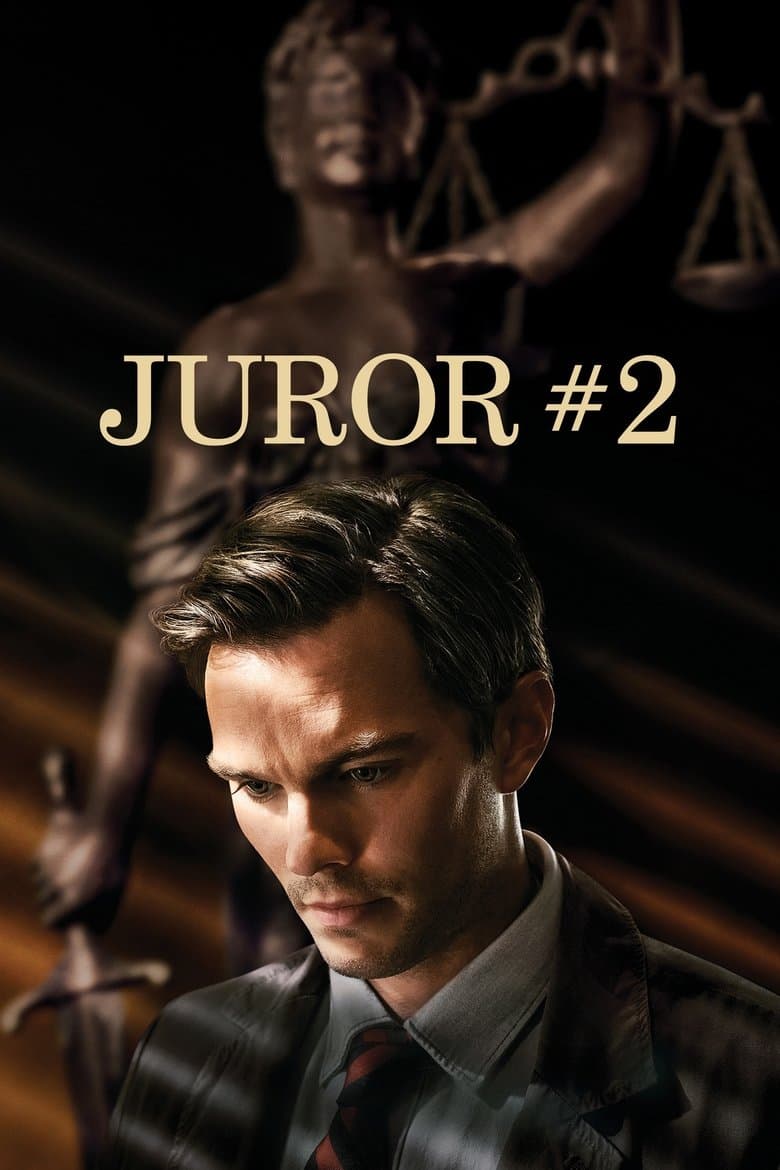
While serving as a juror in a high profile murder trial, family man Justin Kemp finds himself struggling with a serious moral dilemma…one he could use to sway the jury verdict and…

Movie · 2022
For best friends Becky and Hunter, life is all about conquering fears and pushing limits. But after they climb 2,000 feet to the top of a remote, abandoned radio tower, they find…

Movie · 2017
Though Kevin has evidenced 23 personalities to his trusted psychiatrist, Dr. Fletcher, there remains one still submerged who is set to materialize and dominate all the others.
Movie · 2016
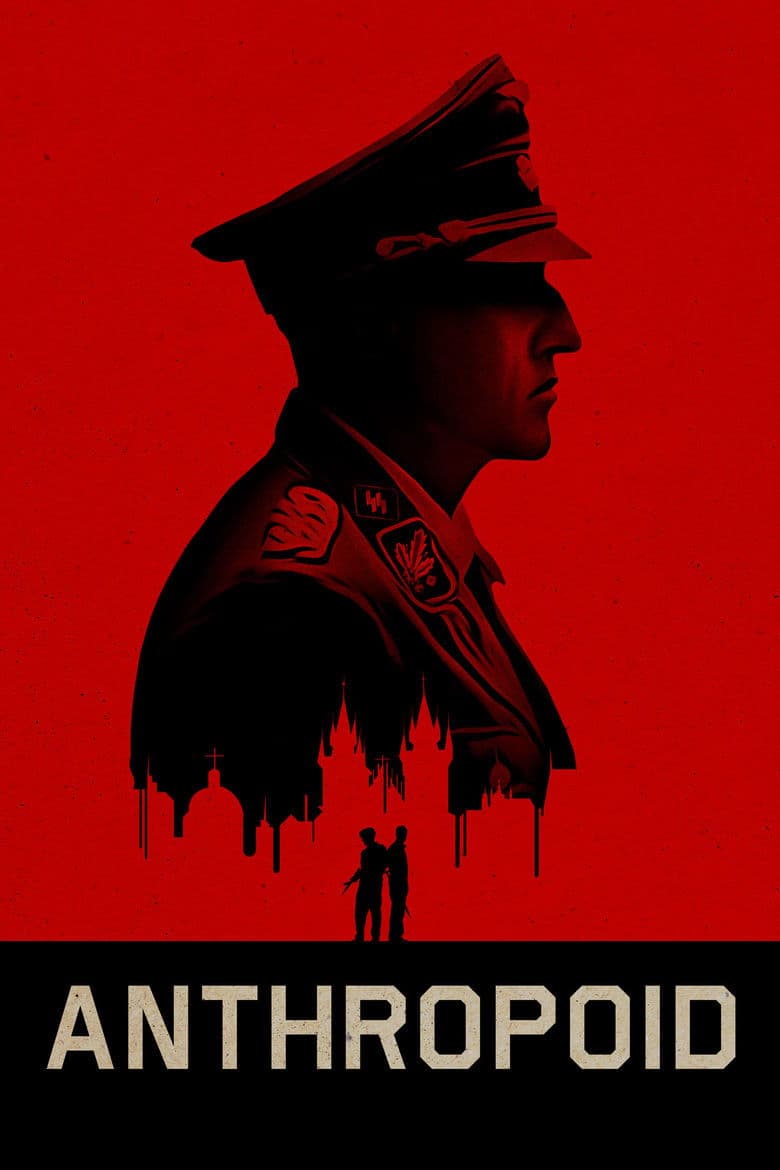
In December 1941, Czech soldiers Jozef Gabčík and Jan Kubiš parachute into their occupied homeland to assassinate Nazi officer Reinhard Heydrich.
Movie · 2022
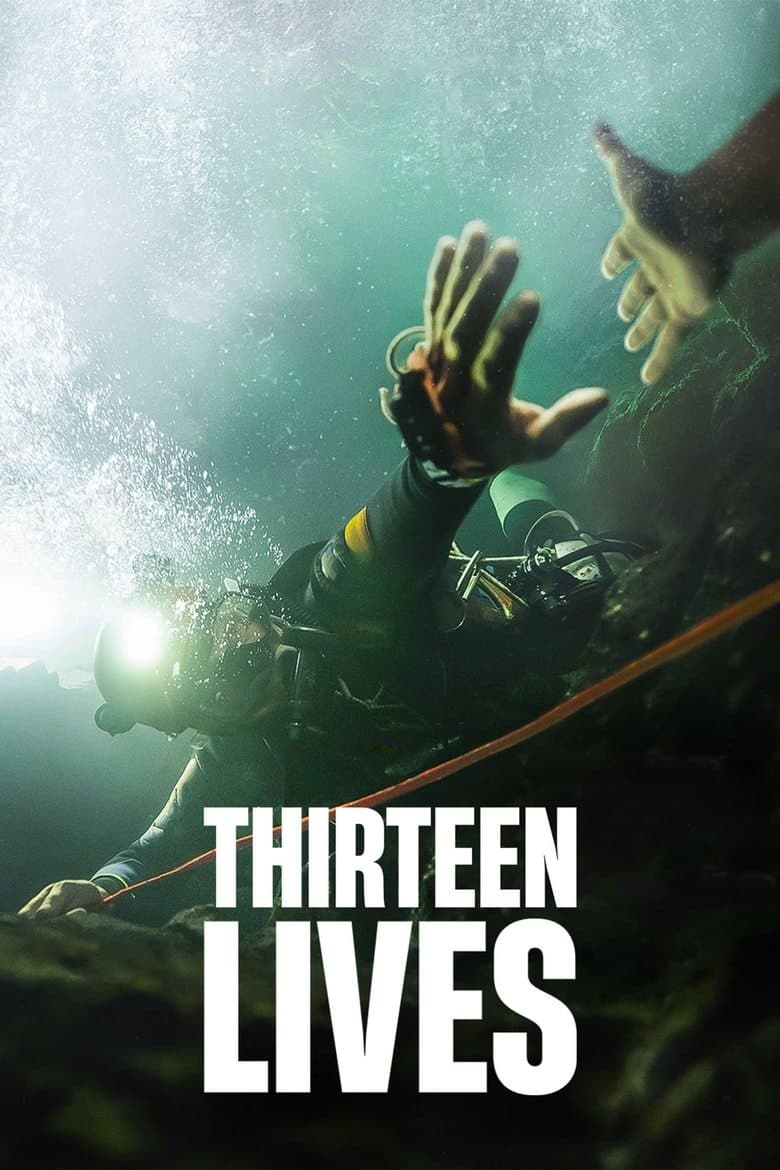
Based on the true nail-biting mission that captivated the world. Twelve boys and the coach of a Thai soccer team explore the Tham Luang cave when an unexpected rainstorm traps…
Movie · 2023
During the war in Afghanistan, a local interpreter risks his own life to carry an injured sergeant across miles of grueling terrain.
Movie · 2025
Seasoned deep-sea divers battle the raging elements to rescue their crewmate trapped hundreds of feet below the ocean's surface.

Movie · 2024
Nothing is what it seems when a twisted one-night stand spirals into a serial killer’s vicious murder spree.
