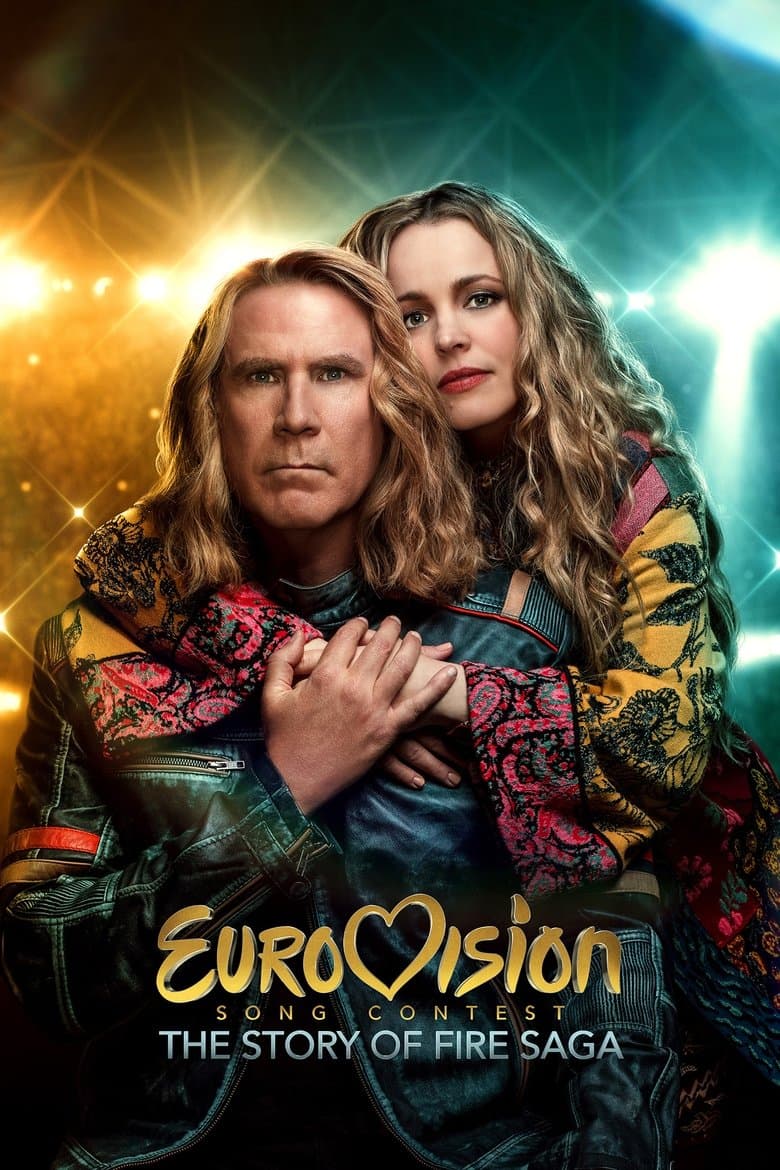
Lars and Sigrit are two small-town singers from Iceland who dream of making it big. After a wild accident, they get to represent their country at the Eurovision Song Contest. The film is a silly, warm musical comedy full of bad stage luck, flashy songs, and their messy friendship that turns into love.
The movie’s main story is about dreams, friendship, and a goofy music contest. A normal viewer will also notice clear LGBTQ content. A big side character is a flashy Russian singer who is in the closet, says there are “no gay people in Russia,” and gets questions about being gay, gender fluid, or non-binary. There is a loud camp party scene with real Eurovision stars, including Conchita Wurst. The film and its stars talk about Eurovision as a place that celebrates LGBTQ people and softens a hard look at anti-gay rules in Russia. Those parts stand out, but the center of the film is still the Icelandic duo’s romance and comedy, not a full activist lecture.
Community feedback
Was our 57% Woke rating accurate?
Breakdown
These are the editorial factors and ratings behind our score for Eurovision Song Contest: The Story of Fire Saga.
Woke representation / casting
Leads fit a small Iceland town. The standout signal is a major camp, gay-coded Russian star plus cameos by real queer/drag Eurovision figures (e.g. Conchita Wurst). Supporting cast looks like a global contest, not a lead race/gender swap pattern. Queer and camp casting is easy to see; race-quota style lead casting is not the main issue.
38%
Woke political dialogue
A few clear lines land hard: “no gay people in Russia,” plus talk of gender fluid, non-binary identity, and he/him pronouns. That digs at real anti-gay laws and uses modern identity words. It is not nonstop preaching, but those bits are hard to miss when they hit.
48%
Identity-driven story themes
The core plot is a straight romance and underdog dream story. A strong side plot is Lemtov hiding his sexuality under a harsh home culture, plus the film’s love of Eurovision’s queer, camp world and “be your true self” singing climax. LGBTQ themes are clear and weighted up, but they share the stage with silliness and love, not own the whole movie.
58%
Western institutional / cultural critique
Lars is a self-centered man-child who must grow up so Sigrit can shine; that is light male-ego comedy. The sharper politics aim at Russian/Chechen anti-gay rules, not Western churches, families, or “the West” as the villain. The banker who wants Iceland to lose is a money gag, not a deep anti-capitalist message.
22%
Woke character or canon changes
Not relevant. This is an original comedy with made-up leads and a fake contest year. Real Eurovision stars play themselves or brief cameos, not rewritten legacy heroes.
0%
Anti-woke backlash and complaints
Almost no major news or social wave treated this film as “woke propaganda.” Most heat was about comedy quality. “Woke Eurovision” talk is usually about the real contest. Film-only anti-woke pushback is weak and scattered.
5%
Creator track record context
Co-writer Harper Steele’s strong identity/activist record pulls the team score up. Ferrell, Dobkin, and most producers are low. Elbaum, Gold, and Sand add mild diversity/inclusion signals. Overall mix is moderate, not a full activist unit.
35%
Production
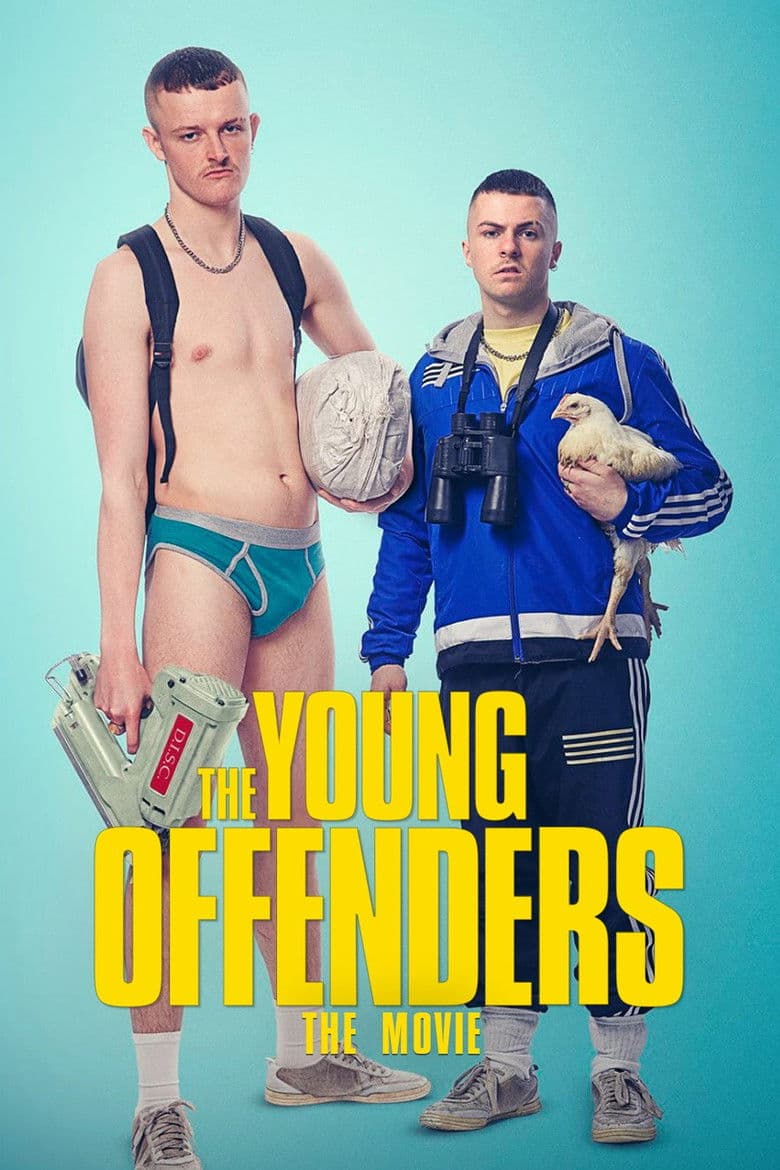
Movie · 2016
Two teenage boys from inner-city Cork steal bicycles and ride off on a 160km quest to find an unrecovered bale of cocaine worth 7,000,000 euros.
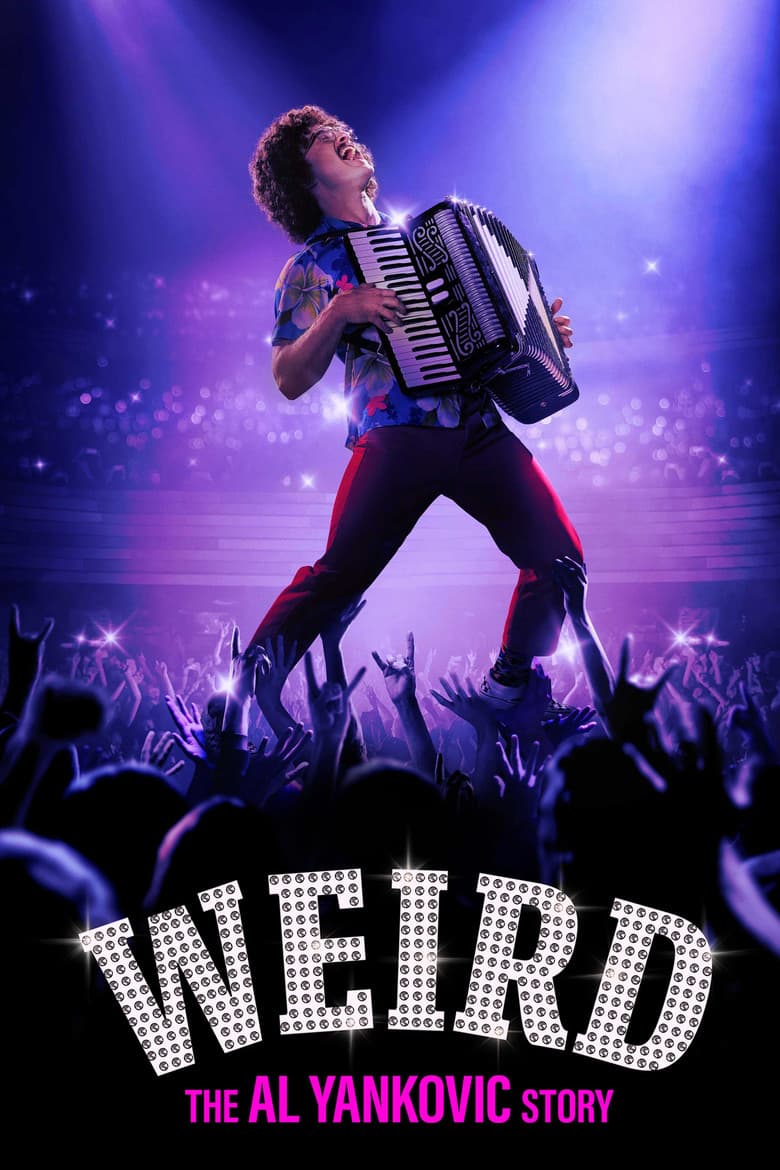
Movie · 2022
Exploring every facet of ‘Weird Al’ Yankovic’s life, from his meteoric rise to fame with early hits like ‘Eat It’ and ‘Like a Surgeon’ to his torrid celebrity love affairs and…
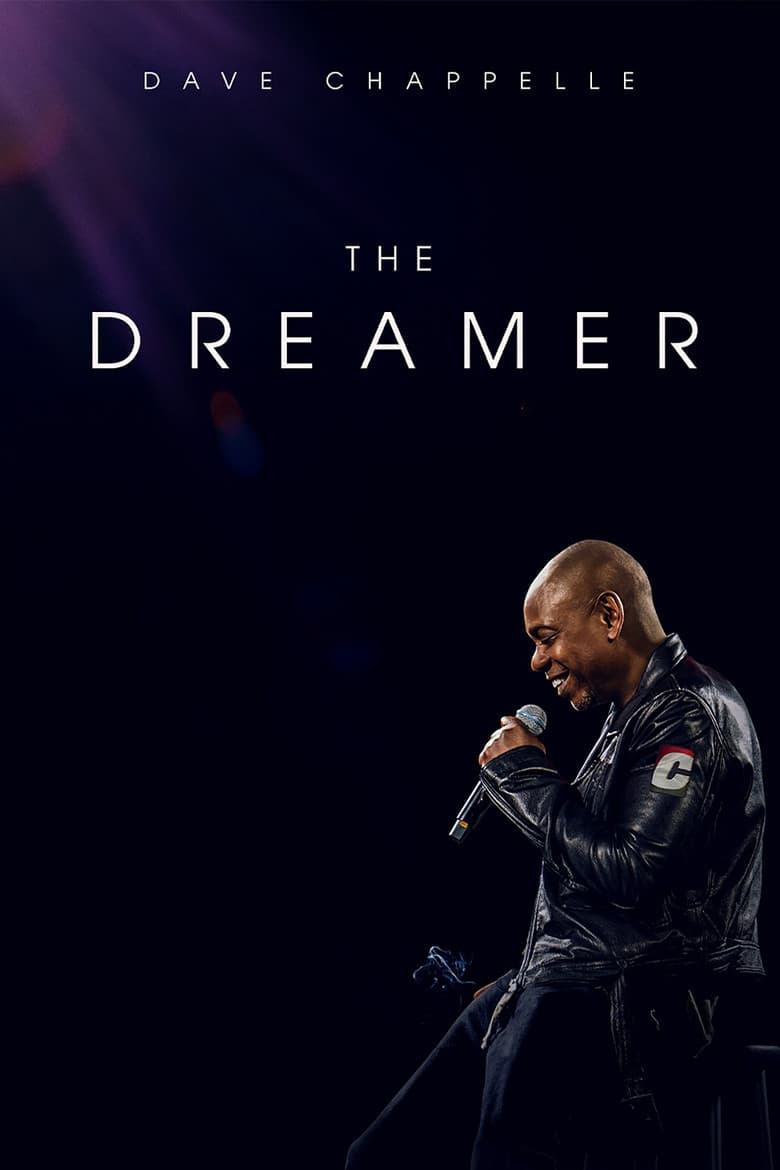
Movie · 2023
From his onstage tackle to the slap heard round the world, Dave Chappelle lets loose in this freewheeling and unfiltered stand-up comedy special.
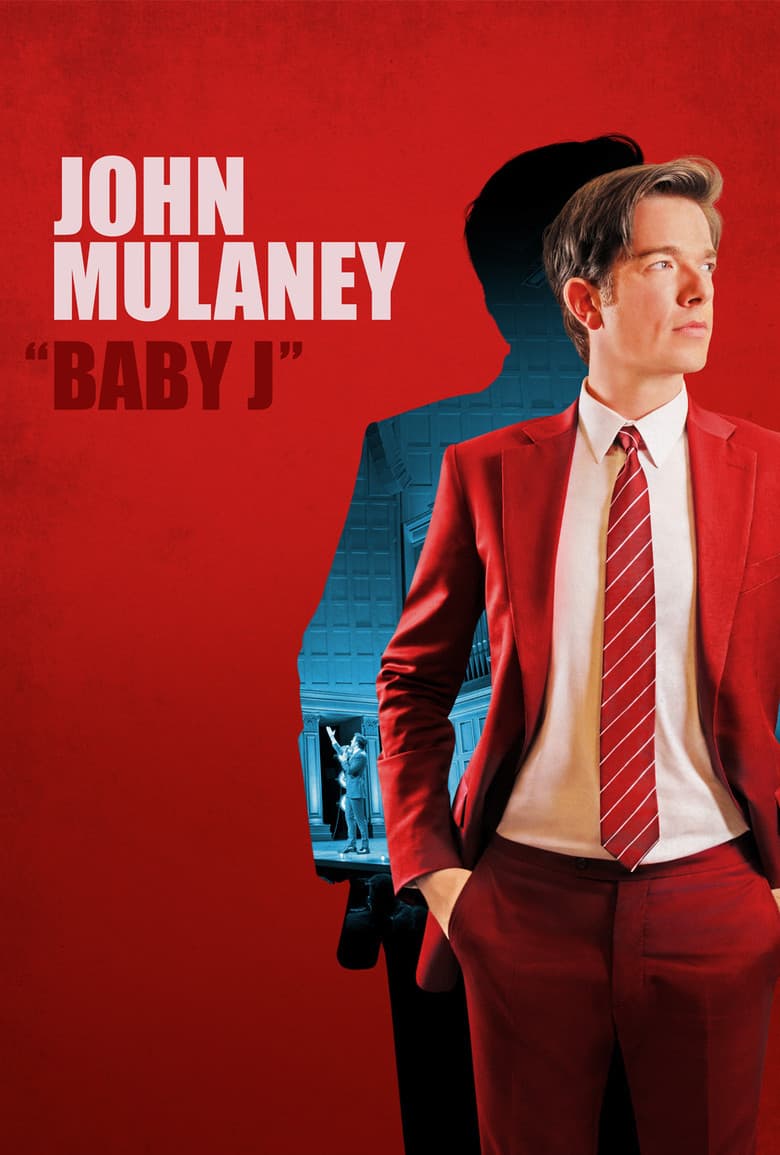
Movie · 2023
A chaotic intervention. An action-packed stay in rehab. After a weird couple of years, John Mulaney comes out swinging in his return to the stage.
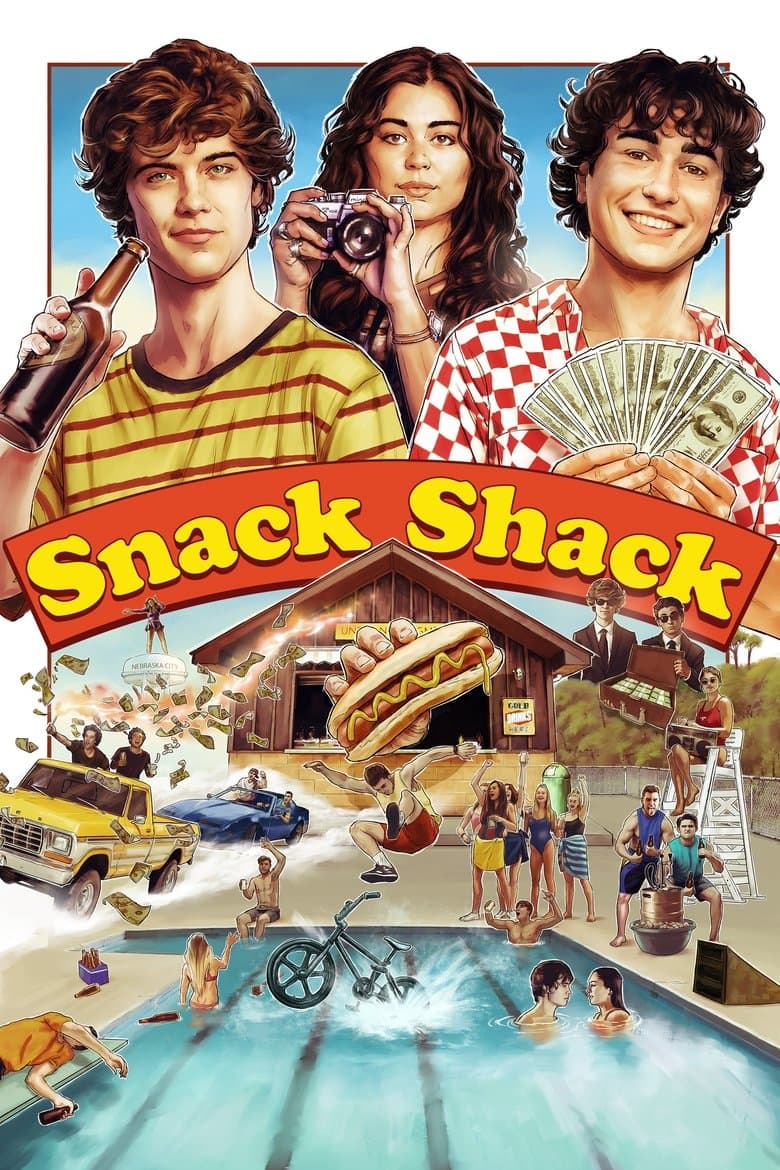
Movie · 2024
Inseparable best friends AJ and Moose decide to run the local pool's snack shack after their plan to sell home-brewed beer goes down the drain.
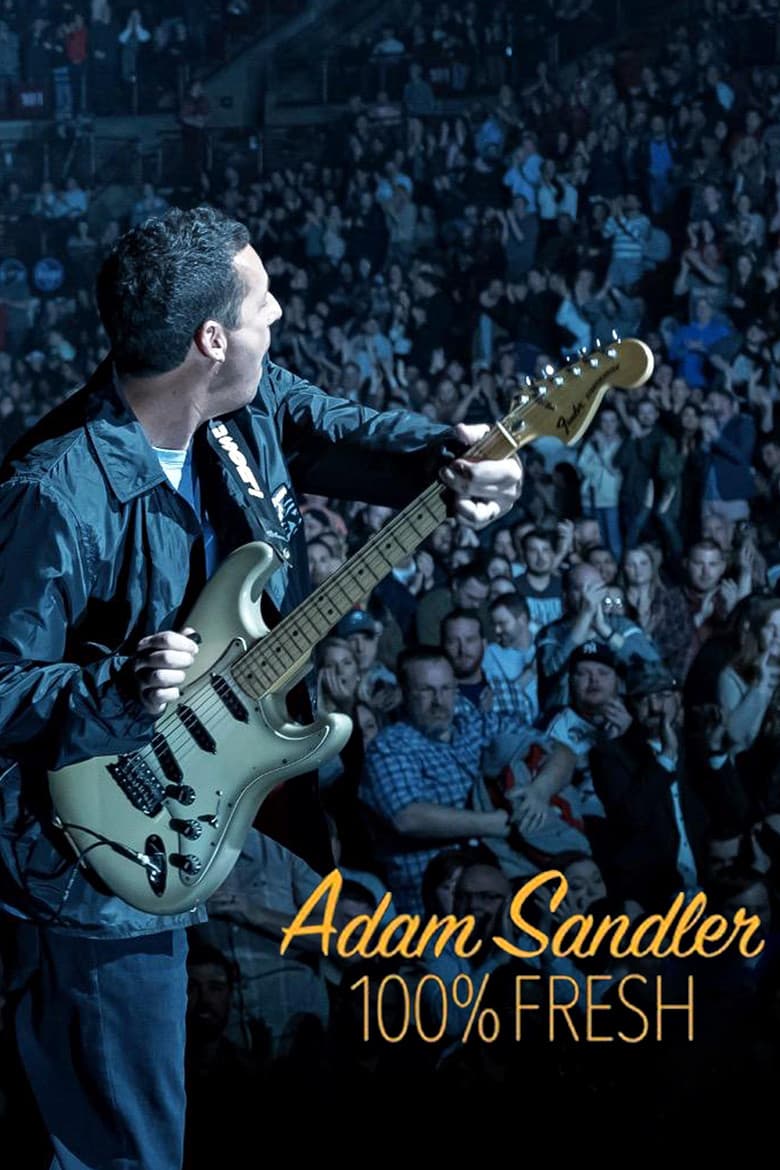
Movie · 2018
Adam Sandler takes his comical musical musings back out on the road, from comedy clubs to concert halls to one very unsuspecting subway station.
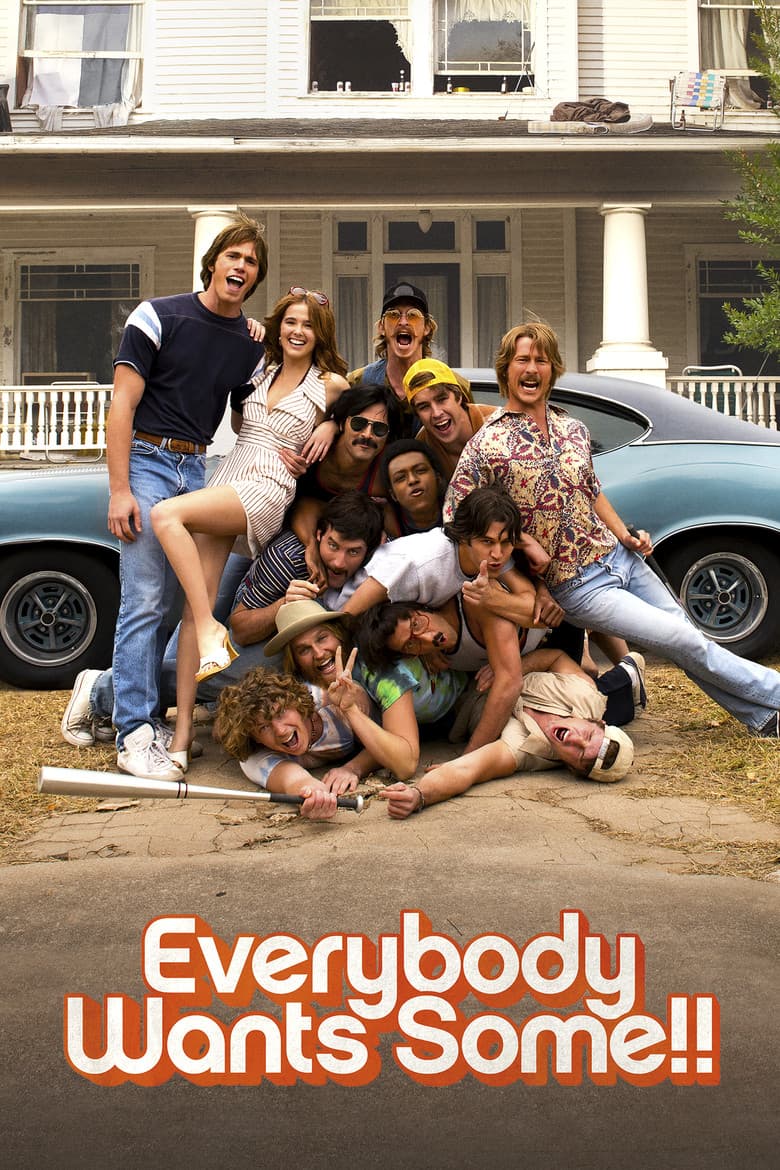
Movie · 2016
A comedy that follows a group of friends as they navigate their way through the freedoms and responsibilities of unsupervised adulthood.

Movie · 2024
Emotions run high when three estranged sisters reunite in a cramped New York City apartment to watch over their ailing father during his final days.
