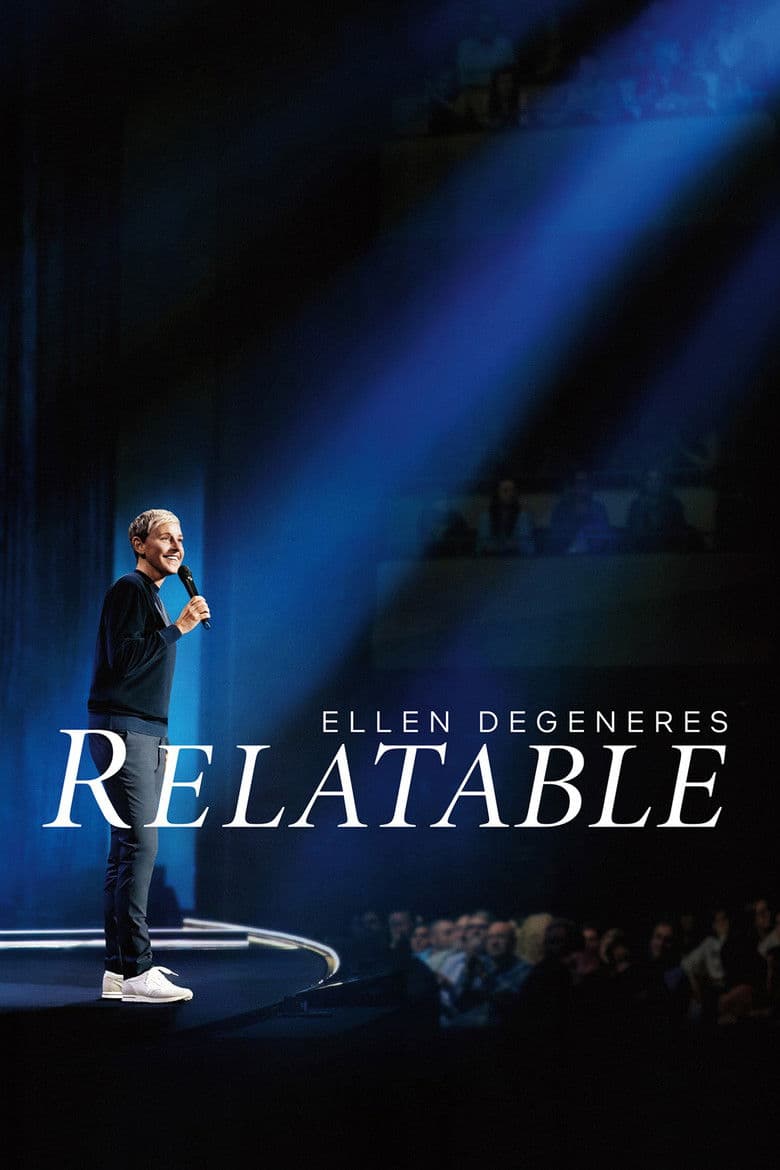
Ellen DeGeneres returns to stand-up after a long break and performs alone on a Seattle stage. She looks back at her rise from a poor childhood and small comedy jobs to daytime fame, while asking whether a very rich celebrity can still seem relatable. She jokes about butlers, travel, restaurants, dancing, and the pressure to stay kind in public. The tone stays bright and playful, but it turns serious when she recalls losing her sitcom and losing people after coming out.
The special gives a large part of its personal story to Ellen's life as a gay woman. She talks about hiding her sexuality, coming out in public, losing her show, and later living openly with her wife, Portia. She also jokes about a TV manager who doubted that viewers would watch a lesbian and about being told to look more feminine. The special ends by linking fear, self-acceptance, and the idea that gay people and straight people share the same basic feelings.
Community feedback
Was our 69% Woke rating accurate?
Breakdown
These are the editorial factors and ratings behind our score for Ellen DeGeneres: Relatable.
Woke representation / casting
Ellen DeGeneres is the only featured performer, and the special presents her openly as a lesbian woman. The show gives clear screen time to her coming out, the loss of her sitcom, and the question of whether daytime viewers would watch a lesbian. Netflix also labels the title as LGBTQ+ and Coming Out. This makes identity part of the visible lead presentation, even though the special is not an ensemble cast.
72%
Woke political dialogue
Ellen uses several spoken jokes about being a lesbian in television and about people fearing gay identity. She says a station manager thought viewers would not watch a lesbian during the day. She turns the costs of coming out into a mock ad about losing friends, family, and work. The special has no repeated political speech, so the dialogue signal stays limited.
24%
Identity-driven story themes
Ellen builds a major part of the set around hiding her sexuality and choosing to come out. She links that choice to losing her sitcom, losing friends, and later living openly with Portia. She treats being gay as a central part of her personal growth and ends by saying gay and straight people share the same basic feelings. The rest of the show returns to money, fame, travel, and everyday jokes.
70%
Western institutional / cultural critique
Ellen describes a TV manager who doubted that a lesbian could draw daytime viewers. She jokes that the network made her tone herself down and wear feminine necklaces. These moments question old entertainment rules about sexuality and how women should look. The special does not turn them into a wider attack on Western institutions or social traditions.
18%
Woke character or canon changes
Not relevant. The special is an original stand-up performance. It does not change an established character, source story, or historical figure.
0%
Anti-woke backlash and complaints
Not present. No title-specific anti-woke campaign or complaint was found. Online criticism centered on her wealth, the pace of the jokes, and whether the special felt relatable.
0%
Creator track record context
Ellen DeGeneres has a strong public link to LGBTQ representation. Tig Notaro has openly lesbian comedy work, and Neal Brennan often writes about race, gender, and social issues. Joel Gallen and Jeff Kleeman mainly have general entertainment and charity records. The team is mixed, but the strongest creator signals match the special's open discussion of Ellen's sexuality.
52%
Production
Movie · 2024
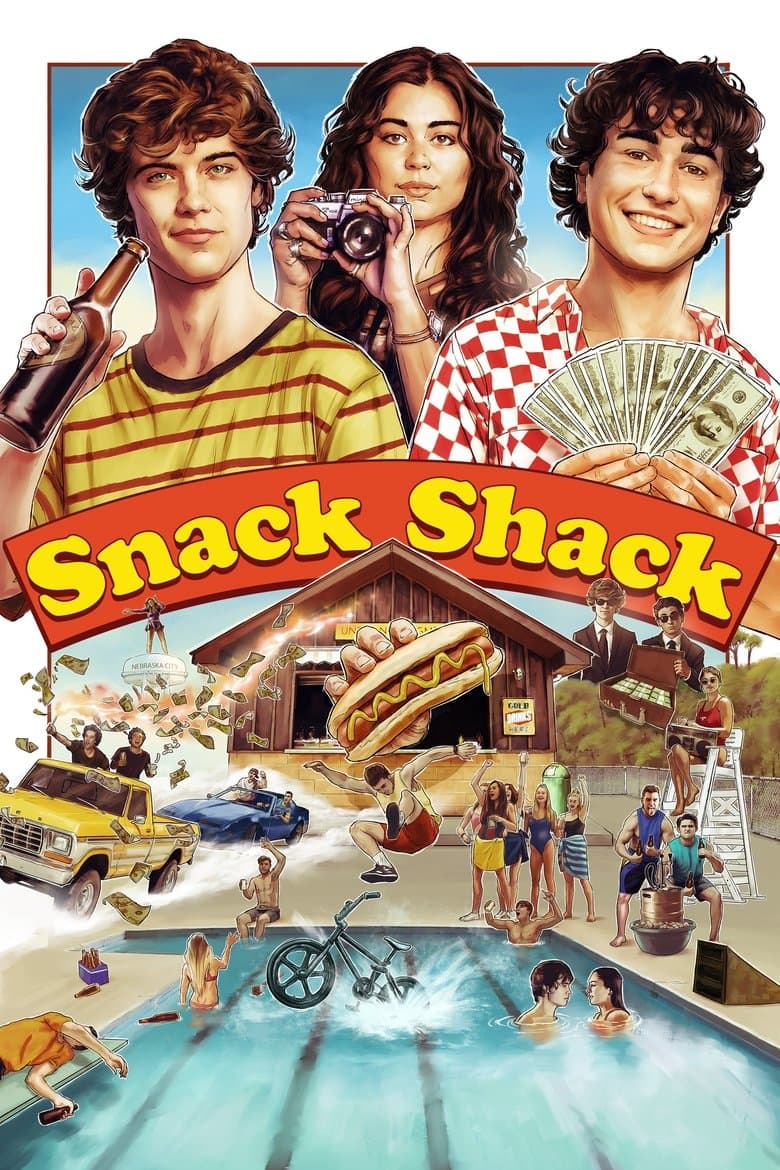
Inseparable best friends AJ and Moose decide to run the local pool's snack shack after their plan to sell home-brewed beer goes down the drain.
Movie · 2023
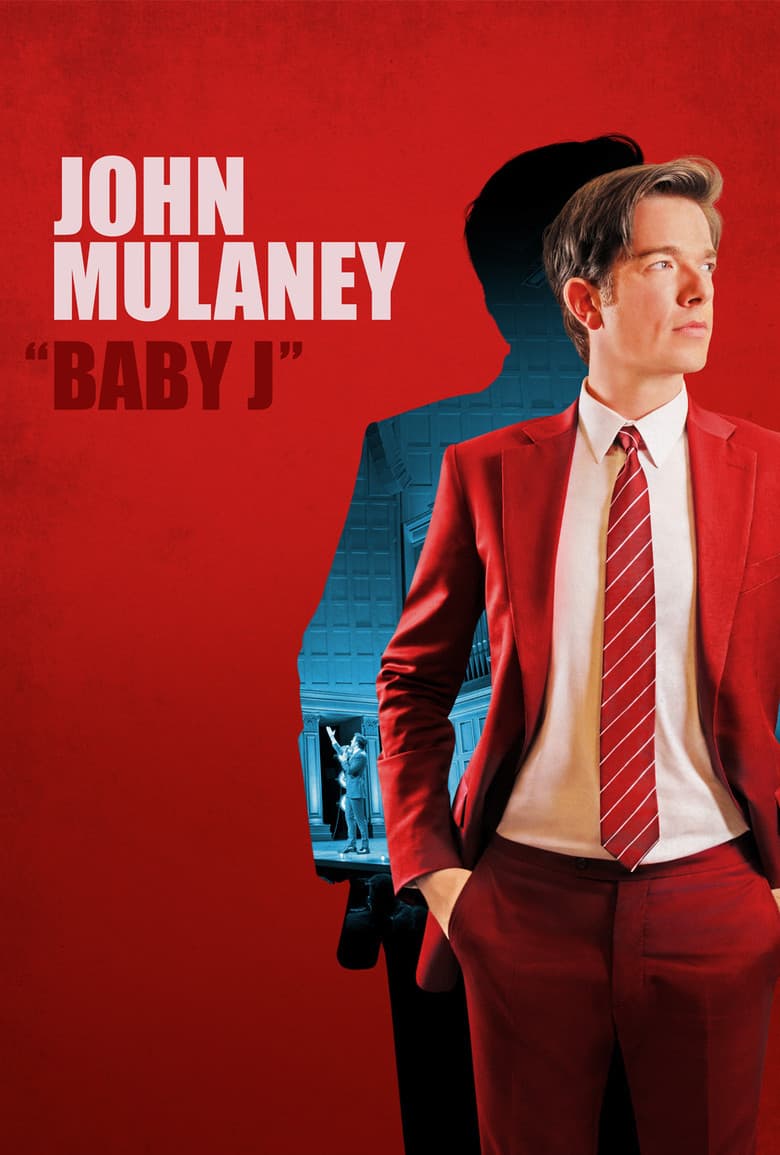
A chaotic intervention. An action-packed stay in rehab. After a weird couple of years, John Mulaney comes out swinging in his return to the stage.
Movie · 2016
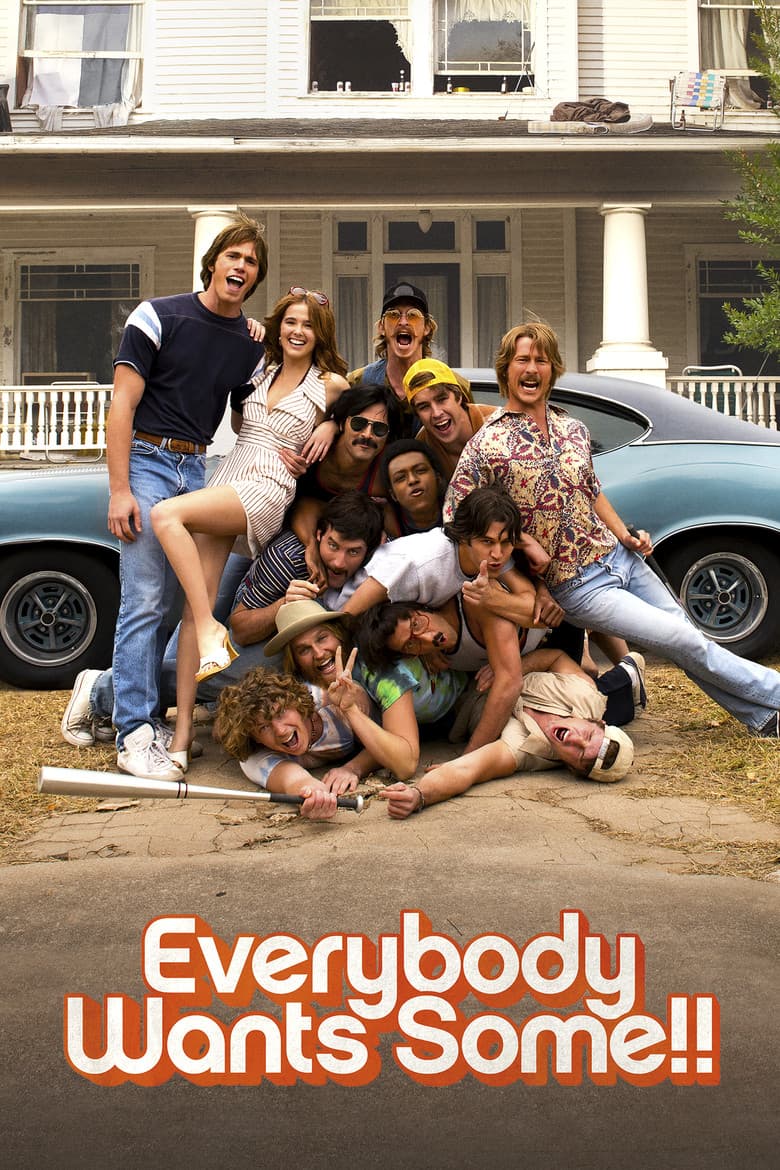
A comedy that follows a group of friends as they navigate their way through the freedoms and responsibilities of unsupervised adulthood.
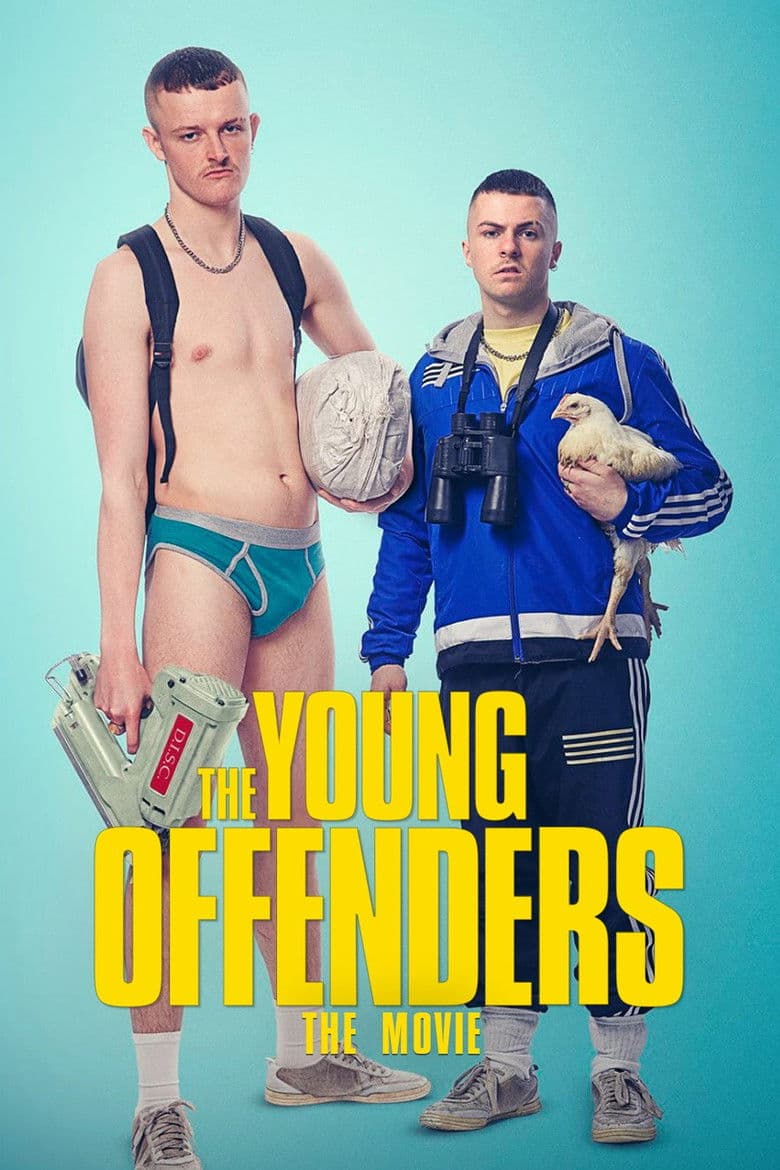
Movie · 2016
Two teenage boys from inner-city Cork steal bicycles and ride off on a 160km quest to find an unrecovered bale of cocaine worth 7,000,000 euros.
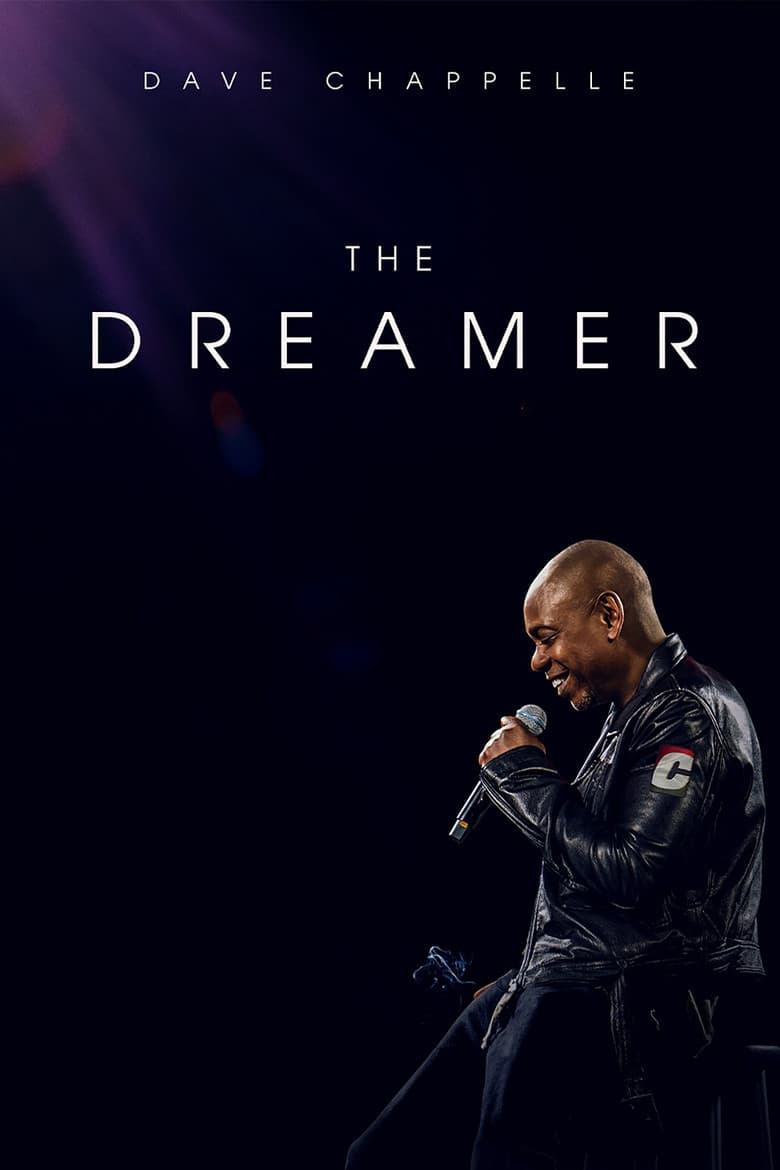
Movie · 2023
From his onstage tackle to the slap heard round the world, Dave Chappelle lets loose in this freewheeling and unfiltered stand-up comedy special.
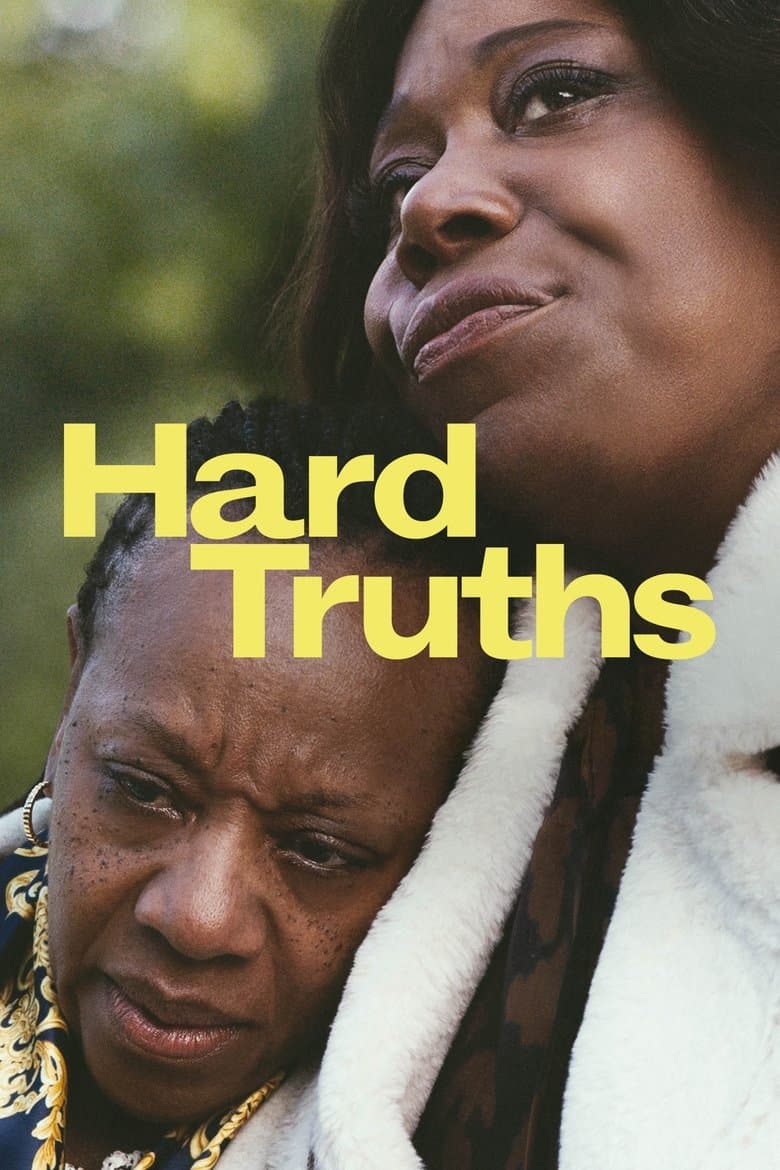
Movie · 2024
Pansy is a woman so full of rage that every interaction she has devolves into lashing out, whether at her utterly cowed husband and son, or random strangers who have the temerity…

Movie · 2022
Exploring every facet of ‘Weird Al’ Yankovic’s life, from his meteoric rise to fame with early hits like ‘Eat It’ and ‘Like a Surgeon’ to his torrid celebrity love affairs and…
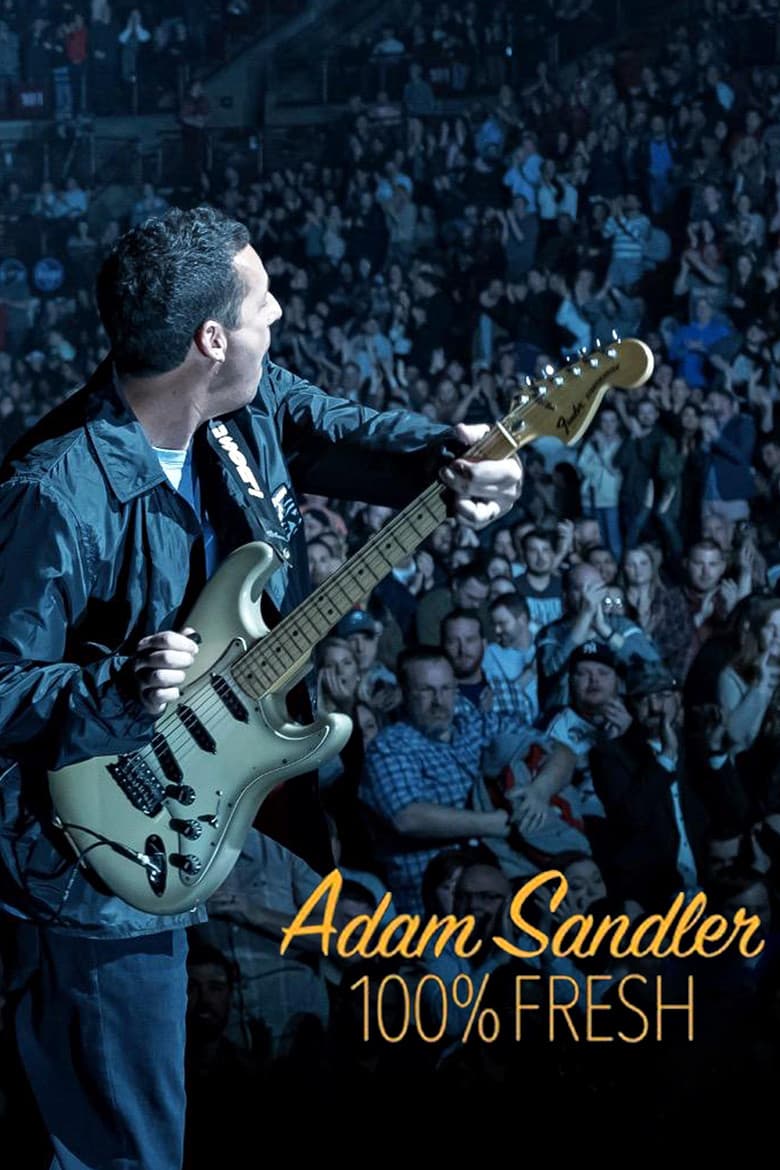
Movie · 2018
Adam Sandler takes his comical musical musings back out on the road, from comedy clubs to concert halls to one very unsuspecting subway station.
