
Eileen follows a lonely 24-year-old woman who works as a secretary at a prison for boys in Massachusetts during the winter of 1964. She lives with her angry, alcoholic father, who insults her and treats her like a burden. Eileen spends her days hiding her anger and her nights imagining sex, death, and escape. Her life changes when Rebecca, a smart and stylish prison counselor, begins paying attention to her, but the friendship leads toward murder and danger.
The movie makes the attraction between Eileen and Rebecca a central part of the story. Rebecca is presented as a lesbian, while Eileen’s feelings mix sexual desire, loneliness, and the wish to become like her. The story gives this same-sex bond much of its screen time and uses it to start the crime plot. The relationship is dark and manipulative, not a simple statement about queer identity, but the queer element is hard to miss. The movie also repeatedly shows men as cruel, threatening, or careless, especially Eileen’s father and the men around the prison.
Community feedback
Was our 50% Woke rating accurate?
Breakdown
These are the editorial factors and ratings behind our score for Eileen.
Woke representation / casting
Not present. The two lead characters are white women in a mostly white Massachusetts setting. The movie does not present a mixed identity lineup or a visible diversity-first casting message.
0%
Woke political dialogue
Not present. The characters discuss prison cases, abuse, and personal desire. The movie does not use modern political speeches or activist slogans.
0%
Identity-driven story themes
The movie makes Eileen’s attraction to Rebecca central to the plot. Rebecca is presented as a lesbian, while Eileen’s feelings mix sexual desire, loneliness, and the wish to become like her. The story uses this same-sex bond to move Eileen into lies, violence, and crime. The relationship is dark and manipulative, not a simple happy romance, but the queer element is hard to miss.
74%
Western institutional / cultural critique
The movie repeatedly shows men as cruel, controlling, or threatening. Eileen’s father humiliates her, male prison workers overlook her, and men bother Rebecca at a bar. The story makes the women’s wish to escape male control part of its main emotional drive. The setting is the 1960s, and the movie does not turn this conflict into a direct modern attack on Western institutions.
32%
Woke character or canon changes
Not relevant. The movie adapts a novel, but it does not make an identity-driven change to an established character or real historical event. Its changes concern plot details and the final turn.
0%
Anti-woke backlash and complaints
Not present. Public discussion centered on the twist, the slow pace, and whether the attraction was a romance. No major reports show viewers accusing the movie of pushing DEI or identity politics.
0%
Creator track record context
The cached record gives Moshfegh and Goebel low scores and no clear activist history. Oldroyd’s score is higher because his films often follow women pushing against harsh social limits. Interviews about Eileen focus on genre, character, and performance, with Hathaway describing Rebecca as a brilliant woman protecting herself in a period that gave women less power. The context supports a mild feminist signal, not a strong activist record. The other cached producers and casting staff also have low scores.
24%
Production

Movie · 2023
A small, wealthy family in New York City gets progressively torn apart by secrets, lies, and the theft that orchestrates all of it.

Movie · 2017
A getaway driver for a bank robbery realizes he has been double crossed and races to find out who betrayed him.

Movie · 2023
After a fateful miss, an assassin battles his employers, and himself, on an international manhunt he insists isn't personal.

Movie · 2016
A paraplegic computer engineer who moves in a wheelchair and works in his basement starts hearing noises and voices of bank-robbers.

Movie · 2019
During the 1980s, a failed stand-up comedian is driven insane and turns to a life of crime and chaos in Gotham City while becoming an infamous psychopathic crime figure.

Movie · 2015
An idealistic FBI agent is enlisted by a government task force to aid in the escalating war against drugs at the border area between the U.S. and Mexico.
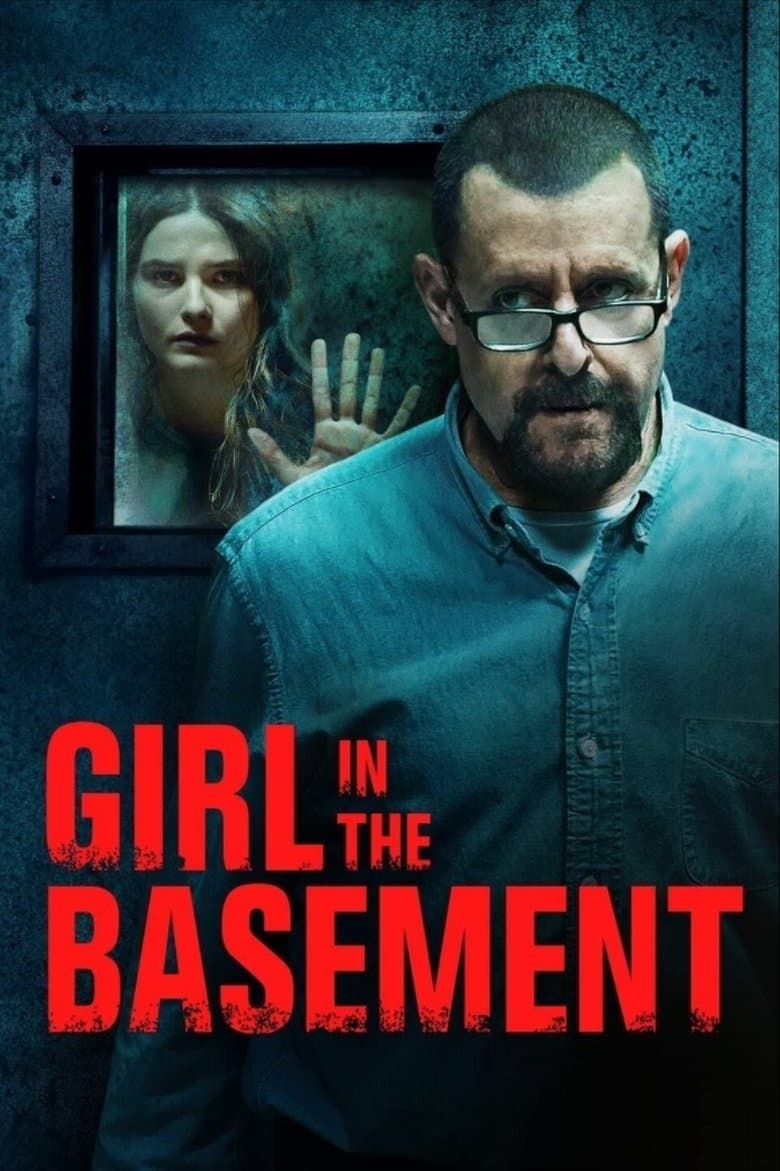
Movie · 2021
Sara is a teen girl who is looking forward to her 18th birthday to move away from her controlling father Don.

Movie · 2020
Ex heroin junkie, Daniel Léger, gets involved in a drug deal with the wrong people for the wrong reasons. When the deal goes sour, Daniel gets thrown into a Thai prison and…
