
At the End of the Tunnel follows Joaquín, a lonely computer engineer who uses a wheelchair after an accident kills his wife and daughter. He lives in a worn house in Argentina and rents a room to Berta, a stripper, and her young daughter. From his basement, Joaquín hears thieves digging under the house to rob a nearby bank. The film mixes dark family drama, crime, and tight suspense as he decides whether to expose the gang or steal from it.
The film gives a disabled man the main heroic role, and his wheelchair shapes the danger, movement, and suspense. Berta and her daughter help pull Joaquín back toward ordinary life, while the story also uses single motherhood, child trauma, and sexual violence as serious plot points. Joaquín must choose between justice, revenge, and taking the thieves' money when the police cannot be trusted. The strongest themes are grief, guilt, greed, survival, and the chance to begin again.
Community feedback
Was our 18% Woke rating accurate?
Breakdown
These are the editorial factors and ratings behind our score for At the End of the Tunnel.
Woke representation / casting
Leonardo Sbaraglia plays the central wheelchair-using hero, so disability is an audience-visible part of the lead casting. The actor trained with wheelchair users for the role, but interviews present this as preparation for a difficult part, not as a diversity campaign. Clara Lago plays a major single mother, while the cast otherwise fits the Argentine and Spanish crime story. The film has a small representation element but no broad identity-based casting pattern.
14%
Woke political dialogue
Not present. The characters talk about the robbery, threats, grief, and survival. The film has no modern identity, DEI, or activist lines.
0%
Identity-driven story themes
The story puts a wheelchair user at the center of the action and makes his mobility part of the danger. Joaquín's recovery from grief is tied to proving that he can still act, plan, and protect others. Berta's single motherhood and her daughter's silence shape the family subplot. These identity details support a personal crime story about grief, guilt, and survival.
16%
Western institutional / cultural critique
Not present. The corrupt policeman and the bank robbery serve the crime plot. The film does not attack capitalism, patriarchy, Christianity, or Western institutions through modern activist framing.
0%
Woke character or canon changes
Not relevant. The film is an original screenplay by Rodrigo Grande. It does not change an established character, franchise, historical figure, or known real event.
0%
Anti-woke backlash and complaints
Not present. Audience discussion mainly praised the thriller or questioned its plot logic. No sustained anti-woke complaint, boycott, or review-bombing appeared.
0%
Creator track record context
Vanessa Ragone has a strong public record supporting gender equality, women, and trans communities. Jimena Blanco has a smaller women-centered film pattern. Rodrigo Grande, Gerardo Herrero, and Axel Kuschevatzky are mostly linked to crime, social, or democracy-focused work instead of identity campaigns. This gives the production some activist background, but the film itself has no matching identity message.
30%
Production

Movie · 2021
Ten years after he was last seen, a vicious mob enforcer returns home to find his son and methodically track down the gang that double-crossed him.

Movie · 2025
When a mentally ill young man thinks he witnesses an abduction and the police refuse to believe him, he reluctantly turns to his next door neighbor – a bitter, retired security…
Movie · 2025
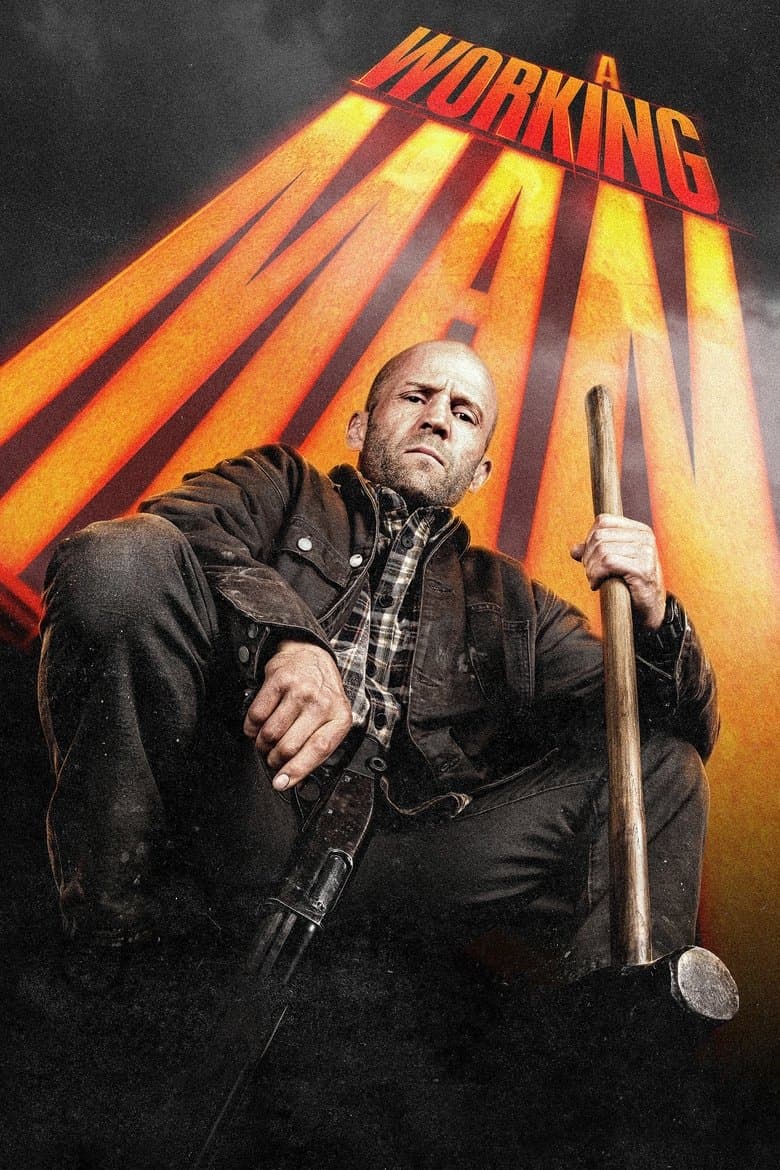
Levon Cade left behind a decorated military career in the black ops to live a simple life working construction.

Movie · 2018
Agent Matt Graver teams up with operative Alejandro Gillick to prevent Mexican drug cartels from smuggling terrorists across the United States border.

Movie · 2024
While awaiting the next fuel truck at a middle-of-nowhere Arizona rest stop, a traveling young knife salesman is thrust into a high-stakes hostage situation by the arrival of two…

Movie · 2025
Newly released from prison and marked for death by unrelenting enemies, Nate must now protect his estranged 9-year-old daughter, Polly, at all costs.
Movie · 2021
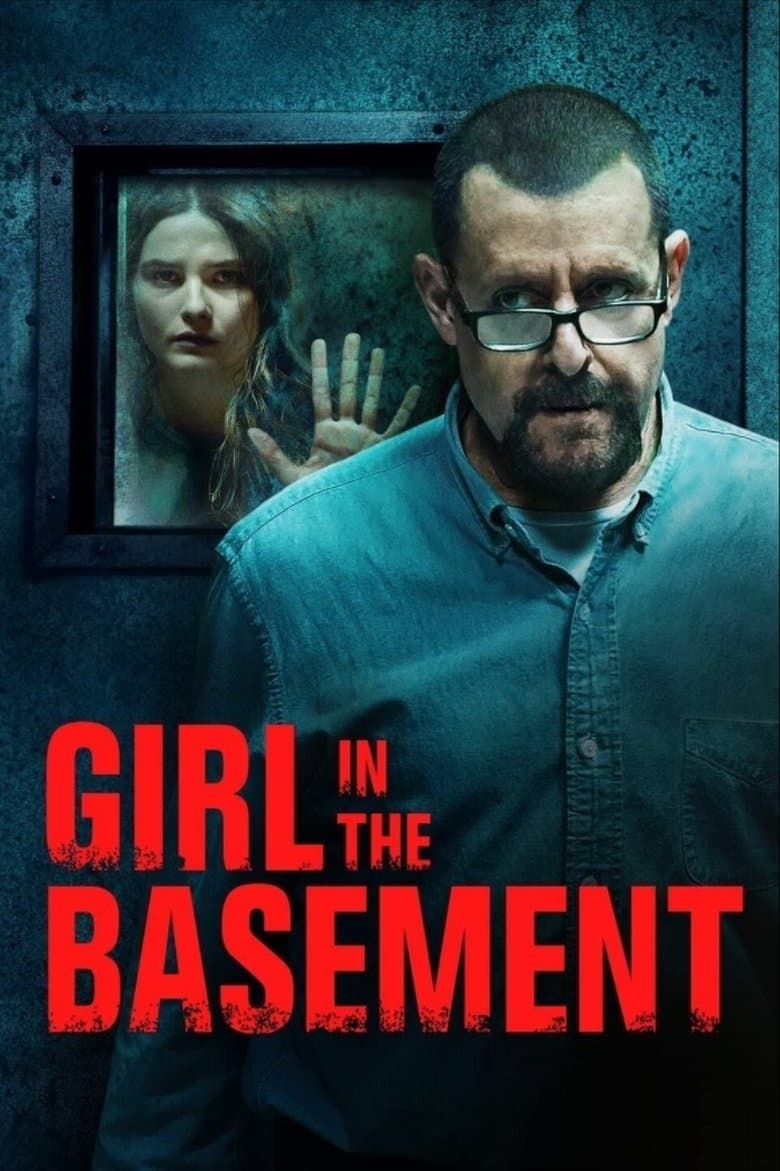
Sara is a teen girl who is looking forward to her 18th birthday to move away from her controlling father Don.

Movie · 2017
A newly-released prison gangster is forced by the leaders of his gang to orchestrate a major crime with a brutal rival gang on the streets of Southern California.
