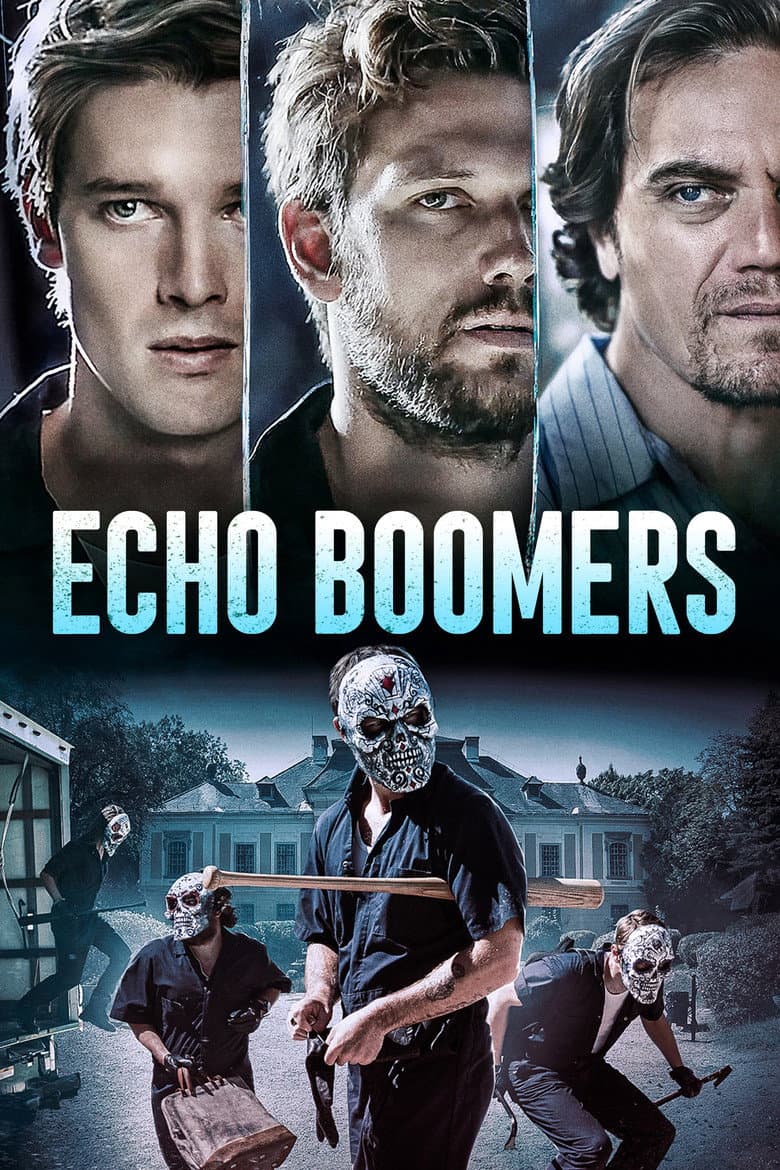
Echo Boomers follows Lance Zutterland, a recent college graduate who cannot find work after leaving school with heavy debt. In Chicago, his cousin Jack brings him into a crew that breaks into the homes of wealthy people and steals art, cash, and other valuables. The group says it is fighting a rigged system, but it keeps the money and spends it on drugs, parties, cars, and status. The movie uses jail interviews, voice-over, fast cuts, and crime scenes to give the story a flashy and restless tone.
The movie makes economic anger and the gap between young adults and wealthy older people its main social message. Lance and the crew speak about debt, lost chances, and taking back what they think the rich owe them. The story also shows that their protest is selfish, because they become greedy and hurt people while claiming to fight greed. The film gives some attention to class and generational conflict, but it does not center race, gender, sexuality, religion, or diversity.
Community feedback
Was our 44% Woke rating accurate?
Breakdown
These are the editorial factors and ratings behind our score for Echo Boomers.
Woke representation / casting
Not present. The cast includes a woman and actors from more than one racial background, but the movie does not make those traits part of the conflict or message. No identity-based casting message appears on screen.
0%
Woke political dialogue
The thieves repeatedly talk about debt, lost jobs, the rich, and fighting the system. Lance uses voice-over lessons and slogan-like lines to explain why the crew steals. The dialogue presents their actions as a reply to economic unfairness, even though the crew keeps the money for itself. These ideas return throughout the film, but they do not become a long political speech.
44%
Identity-driven story themes
The story centers on young graduates who blame wealthy older people for blocking their future. The crew treats theft and destruction as a protest against economic inequality and a system that favors millionaires. The film undercuts that view by showing their greed, cruelty, and desire for status. The class and generational message drives the crime plot, but race, gender, sexuality, and representation are not story themes.
40%
Western institutional / cultural critique
The movie portrays the economic system and wealthy elite as forces that shut out indebted graduates. The thieves use Occupy-style anger and attacks on rich homes to challenge the idea that hard work guarantees success. The film repeatedly sets the young crew against the one percent and the older generation. The story also questions the protest because the crew copies the greed and status seeking it attacks.
46%
Woke character or canon changes
Not relevant. The movie is an original crime story loosely inspired by reports of real robberies. It does not change a known character, source character, or real figure through race, gender, or sexuality.
0%
Anti-woke backlash and complaints
Not present. No qualifying complaints were found. Reviews and audience comments criticized acting, pace, and the confused class message rather than calling the movie woke or DEI. The separate X research found no anti-woke reaction or specific complaints.
0%
Creator track record context
A few producers have past work about representation or transgender inclusion, including Kelly Mi Li and Carlos Cuscó. Seth Savoy and writers Kevin Bernhardt and Jason Miller have low cached scores and no clear identity-politics pattern. Savoy’s interviews focus on debt, generational anger, and political commentary rather than diversity or queer themes.
18%
Production
Movie · 2018
The amazing true story of Billy Moore, an English boxer incarcerated in Thailand’s most notorious prison. Thrown into a world of drugs and violence, he finds his best chance to…
Movie · 2019
One memorable night in the life of veteran patrol officer Ray Mandel and his trainee, ambitious rookie cop Nick Holland in the LAPD's Olympic Division.

Movie · 2016
In the fourth installment of the fighting franchise, Boyka is shooting for the big leagues when an accidental death in the ring makes him question everything he stands for.
Movie · 2016
A man is out for justice after a group of corrupt police officers are unable to catch his wife's killer.

Movie · 2023
When his aging mob boss is whacked, Charlie Swift, a loyal friend and hired gun, will stop at nothing to destroy the upcoming crew that took him out.

Movie · 2022
Decorated veteran Will Sharp, desperate for money to cover his wife's medical bills, asks for help from his adoptive brother Danny.
Movie · 2024
A Chicago detective travels to Scotland after an emerging serial killer’s crimes match those that he investigated five years earlier, one of which was the crime scene of his…
Movie · 2016
As Batman hunts for the escaped Joker, the Clown Prince of Crime attacks the Gordon family to prove a diabolical point mirroring his own fall into madness.
