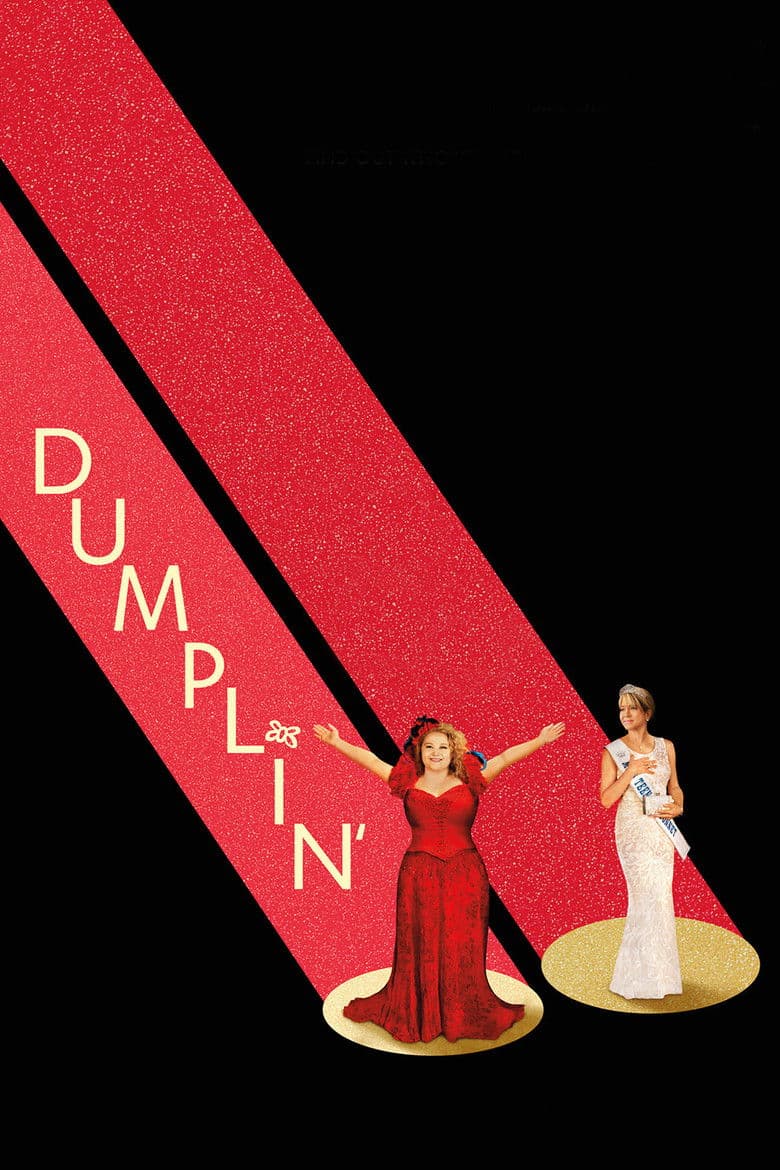
Willowdean “Dumplin’” Dickson is a confident Texas teenager who still feels hurt by her mother’s beauty rules. Rosie, a former pageant winner, runs the local Miss Teen Bluebonnet contest and judges life through looks. After Willowdean loses her beloved aunt, she enters the pageant to challenge Rosie and the contest. Her friends Ellen, Millie, and Hannah join her, while romance and family pain complicate the plan. The movie uses bright comedy, Dolly Parton songs, and sad moments in a small town.
The movie makes body acceptance its main message. Willowdean and Millie are plus-size girls who enter a beauty contest without trying to lose weight. They reject the idea that only thin girls can look good or belong. The friends use a swimsuit message and a protest to challenge beauty rules, while Hannah speaks against the patriarchy. Drag queens help the girls prepare and give the story a clear queer-friendly side, but the film keeps its focus on female friendship, self-worth, and the mother-daughter bond.
Community feedback
Was our 77% Woke rating accurate?
Breakdown
These are the editorial factors and ratings behind our score for Dumplin'.
Woke representation / casting
Willowdean is a plus-size teen in the lead role, and the film treats her size as part of the story rather than a joke. Millie is another plus-size teen with a major pageant role. The film also gives drag performers important support roles. The pageant plot makes this casting part of a clear message about who gets to be seen as beautiful.
55%
Woke political dialogue
Willowdean calls entering the pageant a protest in heels. Hannah leads the chant, “Hey, hey, ho, ho, patriarchy has got to go,” at the talent tryout. The friends also use words such as revolution and body rules while they argue about the pageant. Most dialogue still covers grief, friendship, romance, and family, so the political wording is clear but limited.
37%
Identity-driven story themes
Willowdean enters the pageant to challenge the idea that thin girls deserve the most respect and attention. The story repeatedly says that people can be beautiful and worthy without changing their bodies. Willowdean, Millie, and their friends turn the pageant into a public stand for body acceptance and female self-worth. Drag queens bring queer culture into the story, and Hannah adds a feminist edge. The ending rewards self-acceptance and changes how the town sees the contestants.
74%
Western institutional / cultural critique
The pageant is shown as a local system that judges girls by looks, clothes, weight, and polished behavior. Willowdean and Hannah treat that system as part of a larger problem with narrow rules for women. Rosie’s old beauty-queen ideals hurt her relationship with Willowdean, and the film asks her to change. The story does not attack Christianity or wider Western institutions, so the critique stays focused on beauty culture and gender rules.
45%
Woke character or canon changes
The movie changes Hannah from an openly lesbian, half-Dominican character in the book into a less clearly described feminist friend. The film keeps her anti-pageant and feminist role but gives less direct attention to her sexuality and background. This is a small change to a secondary character, and the movie does not add a new race or gender swap.
16%
Anti-woke backlash and complaints
One tiny X account called the film liberal because of its fat-positive message and gay or drag-queen content. Another small X post used a garbled culture-war description of Willowdean’s body and sex. One low-reach audience review also accused the film of normalizing or promoting obesity through body positivity. The available coverage shows no large boycott or review-bombing drive.
16%
Creator track record context
Julie Murphy’s work often centers fat acceptance, queer identity, and young people who resist body rules. Kristin Hahn described this movie as being about body positivity, inclusion, and women defining beauty for themselves. Anne Fletcher has a record of supporting women in filmmaking, and this film continues that female-centered focus. The other producers mostly have ordinary business, liberal, or professional profiles, so creator context supports the movie’s themes without proving a political campaign.
48%
Production
Movie · 2023
The true story of how Dave Fishwick, a working class man and self-made millionaire, fought to set up a community bank so that he could help the local businesses of Burnley not…

Movie · 2022
The remarkable true story of how retiree Jerry Selbee discovers a mathematical loophole in the Massachusetts lottery and, with the help of his wife, Marge, wins $27 million…
Movie · 2024
Emotions run high when three estranged sisters reunite in a cramped New York City apartment to watch over their ailing father during his final days.
Movie · 2016
Mia, an aspiring actress, serves lattes to movie stars in between auditions and Sebastian, a jazz musician, scrapes by playing cocktail party gigs in dingy bars, but as success…
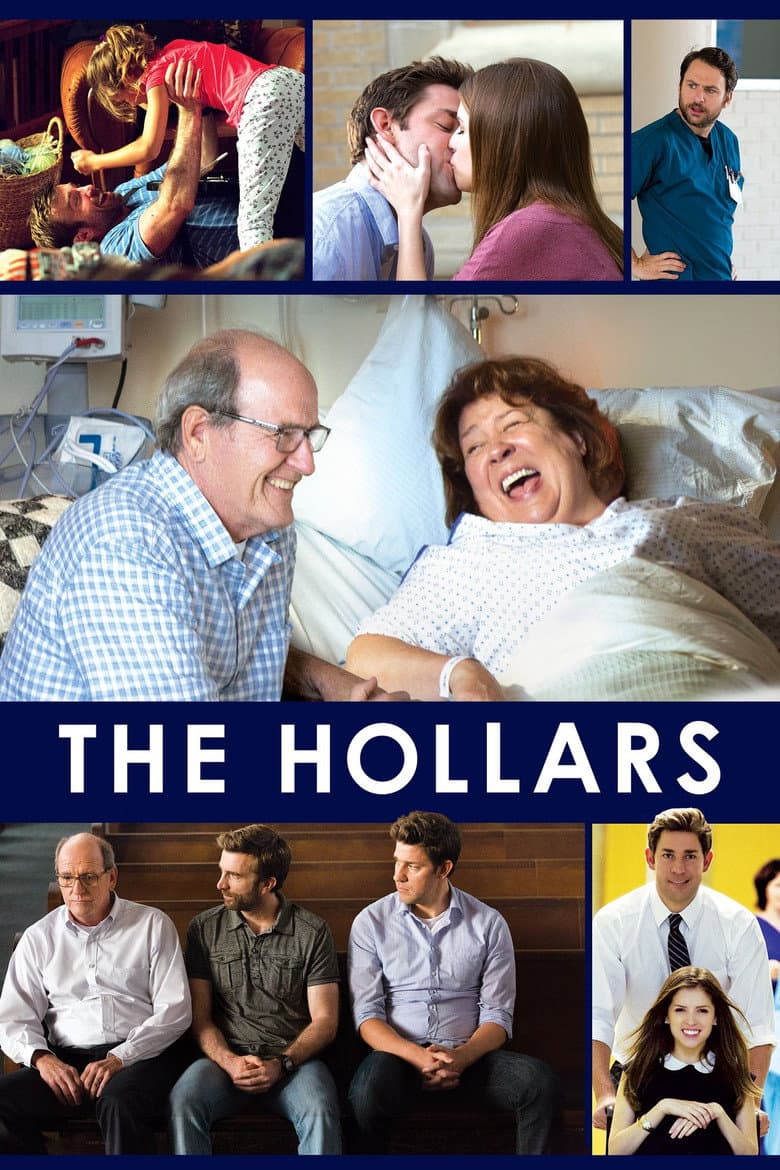
Movie · 2016
Aspiring New York City artist John Hollar returns to his Middle America hometown on the eve of his mother’s brain surgery.
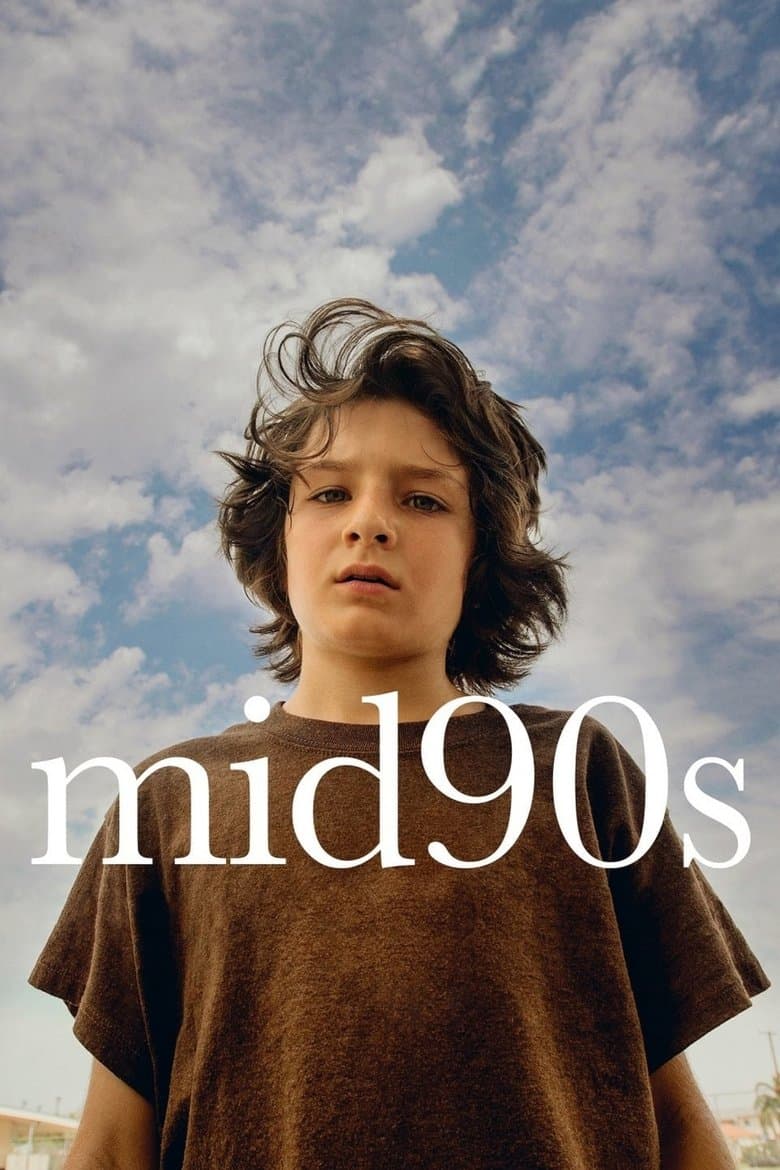
Movie · 2018
In 1990s Los Angeles, a 13-year-old spends his summer navigating between a troubled home life and a crew of new friends he meets at a skate shop.
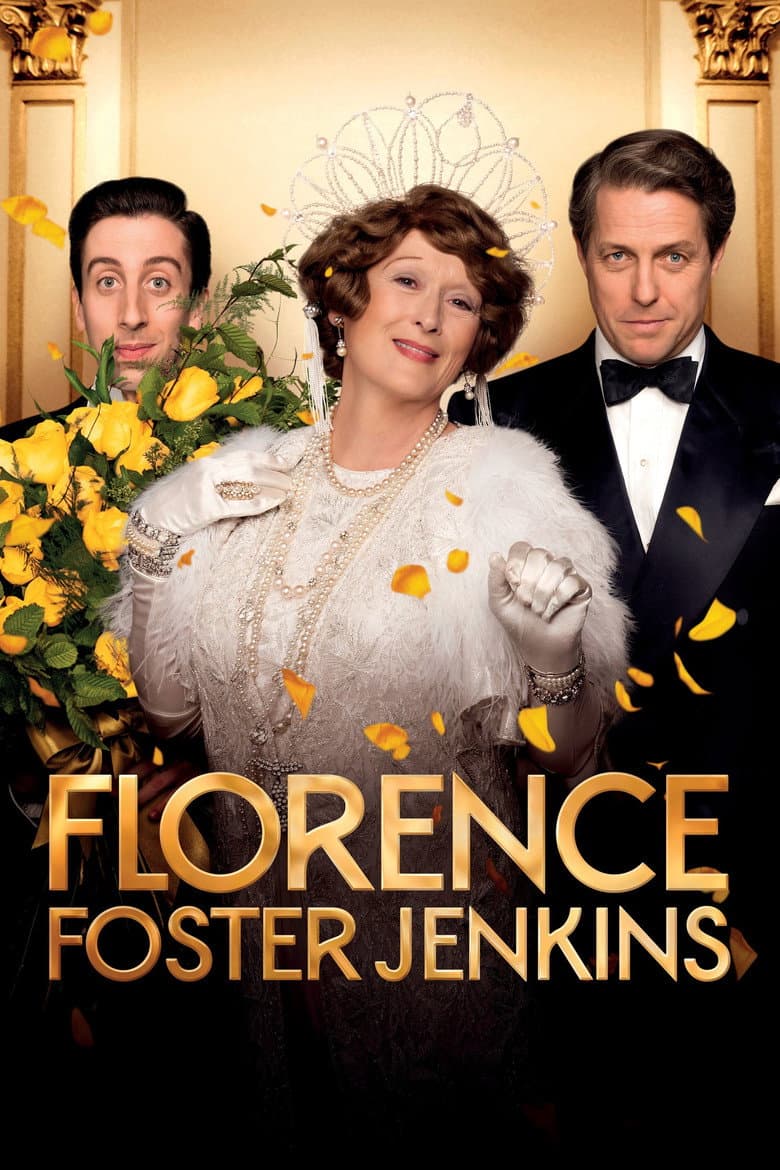
Movie · 2016
The story of Florence Foster Jenkins, a New York heiress, who dreamed of becoming an opera singer, despite having a terrible singing voice.
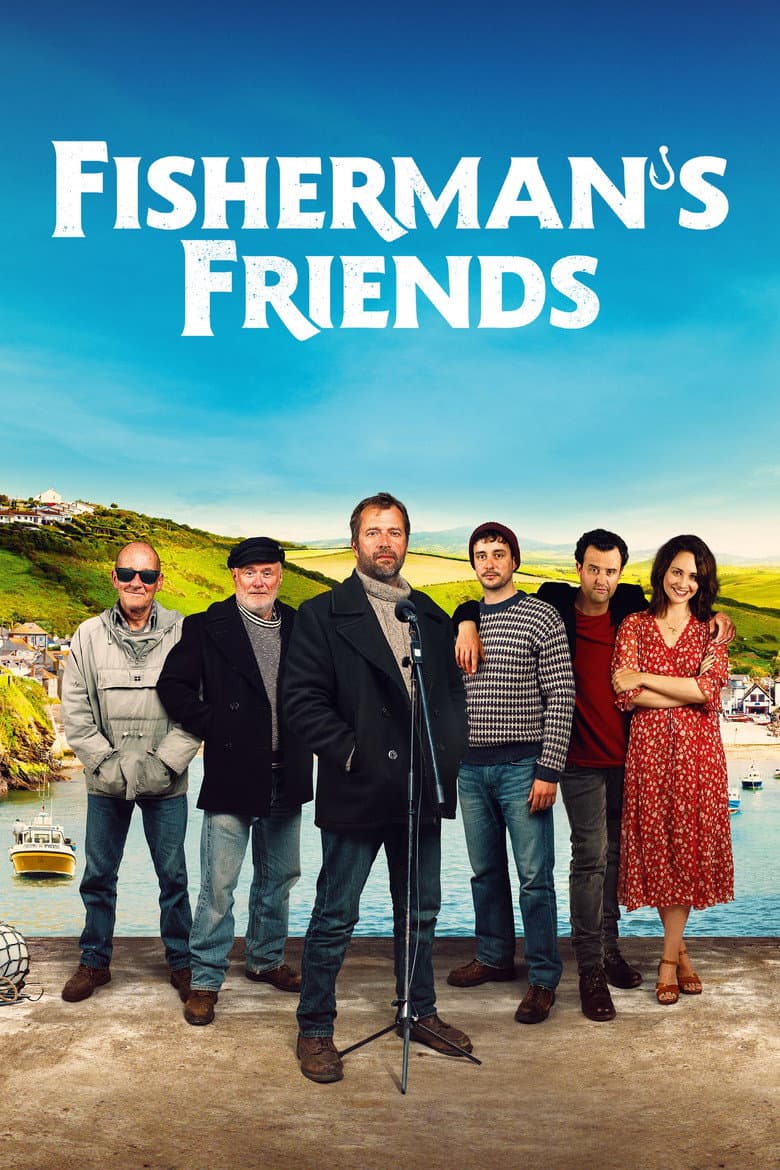
Movie · 2019
Ten fishermen from Cornwall are signed by Universal Records and achieve a top ten hit with their debut album of Sea Shanties.
