
Don't Worry Darling is a psychological thriller set in Victory, an idealized 1950s-style company town. Alice lives a glossy housewife routine with her husband Jack while the men commute to a secret Victory Project. Missing neighbors, gaslighting, and surreal hallucinations push her to question the perfect surface of her life. She learns Victory is a simulation built so men can trap their partners in a traditional domestic fantasy. In the real world Alice is a surgical resident, and unemployed and resentful Jack put her into the system without her consent.
The film’s spine is Alice’s awakening, her resistance to male control, and her escape, with Frank as the charismatic guru founder. The whole plot works as a modern gender-politics story in which men who feel threatened by women’s autonomy and work imprison wives in a housewife simulation. Frank’s talk of order and belonging, the gaslighting of Alice as delusional, and Jack’s open defense of trapping her put gender-power ideas into key spoken scenes. The story targets traditional gender roles, male entitlement, the nuclear-family fantasy as a trap, and cult-like conservative online masculinity. Complicity in systems that serve some women while oppressing others is part of how the film frames the world Alice must leave.
Community feedback
Was our 84% Woke rating accurate?
Breakdown
These are the editorial factors and ratings behind our score for Don't Worry Darling.
Woke representation / casting
The leads and most of Victory look like a 1950s white suburban fantasy, which matches the story’s look. Supporting diversity is real with KiKi Layne as Margaret and Gemma Chan as Shelley. That casting is secondary and is not sold as a lead-level diversity campaign against the premise.
20%
Woke political dialogue
Frank’s talk about order, belonging, and hierarchy puts gender-power ideas on screen. Alice is gaslit as delusional in key scenes. Jack openly defends trapping her because real career life made them miserable. The film is not full of constant modern DEI slogans, but the argument is spoken and hard to miss.
50%
Identity-driven story themes
The whole plot is a modern gender-politics allegory. Men who feel threatened by women’s freedom and work lock wives in a 1950s housewife simulation. Alice’s awakening and escape drive the film. Research into incel culture, tradwife horror, and female liberation powers the story more than a plain thriller twist.
78%
Western institutional / cultural critique
The film attacks traditional gender roles, male entitlement, and the tradwife fantasy as a trap. It also targets cult-like conservative and online masculinity, with a Peterson-coded villain. The director described researching 4chan and white men on the internet. This is critique of Western gender norms, not only generic anti-tyranny.
74%
Woke character or canon changes
Not relevant. This is an original screenplay, not an identity-driven rewrite of established characters, canon, or real historical figures.
0%
Anti-woke backlash and complaints
Clear anti-woke reaction exists after Wilde tied Frank to Jordan Peterson. Peterson called the film propaganda from woke Hollywood. Some conservative coverage and audience posts treat it as feminist propaganda or man-hostile messaging. That volume is real but secondary to tabloid drama for many viewers.
48%
Creator track record context
Director Olivia Wilde is the main creative force and has a strong feminist public record on this film. Her interviews stress patriarchy, incels, female pleasure, and complicity. Other writers, producers, and casting names score lower or more neutral in the source. The weight follows the director’s clear activist framing of this title.
48%
Production
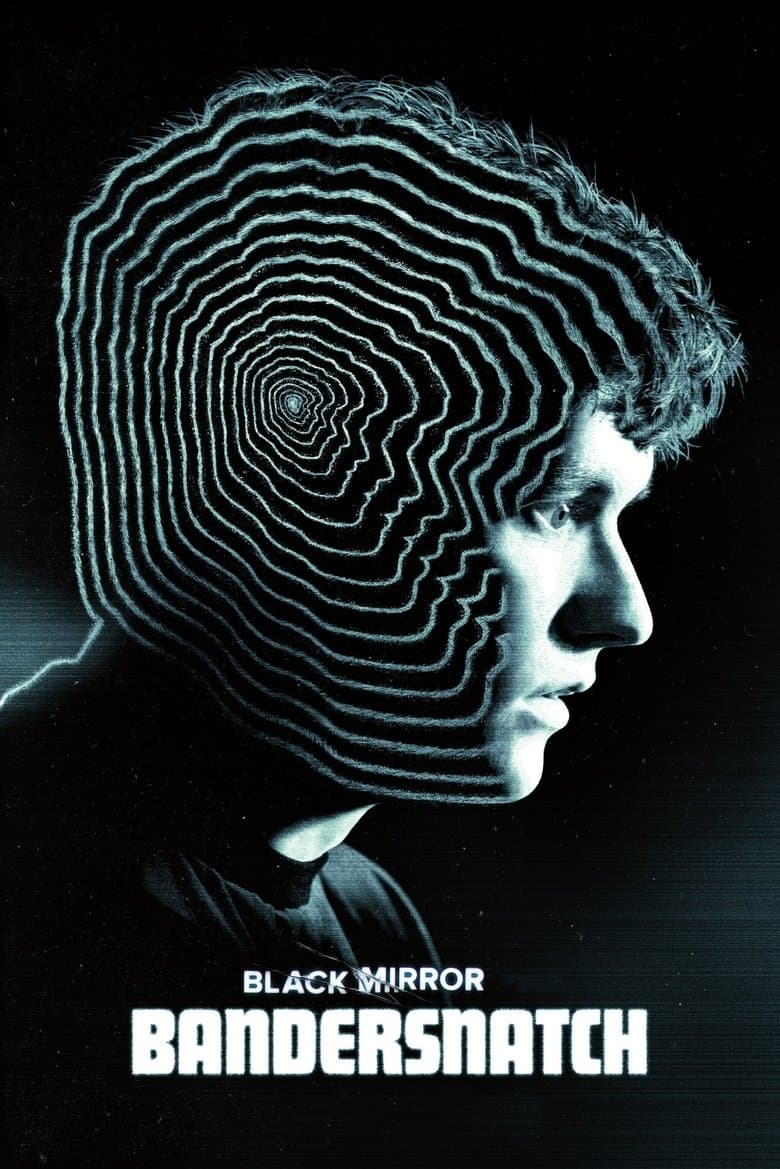
Movie · 2018
In 1984, a young programmer begins to question reality as he adapts a dark fantasy novel into a video game. A mind-bending tale with multiple endings.
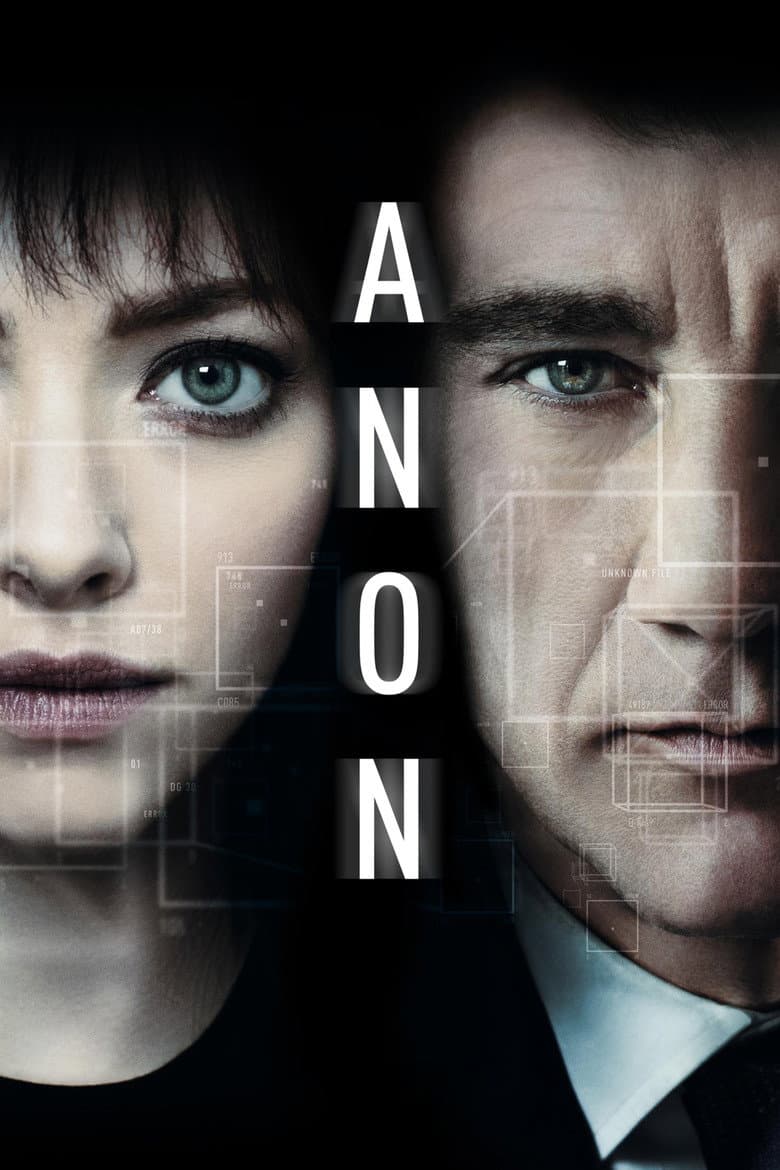
Movie · 2018
Set in a near-future world where there is no privacy, ignorance or anonymity, our private memories are recorded and crime almost ceases to exist.

Movie · 2023
A team of special agents discovers a revolutionary new computer program to bait and trap online predators. After teaming up with the program's troubled developer, they soon find…
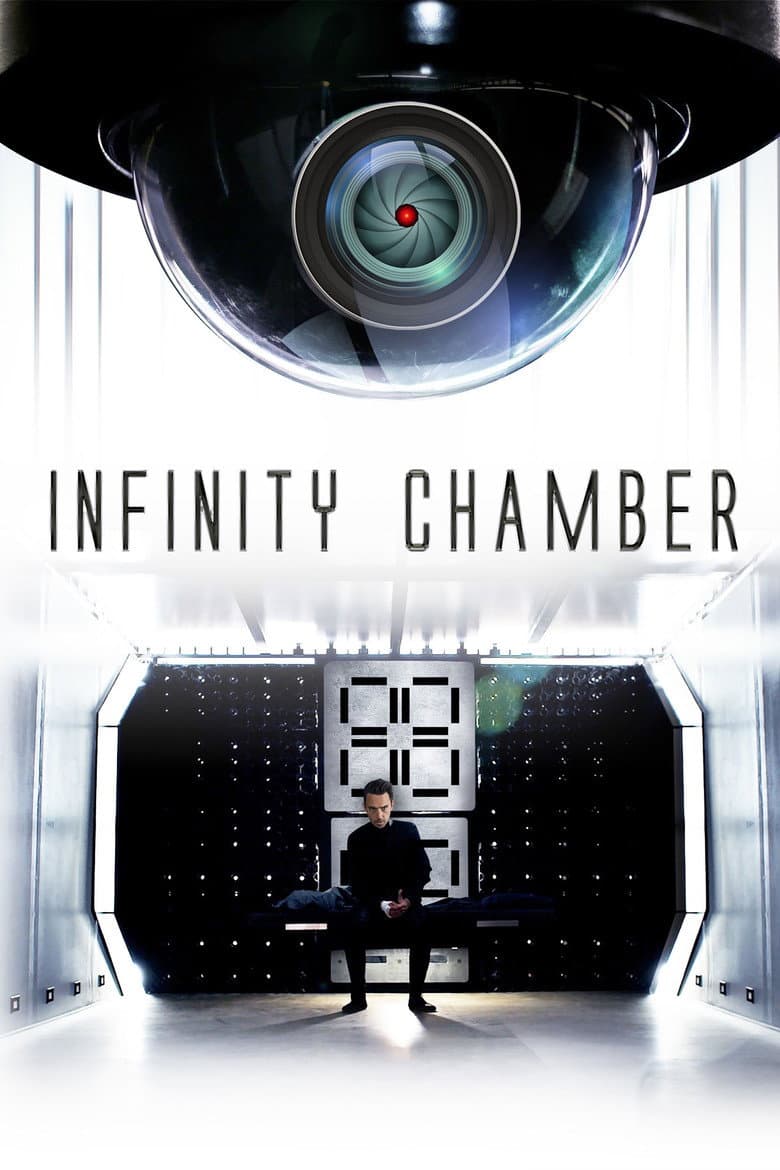
Movie · 2016
A man trapped in an automated prison must outsmart a computer in order to escape and try and find his way back to the outside world that may already be wiped out.
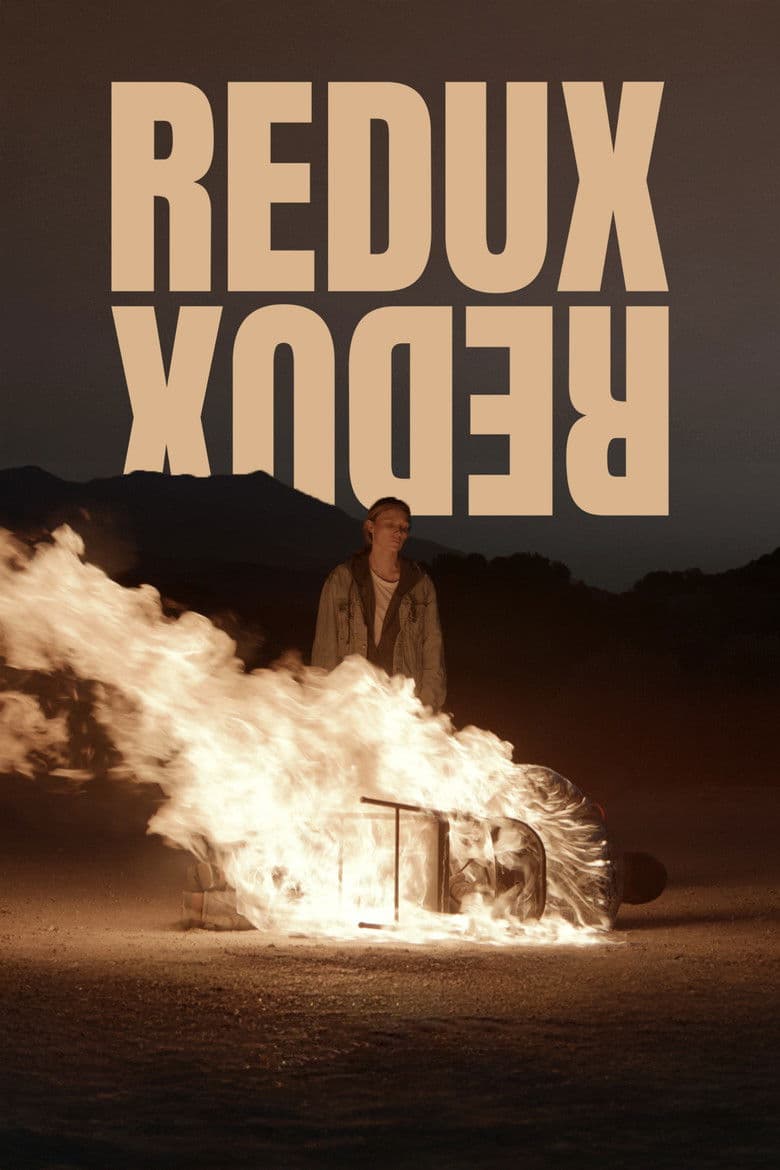
Movie · 2026
In an attempt to avenge her daughter’s death, Irene Kelly travels through parallel universes, killing her daughter’s murderer again and again.
Movie · 2021
Nicolas Bannister, a rugged and solitary veteran living in a near-future Miami flooded by rising seas, is an expert in a dangerous occupation: he offers clients the chance to…
Movie · 2023
A detective becomes entangled in a mystery involving his missing daughter and a secret government program while investigating a string of reality-bending crimes.
Movie · 2024
An elite trio of astronauts aboard a years-long, possibly compromised mission to Saturn's moon, Titan, gears up for a highly dangerous slingshot manoeuvre that will either…
