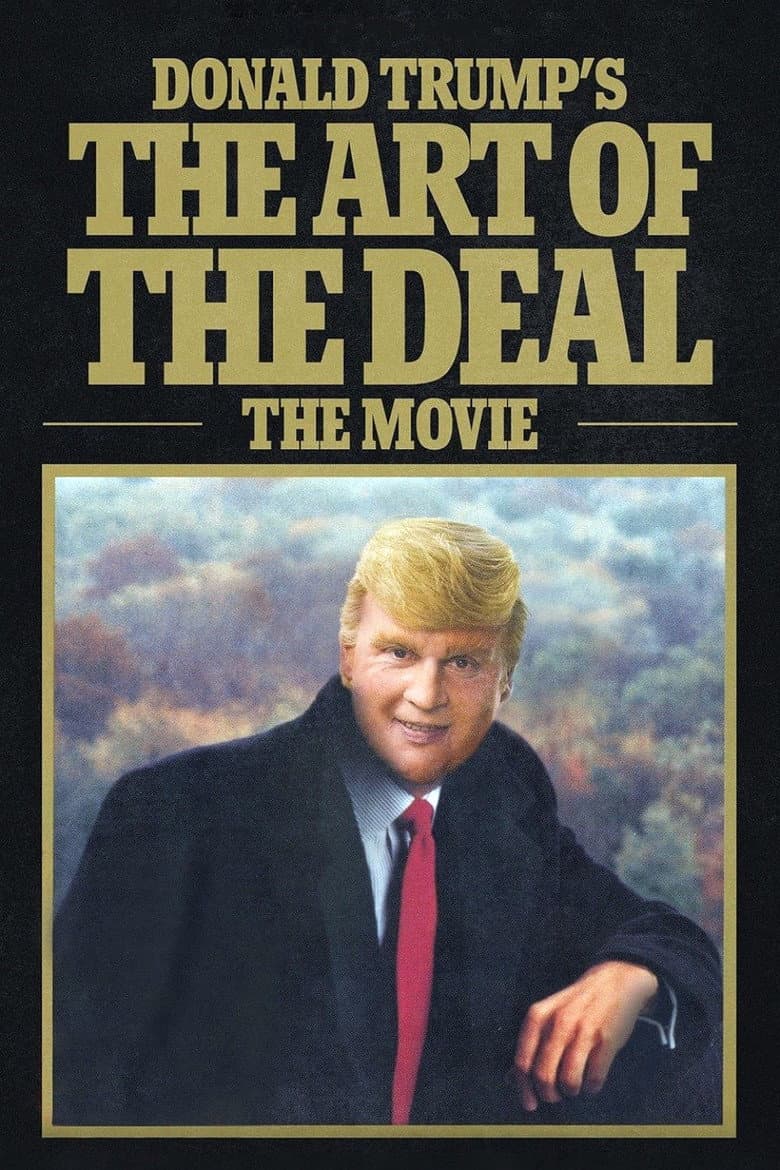
Donald Trump is a New York real estate dealer who wants to buy the Taj Mahal casino in Atlantic City. In a fake 1980s television movie, he tells a young boy how he built his name through deals, lawsuits, borrowed money, and loud self-praise. The story moves through his fights with tenants, city officials, the NFL, rival businessmen, and museum workers. The tone is crude, fast, and absurd, with Johnny Depp playing Trump under heavy makeup and Ron Howard pretending to present a lost tape.
The film makes Trump the target of nearly every joke. It shows him as greedy, sexist, dishonest, and eager to push out poor tenants, while one chapter turns his housing discrimination case into a comic attack on his excuses. The film also jokes about his immigrant wife, race, Jewish lawyers, the liberal media, and his dream of becoming president. These points give the movie a clear anti-Trump and anti-rich-man message, but they do not turn the story into a diversity campaign or a queer-centered drama.
Community feedback
Was our 33% Woke rating accurate?
Breakdown
These are the editorial factors and ratings behind our score for Donald Trump's The Art of the Deal: The Movie.
Woke representation / casting
The main cast mostly matches the real people and the 1980s setting. The young student is played by several boys, including Latino, Asian, Black, and white versions, after Trump asks for new children. This creates a visible race-based casting joke, but the joke mocks changing the child rather than promoting diversity. The movie does not frame its casting as a representation campaign.
5%
Woke political dialogue
The film repeatedly uses race, discrimination, immigration, and liberal politics as joke material. Trump talks about being sued for refusing to rent to black people, calls the case a liberal agenda, and blames the liberal media. The lines attack Trump more than they promote a modern DEI program. The political speech is noticeable, but it stays inside a crude parody about one man.
30%
Identity-driven story themes
The film gives one full chapter to Trump's housing discrimination case involving Black tenants. It also returns to his treatment of women, his Eastern European wife, minorities, Jewish lawyers, and Roy Cohn's sexuality. The story uses these subjects to make Trump look selfish, racist, and sexist. The main conflict still follows his business deals, so the identity material stays secondary to the political parody.
27%
Western institutional / cultural critique
The film repeatedly shows Trump using money and status to objectify women, control Ivana, and push out tenants. It also mocks his attacks on city officials, museum workers, and the media. These scenes criticize male entitlement and the abuse of power. The story mostly targets Trump's personal behavior and rich-man greed rather than presenting a broad modern attack on Western institutions.
24%
Woke character or canon changes
Not relevant. The film changes real events for parody, but it does not change an established figure's race, gender, or sexuality. The different actors playing the boy are a casting gag for a new film character.
0%
Anti-woke backlash and complaints
A single hostile IMDb review called the film a political attack and objected to its race and sex jokes. That review also suggested the makers would react differently to a film about Hillary Clinton. A Breitbart report called Funny Or Die leftwing, but it did not report a boycott or a large woke controversy about this title. The supplied X search found no anti-woke reaction.
8%
Creator track record context
Jeremy Konner's past work has highlighted racial, labor, and LGBTQ history and has used representation language. Joe Randazzo and the listed producers have low records and mostly worked in satire or production. The creator context gives the film some identity-aware background. The title itself is not built around DEI or identity themes.
28%
Production
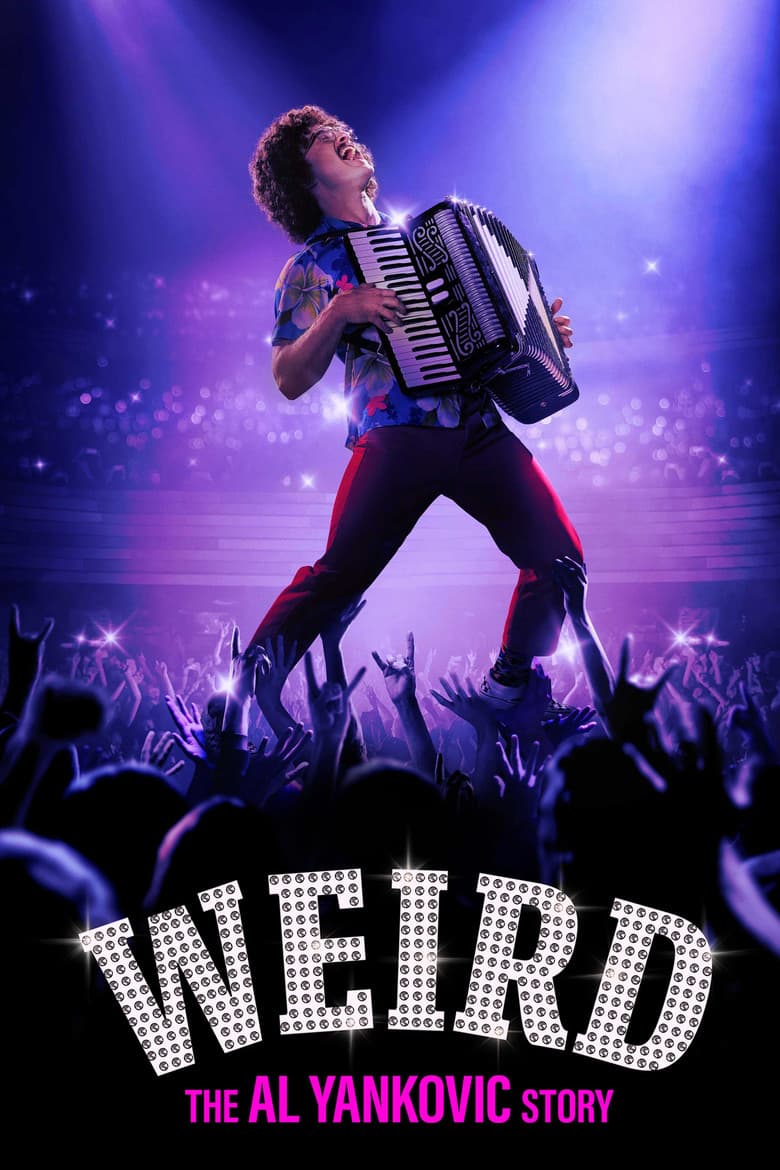
Movie · 2022
Exploring every facet of ‘Weird Al’ Yankovic’s life, from his meteoric rise to fame with early hits like ‘Eat It’ and ‘Like a Surgeon’ to his torrid celebrity love affairs and…
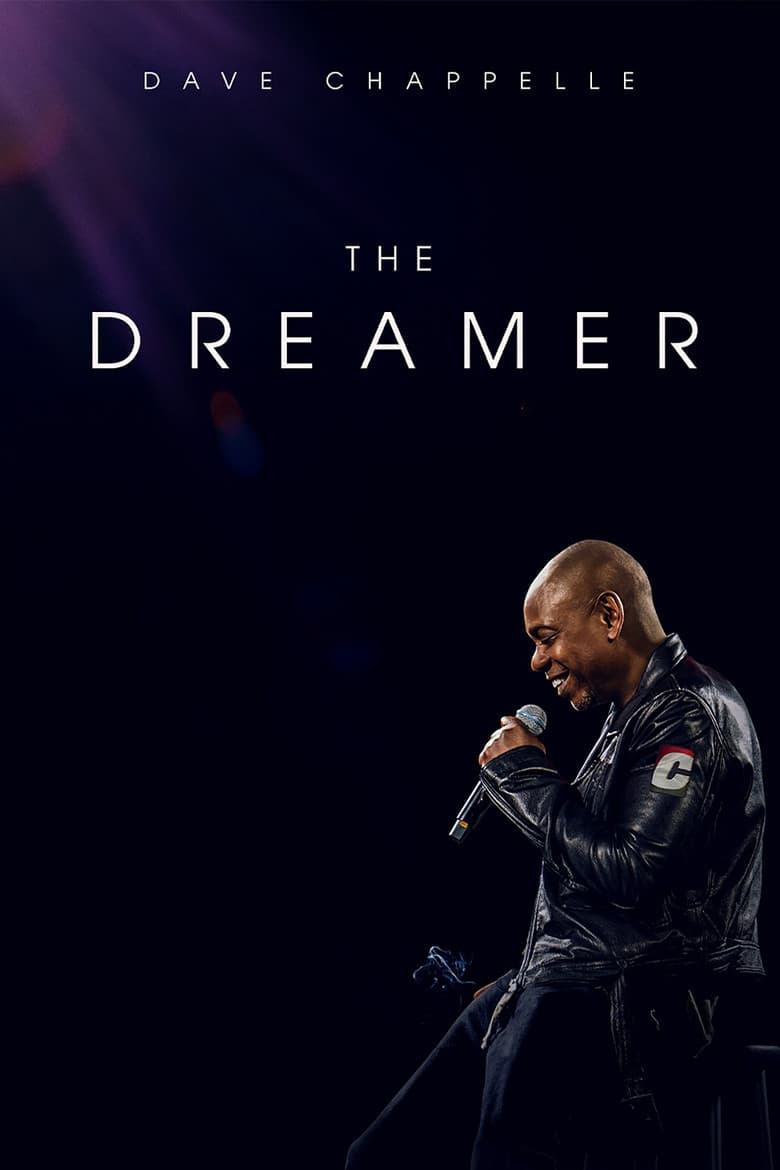
Movie · 2023
From his onstage tackle to the slap heard round the world, Dave Chappelle lets loose in this freewheeling and unfiltered stand-up comedy special.
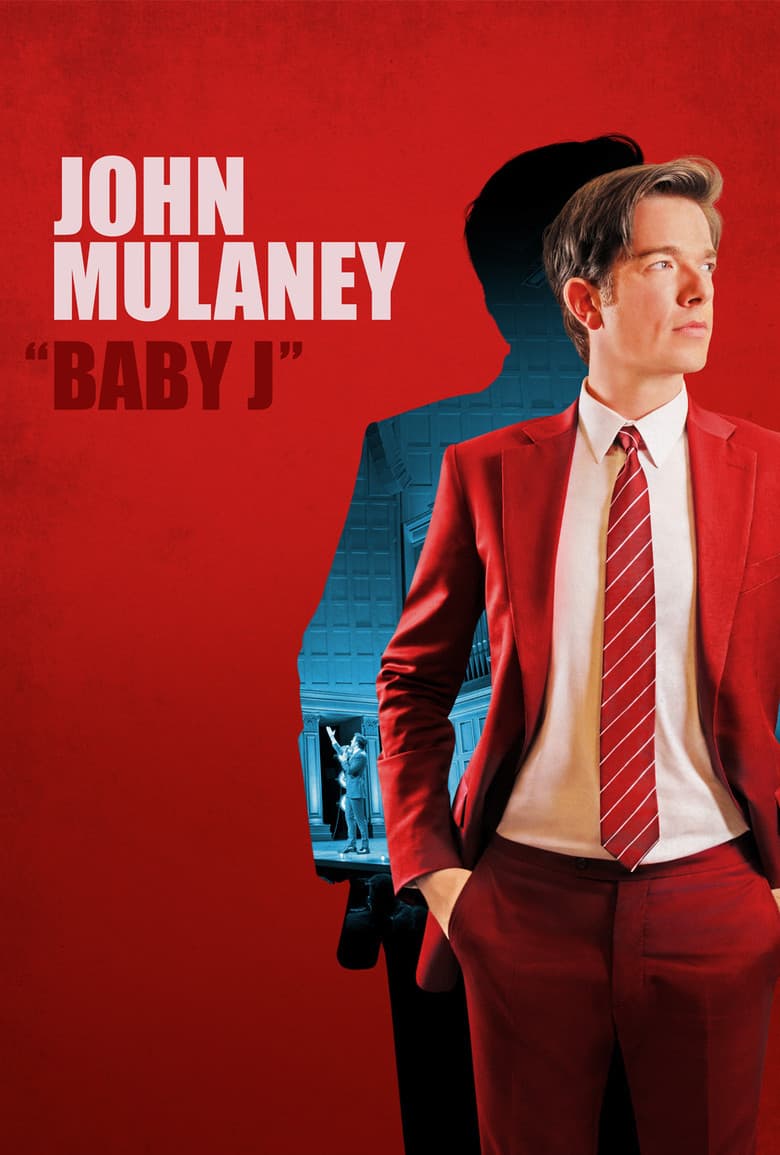
Movie · 2023
A chaotic intervention. An action-packed stay in rehab. After a weird couple of years, John Mulaney comes out swinging in his return to the stage.
Movie · 2016
A comedy that follows a group of friends as they navigate their way through the freedoms and responsibilities of unsupervised adulthood.
Movie · 2024
Inseparable best friends AJ and Moose decide to run the local pool's snack shack after their plan to sell home-brewed beer goes down the drain.
Movie · 2018
Adam Sandler takes his comical musical musings back out on the road, from comedy clubs to concert halls to one very unsuspecting subway station.
Movie · 2016
Two teenage boys from inner-city Cork steal bicycles and ride off on a 160km quest to find an unrecovered bale of cocaine worth 7,000,000 euros.
Movie · 2020
Four stagnant high school teachers decide to test out a theory that maintaining a constant level of intoxication will improve their overall lives.
