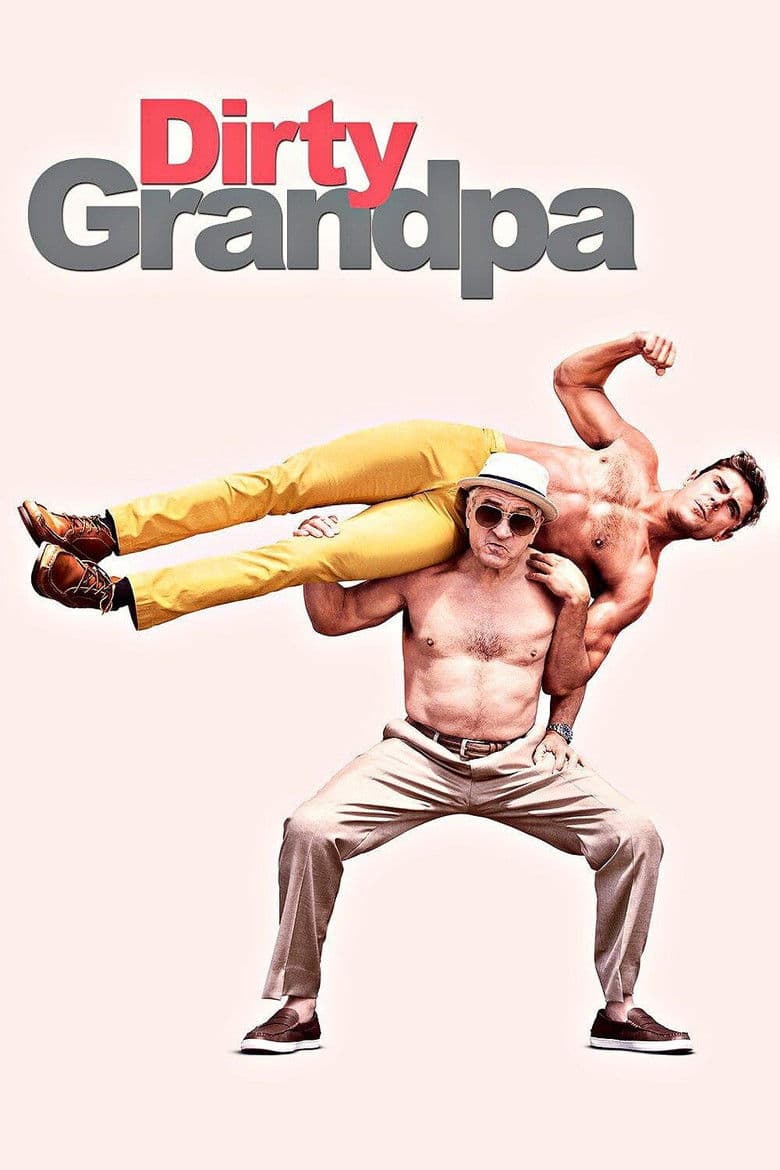
Jason Kelly is an uptight Atlanta lawyer who gets pulled into a wild Florida trip by his recently widowed grandfather, Dick Kelly. Dick is crude, loud, and ready to party. What starts as a simple drive turns into a spring break mess in Daytona. The movie runs on parties, drugs, bar fights, karaoke, and Dick chasing a much younger woman. The real engine is a classic raunchy farce about living a little and not marrying only for a law firm career.
This story is not built on identity politics or activist messages. The main arcs are family bonding, dumping a controlling fiancée, and following desire over a safe career track. There is a supporting character named Bradley who is clearly gay on screen and often used as the target of insults and jokes. That queer material is present but small and not the heart of the plot. The film celebrates crude male fun far more than any progressive cause, and it has almost no preaching against Western institutions or faith.
Community feedback
Was our 17% Woke rating accurate?
Breakdown
These are the editorial factors and ratings behind our score for Dirty Grandpa.
Woke representation / casting
The modern Atlanta and Daytona spring-break setting makes mixed casting ordinary rather than pointed. The leads are big stars, not a quota-style set of brilliant minority leaders. Supporting players include Danny Glover and Brandon Mychal Smith in smaller roles. The clearest identity-visible choice is Bradley, a flamboyant gay black friend used as a classic comedy sidekick for jokes, not as empowerment casting.
18%
Woke political dialogue
Not present. Dialogue is sexual, crude, and often offensive, including racist and homophobic barbs from Dick, with no progressive activist rhetoric or identity-politics speechifying.
0%
Identity-driven story themes
The core story is generational bonding, dumping a controlling fiancée, and following desire over a safe career path. Bradley is openly gay on screen through insults and a fight after he is bullied, but that is side material. Identity is not the main engine of the film.
12%
Western institutional / cultural critique
There is only light anti-yuppie material about not marrying for a law-firm partnership. The film celebrates crude male fun instead of preaching against toxic masculinity, the West, or Christianity. Activist institutional critique is nearly absent.
5%
Woke character or canon changes
Not relevant. as an original screenplay with no source-canon or historical-figure identity rewrite.
0%
Anti-woke backlash and complaints
Not present. There was no lasting right-leaning campaign treating the film as DEI or identity propaganda. Anger mostly said the movie was too gross, racist, and homophobic. Praise for being politically incorrect is the opposite signal.
0%
Creator track record context
Dan Mazer has mild left-leaning satire history from the Borat era, while this film is crude mainstream farce. Writer John Phillips and most producers sit lower, with little identity-first activism. Overall creator context is mild, not a woke-auteur package.
18%
Production
Movie · 2016
A comedy that follows a group of friends as they navigate their way through the freedoms and responsibilities of unsupervised adulthood.
Movie · 2024
Inseparable best friends AJ and Moose decide to run the local pool's snack shack after their plan to sell home-brewed beer goes down the drain.
Movie · 2023
A chaotic intervention. An action-packed stay in rehab. After a weird couple of years, John Mulaney comes out swinging in his return to the stage.
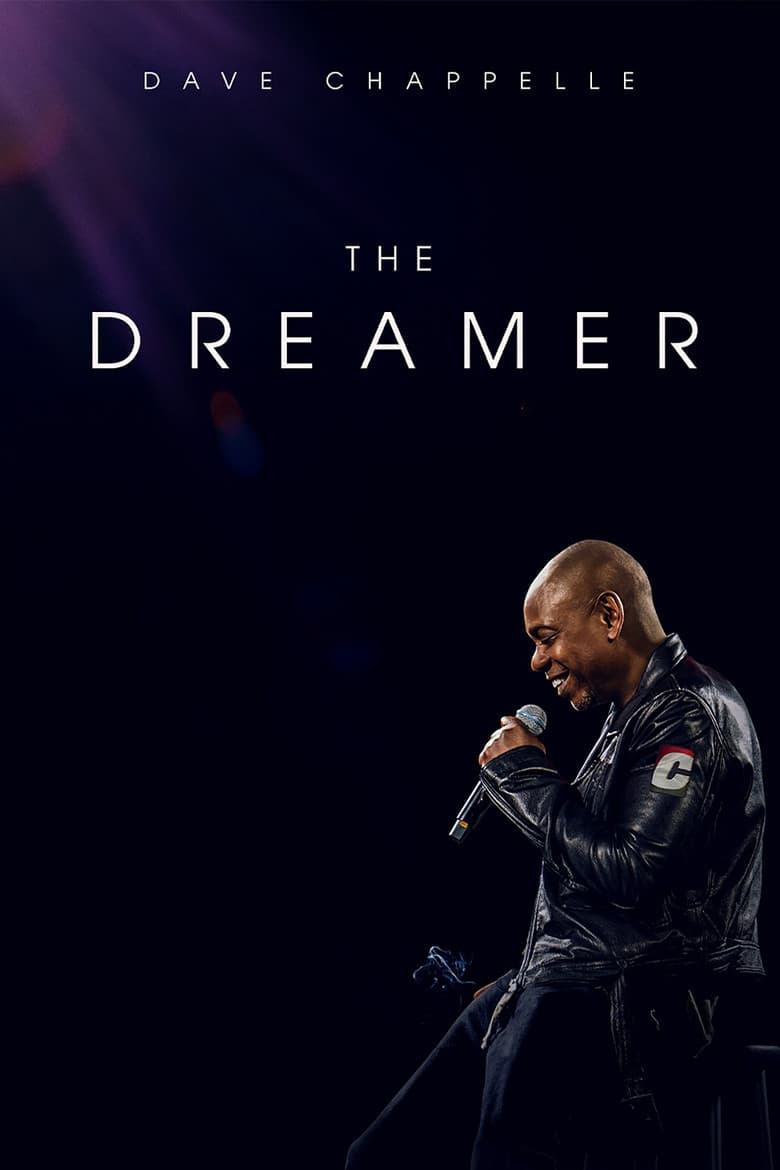
Movie · 2023
From his onstage tackle to the slap heard round the world, Dave Chappelle lets loose in this freewheeling and unfiltered stand-up comedy special.
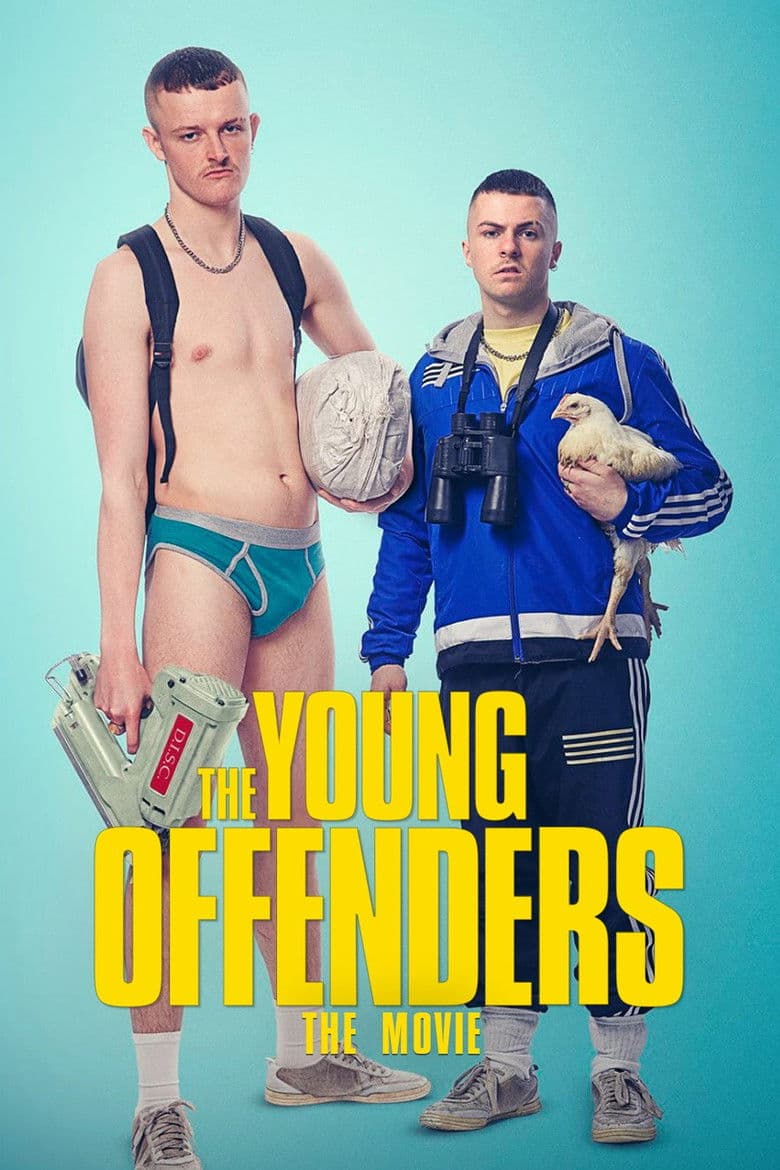
Movie · 2016
Two teenage boys from inner-city Cork steal bicycles and ride off on a 160km quest to find an unrecovered bale of cocaine worth 7,000,000 euros.
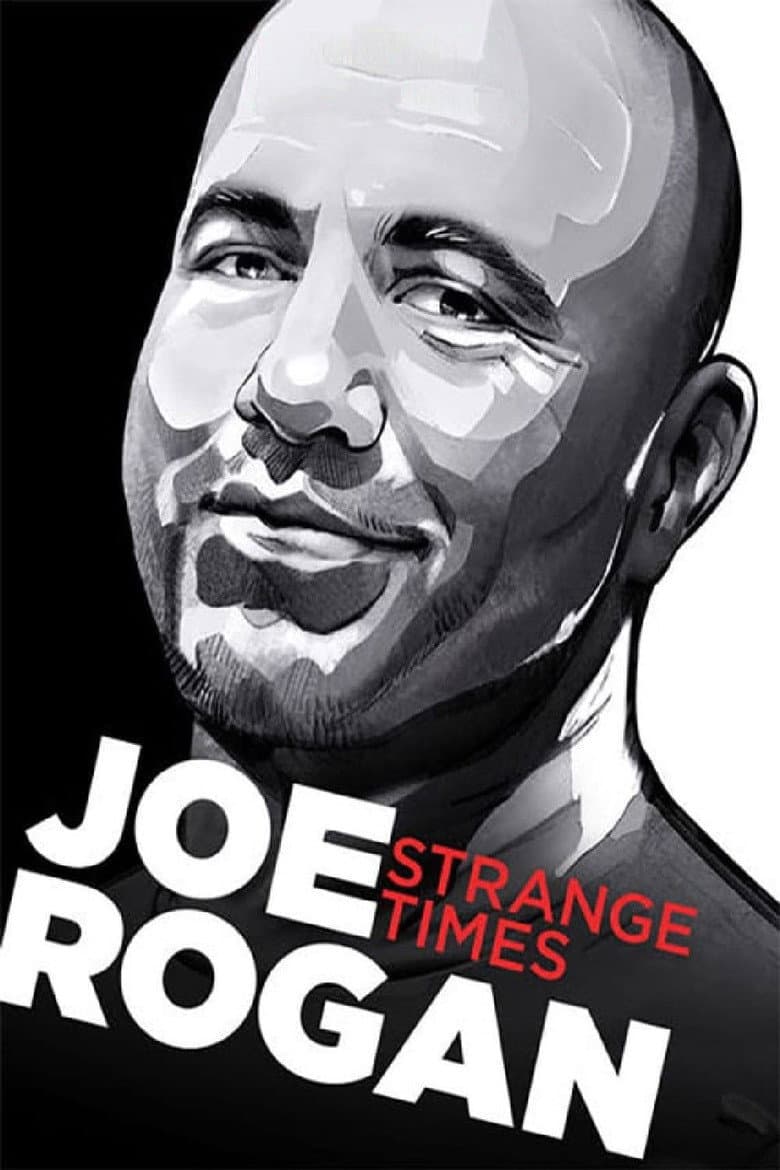
Movie · 2018
Outspoken as ever, comedian Joe Rogan takes on politics, pro wrestling, pot laws, cats, vegans and much more in a stand-up special shot in Boston.
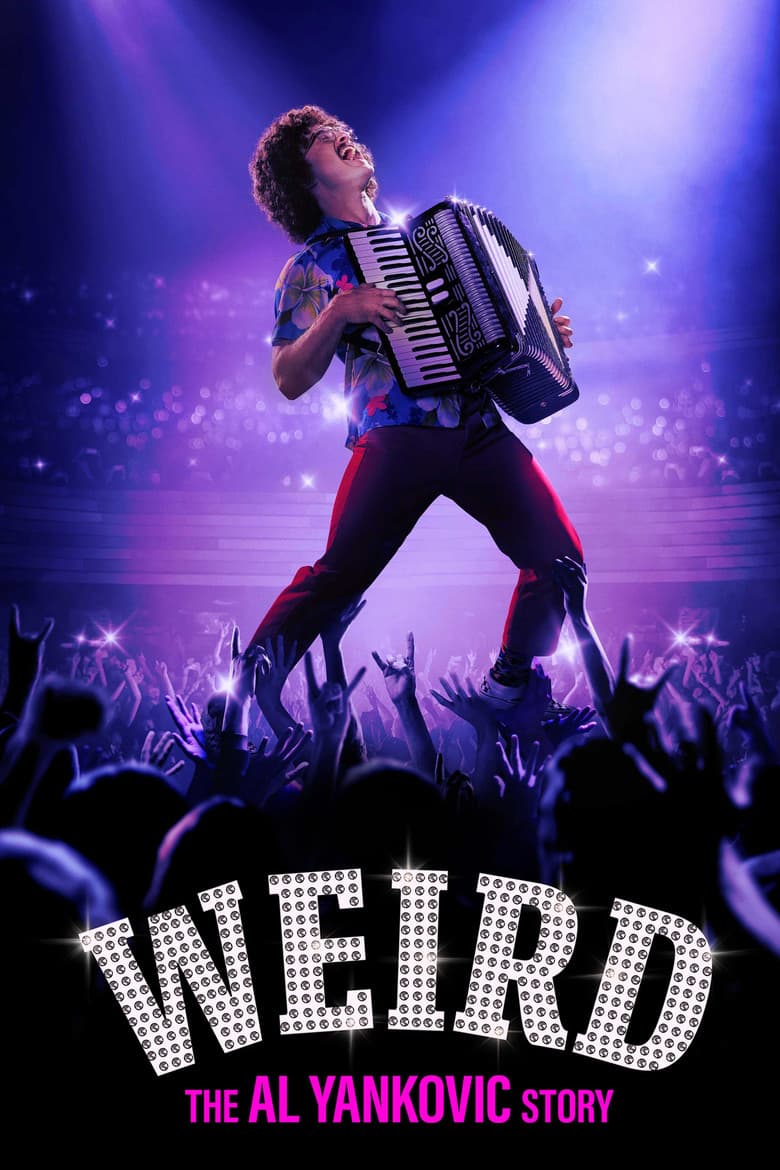
Movie · 2022
Exploring every facet of ‘Weird Al’ Yankovic’s life, from his meteoric rise to fame with early hits like ‘Eat It’ and ‘Like a Surgeon’ to his torrid celebrity love affairs and…

Movie · 2019
An unlikely friendship between two neighbors becomes an unexpectedly emotional journey when the younger man is diagnosed with terminal cancer.
