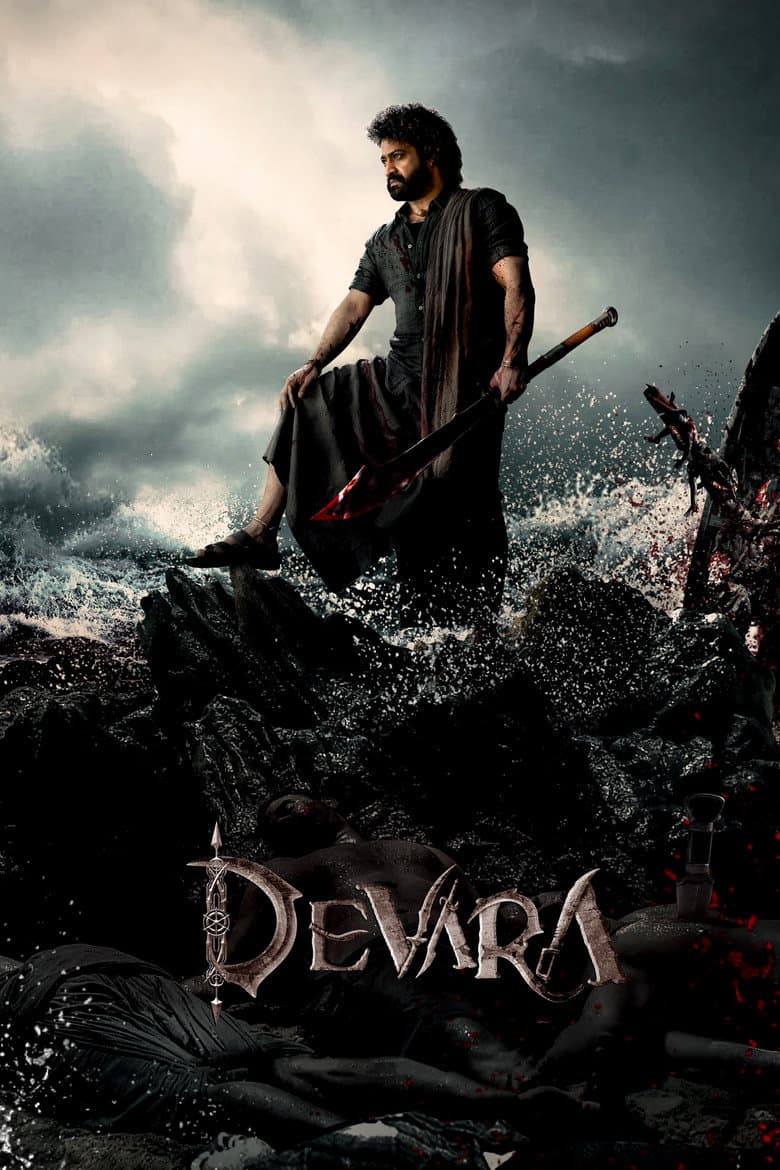
Devara: Part 1 follows Devara, a fearless leader from four coastal villages near the Red Sea. He and Bhaira once raid ships and move illegal weapons for a crime boss, but Devara changes after he learns what the weapons do. He orders the villagers to leave smuggling and live by fishing, which turns Bhaira into his enemy. Years later, Devara’s timid son Vara is pulled into Bhaira’s plan, while the village fears that Devara still watches the sea. The film uses loud fights, dark water, family secrets, village legends, and a cliffhanger ending to create a serious but highly dramatic action tone.
The film gives a short identity message when its narration describes the people as having no caste or religion. That idea is visible in the film’s opening talk and in the trailer, but it does not control the main plot. The story spends most of its time on fear, courage, crime, family duty, and control of the sea. Vara must decide whether a gentle son can carry a feared father’s name while hiding his own actions. Thangam is Vara’s love interest, but she has little control over the main conflict.
Community feedback
Was our 30% Woke rating accurate?
Breakdown
These are the editorial factors and ratings behind our score for Devara: Part 1.
Woke representation / casting
Not present. The main cast is led by Telugu actor Jr NTR, with Saif Ali Khan as a rival and Janhvi Kapoor as a love interest. The film does not frame these choices as a diversity or identity campaign.
0%
Woke political dialogue
The opening narration says the people had no caste, no religion, and no fear. The film repeats this as a clear secular identity statement. The rest of the dialogue focuses on fear, crime, law, courage, and family duty. This is noticeable but brief.
30%
Identity-driven story themes
The film presents the village people as having no caste or religion. That idea gives the setting a brief identity theme, but the plot does not explore caste, religion, or group rights. The main story follows fear, crime, loyalty, and family duty. The romance remains a man-woman pairing.
18%
Western institutional / cultural critique
Not present. The story condemns smuggling and corrupt power inside its fictional coastal world. It does not turn that conflict into a modern attack on patriarchy, capitalism, Christianity, or Western institutions.
0%
Woke character or canon changes
Not relevant. The film presents Devara, Vara, and Bhaira as characters created for this story. It does not change established characters, source canon, or real historical figures.
0%
Anti-woke backlash and complaints
A handful of small Hindu-right accounts called the film secular or woke because they said its Ayudha Puja sequence omitted Hindu deities. One account floated a boycott because it called Saif Ali Khan anti-Hindu. The boycott did not become a sustained campaign, and mainstream coverage focused on reviews, fan crowds, and plot complaints. The reported claim was not proof of a wider public backlash.
10%
Creator track record context
Koratala Siva often builds commercial films around social duties, rural development, environmental care, and public responsibility. His Devara interview describes fear as a force that creates order and accountability. This repeated social-message pattern supports a moderate creator track record context score. Kenny Bates and the listed producers have no notable activist record.
42%
Production
Movie · 2022
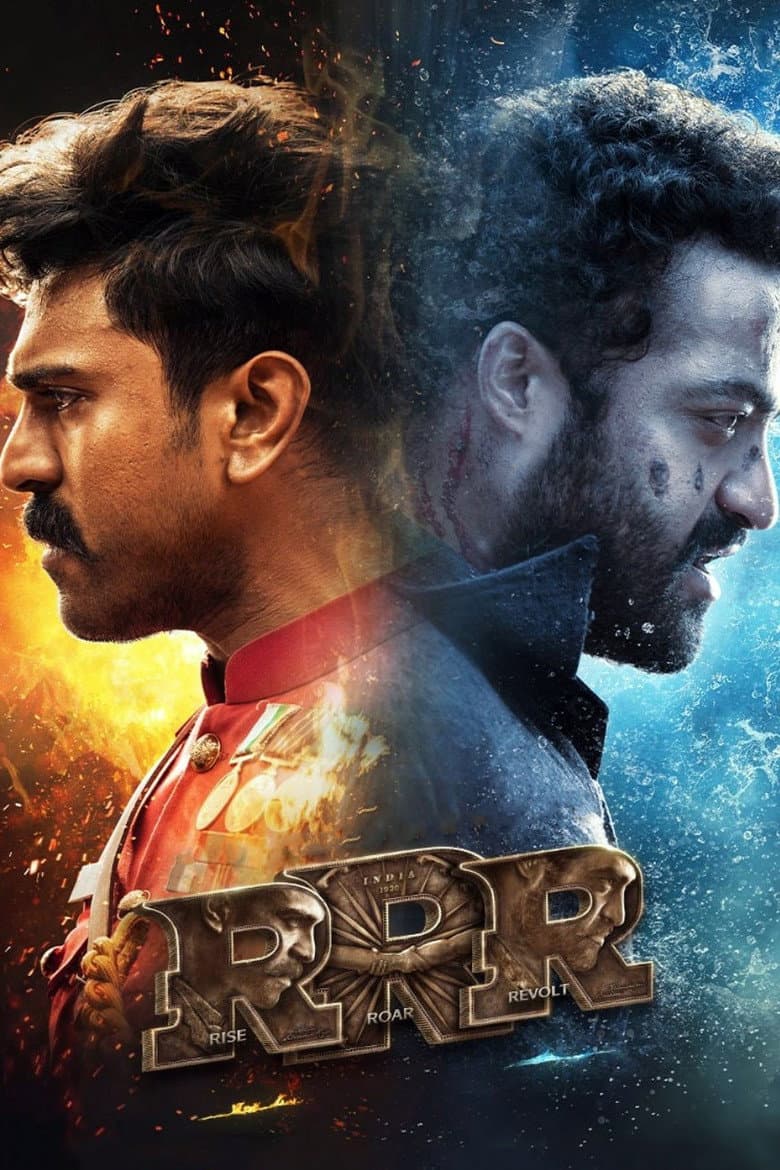
A fictional history of two legendary revolutionaries' journey away from home before they began fighting for their country in the 1920s.
Movie · 2016
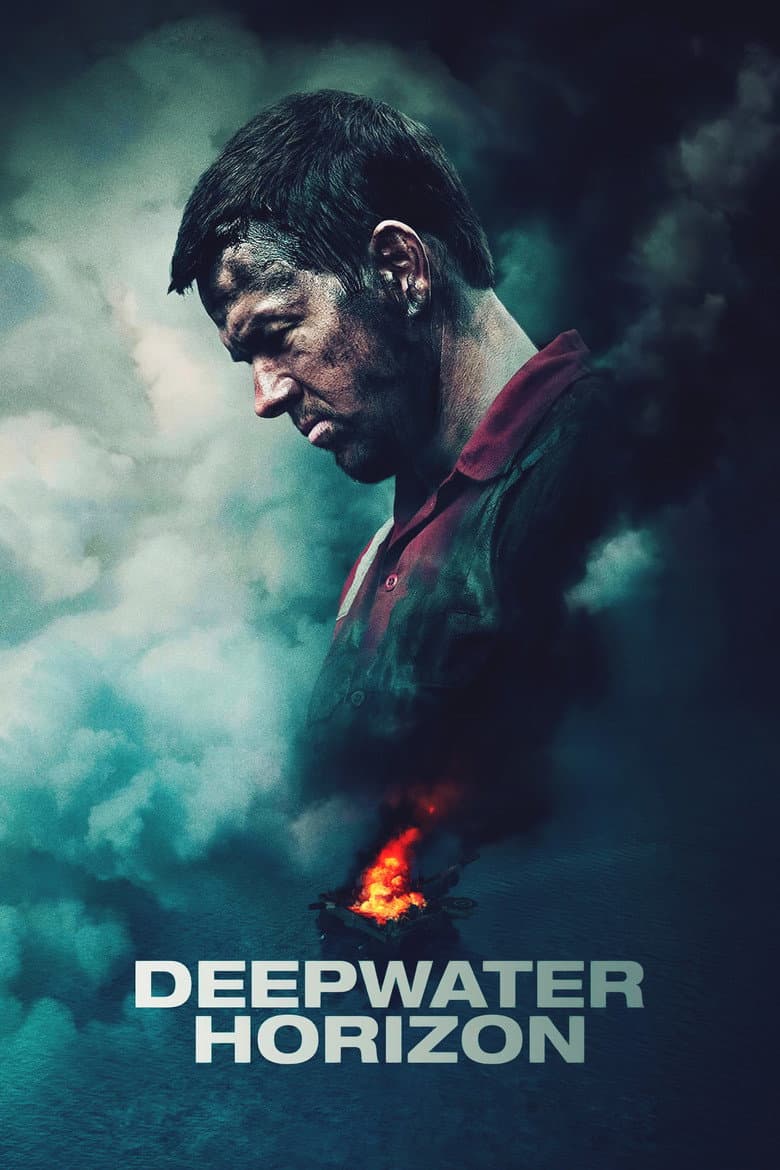
A story set on the offshore drilling rig Deepwater Horizon, which exploded during April 2010 and created the worst oil spill in U.S. history.

Movie · 2021
A widowed farmer and his son warily take in a mysterious, injured man with a satchel of cash. When a posse of men claiming to be the law come for the money, the farmer must decide…

Movie · 2018
Between personal obligations and training for his next big fight against an opponent with ties to his family's past, Adonis Creed is up against the challenge of his life.

Movie · 2017
The story of the miraculous evacuation of Allied soldiers from Belgium, Britain, Canada and France, who were cut off and surrounded by the German army from the beaches and harbour…
Movie · 2019
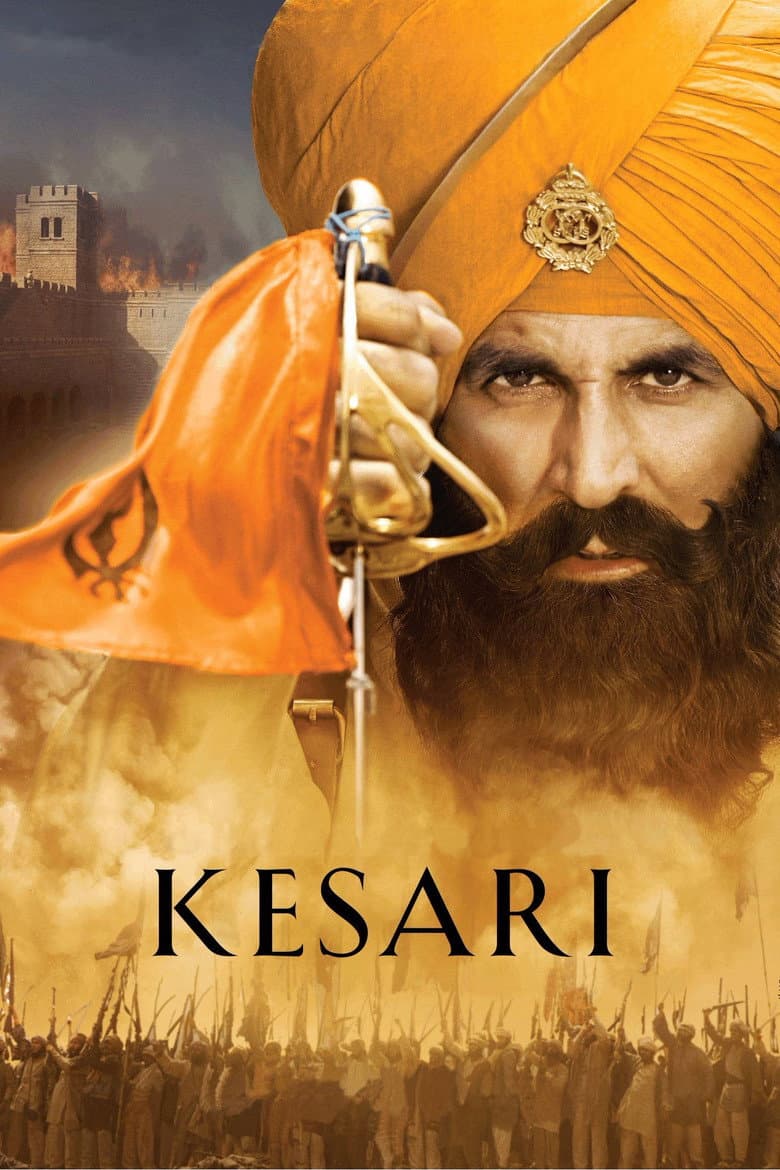
In 1897, an army of 21 Sikhs battles 10,000 Afghans to prevent the Saragarhi Fort from being taken down.

Movie · 2020
A first-time captain leads a convoy of allied ships carrying thousands of soldiers across the treacherous waters of the "Black Pit" to the front lines of WWII.
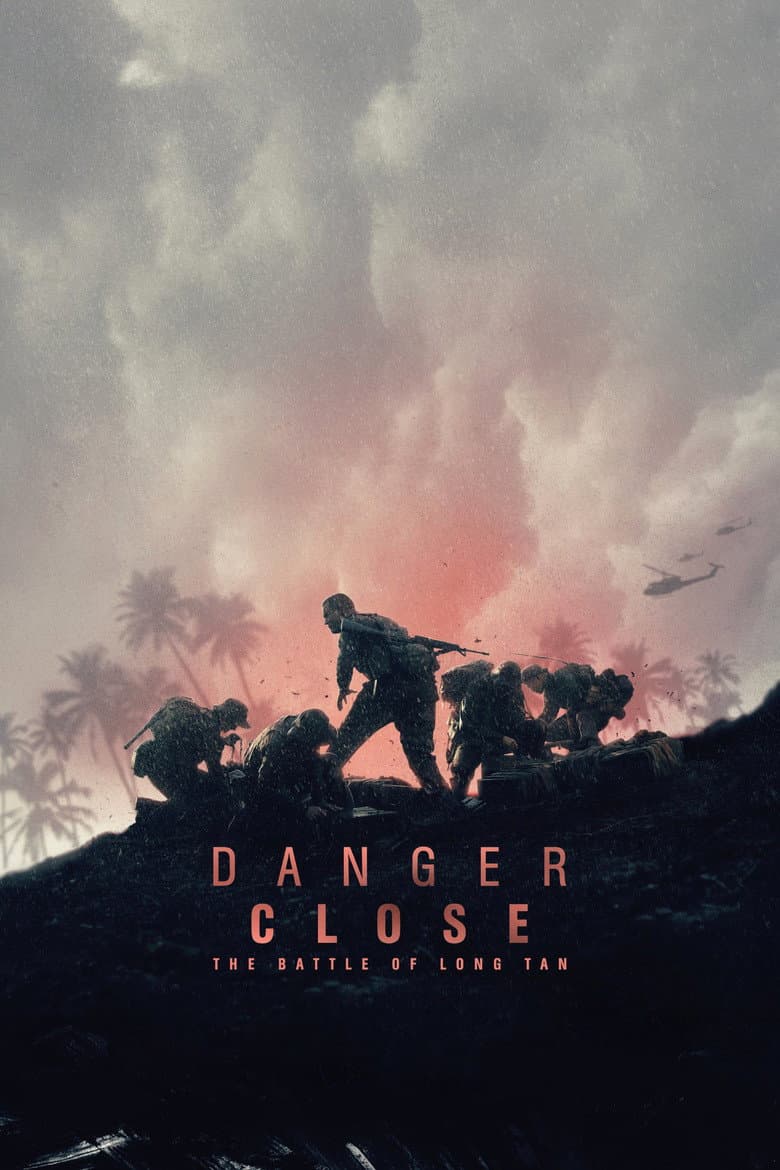
Movie · 2019
Vietnam War, 1966. Australia and New Zealand send troops to support the United States and South Vietnamese in their fight against the communist North.
