
Detour follows Harper, a young law student in Los Angeles whose mother stays in a coma after a car crash. Harper believes his stepfather caused the crash, so he drunkenly agrees to pay Johnny Ray to kill him. The next morning, Johnny arrives with Cherry and forces Harper into a dangerous trip toward Las Vegas. The film uses split screens, dark humor, violence, and sudden twists to create a tense crime story.
The film centers on grief, revenge, guilt, and the danger of making a promise while drunk. Harper must choose between killing a man, hiding his own crime, and escaping the violent people he invited into his life. Cherry is a troubled dancer who helps Johnny rob men, but she also makes her own choices as the trip grows worse. The split story asks whether Harper is a victim of bad luck or a man trying to escape the harm he caused.
Community feedback
Was our 3% Woke rating accurate?
Breakdown
These are the editorial factors and ratings behind our score for Detour.
Woke representation / casting
Not present. The main roles are played by white actors, while a black police officer and other supporting characters appear in the modern American setting. The film does not make race, gender, or group representation part of its casting message.
0%
Woke political dialogue
Not present. The dialogue deals with the crash, money, crime, family anger, sex, and survival. The film contains no spoken identity, DEI, activist, or modern political message.
0%
Identity-driven story themes
Not present. Harper's conflict comes from grief, revenge, guilt, and fear after his mother's crash. The story does not build its character arcs around race, sex, gender identity, sexuality, or group activism.
0%
Western institutional / cultural critique
Not present. The film shows crime, a dishonest stepfather, and violent criminals as personal threats. It does not present a modern critique of patriarchy, masculinity, capitalism, religion, or Western institutions.
0%
Woke character or canon changes
Not relevant. The film is an original story by Christopher Smith rather than an adaptation about an established character or real event. Its title and brief reference to the 1945 film Detour do not change that film's characters or story.
0%
Anti-woke backlash and complaints
Not present. The separate X research found no anti-woke reaction or complaints. Web and audience discussion focused on the plot, split-screen structure, acting, and uneven quality rather than woke, DEI, or identity politics.
0%
Creator track record context
Christopher Smith's work is mainly horror and thriller storytelling, and his cached score is low at 15/100. Most listed producers have low, business-focused profiles with no activist pattern. Stephen Kelliher and Hilary Davis have a few credits tied to gender expression or queer stories, including A Kid Like Jake and Freeheld. No interview about Detour presents the film as an identity or social-justice project.
15%
Production
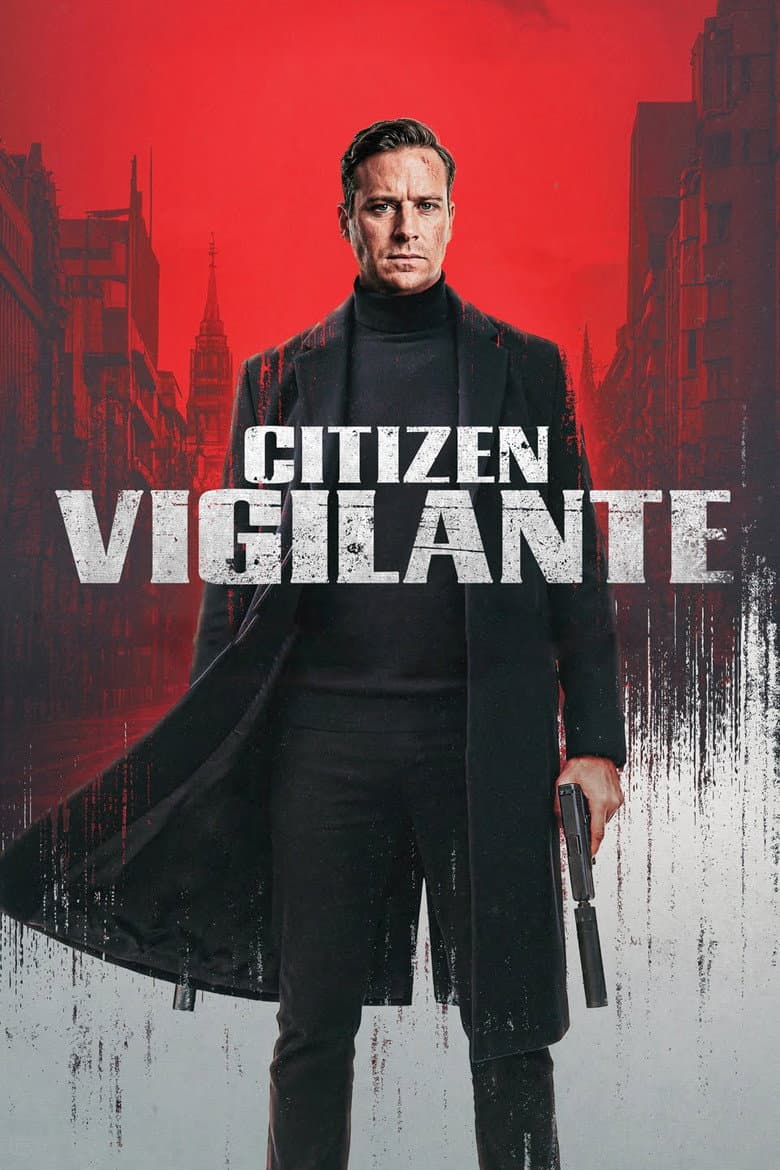
Movie · 2026
A man takes justice into his own hands, hunting down criminals. His vigilante crusade makes him a social media star but puts him at odds with the local police chief.
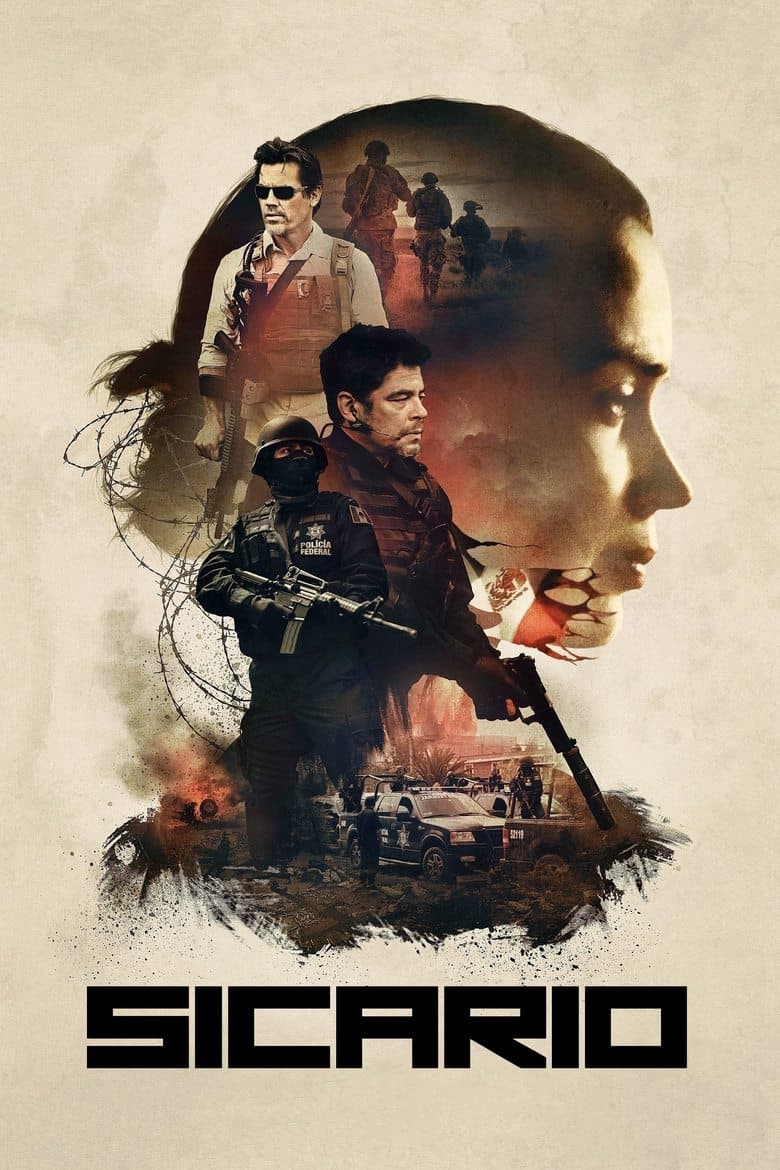
Movie · 2015
An idealistic FBI agent is enlisted by a government task force to aid in the escalating war against drugs at the border area between the U.S. and Mexico.
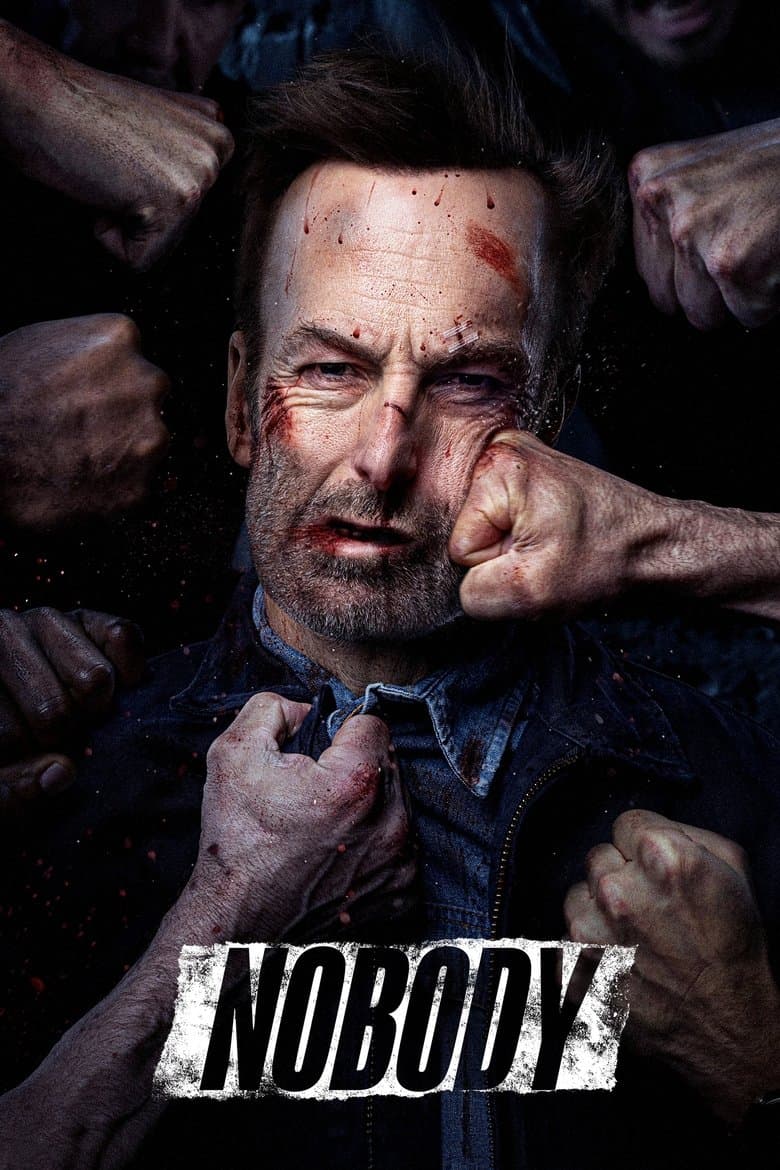
Movie · 2021
Hutch Mansell, a suburban dad, overlooked husband, nothing neighbor — a "nobody." When two thieves break into his home one night, Hutch's unknown long-simmering rage is ignited…

Movie · 2024
A contract killer, after being diagnosed with a fast-moving form of dementia, is presented with the opportunity to redeem himself by saving the life of his estranged adult son.

Movie · 2018
A logger defends his family from a group of dangerous drug runners.
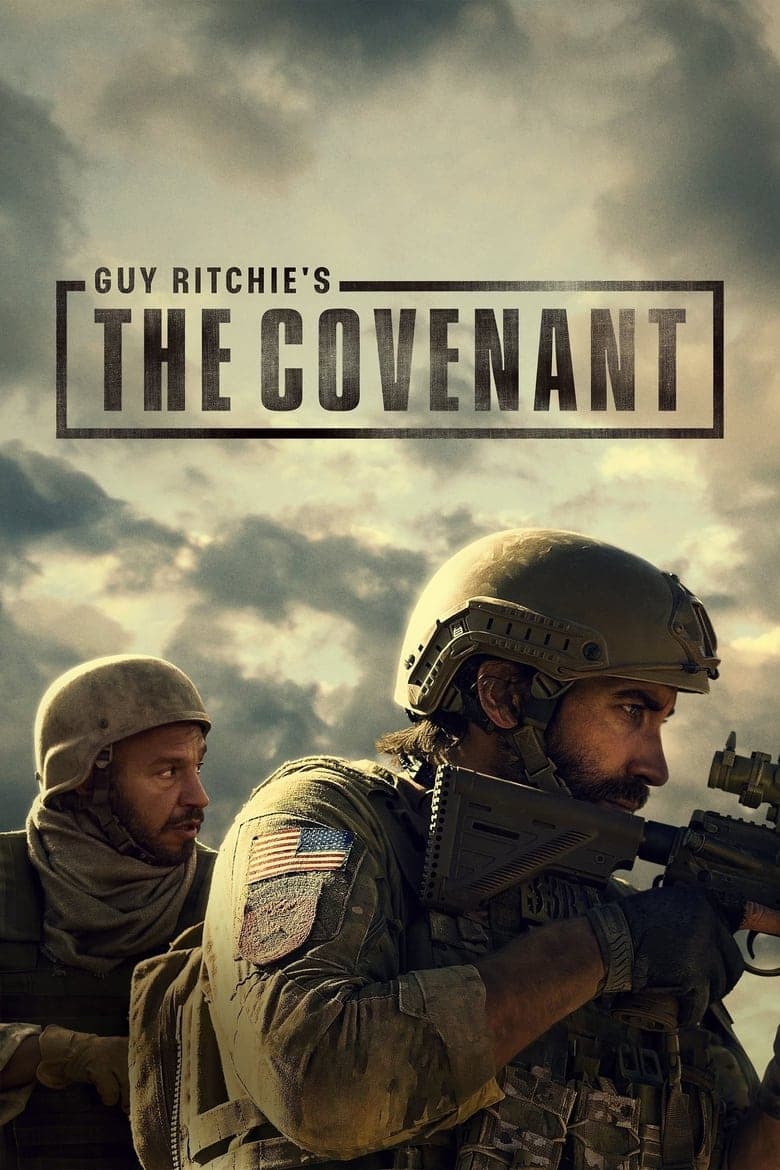
Movie · 2023
During the war in Afghanistan, a local interpreter risks his own life to carry an injured sergeant across miles of grueling terrain.
Movie · 2025
Levon Cade left behind a decorated military career in the black ops to live a simple life working construction.
Movie · 2020
A reformed hunter becomes involved in a deadly game of cat and mouse when he and the local sheriff set out to track a vicious killer who may have kidnapped his daughter years ago.
