
Mal, the daughter of Maleficent, is preparing to become queen of Auradon after helping the children of villains build new lives. She returns to the Isle of the Lost with Evie, Carlos, and Jay to bring more villain kids across the magical barrier. When Hades nearly escapes and Audrey attacks Auradon, Mal must choose between keeping the barrier closed and trusting people from the Isle. The movie uses bright costumes, songs, jokes, magic, and a final battle to give the trilogy a hopeful family ending.
The movie says that a person's choices matter more than a parent's name or where that person comes from. Mal sees fear as the force keeping Auradon and the Isle apart, and she supports opening the barrier so both groups can share one future. The story gives Mal, Evie, Uma, and Audrey the main choices and much of the action, while several boys mostly support them. The clearest audience-visible woke signals are the mixed lead cast, female-led power roles, and repeated messages about inclusion, tolerance, second chances, and rejecting fixed labels.
Community feedback
Was our 45% Woke rating accurate?
Breakdown
These are the editorial factors and ratings behind our score for Descendants 3.
Woke representation / casting
The central cast visibly includes Latino, Black, native American, and Asian performers in major roles. The story places Mal, Evie, Uma, and Audrey at the center of the main plans, fights, and turning points. The boys often serve as friends, love interests, or helpers beside those female leaders. The fantasy setting has no fixed real-world population, so the pattern is a clear audience-visible diversity and female-power signal without a strong historical mismatch.
35%
Woke political dialogue
Mal says fear is what keeps Auradon and the Isle apart. Mal says people should be judged by their choices, not by their parents or where they live. The film repeats ideas about tolerance, forgiveness, and second chances. The dialogue stays general and does not argue about modern parties, laws, or current politics.
18%
Identity-driven story themes
The story makes inherited group identity the core conflict, because the villain kids are trapped on the Isle because of their parents. Mal debates whether the barrier should stay closed after Hades tries to cross it. Uma and the former villains help save Auradon, which supports the idea that people should not be fixed by family labels. The ending opens the barrier and presents shared life and second chances as the right answer.
34%
Western institutional / cultural critique
The story shows Auradon's royal system keeping the Isle children behind a magical barrier because of their family background. Mal challenges that rule after seeing that former villain kids can protect Auradon. The ending treats fear, inherited labels, and closed borders as harmful ideas. The film does not attack capitalism, Christianity, patriarchy, or Western culture, so this critique stays mild.
25%
Woke character or canon changes
Not relevant. The film adds Hades as Mal's father and introduces more villain offspring, but these are ordinary franchise story changes. No established character is clearly changed for an identity or DEI message.
0%
Anti-woke backlash and complaints
A small 2019 post called Descendants 3 woke, but it had almost no engagement. A small fan account complained that Cinderella and Prince Charming were given different races after earlier appearances, but the claim was mixed with continuity complaints and does not prove that those characters were changed in this movie. A right-leaning review account made broad quality attacks on the franchise, not a sustained DEI case against D3. No boycott, review-bombing drive, or organized anti-woke campaign was found.
12%
Creator track record context
Ortega has a public record of supporting LGBTQ+ representation, and his cached score is 65. Susan Cartsonis has backed women's stories and inclusion, while Jason La Padura has promoted diversity casting. Claudia Morgado Escanilla has made short films about race, gender, and queer life. The two writers have cached scores of 16 and no clear activist record, so the wider creator context is mixed but meaningful.
55%
Production
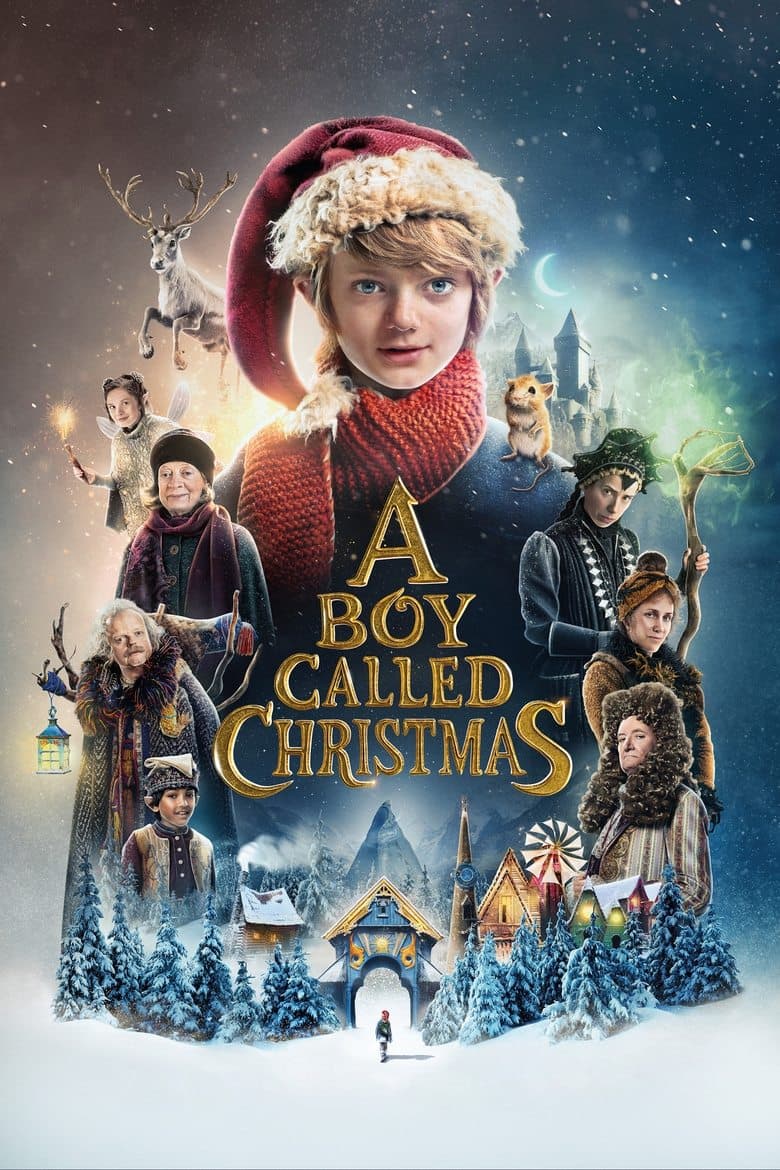
Movie · 2021
An ordinary young boy called Nikolas sets out on an extraordinary adventure into the snowy north in search of his father who is on a quest to discover the fabled village of the…
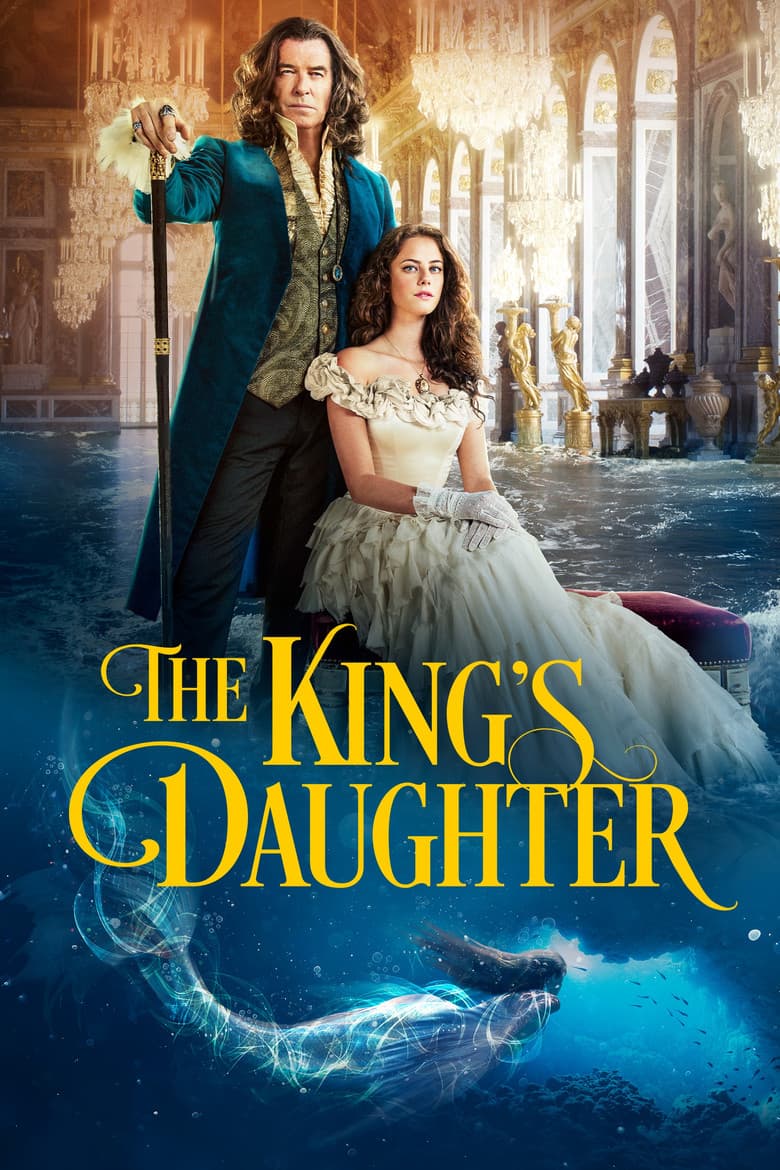
Movie · 2022
King Louis XIV's quest for immortality leads him to capture and steal a mermaid's life force, a move that is further complicated by his illegitimate daughter's discovery of the…
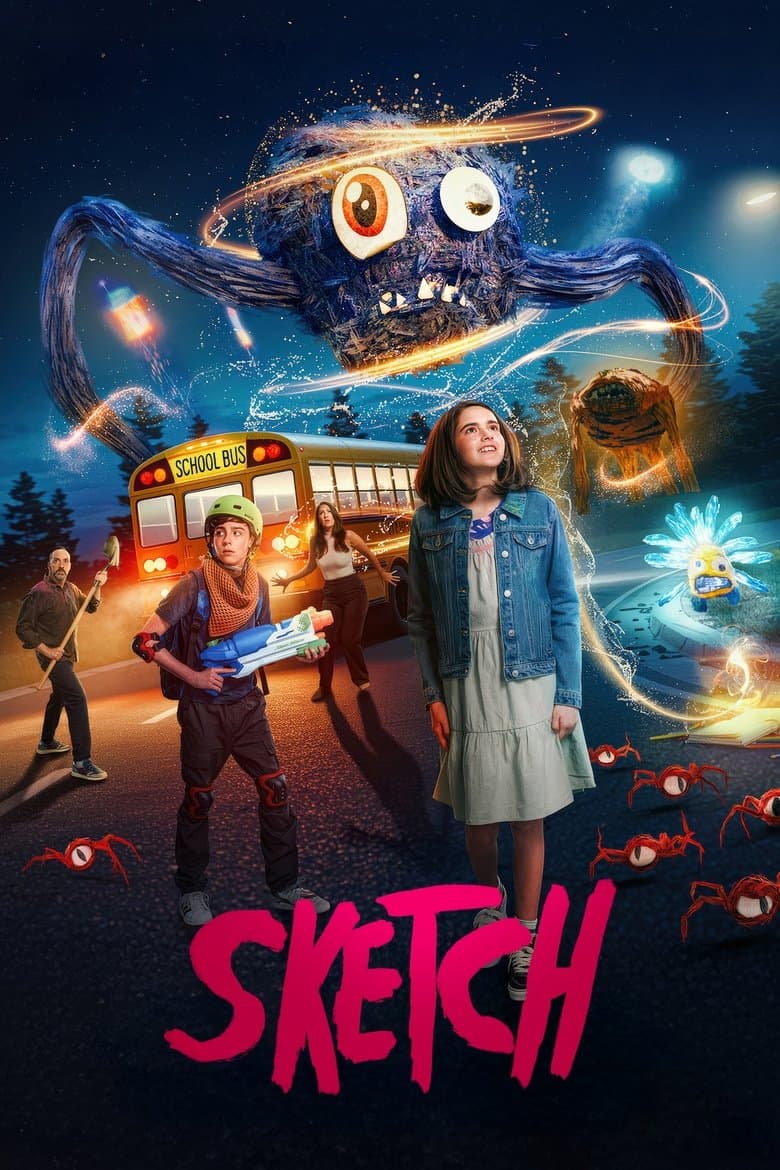
Movie · 2025
When a young girl’s sketchbook falls into a strange pond, her drawings come to life—chaotic, real, and on the loose.
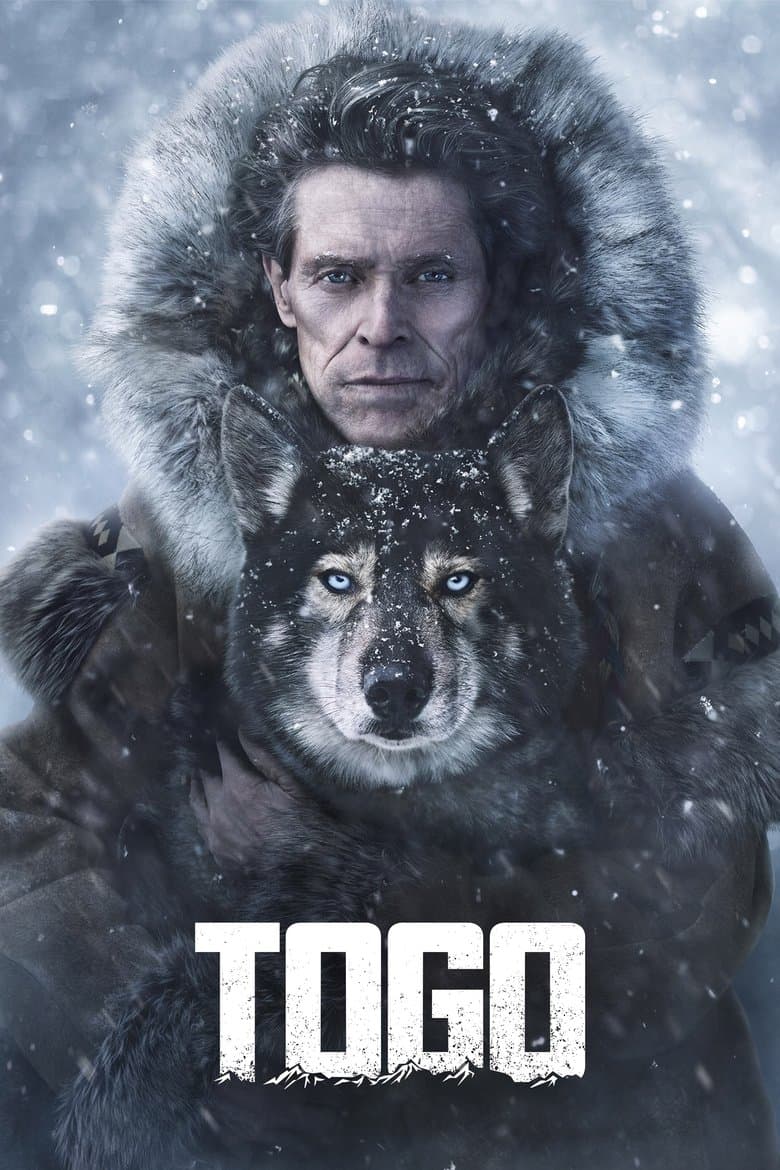
Movie · 2019
The untold true story set in the winter of 1925 that takes you across the treacherous terrain of the Alaskan tundra for an exhilarating and uplifting adventure that will test the…
Movie · 2022
Puss in Boots discovers that his passion for adventure has taken its toll: He has burned through eight of his nine lives, leaving him with only one life left.
Movie · 2020
After losing his wife seven years earlier, the eccentric Dr. John Dolittle, famed doctor and veterinarian of Queen Victoria’s England, hermits himself away behind the high walls…
Movie · 2018
Christopher Robin, the boy who had countless adventures in the Hundred Acre Wood, has grown up and lost his way.
Movie · 2017
Mary Smith, a young girl who lives with her great-aunt in the countryside, follows a mysterious cat into the nearby forest where she finds a strange flower and an old broom, none…
