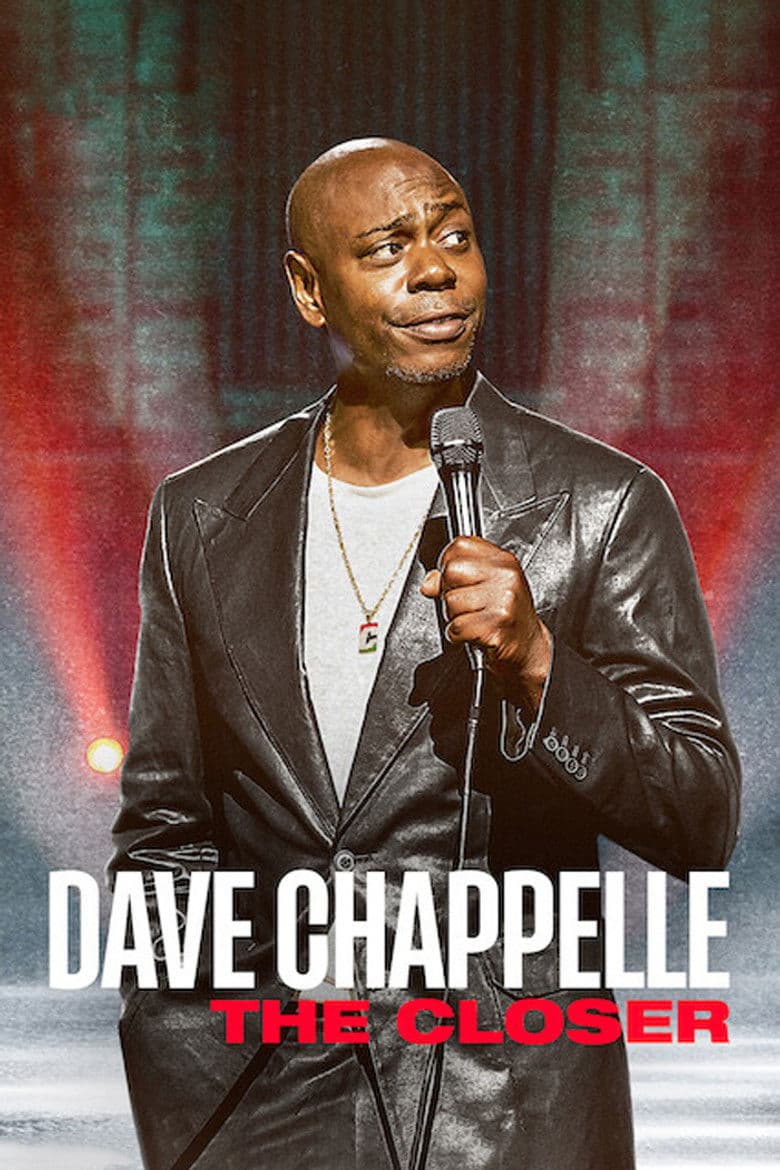
Dave Chappelle performs a live stand-up set for a large theater crowd in 2021. He speaks as a famous black comedian who feels attacked by critics, online groups, and people who say his jokes cross a line. The set moves through the pandemic, race, sex, women, gay people, transgender people, and his own public fights. The tone is sharp, crude, defensive, and sometimes sad, especially when he tells the story of his friend Daphne Dorman.
The special makes identity a main subject instead of a short side joke. Chappelle talks again and again about gender, transgender bodies, the meaning of being a woman, and the fight between Black and LGBTQ groups. He also mocks the Women's March, #MeToo, cancel culture, and rules about which bathroom people may use. The closing story presents a transgender comedian as a person he cared about, but it still uses her life to argue against activist pressure and demands for agreement.
Community feedback
Was our 69% Woke rating accurate?
Breakdown
These are the editorial factors and ratings behind our score for Dave Chappelle: The Closer.
Woke representation / casting
Not present. The special is a solo stage performance. It has no ensemble cast or diversity-focused role choices.
0%
Woke political dialogue
Chappelle repeatedly debates modern identity and activist issues. He discusses gender, transgender people, J.K. Rowling, bathroom laws, the Women's March, #MeToo, and cancel culture. He uses many of these topics to challenge current activist views. The material fills a large part of the special and is one of its main subjects.
76%
Identity-driven story themes
The special builds its main argument around race, gender, sexuality, and group identity. It compares Black civil rights, gay rights, and transgender identity. The closing story centers on Chappelle's relationship with a transgender comedian. The special asks whether people can show sympathy across groups while rejecting demands for agreement.
74%
Western institutional / cultural critique
Chappelle questions the feminist movement, #MeToo, bathroom rules, online campaigns, and cancel culture. He also uses white privilege and race to explain conflict between Black and LGBTQ groups. These are modern social and political targets. The criticism is recurring, but the special often attacks activist movements instead of supporting them.
45%
Woke character or canon changes
Not relevant. The special is original stand-up comedy with no established story characters. It does not change the race, gender, sexuality, or role of a known character.
0%
Anti-woke backlash and complaints
Not present. Reported backlash mainly called the special anti-trans or harmful to LGBTQ people. Supporters defended Chappelle as anti-cancel culture, but no strong complaints said the title was too woke or too focused on DEI.
0%
Creator track record context
Stan Lathan and Rikki Hughes have strong careers centered on Black entertainment and wider representation. Dave Chappelle's public record focuses more on free speech and resistance to progressive pressure. Sina Sadighi has little public activist or DEI record. The creator background gives the title some representation-focused context, but the special itself is mainly anti-political-correctness.
32%
Production
Movie · 2023
From his onstage tackle to the slap heard round the world, Dave Chappelle lets loose in this freewheeling and unfiltered stand-up comedy special.
Movie · 2018
Adam Sandler takes his comical musical musings back out on the road, from comedy clubs to concert halls to one very unsuspecting subway station.
Movie · 2016
Two teenage boys from inner-city Cork steal bicycles and ride off on a 160km quest to find an unrecovered bale of cocaine worth 7,000,000 euros.
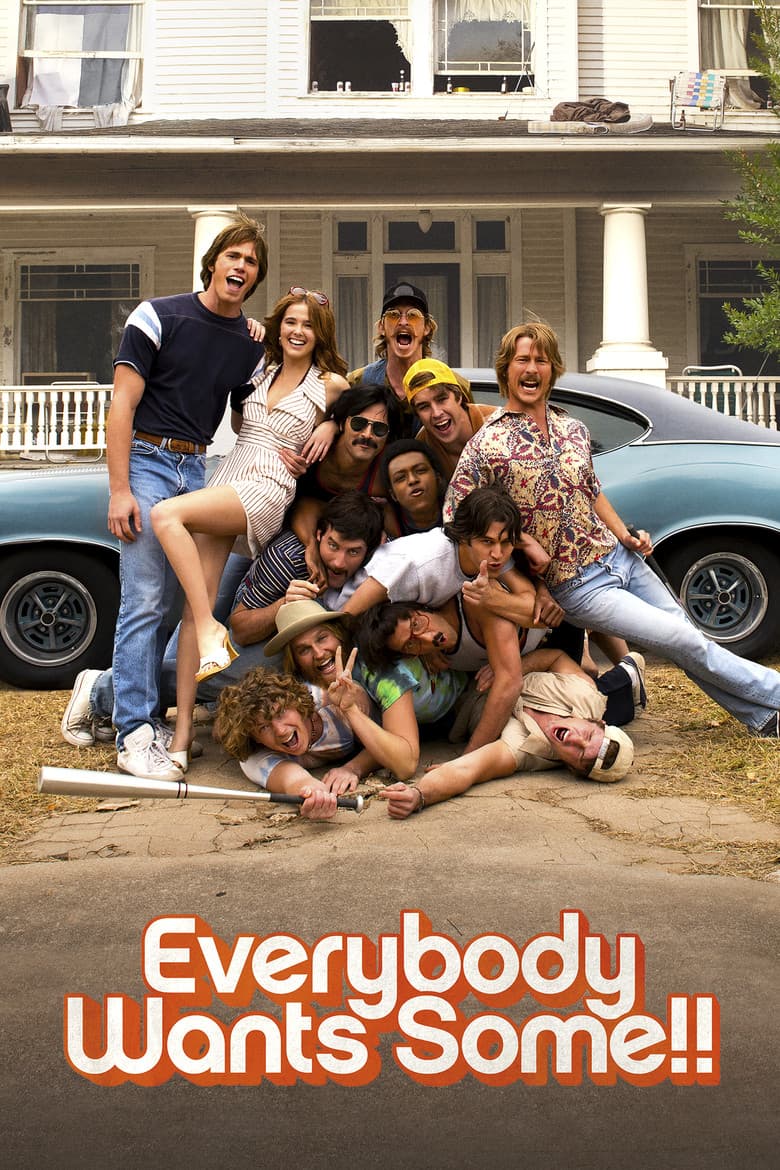
Movie · 2016
A comedy that follows a group of friends as they navigate their way through the freedoms and responsibilities of unsupervised adulthood.
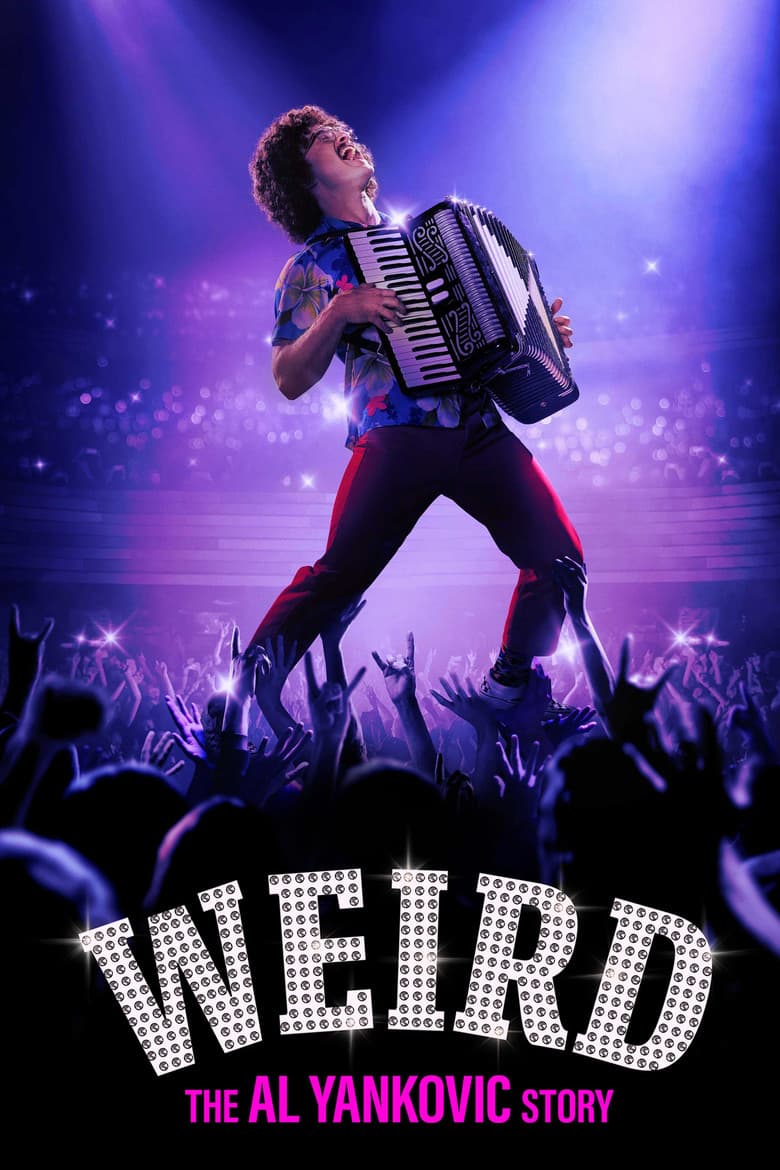
Movie · 2022
Exploring every facet of ‘Weird Al’ Yankovic’s life, from his meteoric rise to fame with early hits like ‘Eat It’ and ‘Like a Surgeon’ to his torrid celebrity love affairs and…
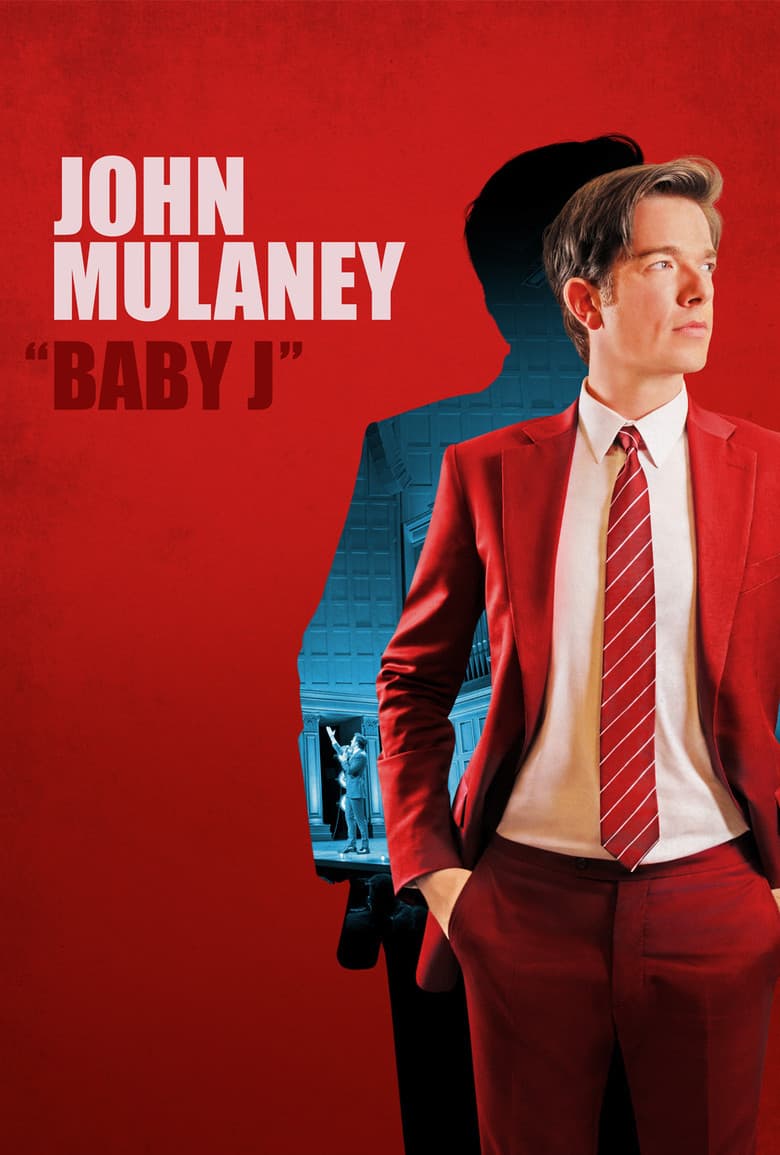
Movie · 2023
A chaotic intervention. An action-packed stay in rehab. After a weird couple of years, John Mulaney comes out swinging in his return to the stage.
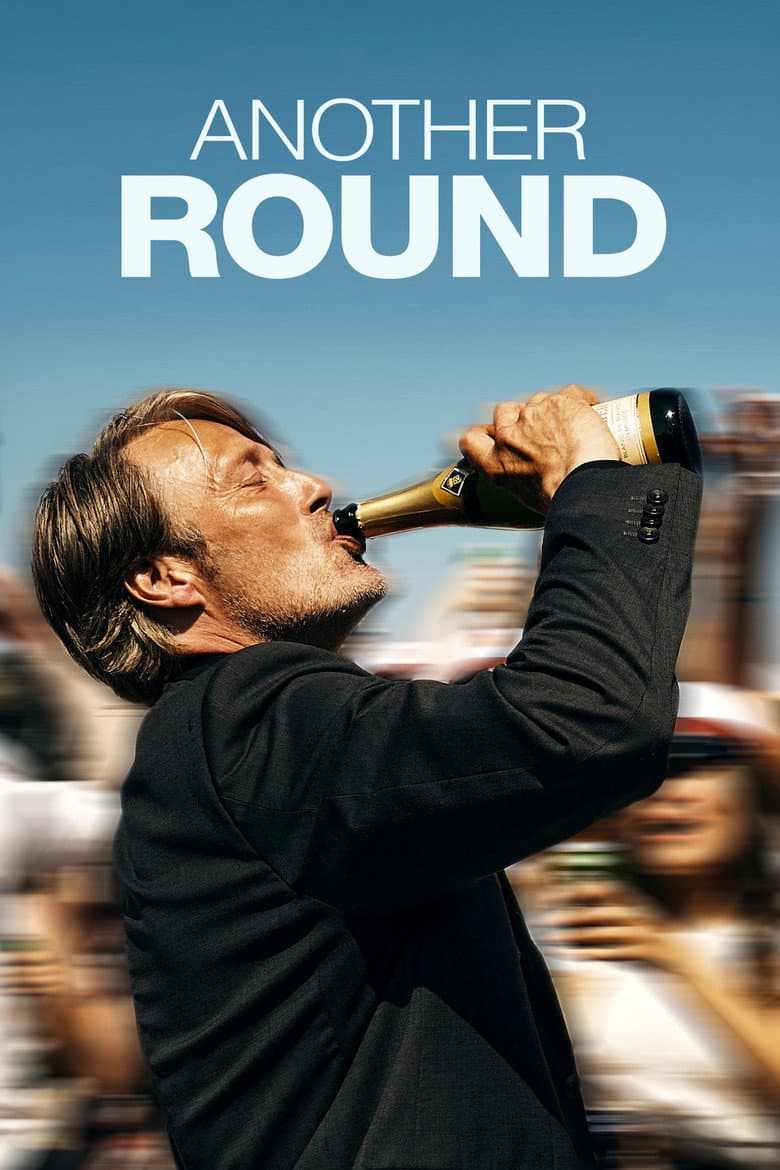
Movie · 2020
Four stagnant high school teachers decide to test out a theory that maintaining a constant level of intoxication will improve their overall lives.
Movie · 2023
After it's discovered that a teacher at South Park Elementary has an OnlyFans page, Randy is compelled to take a closer look at the seedy underbelly of the world of online…
