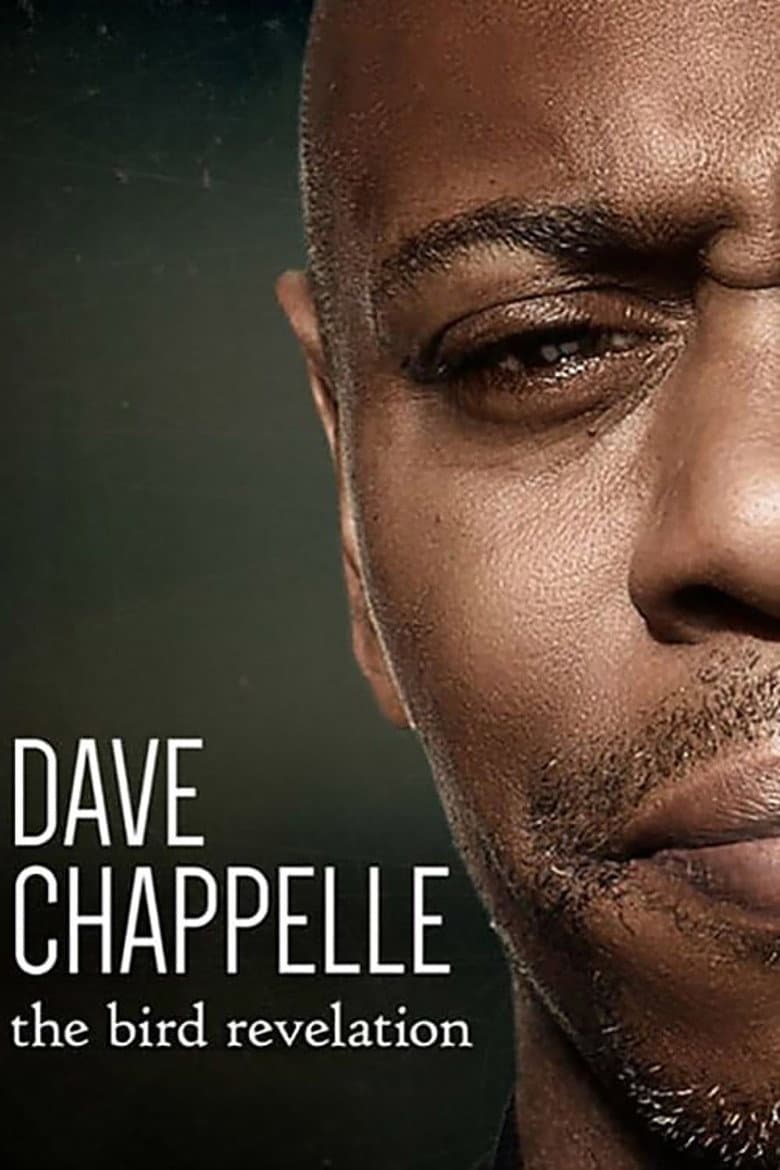
Dave Chappelle performs alone in a small room at the Comedy Store in Los Angeles. He speaks as a comic who is trying to explain why he left his old television show and stayed away from Hollywood. His main conflict is between his wish to speak freely and an entertainment business that he says controls people through money, fear, and fame. The tone moves between crude jokes, anger, and a serious story about a pimp and a woman he controls.
The special spends much of its time on the 2017 #MeToo movement and sexual abuse claims against famous men. Chappelle says women should win their fight, but he also mocks women who say Louis C.K. harmed their careers and warns that fear will not create lasting peace. He connects the issue to his life as a black man and compares Hollywood control with the money system in Iceberg Slim's book Pimp. These ideas are central to the set, but the special questions activist methods instead of giving a clear call for modern identity politics.
Community feedback
Was our 40% Woke rating accurate?
Breakdown
These are the editorial factors and ratings behind our score for Dave Chappelle: The Bird Revelation.
Woke representation / casting
Not present. Dave Chappelle is the only featured performer. The special does not use an ensemble cast or diversity-focused casting.
0%
Woke political dialogue
Chappelle spends the opening part of the set discussing the #MeToo movement and sexual abuse claims in Hollywood. He says women should win their fight and says men must join them as imperfect allies. He also argues that fear and public punishment will not create lasting peace. The topic returns as he questions whether the movement treats every case in the same way.
38%
Identity-driven story themes
The special makes its main conflict about gender, race, and power in the entertainment business. Chappelle compares women's fear of sexual abuse with his own fear as a black man and says race changes how he sees reform. He uses Iceberg Slim's story about controlling a prostitute as a picture of how systems trap people. The material questions modern activist methods, but identity and group power stay central to the set.
41%
Western institutional / cultural critique
Chappelle presents Hollywood as a system that protects powerful men and profits from people who depend on it. He compares that system with the pimping system in Iceberg Slim's book Pimp. He calls the comparison a capitalist idea and links control to money, fear, and fame. The special also questions public punishment as a way to fix large institutions.
34%
Woke character or canon changes
Not relevant. The special has no established fictional characters or real historical figures whose identities are changed.
0%
Anti-woke backlash and complaints
Not present. Public criticism mainly said Chappelle was too dismissive of #MeToo and sexual abuse accusers. Those comments did not claim that the special pushed woke or DEI content.
0%
Creator track record context
Stan Lathan has a long career building black-led television and comedy. Dave Chappelle's public record centers on race satire and resistance to political correctness more than DEI advocacy. Lisa Nishimura and Robbie Praw have mild representation links through Netflix work, but they have no strong public record of personal activism. This mix gives the title some representation context without making it a creator-led identity project.
25%
Production
Movie · 2023
From his onstage tackle to the slap heard round the world, Dave Chappelle lets loose in this freewheeling and unfiltered stand-up comedy special.
Movie · 2022
Exploring every facet of ‘Weird Al’ Yankovic’s life, from his meteoric rise to fame with early hits like ‘Eat It’ and ‘Like a Surgeon’ to his torrid celebrity love affairs and…
Movie · 2023
A chaotic intervention. An action-packed stay in rehab. After a weird couple of years, John Mulaney comes out swinging in his return to the stage.
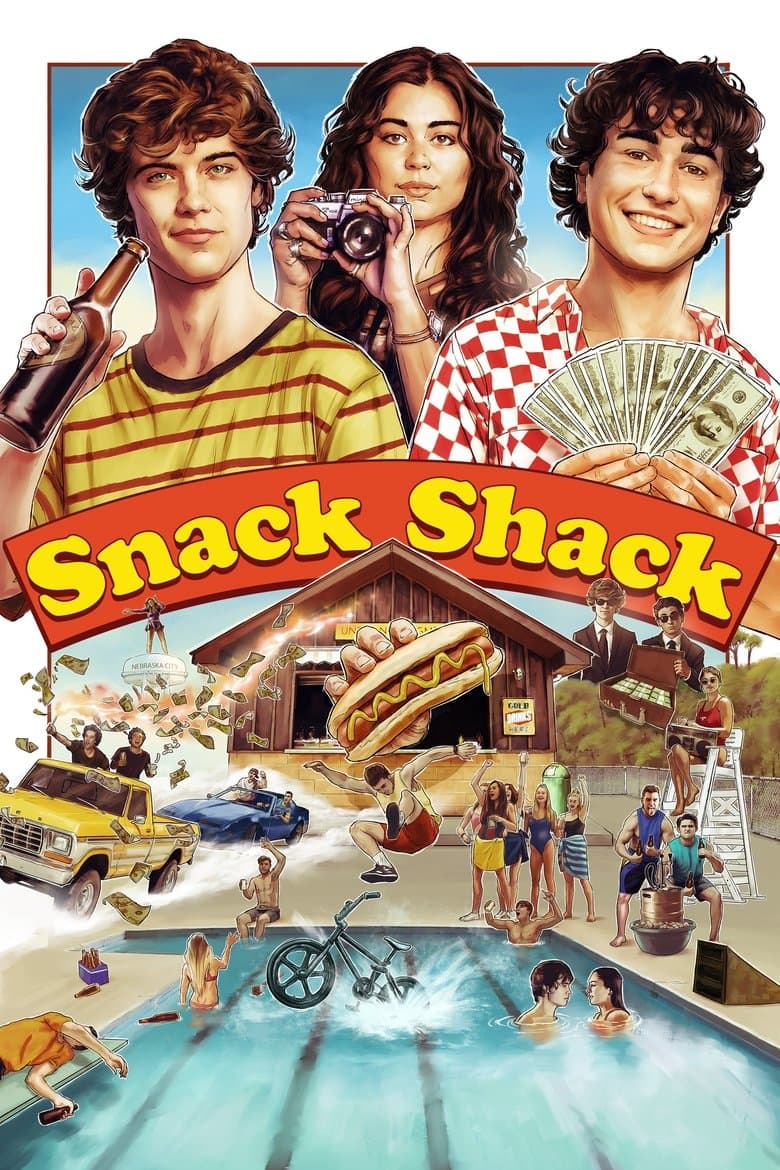
Movie · 2024
Inseparable best friends AJ and Moose decide to run the local pool's snack shack after their plan to sell home-brewed beer goes down the drain.
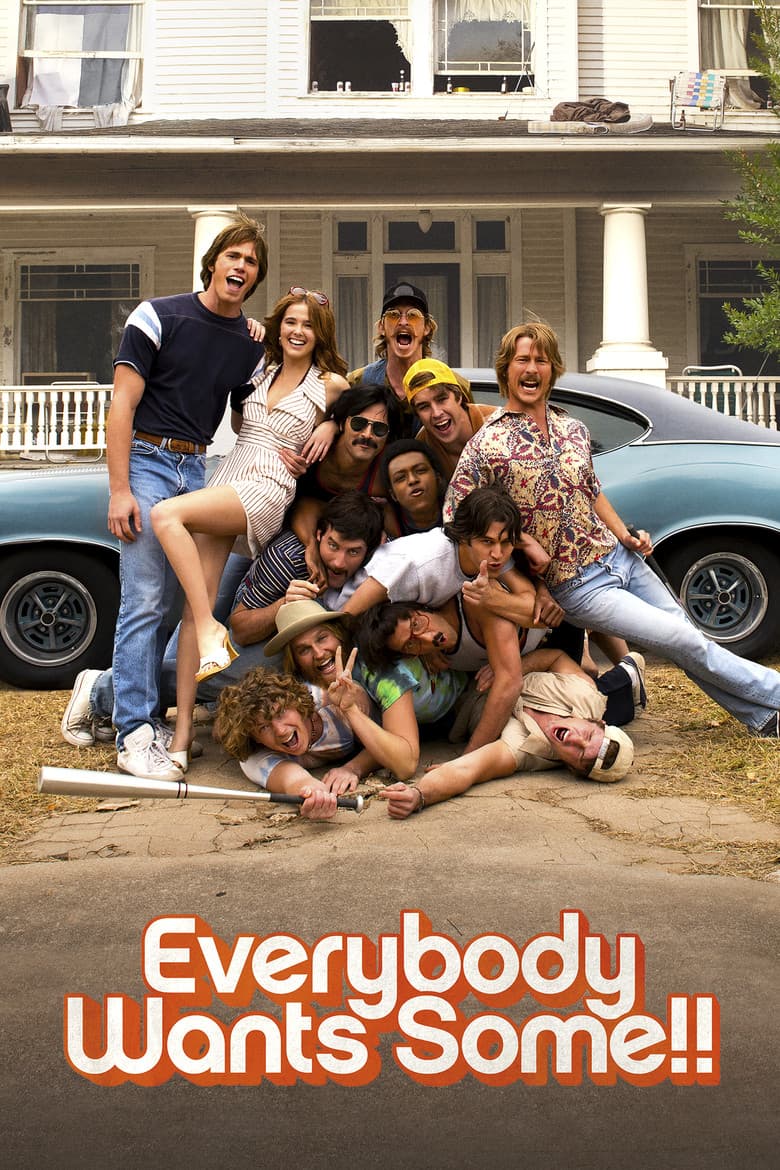
Movie · 2016
A comedy that follows a group of friends as they navigate their way through the freedoms and responsibilities of unsupervised adulthood.
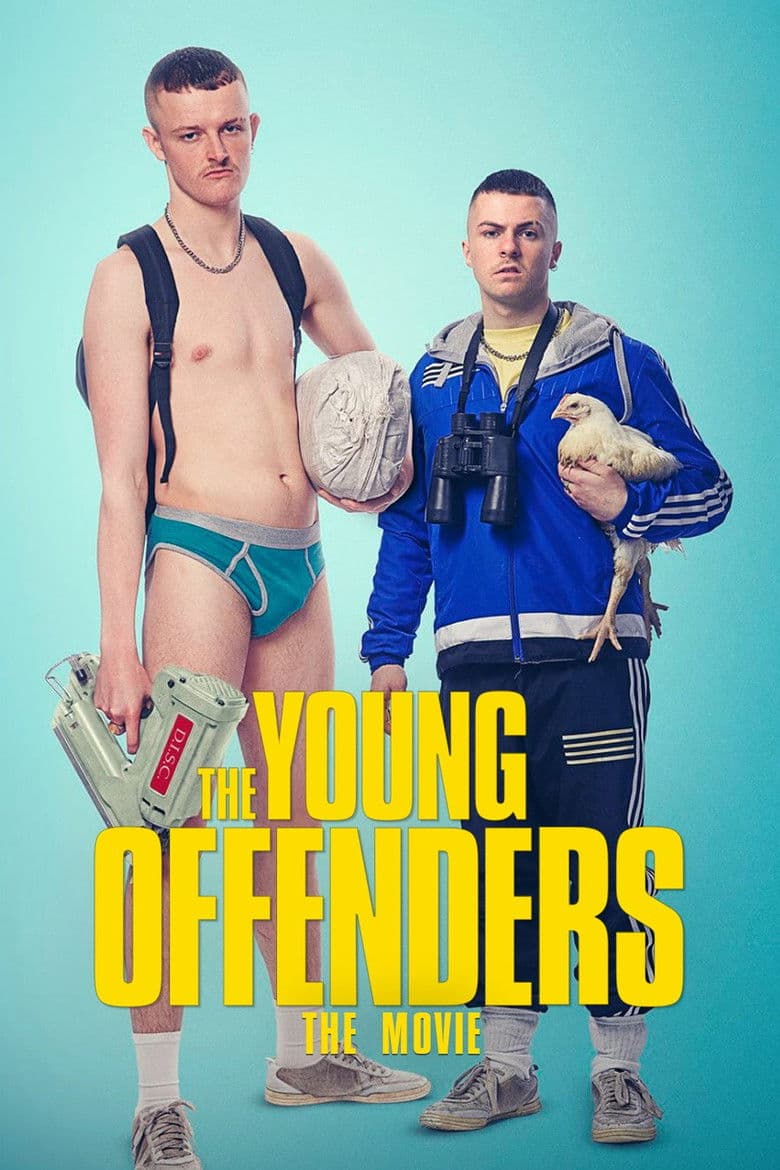
Movie · 2016
Two teenage boys from inner-city Cork steal bicycles and ride off on a 160km quest to find an unrecovered bale of cocaine worth 7,000,000 euros.
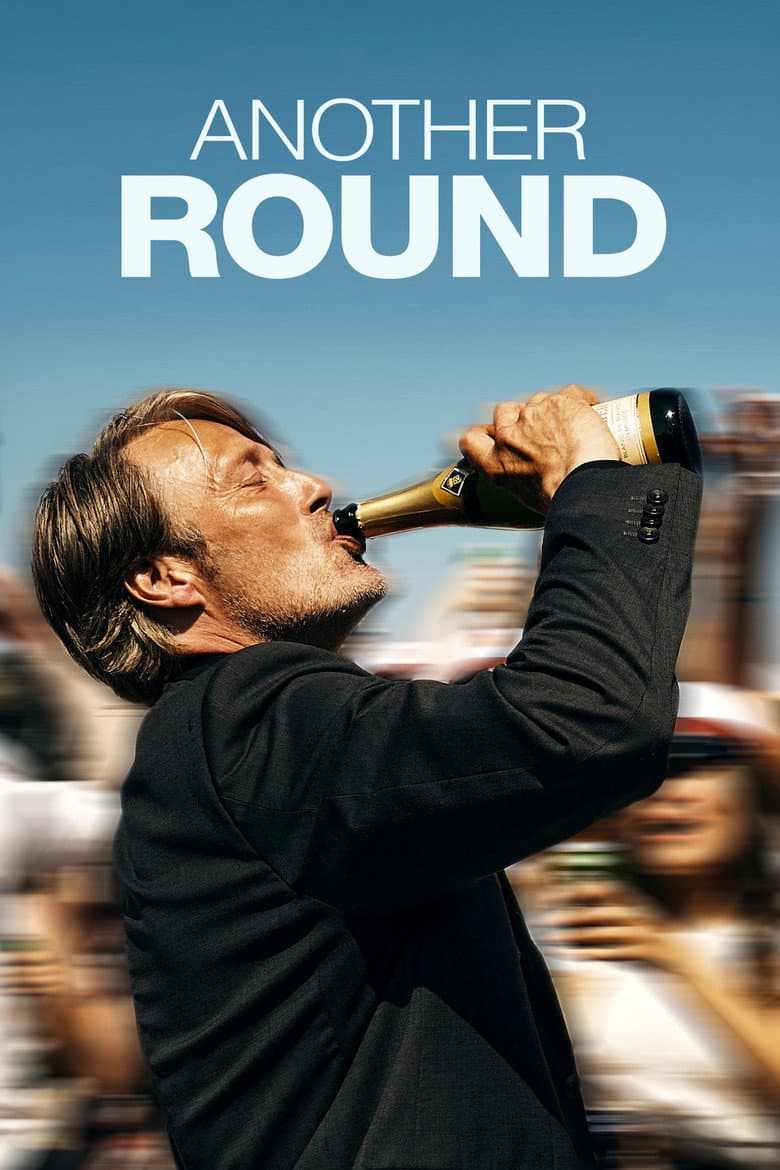
Movie · 2020
Four stagnant high school teachers decide to test out a theory that maintaining a constant level of intoxication will improve their overall lives.
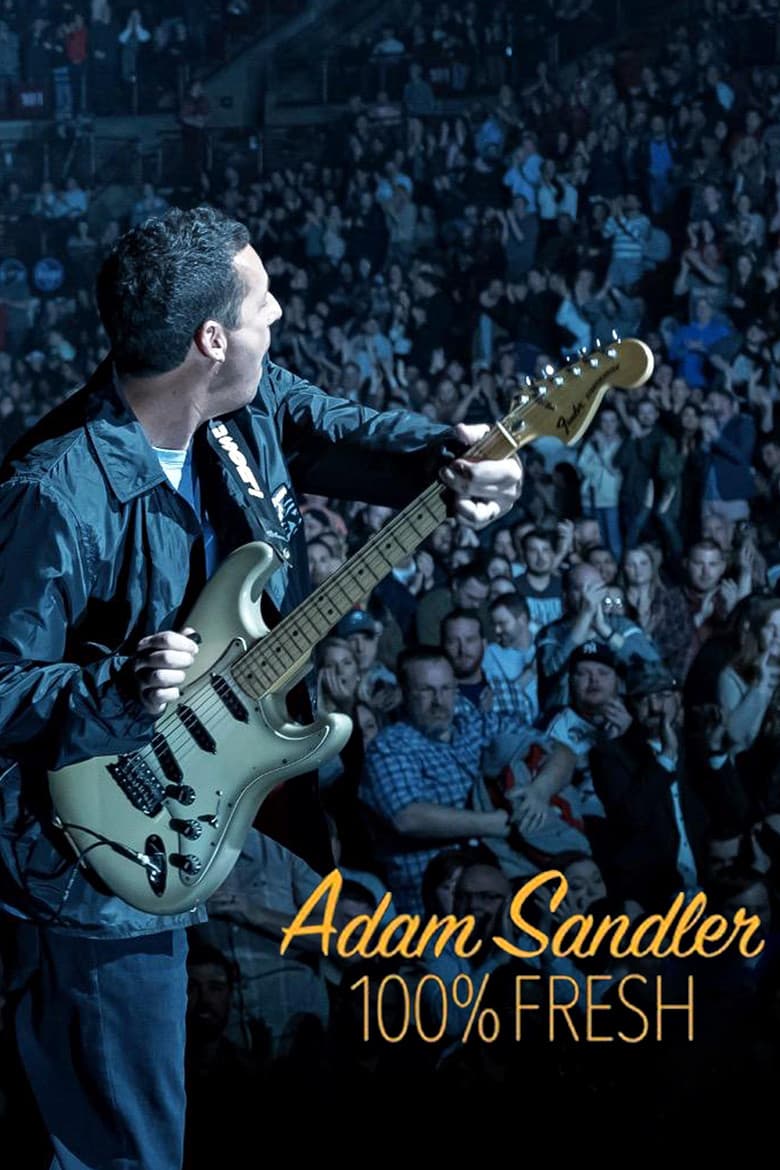
Movie · 2018
Adam Sandler takes his comical musical musings back out on the road, from comedy clubs to concert halls to one very unsuspecting subway station.
