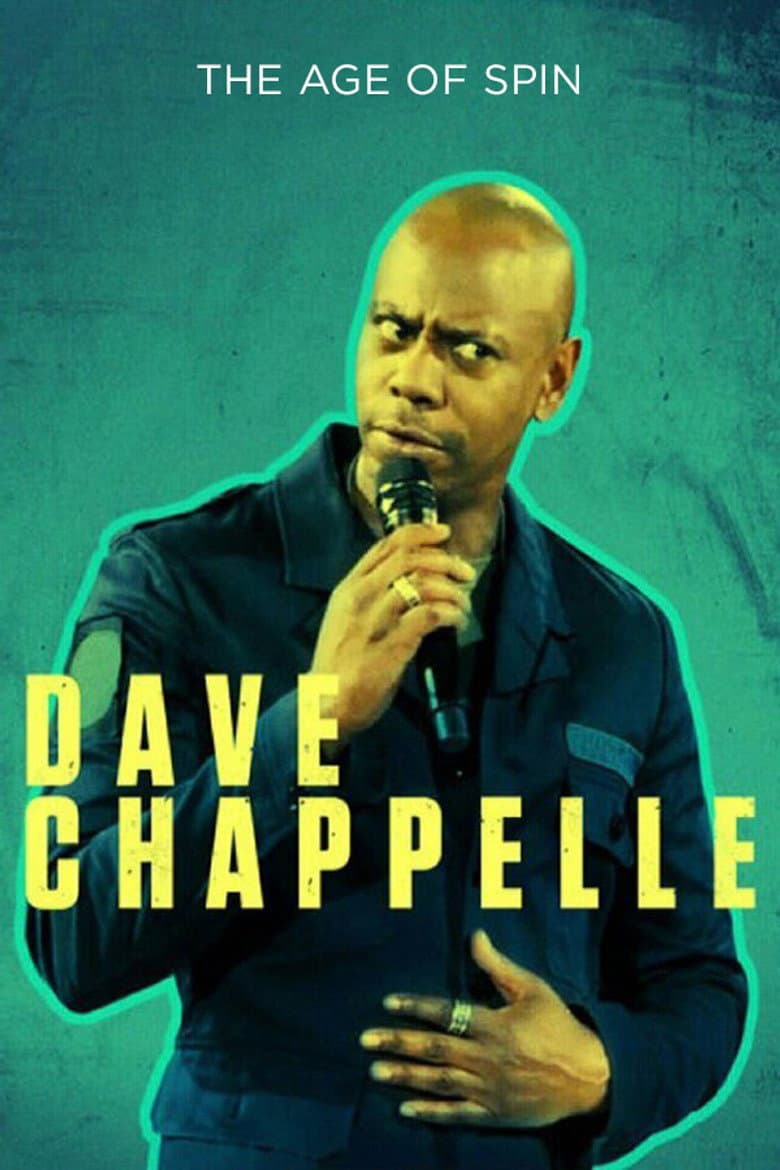
Dave Chappelle stands alone on a Los Angeles stage and turns his own life into a long set of stories. He talks about four meetings with O.J. Simpson, a tense traffic stop, his return after years away, and his struggle with the damage done by heroes such as Bill Cosby. The special moves between race, fame, police, family, sex, drugs, and the speed of modern news. Its tone is bold, dirty, personal, and often willing to make the crowd uncomfortable.
The clearest woke-related material is a long run of jokes about gay people, transgender people, pronouns, Caitlyn Jenner, and the fight over who suffers more. Chappelle says he supports the gay movement and says people should be allowed to make their own choices, but he also mocks LGBTQ labels and transgender bodies. He calls himself a feminist and says women should not be held back by their sex, while he jokes about rape, sexual assault claims, and a white woman who challenges him. The special also links police violence, race, and unfair treatment in the justice system to wider American history, so identity and social conflict form an important part of the set without becoming its only subject.
Community feedback
Was our 47% Woke rating accurate?
Breakdown
These are the editorial factors and ratings behind our score for Dave Chappelle: The Age of Spin.
Woke representation / casting
Not present. The special has one main performer and no story cast. The mixed audience is not part of the story.
0%
Woke political dialogue
Chappelle spends a long section speaking about gay rights, transgender identity, pronouns, and the letters in LGBTQ. He says people should be free to make personal choices and says he supports the gay movement. He also questions equal treatment claims and mocks language and bodies connected to transgender life. He adds a short feminist statement and jokes about women, rape claims, and discrimination.
47%
Identity-driven story themes
The set keeps returning to race, sex, gender identity, and the fight over whose suffering gets more attention. Chappelle compares Black and transgender experiences and builds several jokes around LGBTQ rights and changing social language. He presents these issues as a conflict between personal freedom, public respect, and the limits of comedy. The material is a large part of the hour, but the O.J. Simpson, Bill Cosby, fame, family, and police stories remain just as important.
49%
Western institutional / cultural critique
Chappelle links a traffic stop, police shootings, and the Making a Murderer case to different treatment of black and white people. He questions whether American justice protects everyone equally. He also connects Black civil rights history, women's work during World War II, war protests, and old government abuses to the anger of modern life. These points recur, but the special does not make a full attack on Western culture or capitalism.
34%
Woke character or canon changes
Not relevant. The special tells jokes about real people and events, but it does not change their race, gender, sexuality, or role in an established story.
0%
Anti-woke backlash and complaints
Not present. Public debate mostly criticized the jokes as anti-trans, homophobic, sexist, or out of touch. Some right-leaning coverage defended the special as politically incorrect, but no strong anti-woke complaint against the title was found.
0%
Creator track record context
Stan Lathan's career strongly supports black-led television and comedy, so he adds a mild representation-first context. Dave Chappelle often discusses race and black identity, but his recent public record is more known for resisting progressive pressure than for promoting DEI politics. The producers are mainly comedy and Netflix executives, and the cached record shows little personal activism from them. This context supports a low to middle score rather than a strong activist signal.
28%
Production
Movie · 2023
From his onstage tackle to the slap heard round the world, Dave Chappelle lets loose in this freewheeling and unfiltered stand-up comedy special.
Movie · 2016
A comedy that follows a group of friends as they navigate their way through the freedoms and responsibilities of unsupervised adulthood.
Movie · 2018
Adam Sandler takes his comical musical musings back out on the road, from comedy clubs to concert halls to one very unsuspecting subway station.
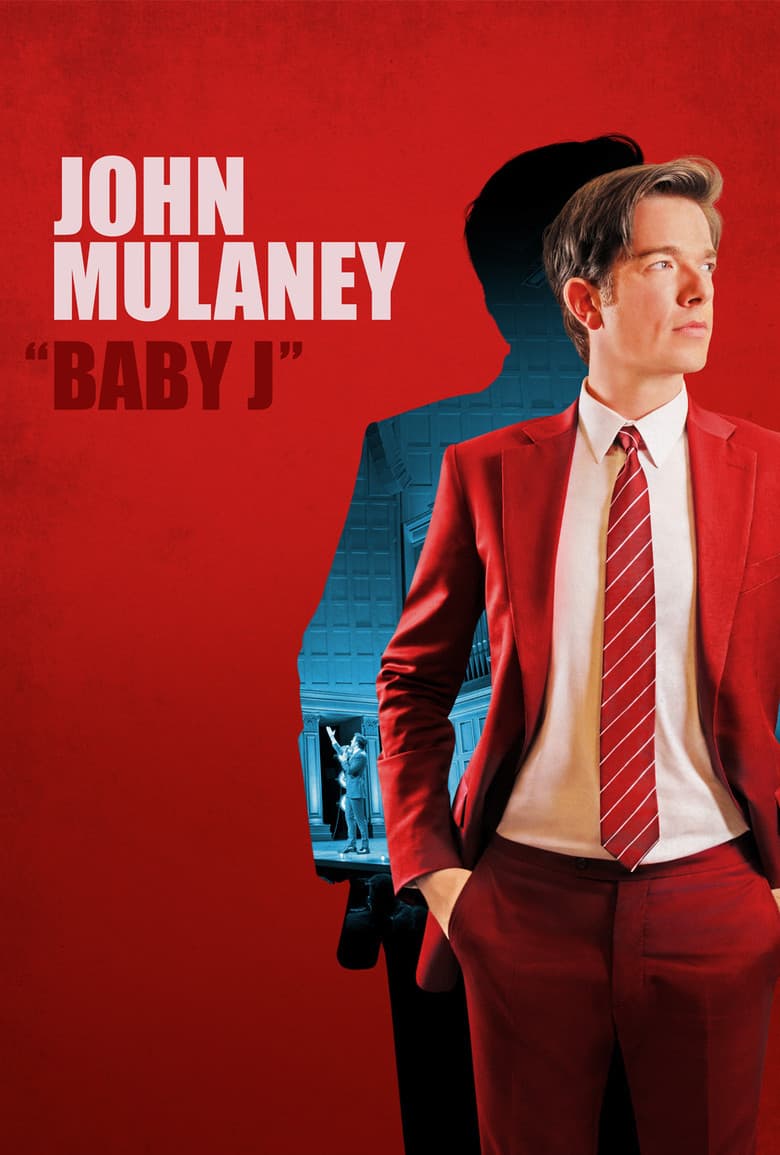
Movie · 2023
A chaotic intervention. An action-packed stay in rehab. After a weird couple of years, John Mulaney comes out swinging in his return to the stage.
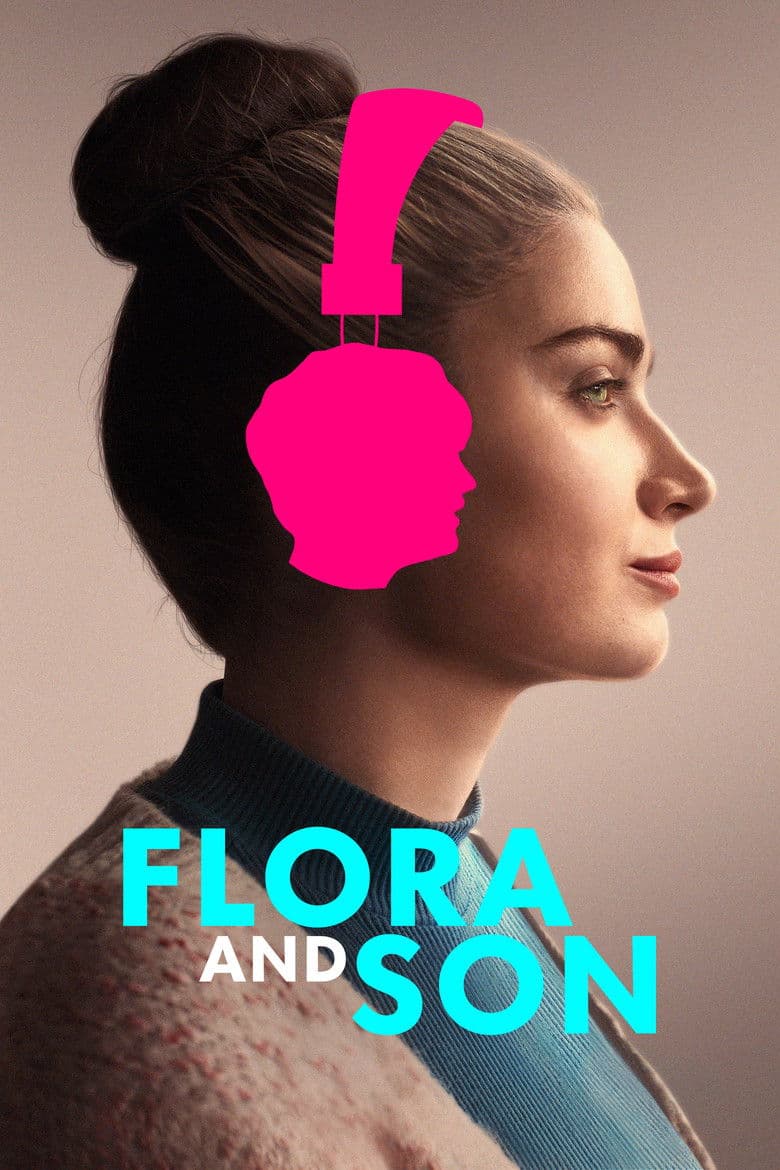
Movie · 2023
Single mom Flora is at a loss about what to do with her rebellious teenage son, Max. Her efforts to keep him out of trouble lead to a beat-up acoustic guitar, a washed-up LA…
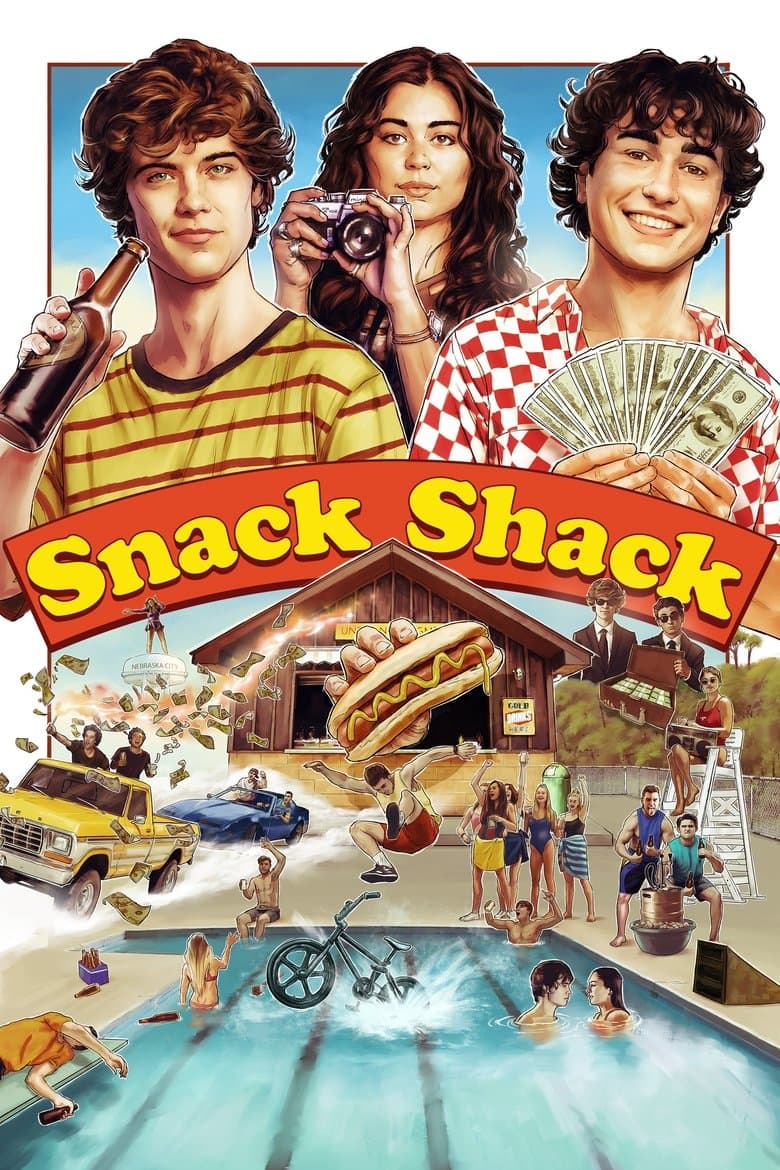
Movie · 2024
Inseparable best friends AJ and Moose decide to run the local pool's snack shack after their plan to sell home-brewed beer goes down the drain.
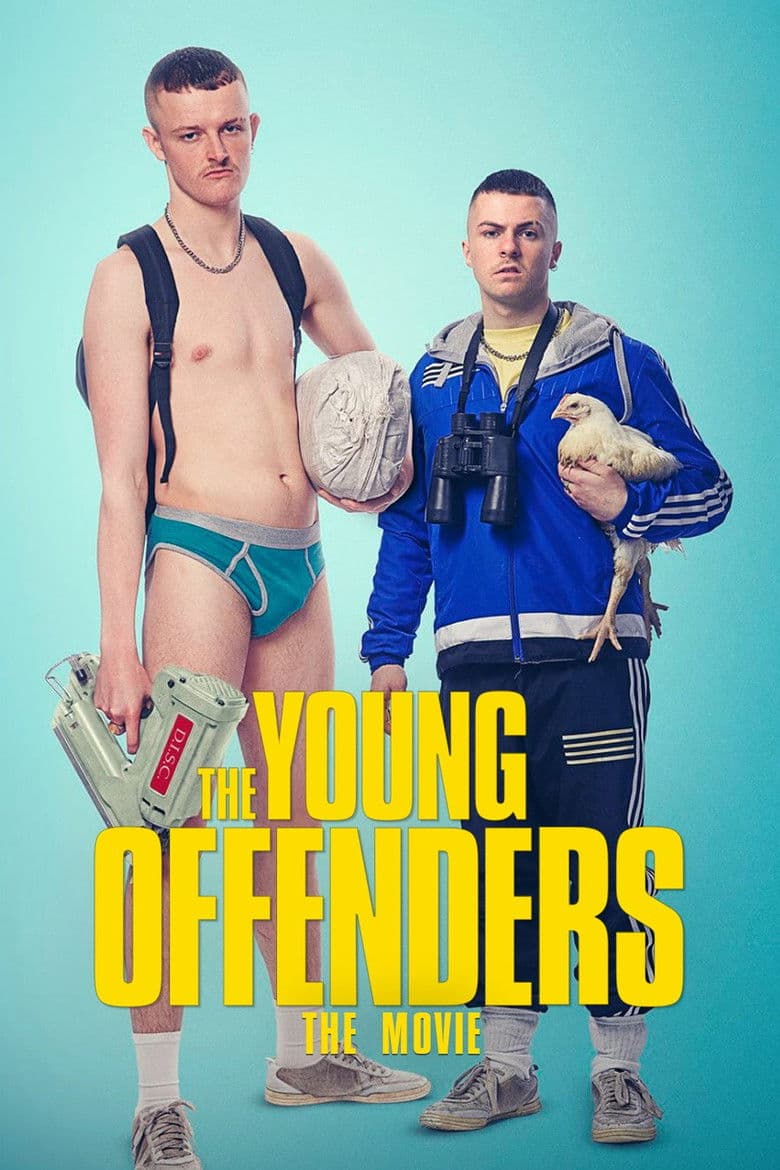
Movie · 2016
Two teenage boys from inner-city Cork steal bicycles and ride off on a 160km quest to find an unrecovered bale of cocaine worth 7,000,000 euros.
Movie · 2023
Leo and Angela Russo live a simple life in Queens, surrounded by their overbearing Italian-American family. When their son finds success on his high school basketball team, Leo…
