
Dave Chappelle stands alone on a stage at the Warner Theatre in Washington, D.C. He talks about growing up poor near Washington, getting older, raising children, and trying to understand a changing America. He moves from family stories to jokes about race, sex, religion, and the 2016 election. The tone is bold, rude, personal, and sometimes serious.
The special gives a large section to transgender jokes and the argument over whether a comedian should care when people feel hurt. It also attacks Trump's Muslim travel ban, talks about white privilege and racism, supports football players who take a knee, and links the Emmett Till story to present politics. These ideas return through much of the hour, but Chappelle often mocks political correctness and progressive language instead of giving a simple activist message. The strongest identity and political material is central to the special, while other parts focus on age, family, class, and everyday comedy.
Community feedback
Was our 48% Woke rating accurate?
Breakdown
These are the editorial factors and ratings behind our score for Dave Chappelle: Equanimity.
Woke representation / casting
Not present. Dave Chappelle is the only featured performer. The set does not use a cast pattern or identity-based role choices to make representation a message.
0%
Woke political dialogue
Chappelle repeatedly talks about transgender identity, white privilege, racism, the Muslim travel ban, and players taking a knee. He also says that trans people deserve dignity, safety, and happiness. The material is mixed with jokes that reject political correctness and mock progressive language. Politics and identity fill several long sections, but they do not control every joke.
48%
Identity-driven story themes
The special returns to black identity, race, white privilege, transgender identity, and the treatment of people seen as outsiders. Chappelle uses the Emmett Till story to connect past racism with present political anger. He gives transgender people a basic claim to dignity while also making their identity the target of repeated jokes. These themes shape the hour, but the special often argues against activist language rather than fully endorsing it.
47%
Western institutional / cultural critique
Chappelle attacks Trump's travel ban, racist ideas, and the belief that America should treat whole groups as dangerous. He says white privilege shapes which identity debates receive attention. He links the history of racial violence to the country's present political fight. He also mocks the news media and Amish religion, but he does not build the set around attacking family life or Christianity.
43%
Woke character or canon changes
Not relevant. This is an original stand-up set. No established characters, source story, or real historical figure is rewritten.
0%
Anti-woke backlash and complaints
Not present. The public complaints found called the transgender material hurtful, cruel, or regressive. They did not complain that the special pushed woke or DEI ideas.
0%
Creator track record context
Dave Chappelle's recorded score is 13/100 because his recent work resists progressive pressure and political correctness. Stan Lathan's recorded score is 50/100 because much of his career built platforms for Black television and comedy. Lisa Nishimura and Robbie Praw have mild recorded scores of 22/100 and 23/100. The mixed record gives this title a low to moderate creator-context signal.
29%
Production
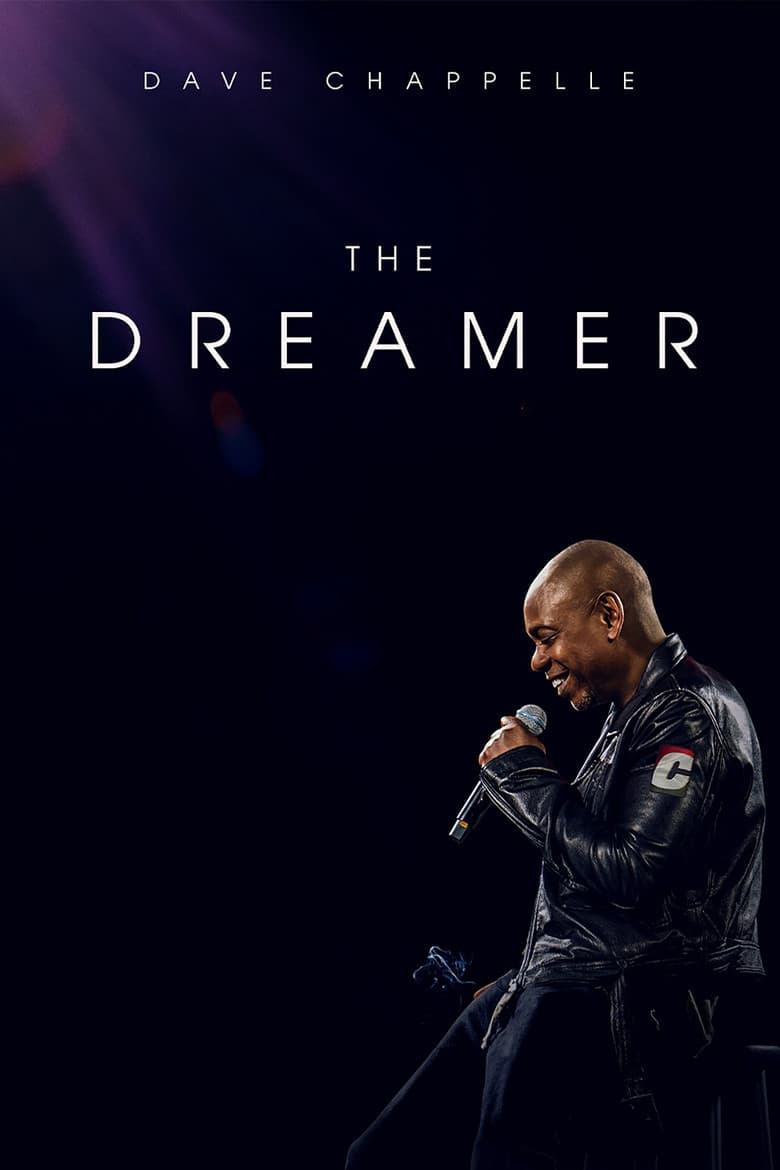
Movie · 2023
From his onstage tackle to the slap heard round the world, Dave Chappelle lets loose in this freewheeling and unfiltered stand-up comedy special.
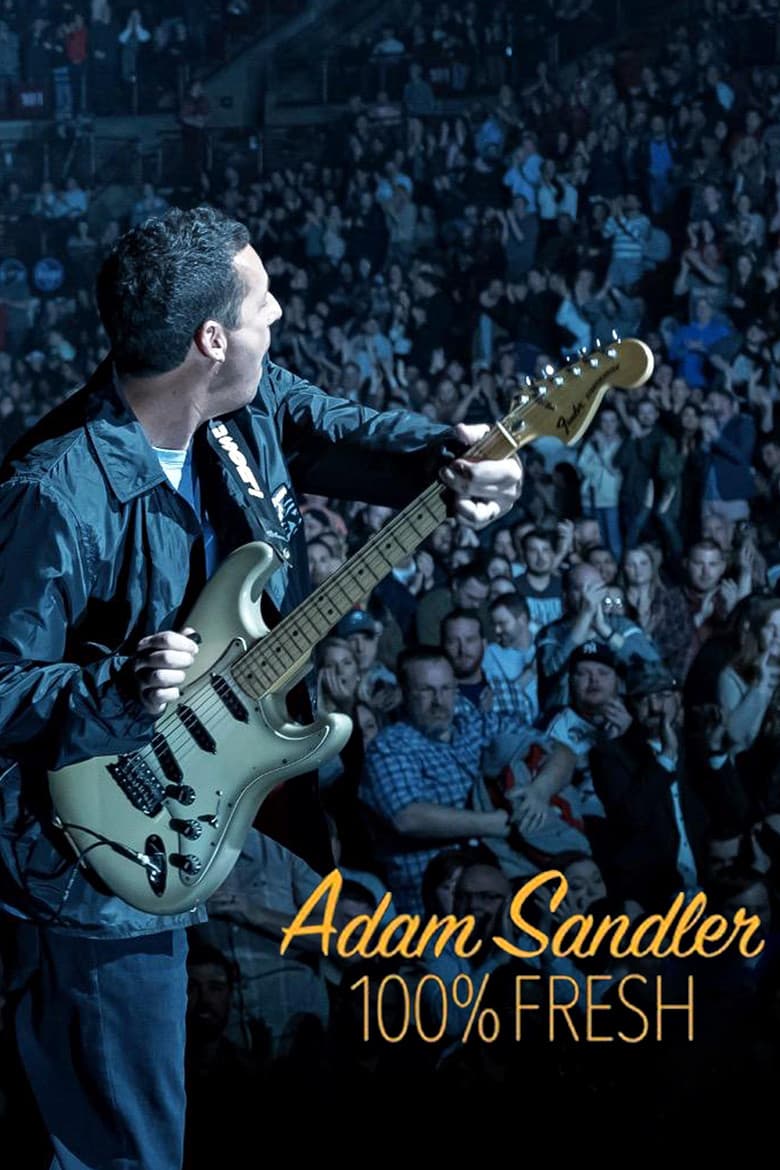
Movie · 2018
Adam Sandler takes his comical musical musings back out on the road, from comedy clubs to concert halls to one very unsuspecting subway station.
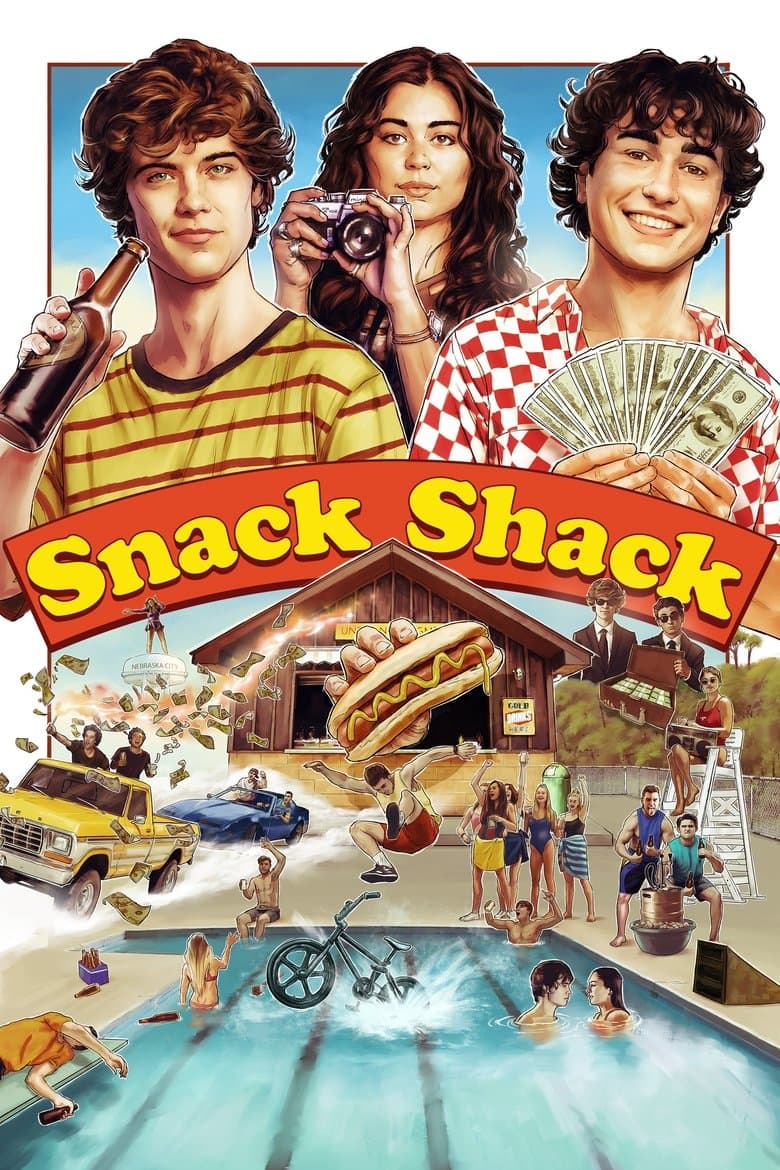
Movie · 2024
Inseparable best friends AJ and Moose decide to run the local pool's snack shack after their plan to sell home-brewed beer goes down the drain.
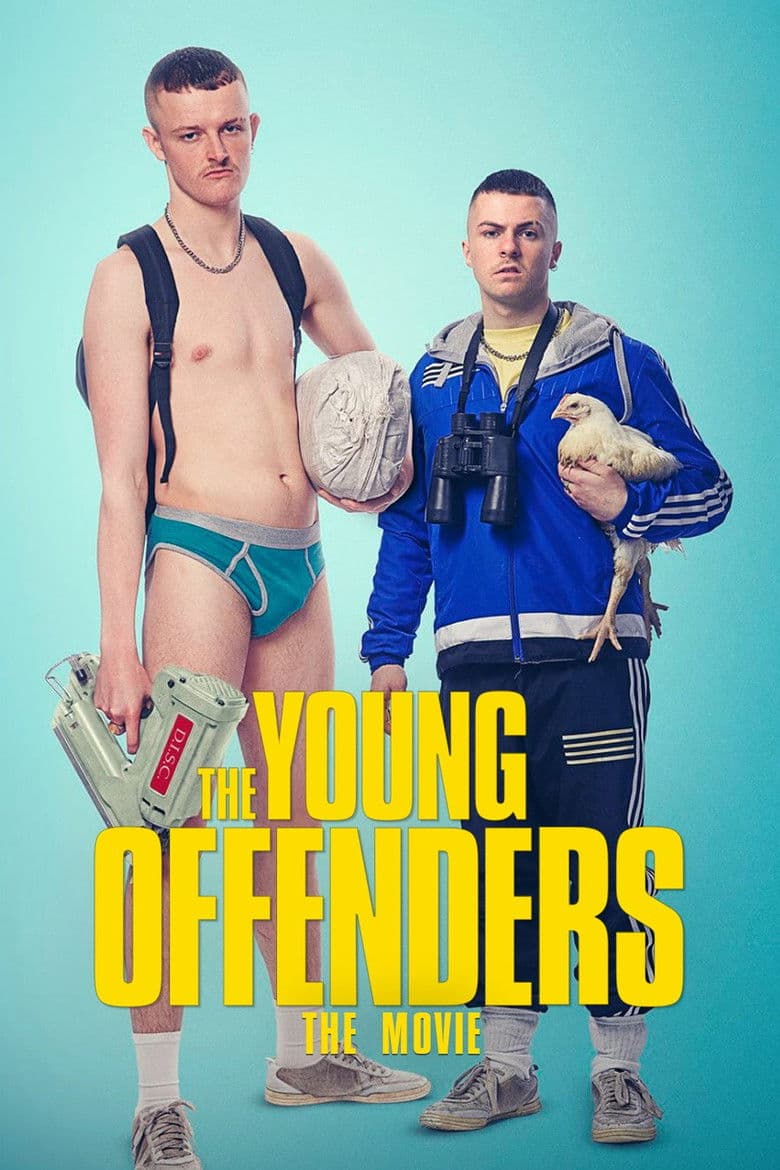
Movie · 2016
Two teenage boys from inner-city Cork steal bicycles and ride off on a 160km quest to find an unrecovered bale of cocaine worth 7,000,000 euros.
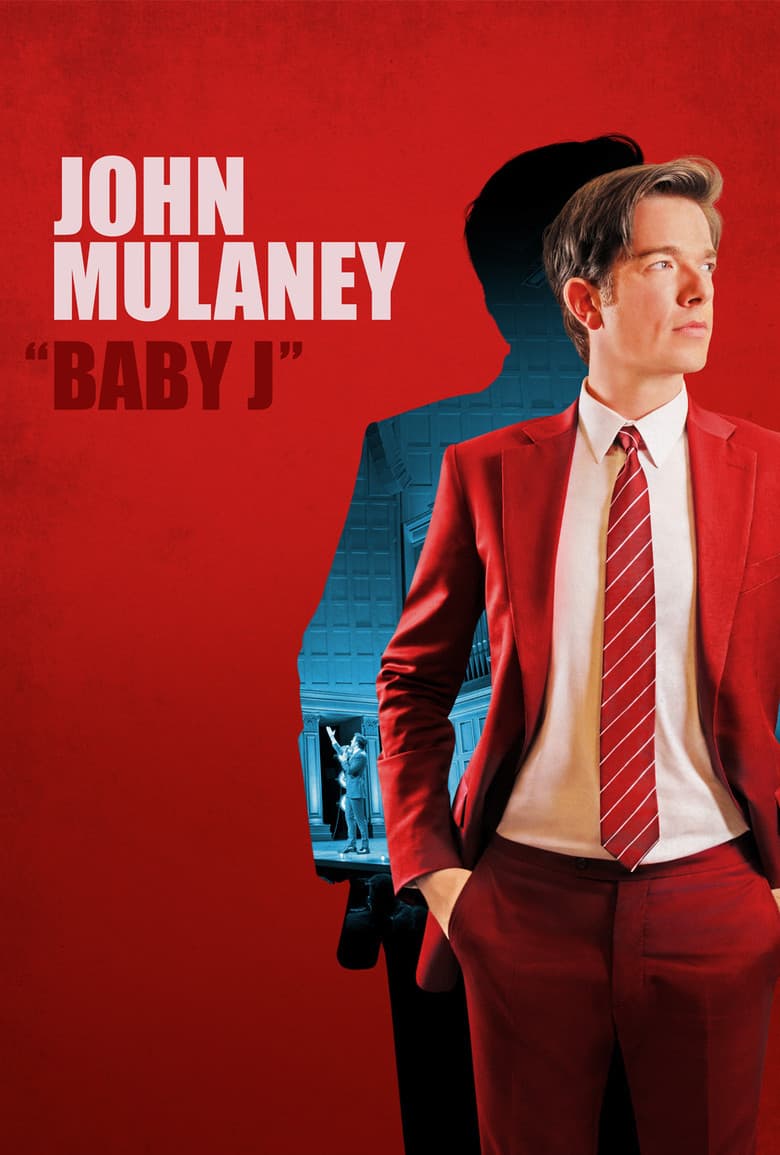
Movie · 2023
A chaotic intervention. An action-packed stay in rehab. After a weird couple of years, John Mulaney comes out swinging in his return to the stage.
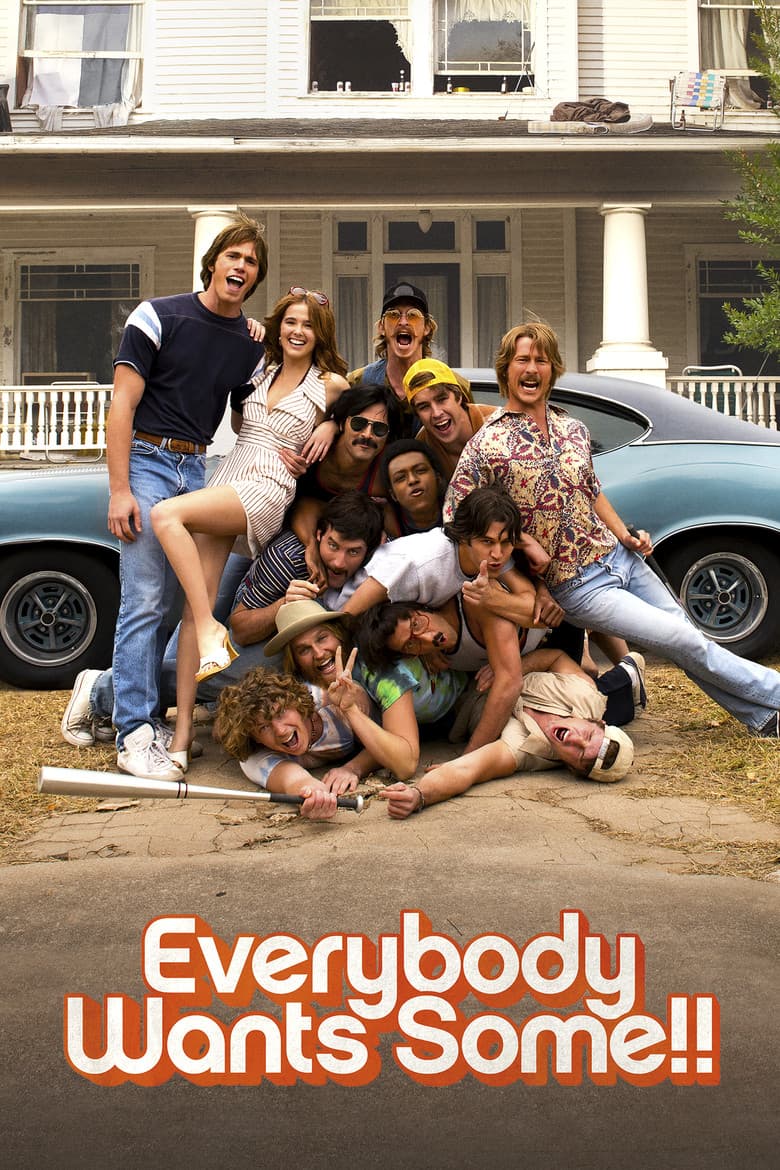
Movie · 2016
A comedy that follows a group of friends as they navigate their way through the freedoms and responsibilities of unsupervised adulthood.
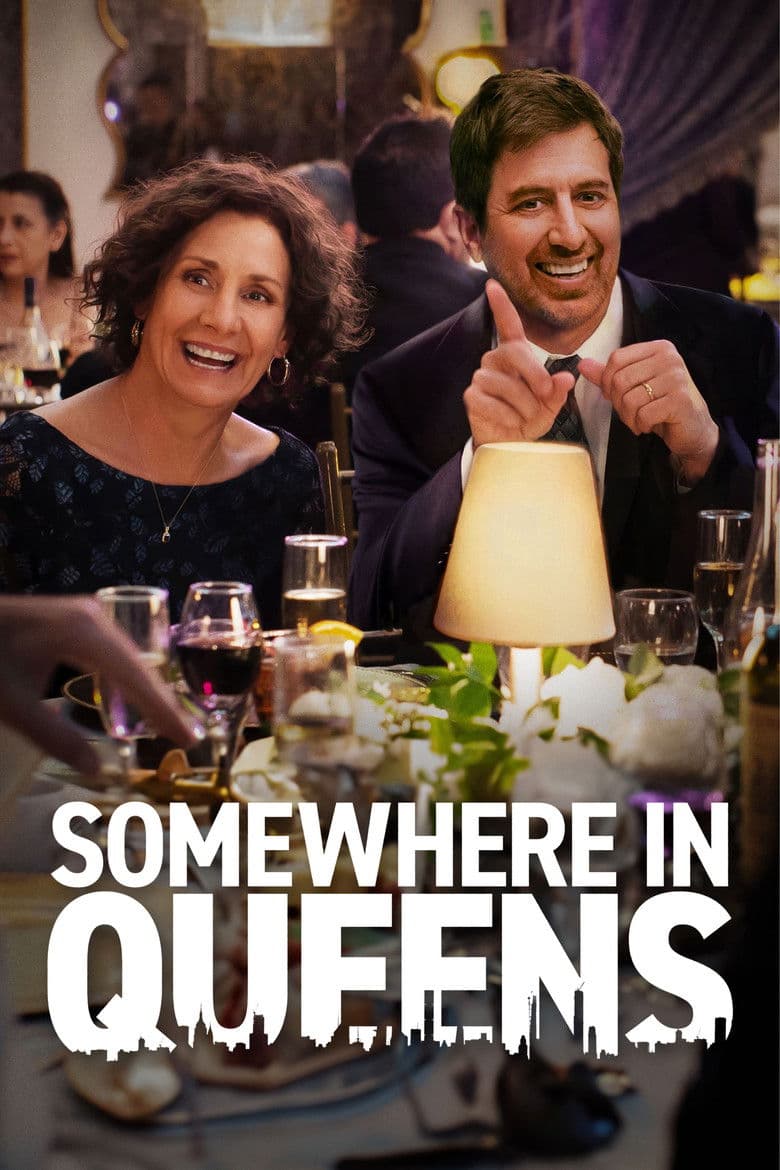
Movie · 2023
Leo and Angela Russo live a simple life in Queens, surrounded by their overbearing Italian-American family. When their son finds success on his high school basketball team, Leo…
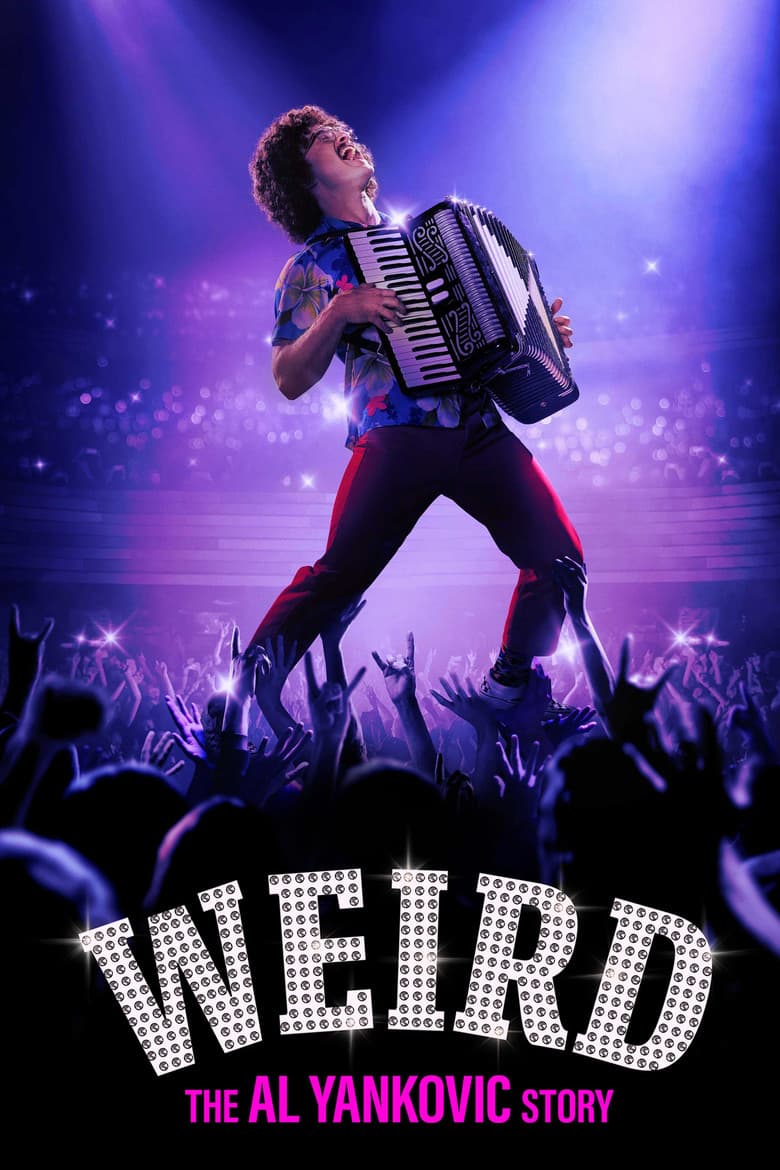
Movie · 2022
Exploring every facet of ‘Weird Al’ Yankovic’s life, from his meteoric rise to fame with early hits like ‘Eat It’ and ‘Like a Surgeon’ to his torrid celebrity love affairs and…
