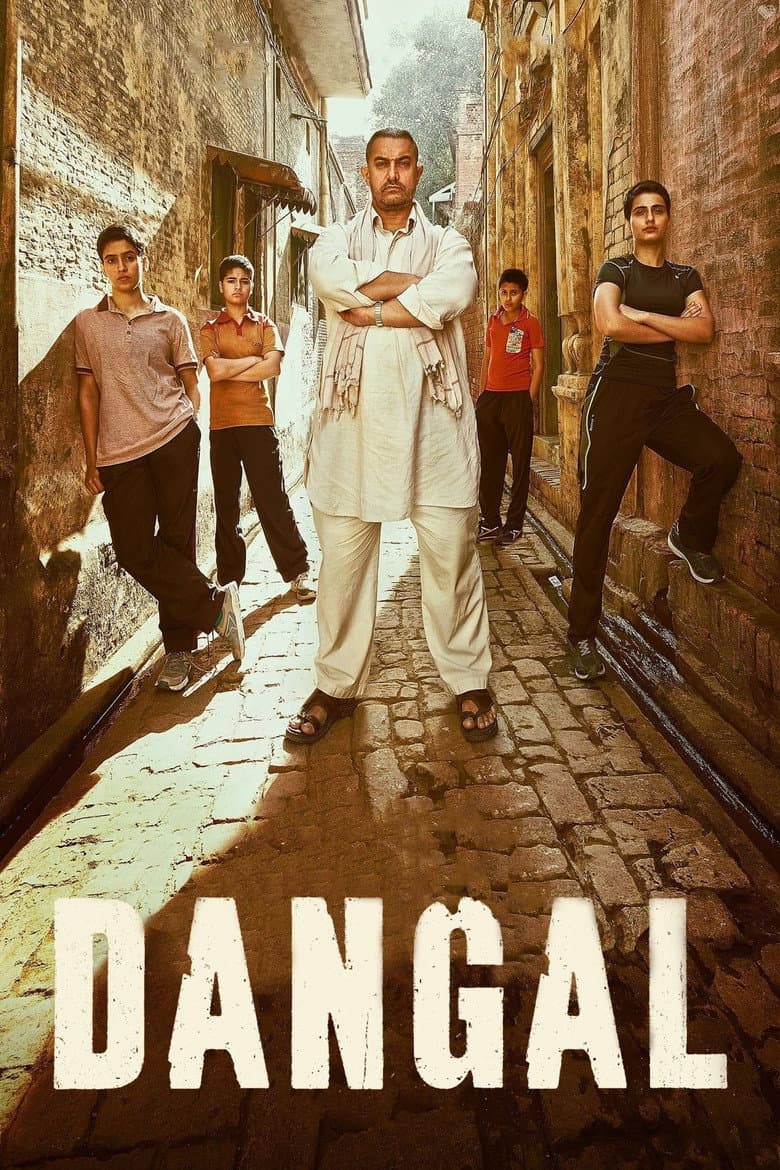
Dangal is a Hindi sports drama about Mahavir Singh Phogat, a former wrestler who lives with his wife and four daughters in rural Haryana. After giving up his dream of winning a medal for India, Mahavir trains Geeta and Babita when he sees that they can defeat boys in wrestling. The girls first resist his hard workouts, strict food rules, and short haircuts, but they later choose the sport and enter bigger contests. The film mixes family jokes and emotional fights with long training scenes and tense matches as Geeta moves toward the Commonwealth Games.
The film makes gender equality a main part of its story. Mahavir and the girls push against village claims that wrestling is for boys, girls belong in the kitchen, and daughters should be married young. The final match is framed as a win for girls who are treated as less important than boys, so the message is stated in both dialogue and action. The film also keeps the father at the center, and Geeta's later success depends heavily on returning to his coaching, which makes the empowerment message mixed with strong parental control.
Community feedback
Was our 67% Woke rating accurate?
Breakdown
These are the editorial factors and ratings behind our score for Dangal.
Woke representation / casting
Not present. The main cast is Indian and fits the Haryana setting. Geeta and Babita are played by actresses as the real women they portray. The film does not use a diversity-style casting pattern or an identity swap.
0%
Woke political dialogue
Mahavir says that girls are not lesser than boys. Villagers say girls belong in the kitchen and ask who will marry them. Near the final, Mahavir tells Geeta that her match stands for girls treated as inferior, forced into housework, or married off. These ideas return through the story, but the dialogue stays tied to the family and wrestling plot.
48%
Identity-driven story themes
The story centers on two girls who become champion wrestlers in rural Haryana. It treats early marriage, housework, long hair, and village rules as limits placed on girls. The film presents sport as a way for women to gain strength, work, and public respect. The message is repeated through training, family conflict, and the final match, although Mahavir's control remains central.
68%
Western institutional / cultural critique
The film mocks village beliefs that girls belong in the kitchen and should be married young. It treats those rules as barriers to a girl's future. The message stays inside the family and rural sports setting. It does not blame capitalism, Christianity, or modern Western society.
18%
Woke character or canon changes
The film changes the real family story by making Mahavir deeply upset that he has daughters instead of a son. It adds a long losing streak for Geeta after she grows her hair and follows a different coach. It then makes her return to her father's methods the key to her recovery. These changes are noticeable in the family and training arc, but the title still follows the sisters' real careers.
34%
Anti-woke backlash and complaints
Not present. No major anti-woke backlash against the film's gender themes was found. Online boycott talk focused on Aamir Khan's earlier political comments, not the film's identity content.
0%
Creator track record context
Nitesh Tiwari has made some gender-aware and socially focused films, but he is mainly a mainstream entertainer. Nikhil Mehrotra often writes stories about women entering male spaces. Aamir Khan, Kiran Rao, and Alan McAlex have stronger records in social-issue, feminist, or representation-focused work, while Siddharth Roy Kapur is more mixed. Together, this gives the project a moderate creator track record.
56%
Production

Movie · 2017
In 1843, despite the fact that Dickens is a successful writer, the failure of his latest book puts his career at a crossroads, until the moment when, struggling with inspiration…

Movie · 2022
Marcel is an adorable one-inch-tall shell who ekes out a colorful existence with his grandmother Connie and their pet lint, Alan.

Movie · 2024
The Herdman kids are undeniably the worst kids in the history of the world. They lie, steal, cheat, bully and overall terrorize their small community.

Movie · 2017
The film follows a man with an unwanted gift for healing who meets a teenager with cancer who helps him to find himself.
Movie · 2020
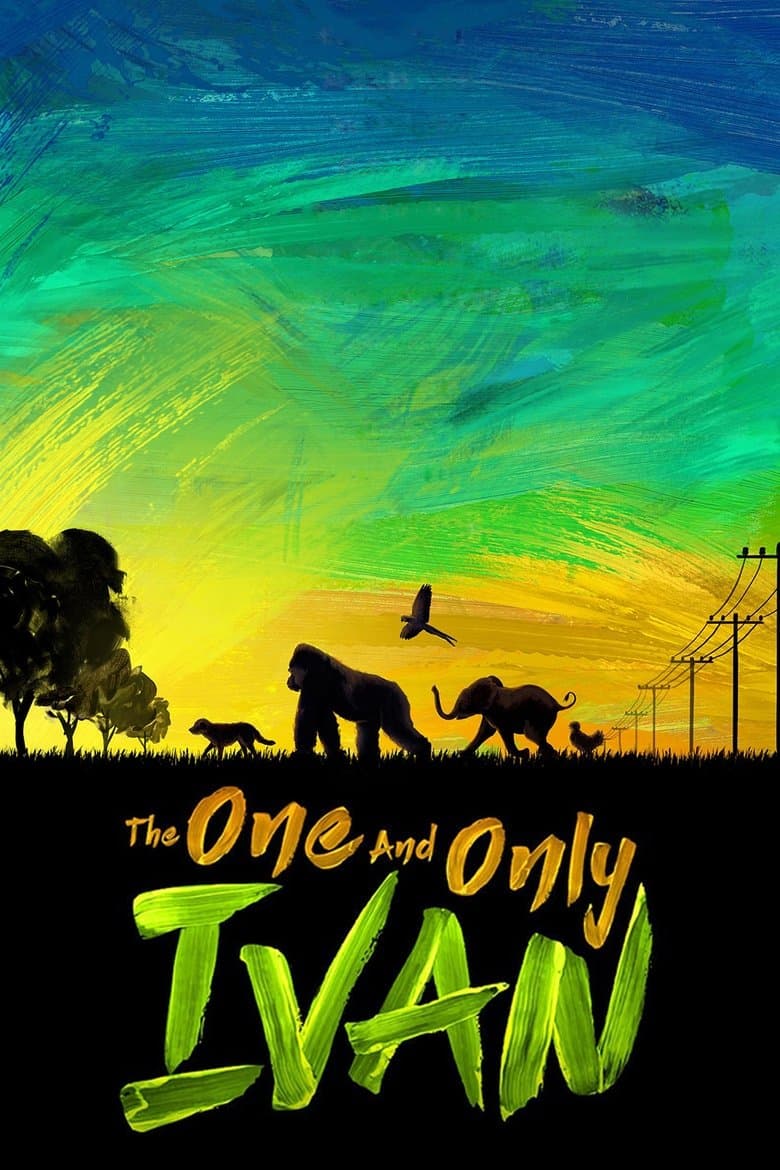
A gorilla named Ivan who’s living in a suburban shopping mall tries to piece together his past, with the help of other animals, as they hatch a plan to escape from captivity.
Movie · 2015
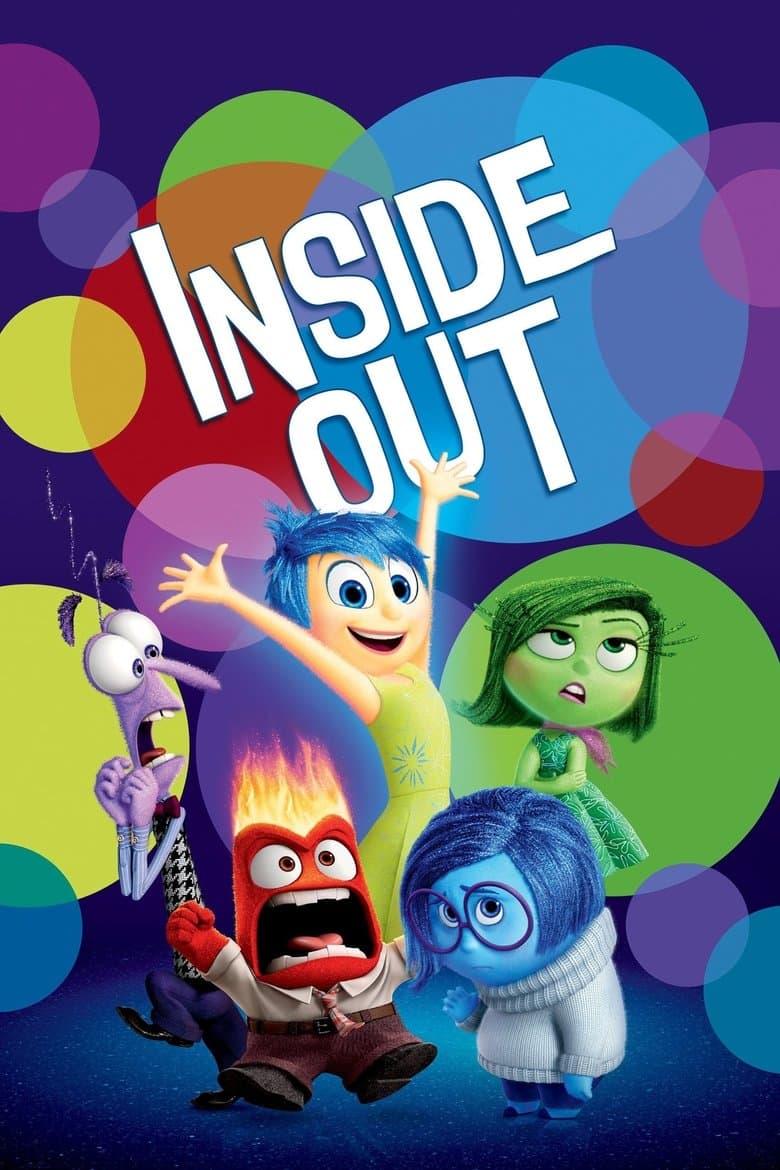
When 11-year-old Riley moves to a new city, her Emotions team up to help her through the transition. Joy, Fear, Anger, Disgust and Sadness work together, but when Joy and Sadness…
Movie · 2021
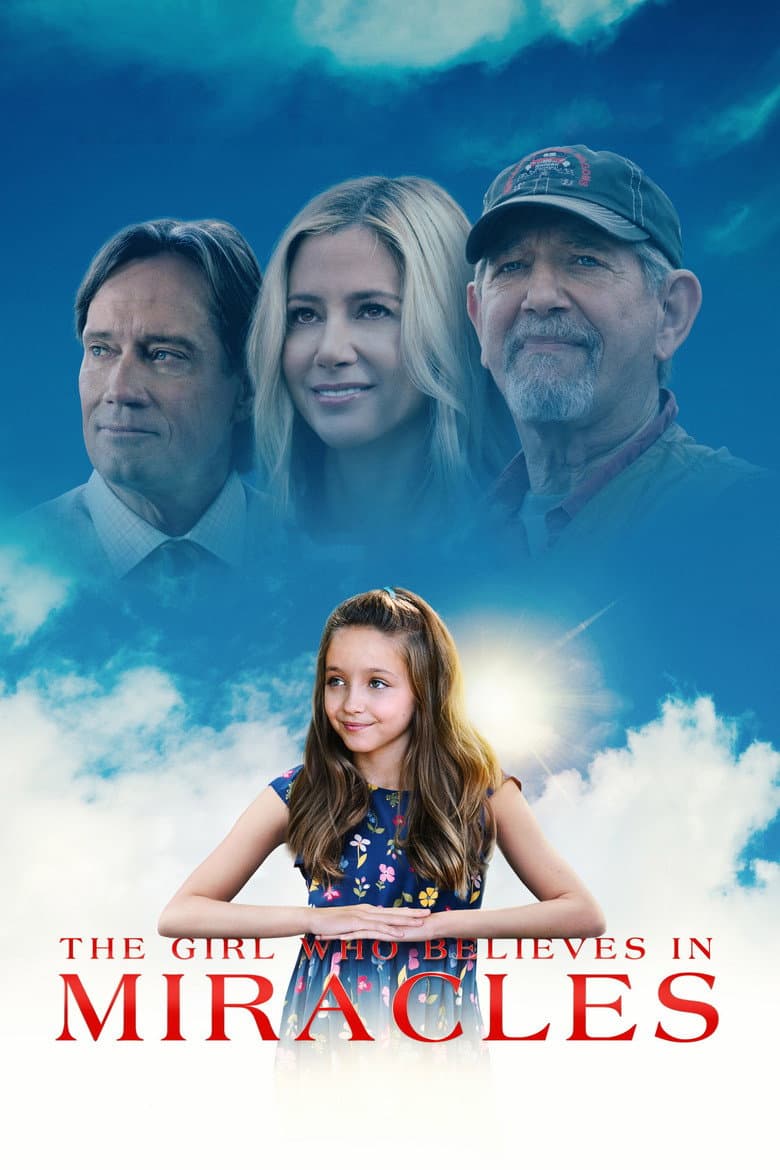
When Sara hears a preacher say faith can move mountains, she starts praying. Suddenly people in her town are mysteriously healed!
Movie · 2018
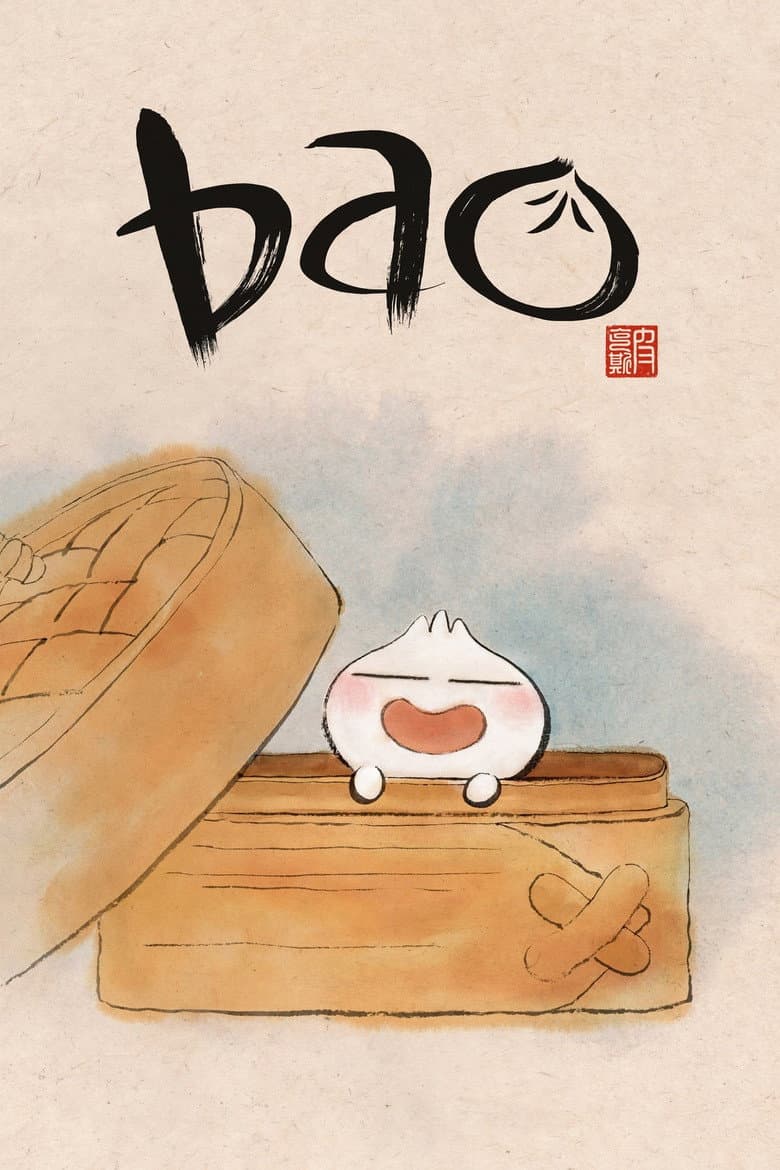
An aging Chinese mother suffering from empty nest syndrome gets another chance at motherhood when one of her dumplings springs to life as a lively, giggly dumpling boy.
