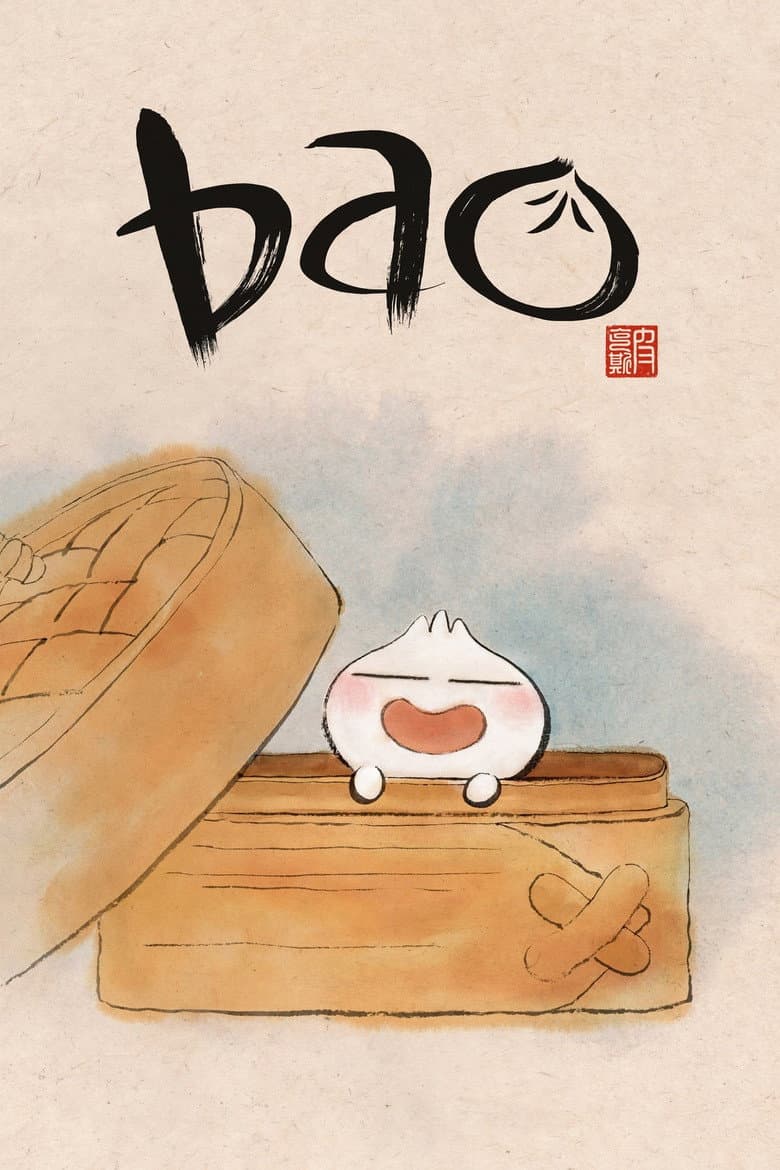
Bao follows a lonely Chinese Canadian mother in Toronto after her only son leaves home. One of her handmade dumplings suddenly comes alive, and she treats the little bun like a new child. The mother feeds him, protects him, and enjoys having someone who needs her again. The playful family story turns sad and strange when the dumpling grows up, chooses his own life, and brings home a white girlfriend.
The short keeps Chinese family life at the center through dumpling making, home customs, food, and the gap between the mother and her Western-raised son. The mother worries that her son will leave her culture behind, but the film treats that fear as a family problem rather than a political cause. The story also challenges a parent who tries to control an adult child’s friends, home, and partner. These ideas are clear and important, but the short is mainly about love, guilt, growing up, and learning to let go.
Community feedback
Was our 29% Woke rating accurate?
Breakdown
These are the editorial factors and ratings behind our score for Bao.
Woke representation / casting
The short makes Chinese family identity highly visible through its mother, father, son, food, home, and the son’s white girlfriend. Those choices fit the Toronto family and the story’s focus on culture and family life. Public coverage also framed Bao as Pixar’s first short directed by a woman and as a step for Asian visibility. That adds a small representation signal, but the film does not build a mixed group around identity labels.
18%
Woke political dialogue
Not present. The short has no spoken political lines. The only recorded speech comes from a television in the background.
0%
Identity-driven story themes
The story follows a Chinese Canadian mother who fears losing her son to adult life and a white girlfriend. It uses food, family customs, and the gap between Chinese family expectations and Western independence as the ongoing source of conflict. The mother must accept that her son can leave home and choose his own partner. The short treats this as a personal family problem, not a wider political fight.
32%
Western institutional / cultural critique
The mother tries to keep her son from friends, independence, and a partner outside her culture. The story shows this control as harmful when she destroys the dumpling in a moment of panic. The son later returns, and the family accepts his adult life. The short critiques overprotective family control, but it does not attack religion, capitalism, or Western institutions.
20%
Woke character or canon changes
Not relevant. Bao is an original Pixar short with no established character, historical person, or source canon being changed.
0%
Anti-woke backlash and complaints
Not present. The supplied X research found no anti-woke reaction or named complaint. Web coverage and audience comments focused on confusion, the shock ending, family control, and cultural detail instead.
0%
Creator track record context
Domee Shi has a cached score of 37 because her work draws on cultural family life and she has supported more women and women of color in animation leadership. John Lasseter has a cached score of 24 after backing more female and ethnic characters. Pete Docter has a cached score of 21 for mild support of broad diversity, while Becky Neiman-Cobb has a cached score of 0 with no known activist profile. This gives Bao some background diversity context, but the creative group does not show a strong activist record.
23%
Production
Movie · 2023
Created for Disney's 100th anniversary, the short features Mickey Mouse corralling a gallery of legendary Disney characters for a group photo.
Movie · 2007
Remy, a rat living in Paris, possesses a palate far more refined than that of his fellow comrades. He dreams of becoming a chef, determined to create culinary masterpieces rather…
Movie · 2021
Set before the events of ‘Soul’, 22 refuses to go to Earth, enlisting a gang of 5 new souls in attempt of rebellion.
Movie · 2018
The Grinch hatches a scheme to ruin Christmas when the residents of Whoville plan their annual holiday celebration.
Movie · 2017
Olaf is on a mission to harness the best holiday traditions for Anna, Elsa, and Kristoff.
Movie · 2021
Shaun's seasonal excitement turns to dismay when a farmhouse raid to get bigger stockings for the flock inadvertently leads to Timmy going missing.
Movie · 2020
A young rabbit embarks on a journey to dig the burrow of her dreams, despite not having a clue what she's doing.
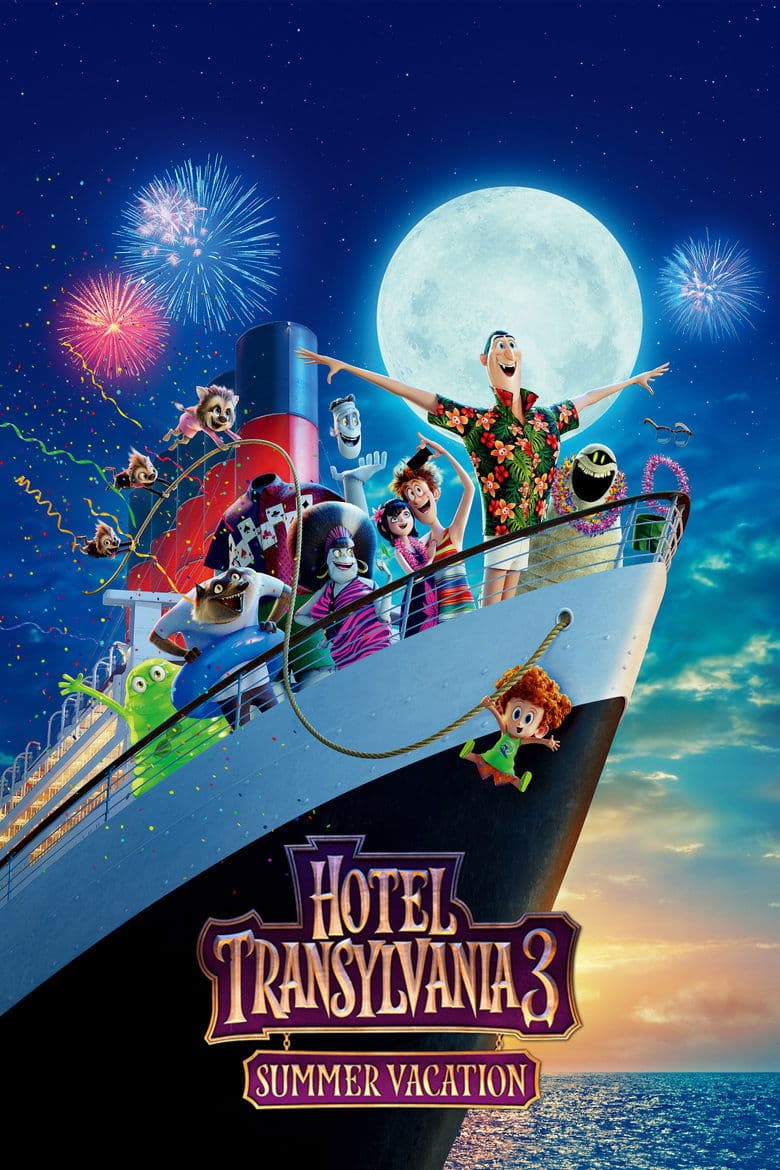
Movie · 2018
Dracula, Mavis, Johnny and the rest of the Drac Pack take a vacation on a luxury Monster Cruise Ship, where Dracula falls in love with the ship’s captain, Ericka, who’s secretly a…
