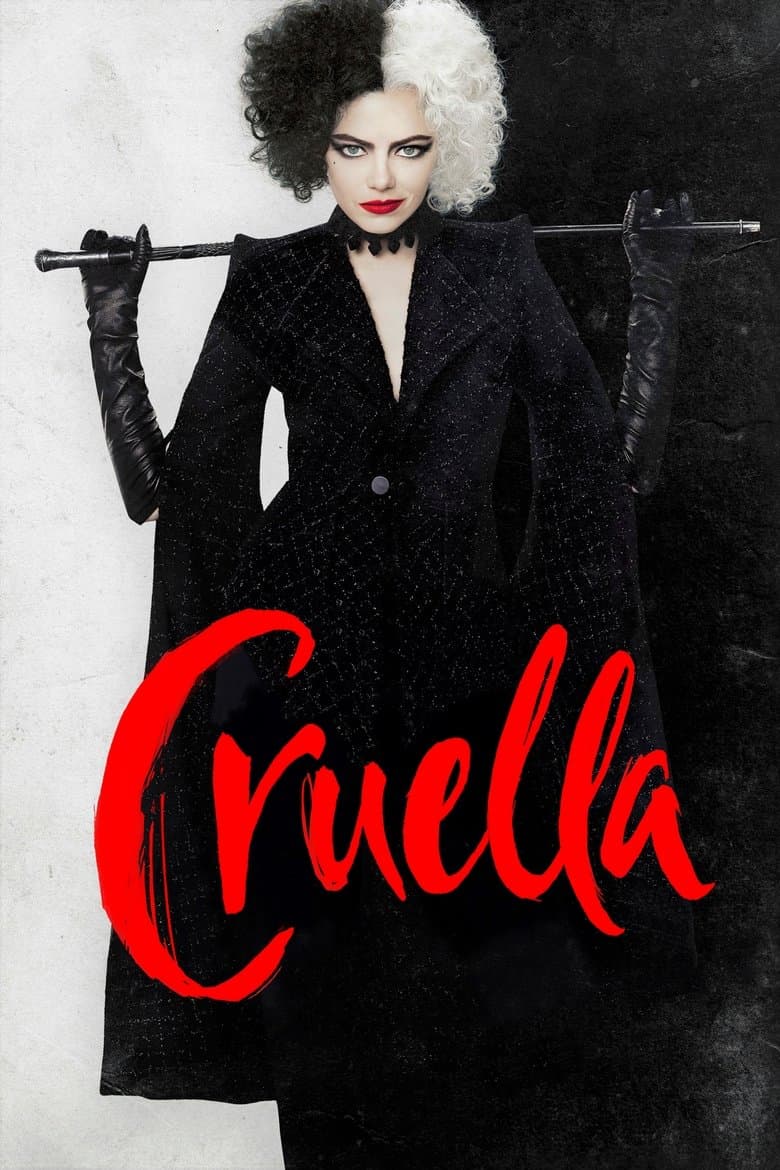
In 1970s London, young Estella wants to be a fashion designer. She grows up poor with two thief friends after a sad loss. A famous, mean fashion boss named the Baroness notices her talent. Their fight over style, power, and family secrets pushes Estella to become wild, flashy Cruella.
The movie’s woke edge is easy to spot but not the whole show. Viewers see a black actress as Anita, a role that was white before, and Artie, a flamboyant gay side character Disney and the actor treated as openly queer. The main plot is a girl-power fashion war between two strong women, with career focus and “be your true self” vibes more than race lectures. Normal viewers notice the female power fight, the gay friend, and the race change in a known role, but the story still runs mostly on clothes, revenge, and heists.
Community feedback
Was our 67% Woke rating accurate?
Breakdown
These are the editorial factors and ratings behind our score for Cruella.
Woke representation / casting
Anita is a known legacy role cast with a black actress after years of white portrayals. Artie is a clear, audience-visible gay supporting character that promo and the actor framed as queer. Leads stay white. Queer casting raises the weight. Pattern is noticeable, not total cast replacement.
54%
Woke political dialogue
Talk centers on power, talent, revenge, and fashion status. There is girl-power energy and bossy one-liners, not long sermons on race systems, pronouns, or modern activist slogans. Viewers hear ambition and rivalry more than politics class.
30%
Identity-driven story themes
Core story is two women fighting for fashion power, careers without a romance engine, and “show the real you” rebellion. Artie adds confirmed LGBTQ presence (+weight). Themes are strong girl-power and light queer-camp flavor, not a race-focused or full queer romance plot.
50%
Western institutional / cultural critique
The rich fashion boss is cruel and fake. That is generic “rich people suck” satire and class climbing, not a modern activist attack on Western faith, traditional family as the enemy, or systemic “whiteness.” Mild elite mockery only.
22%
Woke character or canon changes
Anita’s race change from older versions is a clear identity-facing rewrite of a known character. Her career-first rewrite also fits modern “fix the wife-only role” thinking. Cruella’s human origin story is mostly a normal villain soft reboot, not a DEI rewrite by itself.
45%
Anti-woke backlash and complaints
Real complaints targeted the flamboyant gay character and “LGBT agenda,” with news coverage of viral posts. Not a huge multi-year boycott. Race-swap anger stayed smaller. Score stays moderate for limited but documented anti-woke noise.
28%
Creator track record context
Mix of mid scores: Gillespie’s class satire, Aline Brosh McKenna’s feminist equity focus, Emma Stone’s women’s-stories lean, and Glenn Close’s stronger progressive/DEI stance, balanced by several low-score commercial writers and producers.
34%
Production
Movie · 2025
Wealthy businessman Zsa-zsa Korda appoints his only daughter, a nun, as sole heir to his estate. As Korda embarks on a new enterprise, they soon become the target of scheming…
Movie · 2016
A detective from Hong Kong teams up with an American gambler to battle against a notorious Chinese criminal.
Movie · 2023
Muthuvel Pandian, a retired, stern yet compassionate jailer lives a peaceful life with his family, but trouble knocks his door when his cop son’s tryst with an antique mafia gang…
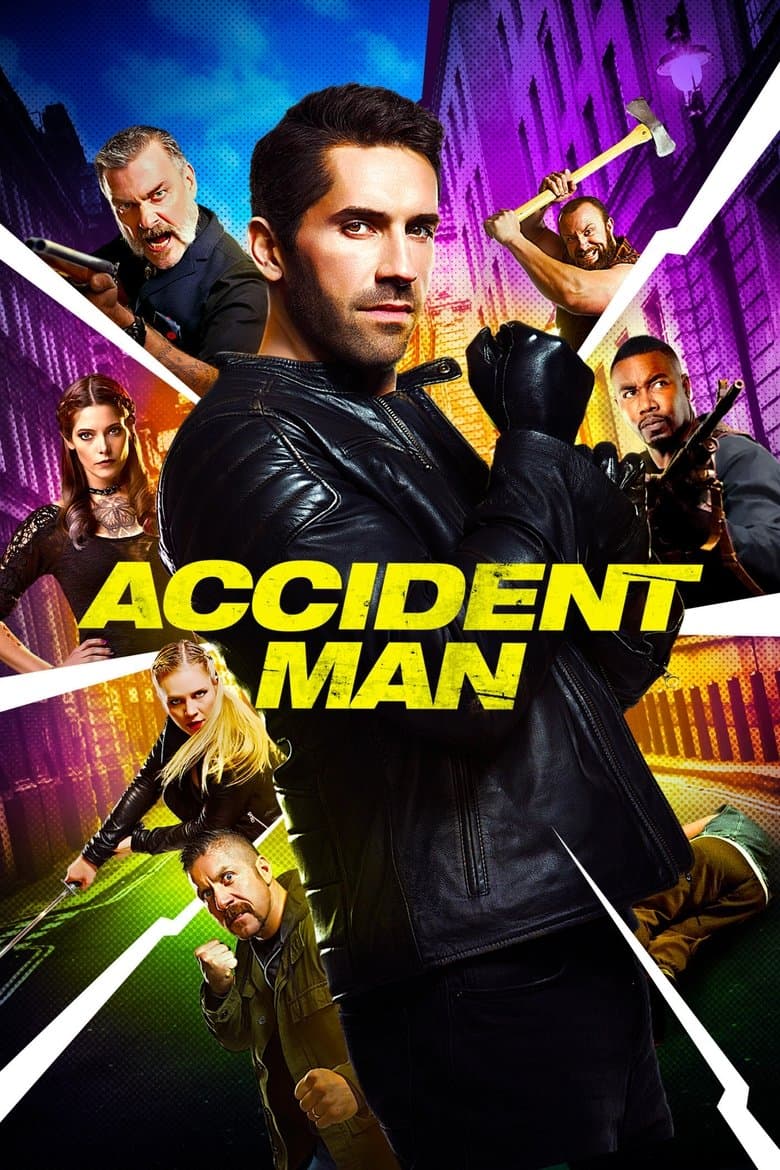
Movie · 2018
Mike Fallon, the Accident Man, is a stone cold killer. When a loved one is murdered by his own crew, Fallon is forced to avenge the one person who actually meant something to him.
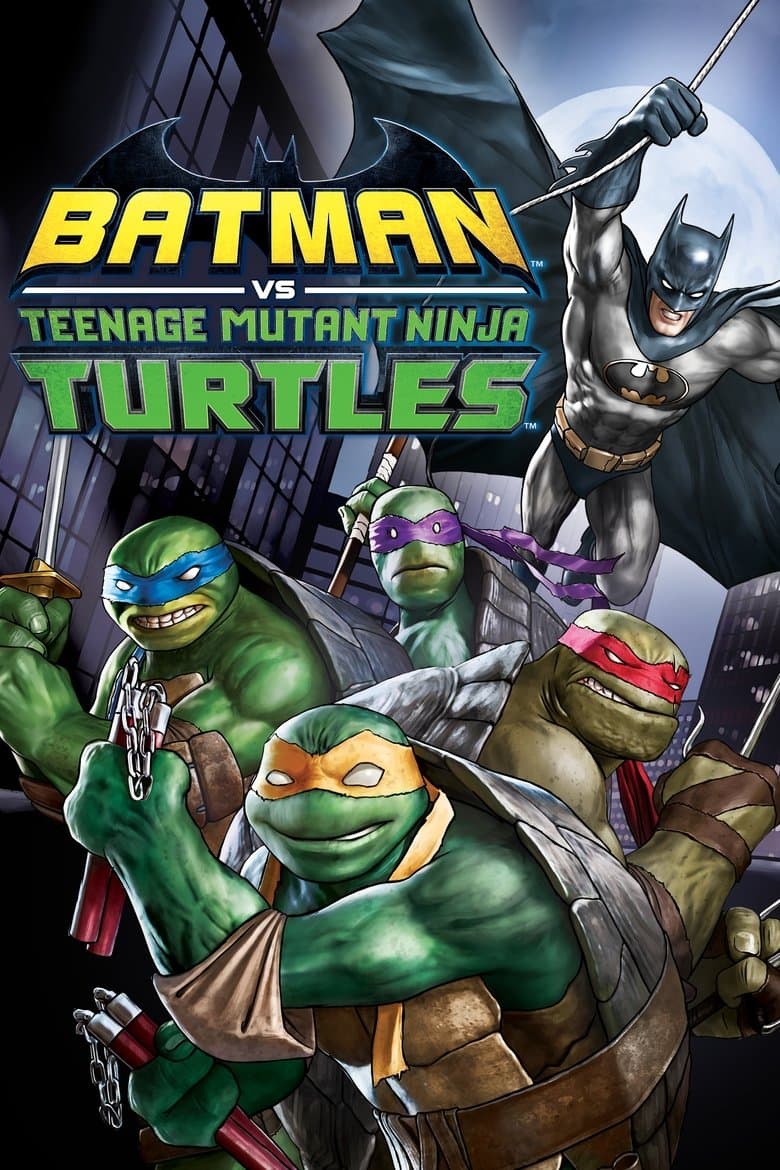
Movie · 2019
Batman, Batgirl, and Robin forge an alliance with the Teenage Mutant Ninja Turtles to fight against the Turtles' sworn enemy, The Shredder, who has apparently teamed up with Ra's…
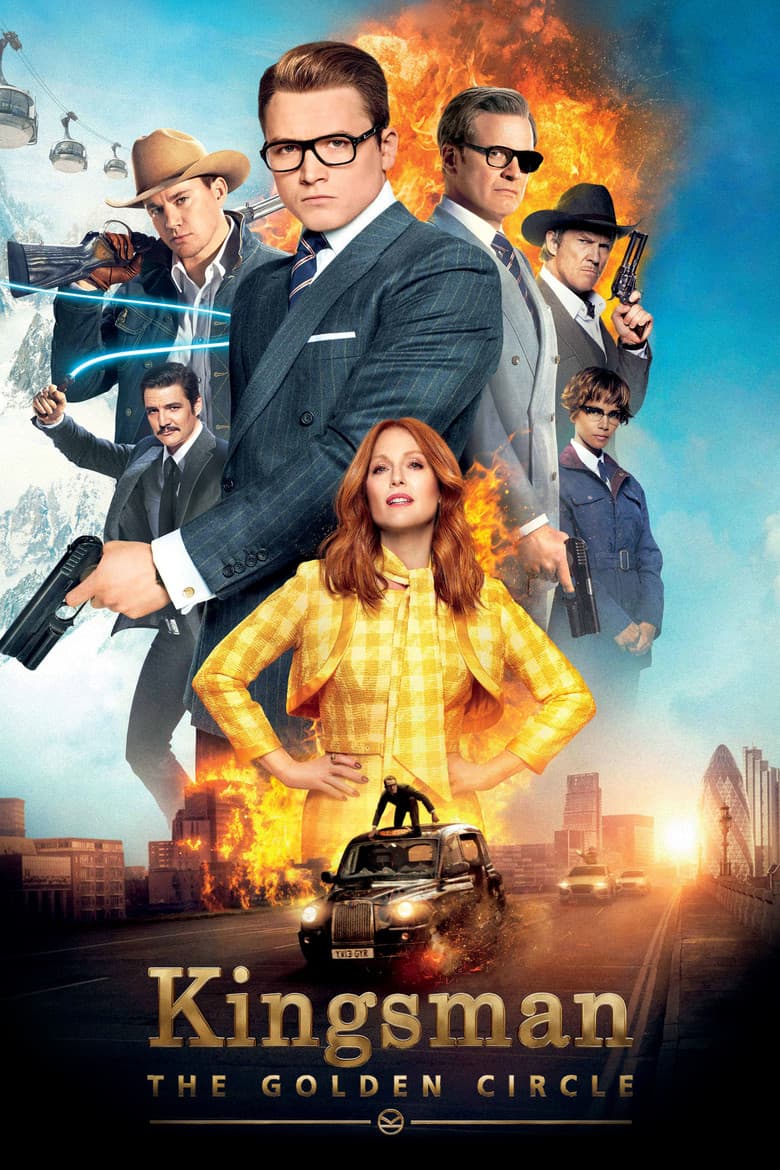
Movie · 2017
When an attack on the Kingsman headquarters takes place and a new villain rises, Eggsy and Merlin are forced to work together with the American agency known as the Statesman to…
