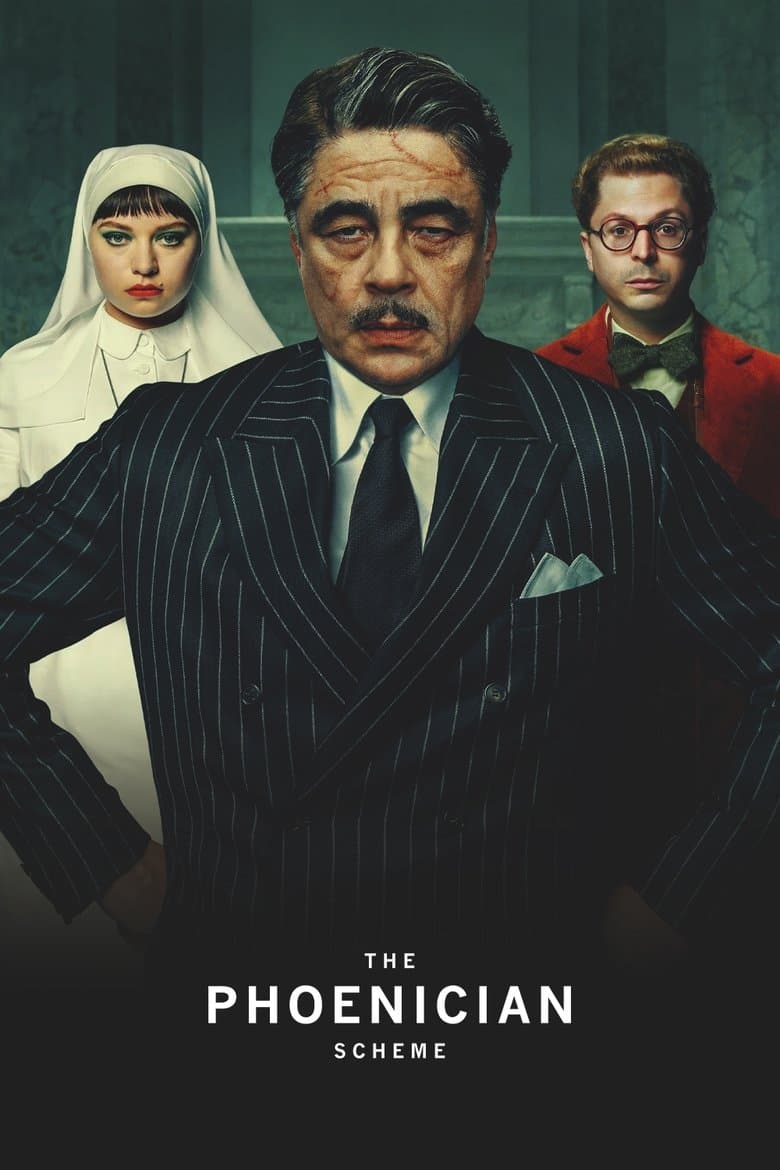
The Phoenician Scheme is a quirky comedy movie set in 1950 in a fictional country. The story follows Zsa-zsa Korda, a wealthy arms dealer who has survived many plane crashes. Facing his own death, Korda decides to secure his legacy by naming his daughter Liesl, a Catholic nun, as his sole heir over his nine greedy sons. Along with Liesl and her assistant Bjorn, Korda travels the world to finish a massive building project while dodging assassins. The movie focuses closely on traditional family and spiritual themes. It explores how a father and daughter mend their relationship, Korda's search for redemption, and his struggle with Christian faith. Liesl acts as a moral compass for her father, urging him to reflect on his corrupt deeds as he thinks about the afterlife. The story is told with very neat visual frames, pastel colors, and dry, deadpan humor.
Community feedback
Was our 8% Woke rating accurate?
Breakdown
These are the editorial factors and ratings behind our score for The Phoenician Scheme.
Woke representation / casting
The film has a highly diverse international cast, which fits its fictional setting. Actors come from many backgrounds, such as Benicio Del Toro and Riz Ahmed. However, this casting is used to build a quirky, unique world rather than to push a political agenda. There are no forced identity quotas, gender-swaps, or modern progressive casting choices that distract from the story.
5%
Woke political dialogue
The dialogue is written in the director's classic dry, poetic style. Characters talk about business, family arguments, and their personal lives. There is no modern progressive language, activist lecturing, or identity-politics jargon in the script.
0%
Identity-driven story themes
The main themes of the movie are traditional. It focuses on a father and daughter rebuilding their bond. It also deals with greed, death, and religious conversion. The film touches on historical greed and colonialism, but it does so through dry, quirky satire rather than modern social-justice lessons. There are no LGBTQ+ storylines or activist subplots.
10%
Western institutional / cultural critique
The story mocks wealthy businessmen and corrupt global networks. However, this is generic comedy about greed rather than an activist attack on Western culture. In addition, the film treats the Catholic faith of Korda's daughter with unexpected sincerity. Rather than mocking Christianity, the story presents it as a way to find redemption.
0%
Woke character or canon changes
This is an original screenplay by Wes Anderson and Roman Coppola. There are no established characters, legacy source materials, or historical figures that have been changed for ideological reasons.
0%
Anti-woke backlash and complaints
There is no notable anti-woke backlash or political controversy about the film. Mainstream discussions and audience complaints focus only on artistic things. These include the director's repetitive style, slow pacing, and detached tone.
0%
Creator track record context
The key creators behind the film have almost no history of political activism or progressive advocacy. Co-writers and directors Wes Anderson and Roman Coppola are known for focused, artistic films with low political content. The rest of the crew, including cinematographer Bruno Delbonnel and the casting directors, have strictly professional, non-activist careers.
11%
Production
Movie · 2016
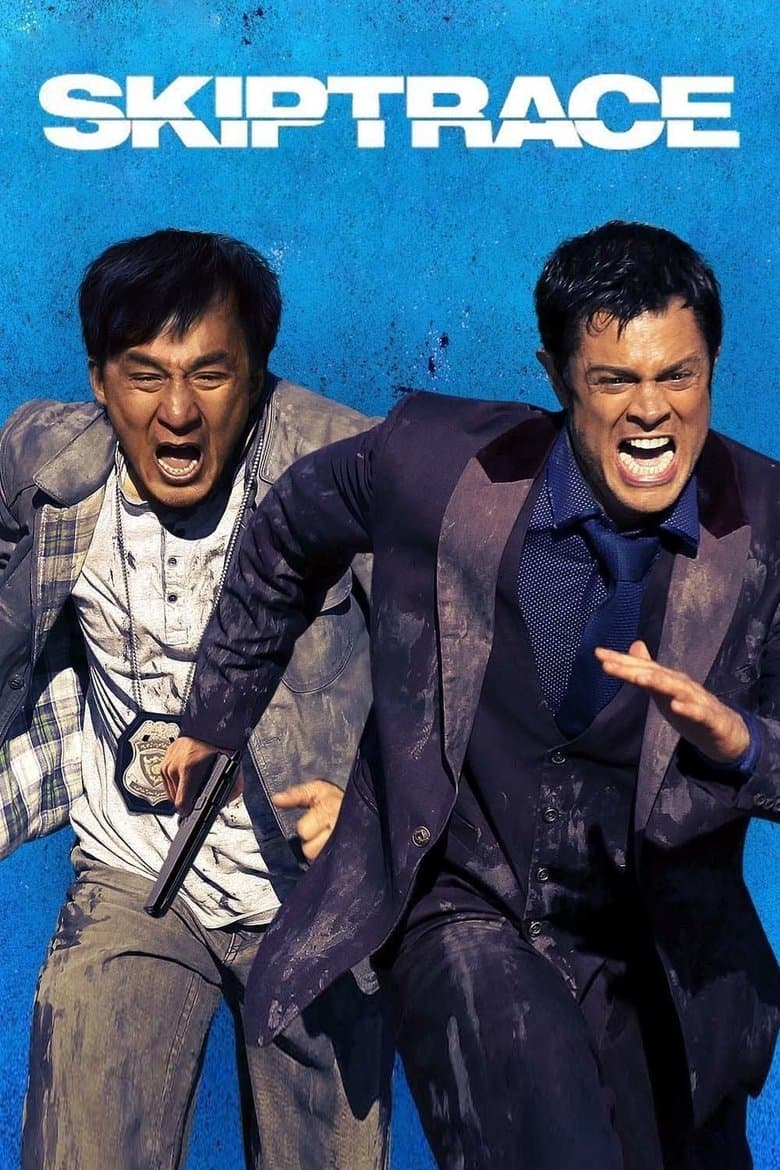
A detective from Hong Kong teams up with an American gambler to battle against a notorious Chinese criminal.
Movie · 2023
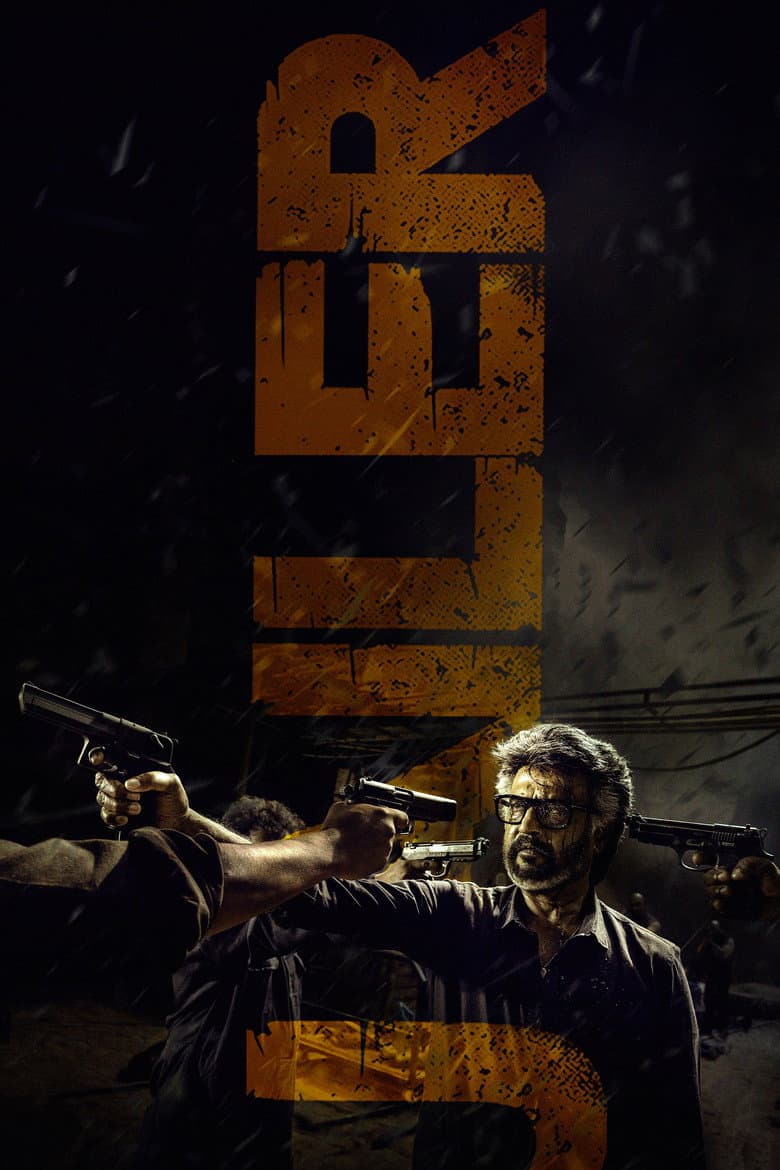
Muthuvel Pandian, a retired, stern yet compassionate jailer lives a peaceful life with his family, but trouble knocks his door when his cop son’s tryst with an antique mafia gang…
Movie · 2019
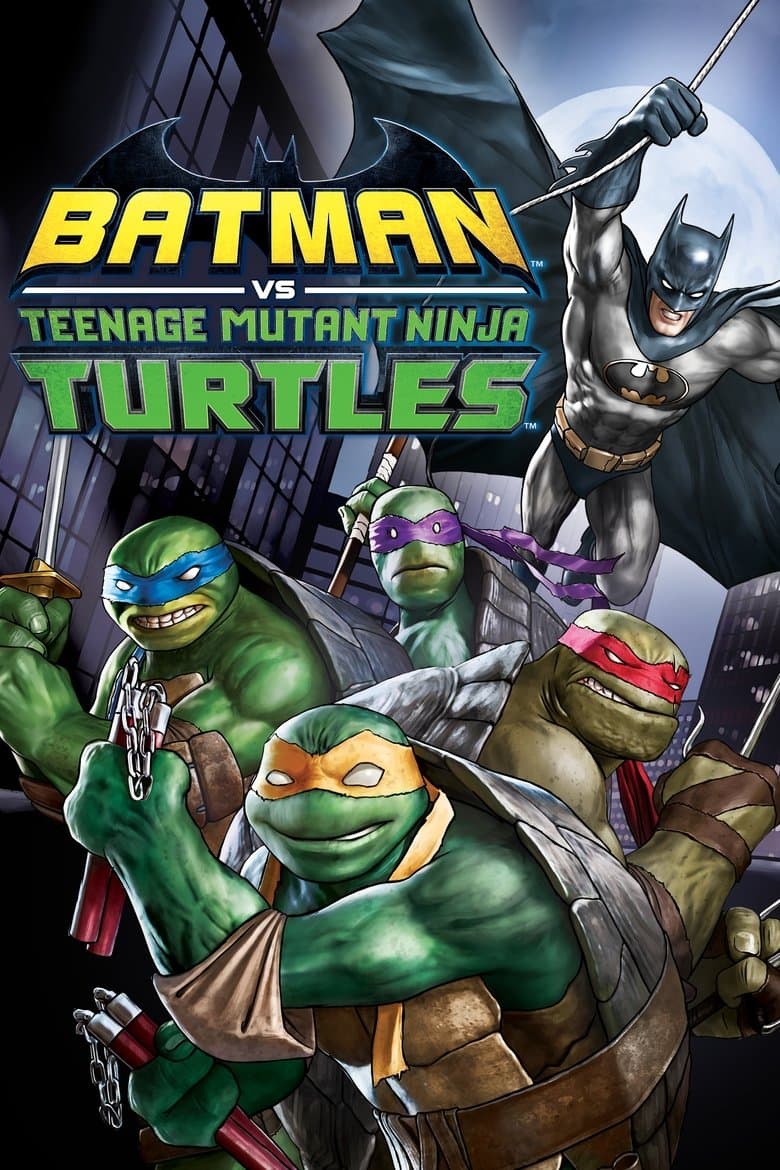
Batman, Batgirl, and Robin forge an alliance with the Teenage Mutant Ninja Turtles to fight against the Turtles' sworn enemy, The Shredder, who has apparently teamed up with Ra's…
