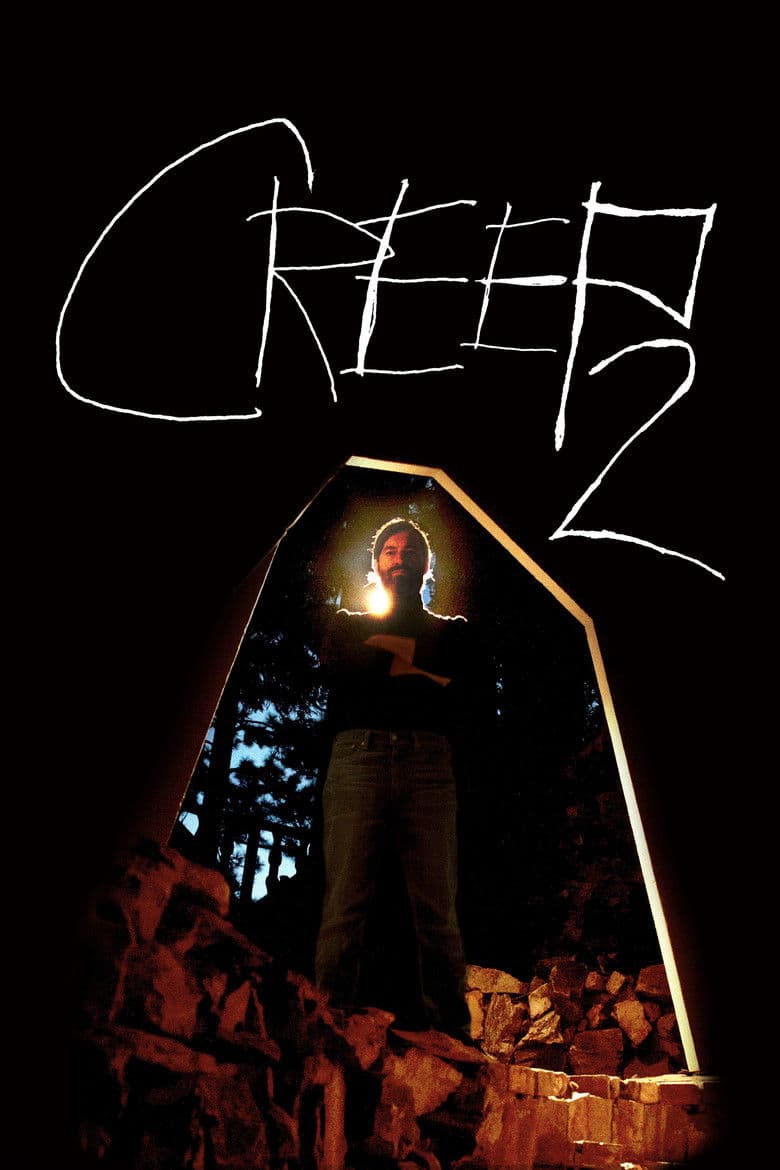
Creep 2 follows Sara, a struggling video artist who runs a small web series about lonely people she meets through online ads. She travels to a remote house in the woods to film Aaron, a man who says he is a serial killer. Sara thinks the shocking story can save her failing show, but Aaron turns the shoot into a dangerous game. The movie uses found footage, dark jokes, uneasy flirting, and slow-building fear as its main tools.
The clearest woke element is a short talk about the wall and gender divide between men and women. Aaron says that the wall should be torn down, and the scene links this idea to closeness and sexual tension. Sara is also a bold female lead who does not react like the usual frightened horror victim, which gives the film some gender-role play. The story then questions her confidence because her search for views and control helps put her in danger, so these ideas support the character setup but do not become a wider political message.
Community feedback
Was our 25% Woke rating accurate?
Breakdown
These are the editorial factors and ratings behind our score for Creep 2.
Woke representation / casting
Not present. The film focuses on a woman and a man in a small two-person horror story. It does not present their casting as a diversity or identity statement.
0%
Woke political dialogue
Aaron talks about the difference between male and female intimacy. Aaron calls that difference a gender divide and says it should be removed. Sara agrees during the scene, but the talk is tied to his attempt to create sexual closeness and control the shoot. The idea appears in one short exchange and does not shape the rest of the dialogue.
26%
Identity-driven story themes
Sara builds her web series by studying lonely men from online ads. Sara calls herself fearless and keeps filming after Aaron shows clear danger. Aaron and Sara turn the shoot into a contest between a confident woman and a male killer, which plays with common horror gender roles. Sara later learns that her search for views and control has made her ignore danger. The film uses this gender tension for horror and dark humor, but it does not become a broad identity message.
30%
Western institutional / cultural critique
Not present. The film criticizes Sara’s hunger for attention and Aaron’s violence as personal problems. It does not attack Western institutions, religion, capitalism, or traditional social rules through a modern activist message.
0%
Woke character or canon changes
Not relevant. The sequel introduces Sara as a new character and keeps Aaron as the same killer from the first film. It does not change an established character’s race, gender, sexuality, or identity.
0%
Anti-woke backlash and complaints
Not present. The supplied X pass found no anti-woke posts, boycott talk, or review bombing. Broader coverage and audience discussion focused on the horror, dark humor, ending, and Sara and Aaron’s relationship, with no clear anti-woke complaint found.
0%
Creator track record context
Patrick Brice and Mark Duplass have little public record of activist or identity-driven work. Jason Blum has a mild political record through comments and films about gun control and class. Carolyn Craddock has a limited representation link through a documentary about an autistic comedy troupe. The wider team has little public identity-focused framing.
14%
Production

Movie · 2024
Nothing is what it seems when a twisted one-night stand spirals into a serial killer’s vicious murder spree.
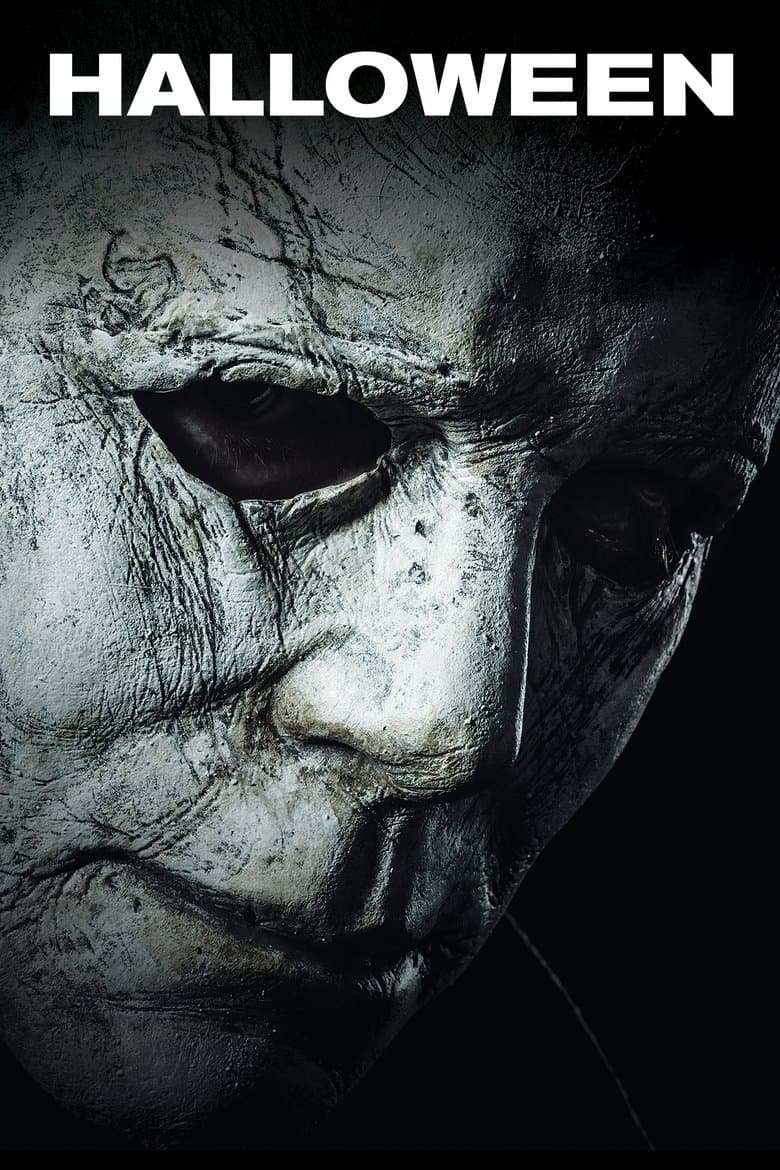
Movie · 2018
Laurie Strode comes to her final confrontation with Michael Myers, the masked figure who has haunted her since she narrowly escaped his killing spree on Halloween night four…
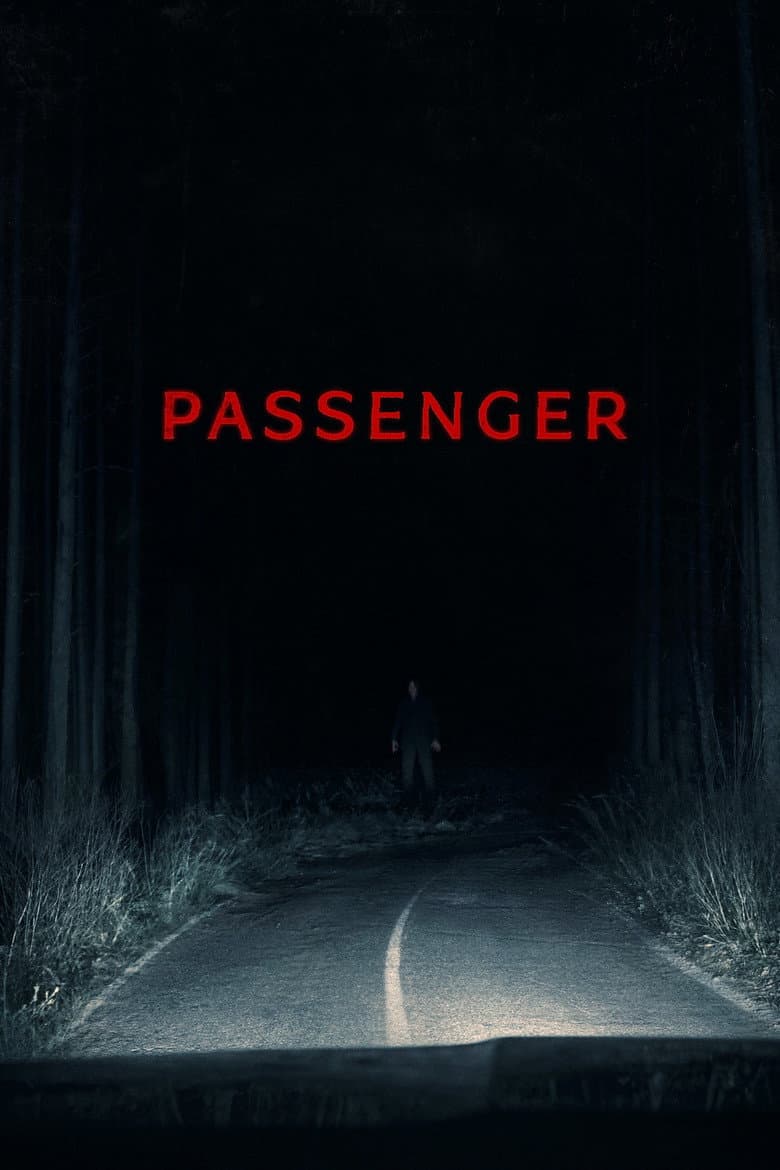
Movie · 2026
After a young couple witnesses a gruesome highway accident, they soon realize they did not leave the crash scene alone, as a demonic presence called the Passenger that won't stop…
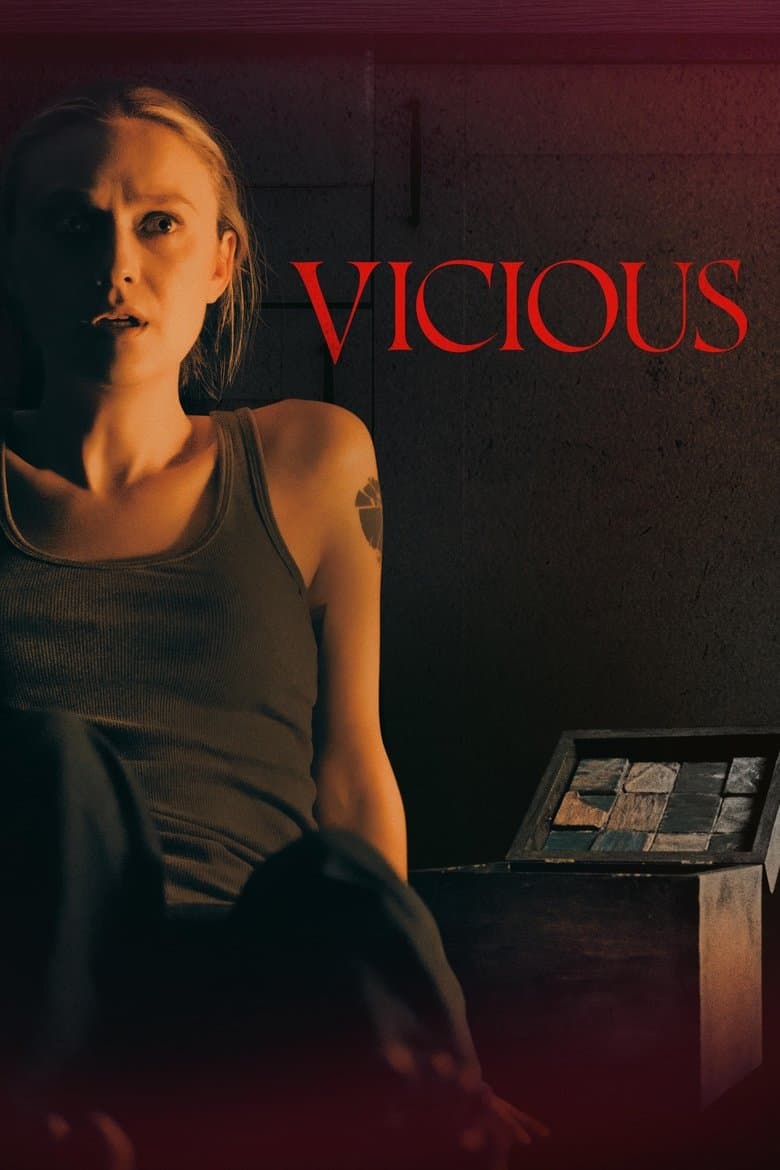
Movie · 2025
When Polly receives a mysterious box, it comes with one rule: place inside something she needs, something she hates, and something she loves.
Movie · 2024
After raising an unnervingly talented spider in secret, 12-year-old Charlotte must face the truth about her pet and fight for her family's survival.
Movie · 2025
A collection of Halloween-themed videotapes unleashes a series of twisted, blood-soaked tales, turning trick-or-treat into a struggle for survival.
Movie · 2017
Though Kevin has evidenced 23 personalities to his trusted psychiatrist, Dr. Fletcher, there remains one still submerged who is set to materialize and dominate all the others.

Movie · 2019
After barely surviving a furious shootout with the police, Baby Firefly, Otis Driftwood and Captain Spaulding are behind bars. But pure evil cannot be contained.
