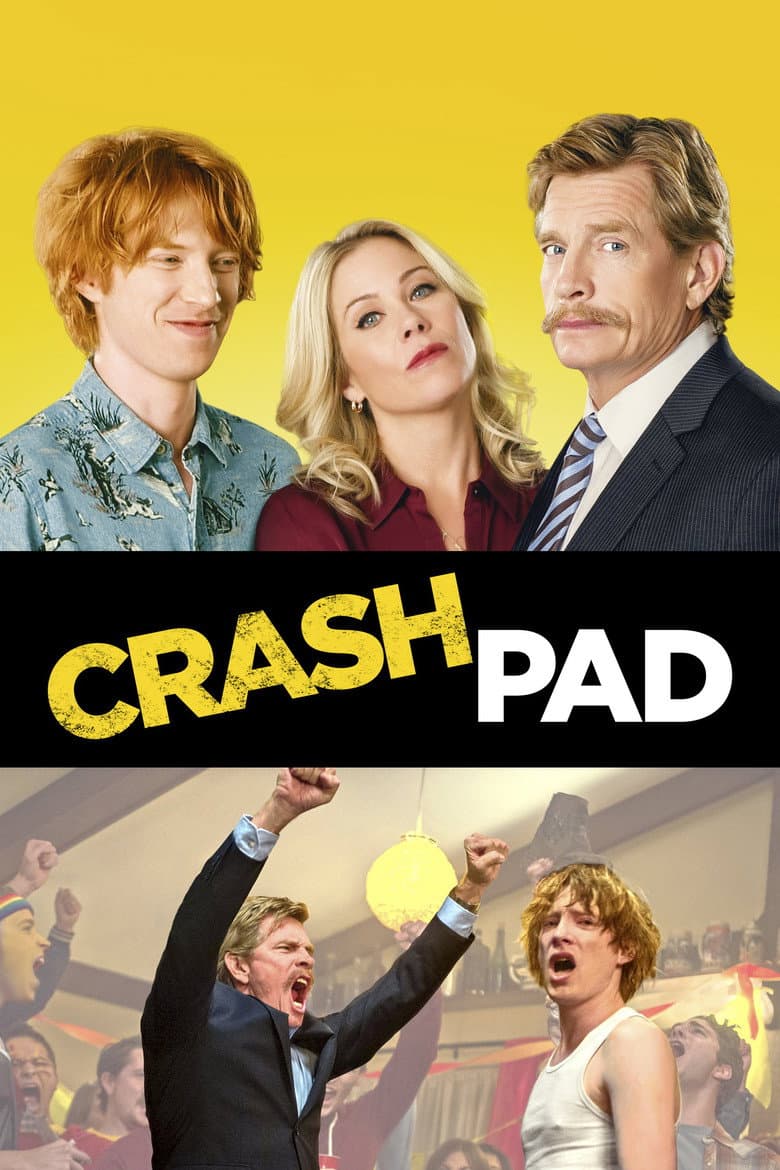
Crash Pad is a 2017 comedy about Stensland, a lonely young man who believes he has found love with Morgan, an older woman he meets in a furniture store. The story moves through a modern city, a cramped apartment, bars, and a college party. Morgan tells Stensland that she is married and that she used him to punish her husband, Grady, for cheating and neglecting her. Grady threatens Stensland, then moves into his apartment so he can punish Morgan and relive his single days. The two men become an odd pair as they drink, party, fight, and slowly face their own poor choices.
The movie’s main social idea concerns how men act in relationships. Grady presents himself as a hard, confident man who talks about women as things to use, while Stensland is emotional, needy, and unable to handle rejection. Their time together pushes Grady toward listening to his wife and pushes Stensland toward growing up, although the crude jokes make the lesson messy. The story has a clear gender-role and masculinity thread, but it stays focused on adultery, loneliness, male friendship, and learning to care about another person.
Community feedback
Was our 28% Woke rating accurate?
Breakdown
These are the editorial factors and ratings behind our score for Crash Pad.
Woke representation / casting
Not present. The main cast centers on white characters in a modern North American comedy. The film does not present its casting as a diversity or identity statement.
0%
Woke political dialogue
Not present. The movie has crude sex talk and jokes about men and women, but it does not promote modern identity, DEI, or activist ideas.
0%
Identity-driven story themes
The movie makes male behavior a repeated subject. Grady acts like a hard, womanizing “man’s man,” while Stensland is soft, emotional, and unsure. Their friendship forces both men to change, and Grady must learn to value his wife instead of treating her as a possession. The story gives this gender-role contrast a clear place in the main plot, but it does not widen the lesson into a larger identity or activist campaign.
35%
Western institutional / cultural critique
The movie repeatedly shows Grady’s macho habits as harmful to his marriage. Grady labels women in crude ways, keeps his wife under the name “Wife” in his phone, and plans sex with strangers to hurt her. The plot later pushes him toward listening to Morgan and repairing the marriage. The film does not attack Christianity, capitalism, or other Western institutions, so the critique stays personal and limited.
28%
Woke character or canon changes
Not relevant. The movie is an original story, not a remake, sequel, or adaptation with an established character. No identity-related change to existing canon occurs.
0%
Anti-woke backlash and complaints
Not present. The supplied X pass found no anti-woke reaction, boycott talk, or review bombing. Web discussion focused on comedy quality and the film’s treatment of men and women, not DEI or left-wing messaging.
0%
Creator track record context
Kevin Tent and Jeremy Catalino have no clear record of identity activism, and their cached scores are 0. Alexander Payne is cached at 20, while most other producers are in the 0 to 14 range. Rachel Miller has a cached 50 because her Film2Future nonprofit supports diverse and low-income young people. That outside work gives limited context, but the record does not show a shared activist pattern behind this movie.
15%
Production
Movie · 2024
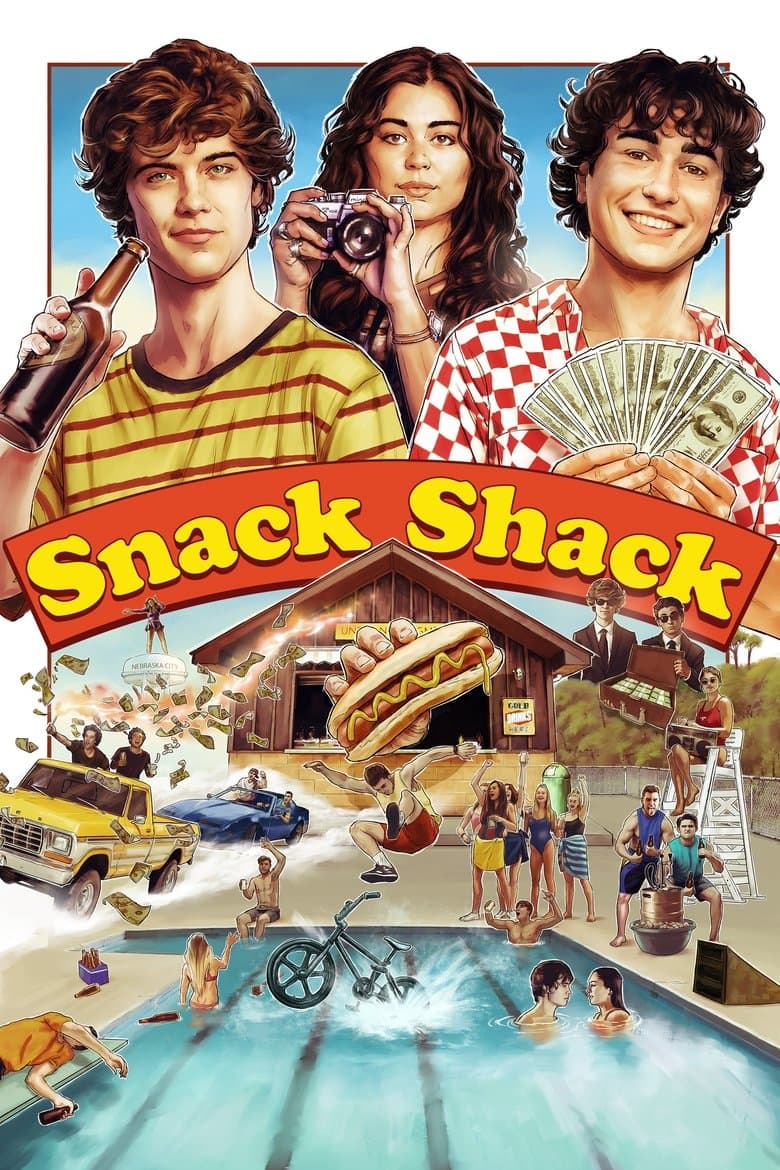
Inseparable best friends AJ and Moose decide to run the local pool's snack shack after their plan to sell home-brewed beer goes down the drain.
Movie · 2018
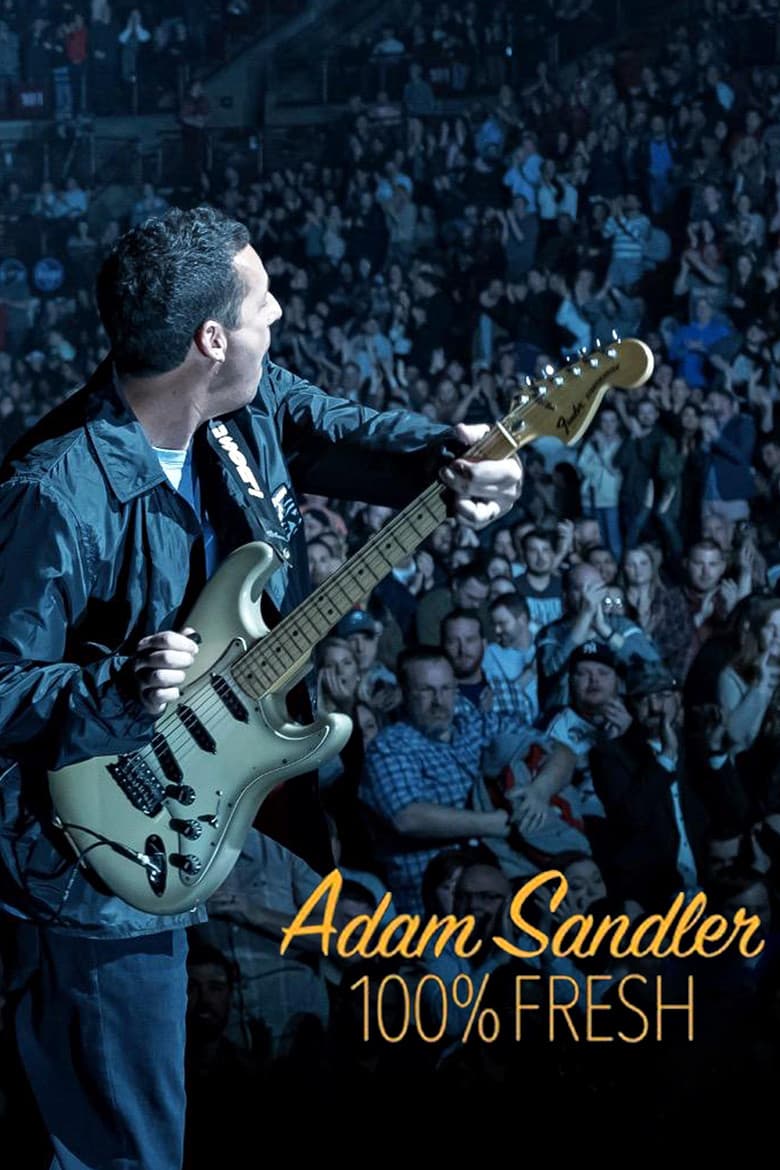
Adam Sandler takes his comical musical musings back out on the road, from comedy clubs to concert halls to one very unsuspecting subway station.
Movie · 2016
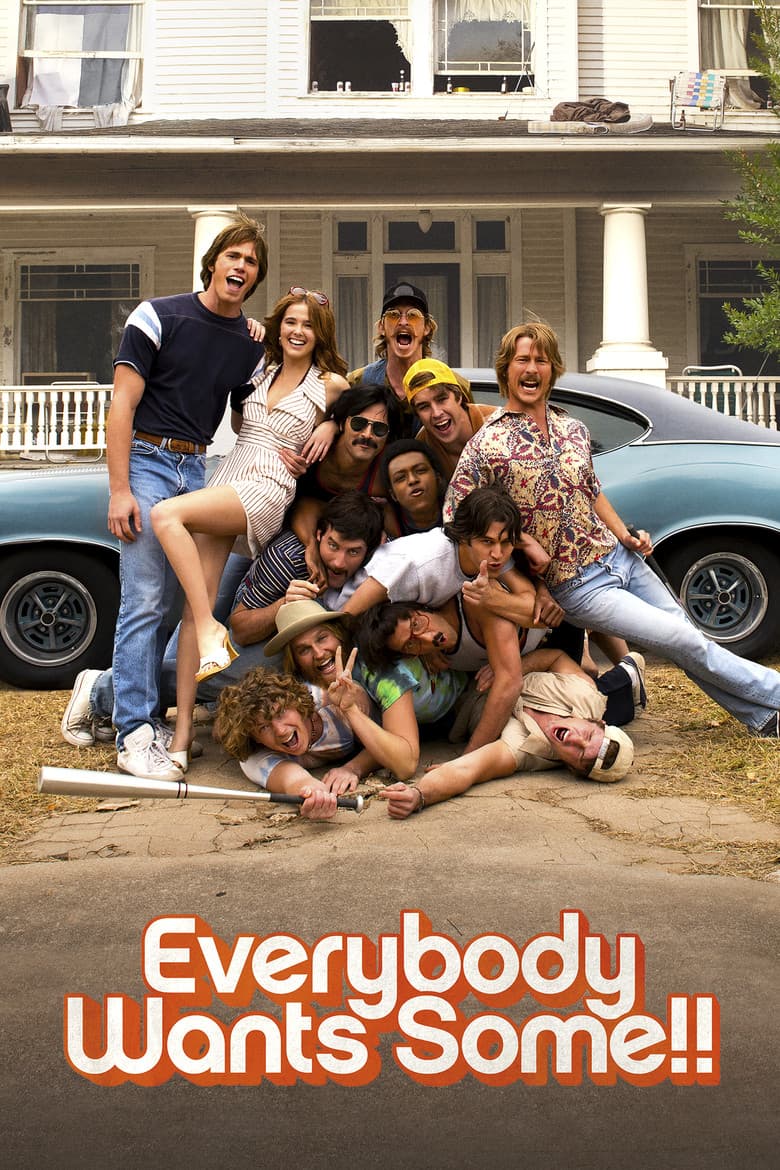
A comedy that follows a group of friends as they navigate their way through the freedoms and responsibilities of unsupervised adulthood.
Movie · 2016
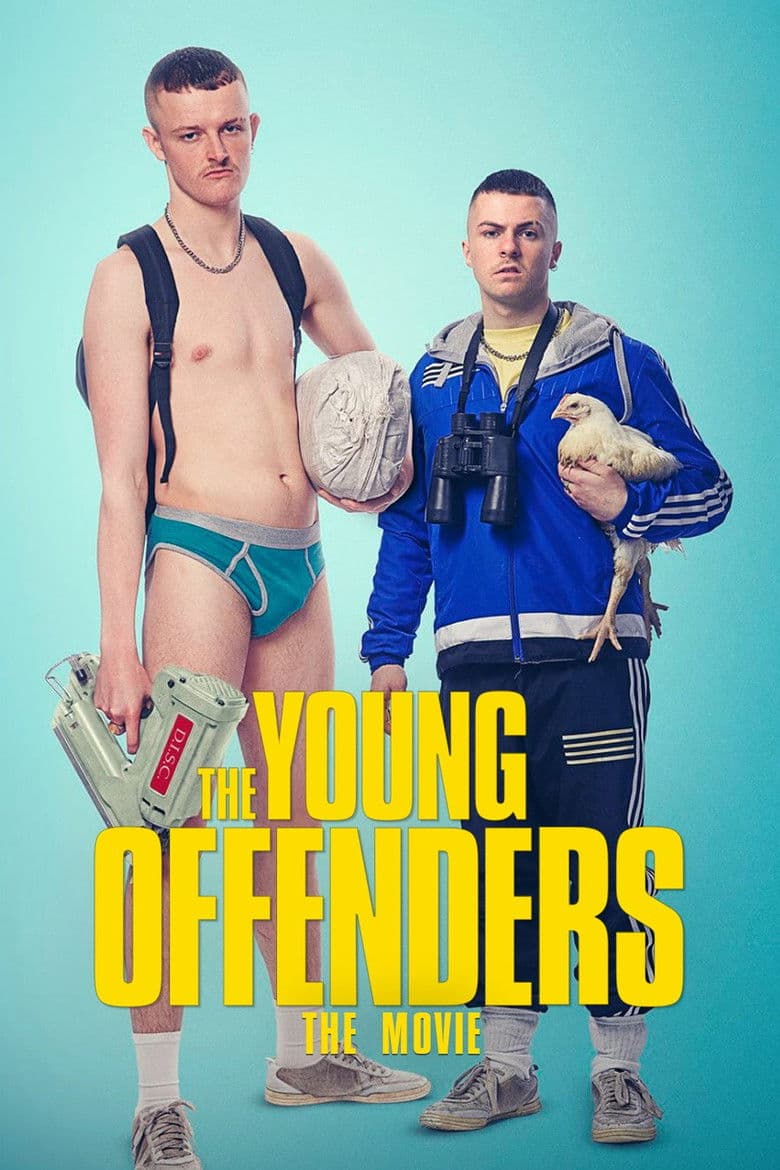
Two teenage boys from inner-city Cork steal bicycles and ride off on a 160km quest to find an unrecovered bale of cocaine worth 7,000,000 euros.
Movie · 2022
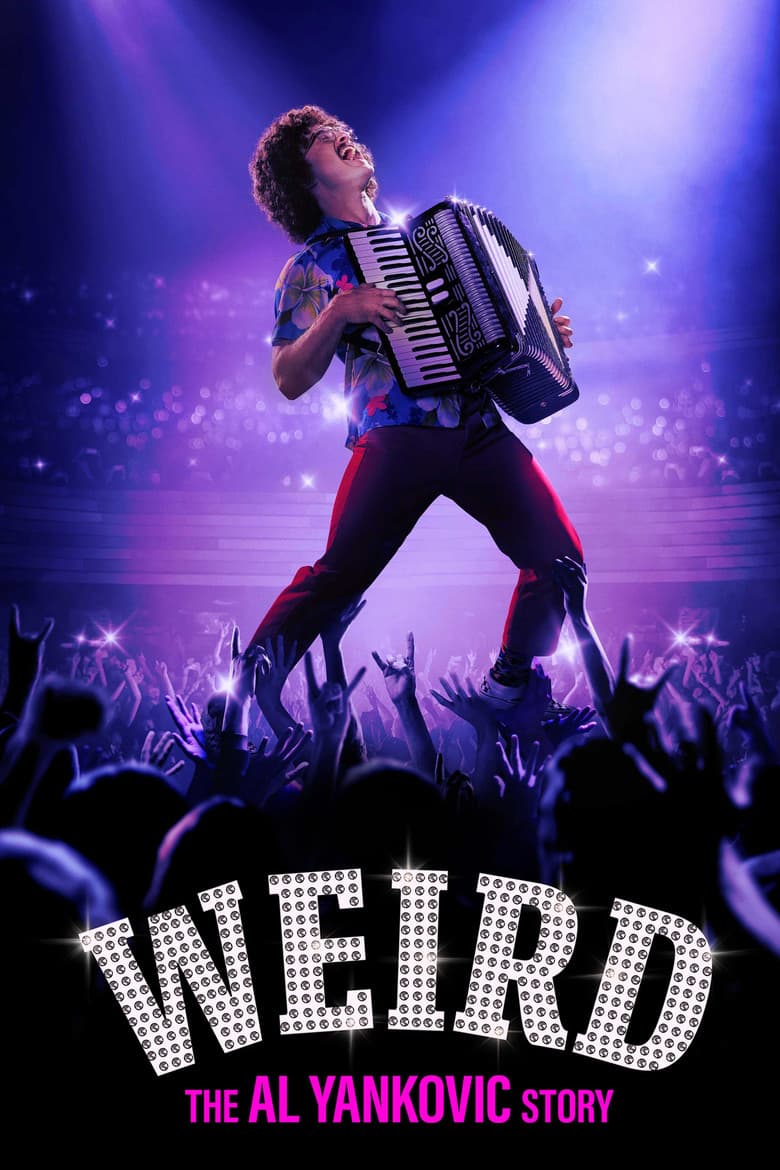
Exploring every facet of ‘Weird Al’ Yankovic’s life, from his meteoric rise to fame with early hits like ‘Eat It’ and ‘Like a Surgeon’ to his torrid celebrity love affairs and…
Movie · 2023
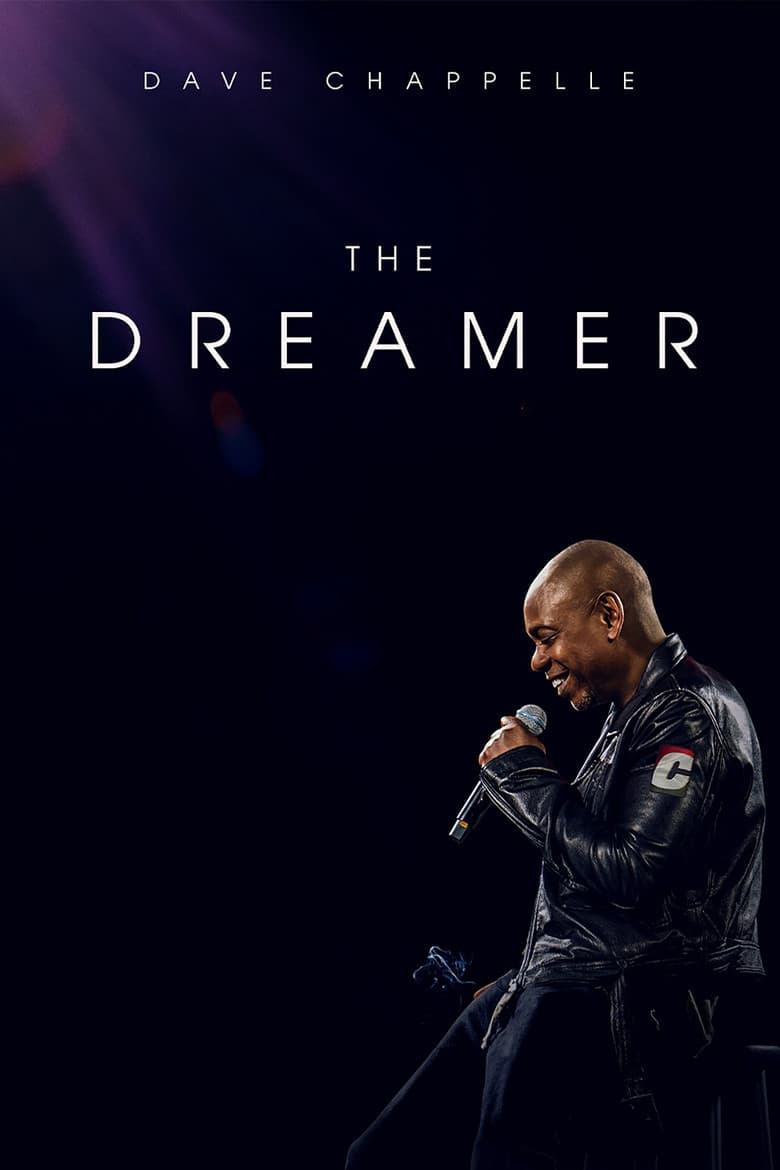
From his onstage tackle to the slap heard round the world, Dave Chappelle lets loose in this freewheeling and unfiltered stand-up comedy special.
Movie · 2022
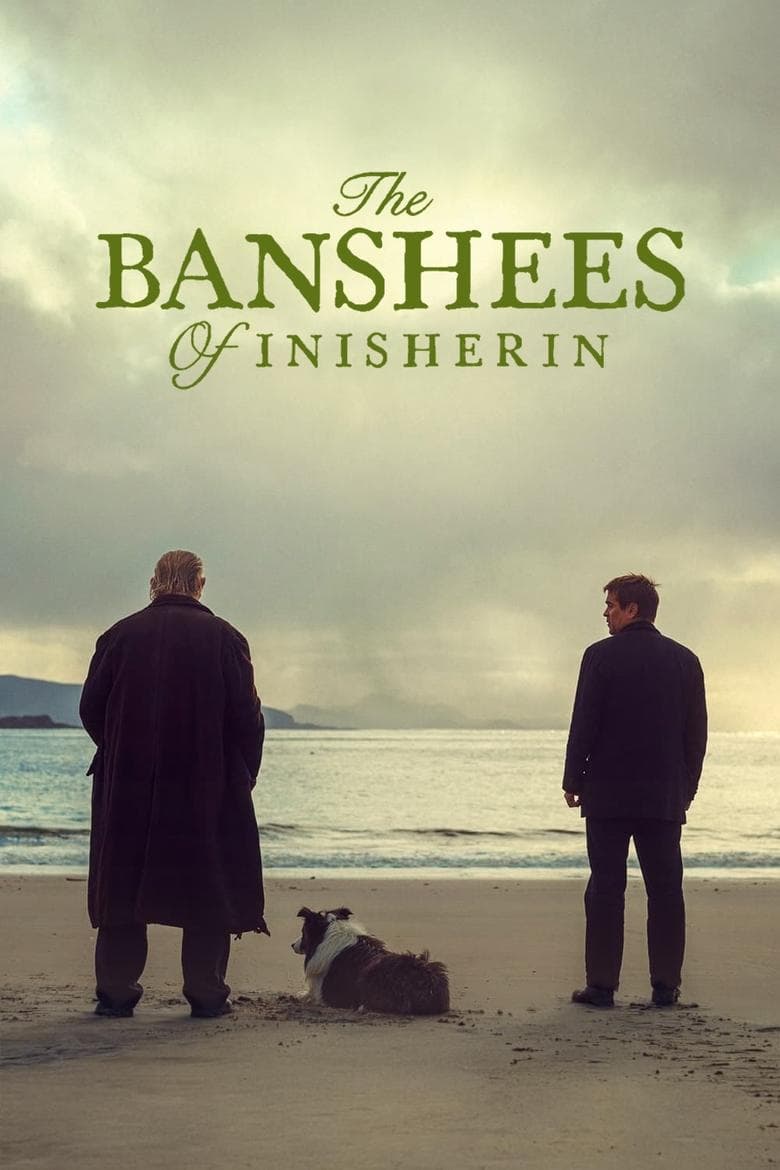
Two lifelong friends find themselves at an impasse when one abruptly ends their relationship, with alarming consequences for both of them.
Movie · 2023
A chaotic intervention. An action-packed stay in rehab. After a weird couple of years, John Mulaney comes out swinging in his return to the stage.
