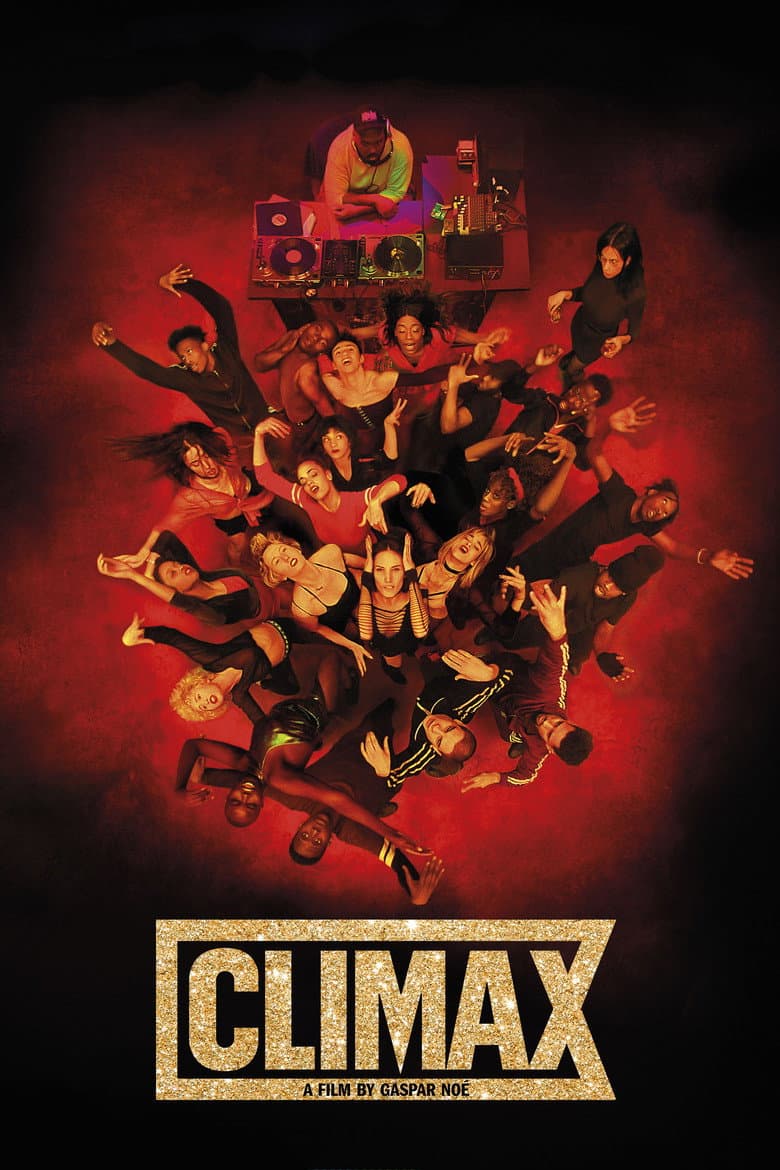
Selva is the lead dancer and choreographer of a French troupe in the winter of 1996. The group gathers in an empty school after finishing three days of hard practice for a trip to the United States. They celebrate with music, dancing, and sangria, but someone has put LSD in the drink. Fear and confusion spread through the building as the dancers turn on one another, and the film becomes a harsh, spinning nightmare about desire, violence, and losing control.
The film gives its audience a very mixed group with Black and white dancers, a religious non-drinker, a lesbian couple, and a woman leading the troupe. Several characters talk about sex, religion, the French flag, and abortion, but the lines are short and rough rather than a political speech. Selva kisses and has sex with Ivana, while Lou's pregnancy becomes one of the night's most painful story threads. These identity and sexuality details are easy to see, but the main story is the collapse of a group under drugs, fear, selfishness, and buried anger.
Community feedback
Was our 45% Woke rating accurate?
Breakdown
These are the editorial factors and ratings behind our score for Climax.
Woke representation / casting
The film shows Black and white dancers, a religious non-drinker, and a same-sex couple in the main troupe. The urban French dance setting gives much of this mix a clear story reason. Gaspar Noé said he chose dancers for skill and presence instead of targeting identity. The full mix is still a very visible part of the setup, but the film does not sell it as an empowerment message.
34%
Woke political dialogue
The dancers briefly discuss abortion, religion, the French flag, and sexual freedom. Selva says that having a choice about abortion is good. Omar calls the crosses creepy, and another dancer questions when God and dance became connected. The crude sex talk and these short arguments never become a sustained activist speech.
28%
Identity-driven story themes
The film makes a mixed dance group the center of its story. Queer relationships and sexual experimentation recur in the party scenes and the ending. Lou's pregnancy and talk about abortion drive a major thread of fear and violence. The story also ties Omar's religious difference to the group's first deadly accusation. The film uses these details to show desire and group panic, not to argue for a clear modern identity program.
45%
Western institutional / cultural critique
Omar calls the school crosses creepy, and another dancer questions God and dance. David treats women as sexual targets and tries to force his way into Selva's room. Taylor controls his sister's sexuality and later has sex with her. The film spreads cruelty across men and women and does not build a sustained critique of Christianity, patriarchy, or Western institutions.
18%
Woke character or canon changes
Not relevant. The film uses invented dancers around a loose party story. It does not change established characters or real historical figures.
0%
Anti-woke backlash and complaints
Not present. Available X evidence shows no anti-woke complaints. Broader coverage focused on the film's sex, violence, drugs, and disturbing intensity, not DEI or identity politics.
0%
Creator track record context
Gaspar Noé has a recurring record of centering sex, gender, drugs, queer characters, and taboo desire. His films have also sparked debate over misogyny, sexual violence, and queer treatment. Noé has said women often receive more interesting roles, but he rejects calling his cinema activist and describes himself as politically disengaged. This gives Climax moderate creator track record context without proving that the film has a political campaign.
42%
Production

Movie · 2022
In the wake of a young Jewish girl’s disappearance, the son of a Hasidic funeral director returns home with his pregnant wife in hopes of reconciling with his father.
Movie · 2016
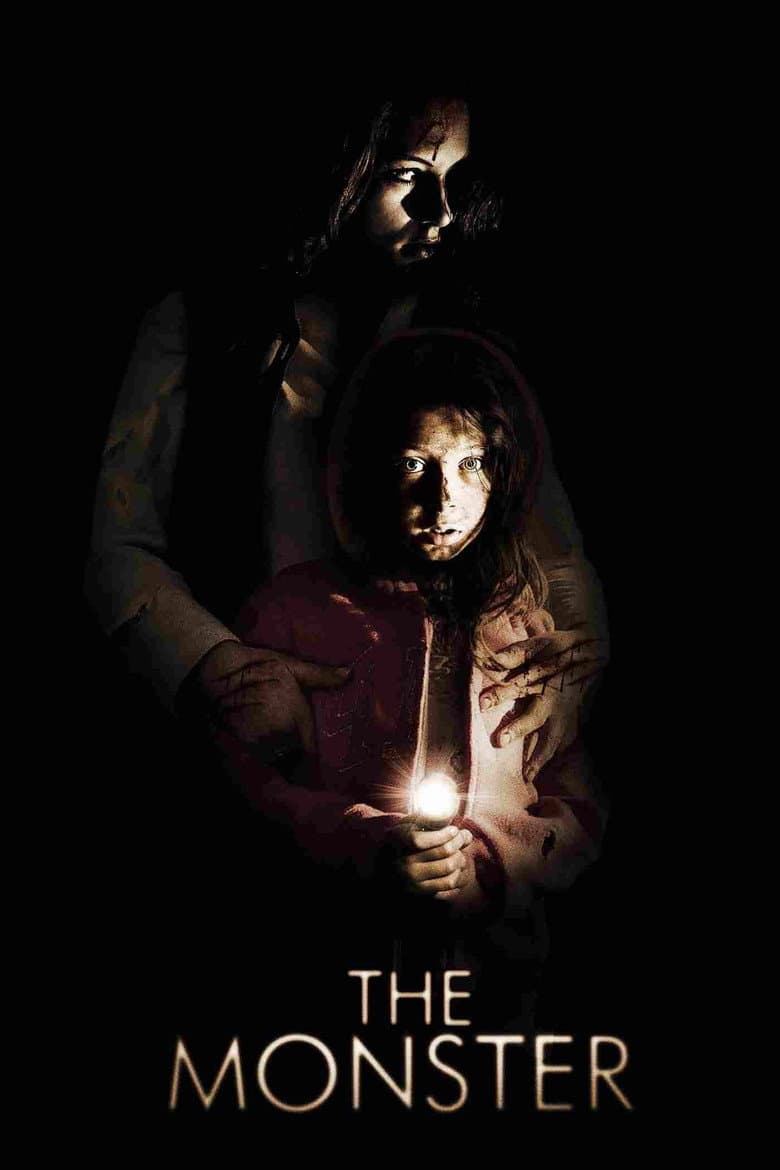
A mother and her 10-year old daughter are trapped in a forest. There is something in this forest. Something unlike anything they have heard before.
Movie · 2017
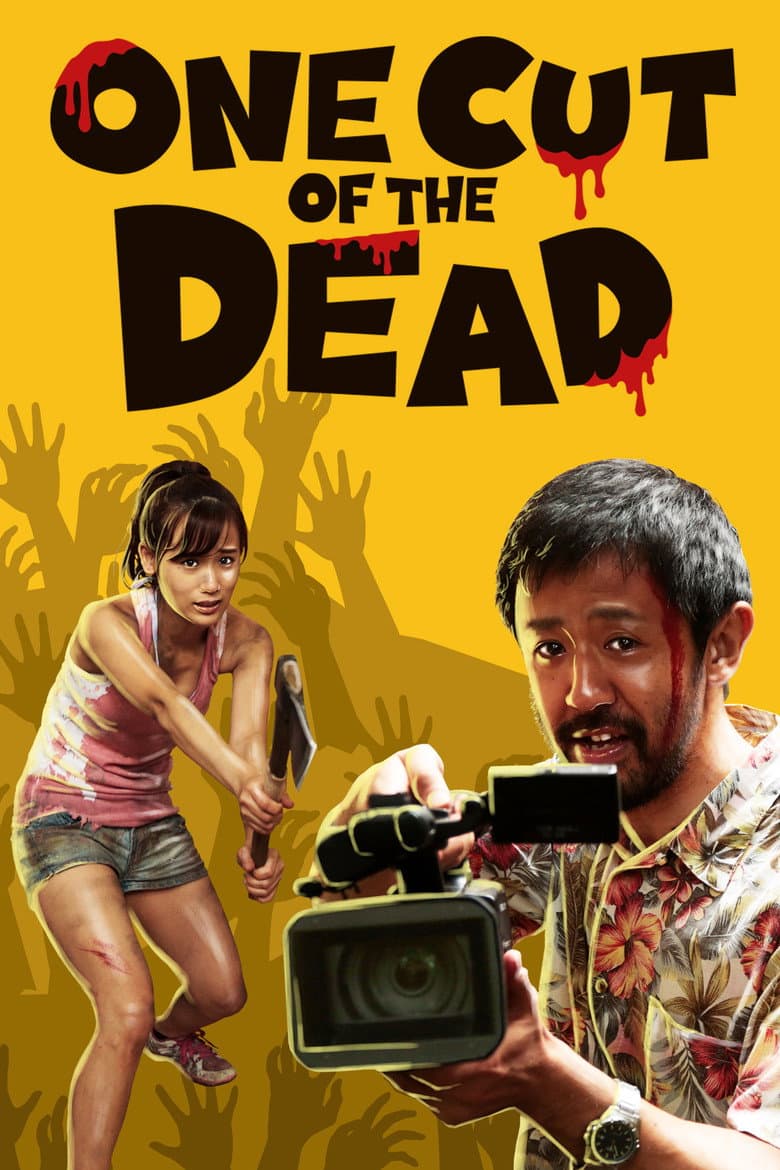
Real zombies arrive and terrorize the crew of a zombie film being shot in an abandoned warehouse, said to be the site of military experiments on humans.

Movie · 2020
At the height of the Cold War, a Soviet spacecraft crash lands after a mission gone awry, leaving the commander as its only survivor.

Movie · 2018
A disgraced children's puppeteer returns to his childhood home and is forced to confront his wicked stepfather and the secrets that have tortured him his entire life.
Movie · 2018
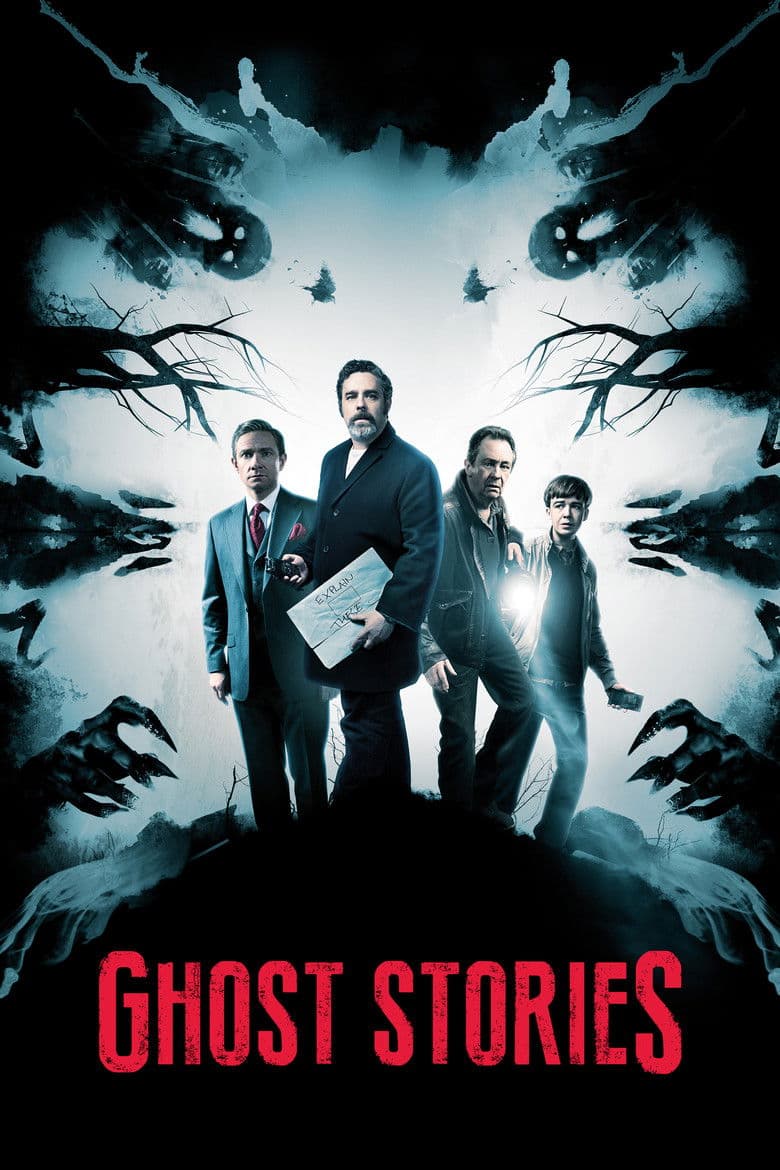
Professor Philip Goodman devotes his life to exposing phony psychics and fraudulent supernatural shenanigans.
Movie · 2016
A young, lonely woman is consumed by her deepest and darkest desires after tragedy strikes her quiet country life.

Movie · 2021
An Icelandic couple live with their herd of sheep on a beautiful but remote farm. When they discover a mysterious newborn on their land, they decide to keep it and raise it as…
