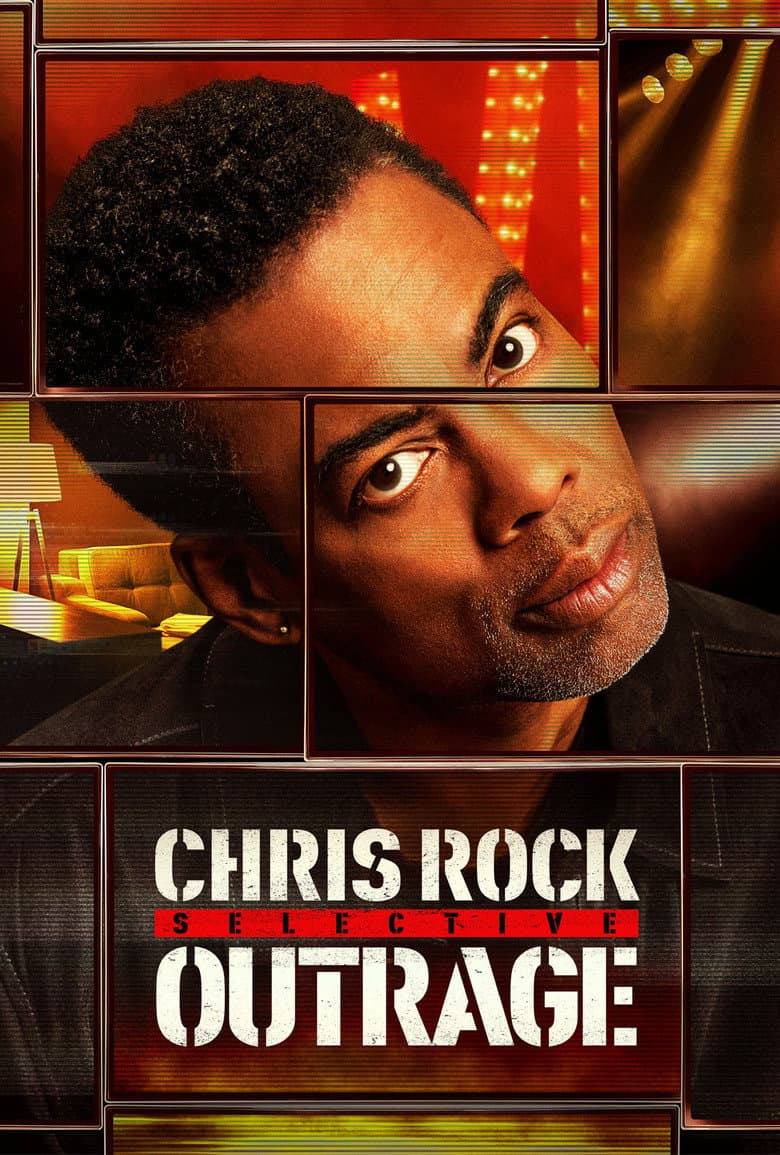
Chris Rock performs a live stand-up set in a Baltimore theater about a year after Will Smith slapped him at the Oscars. Rock presents himself as a comic who studies public anger, fame, money, family life, and the pressure to stay quiet. He moves from jokes about his children and rich people to race, abortion, celebrities, and the internet. The mood is loud, profane, sharp, and often combative, with the final section focused on Smith and Jada Pinkett Smith.
The special repeatedly uses modern identity and political language as material. Rock jokes about woke traps, safe spaces, diversity talk, canceling, and companies that advertise their charity or opposition to racism and sexism. He also discusses trans identity through Caitlyn Jenner and an imagined parent, and he gives a long pro-choice abortion routine tied to women’s control of their bodies. He questions Meghan Markle’s claims about racism, mocks white men who say they are losing America, and jokes about mixed-race advertising. These subjects are spread through much of the first part, but Rock usually attacks hypocrisy and public overreaction instead of presenting a clear activist program.
Community feedback
Was our 49% Woke rating accurate?
Breakdown
These are the editorial factors and ratings behind our score for Chris Rock: Selective Outrage.
Woke representation / casting
Not present. The special centers on one comedian, and its supporting performers are not used as an identity message. The content does not show a repeated cast pattern that makes representation a visible theme.
0%
Woke political dialogue
Rock repeatedly uses modern identity and activist language in his jokes. He talks about woke traps, safe spaces, diversity talk, canceling, racism, sexism, trans identity, abortion, and social justice. He supports bodily control and accepting a parent who transitions, while also mocking woke marketing and public claims of victimhood. These lines appear across the opening and middle parts, although the set often attacks selective outrage instead of urging a political movement.
52%
Identity-driven story themes
The set is built around selective outrage, public identity, and the way people claim victim status. Rock spends long sections on race, mixed-race advertising, racism claims, trans identity, abortion, and the meaning of social justice. He supports some ideas, such as bodily control and accepting a transgender parent, but he mostly uses them to test hypocrisy and public anger. These themes matter to the special’s structure, yet they share space with family, money, fame, and the Smith marriage.
46%
Western institutional / cultural critique
Rock targets companies that advertise anti-racism, anti-sexism, diversity, and charity instead of explaining their products. He mocks social media, canceling, and the idea that white men are losing control of America. He also attacks both parties and does not build a wider argument against Western family, faith, or civic institutions.
26%
Woke character or canon changes
Not relevant. The special is an original stand-up performance, and it does not change an established character, source, or real historical figure.
0%
Anti-woke backlash and complaints
Not present. The separate X research found no anti-woke complaints, and other coverage mostly described Rock as mocking wokeness. Some viewers disliked the anti-woke subject matter or called it tired, but those were not complaints that the title was pushing woke content.
0%
Creator track record context
Chris Rock’s wider work includes repeated focus on race, Black life, class, gender, and cultural conflict, along with regular jokes against political correctness and cancel culture. Matthew Claybrooks has a recurring focus on black family life and wider black representation. Joel Gallen and the other producers have little public record of identity-led activism. The creator mix adds some identity-focused context, but it is not a clear activist team built around this special.
38%
Production
Movie · 2023
From his onstage tackle to the slap heard round the world, Dave Chappelle lets loose in this freewheeling and unfiltered stand-up comedy special.
Movie · 2024
Inseparable best friends AJ and Moose decide to run the local pool's snack shack after their plan to sell home-brewed beer goes down the drain.
Movie · 2016
A comedy that follows a group of friends as they navigate their way through the freedoms and responsibilities of unsupervised adulthood.
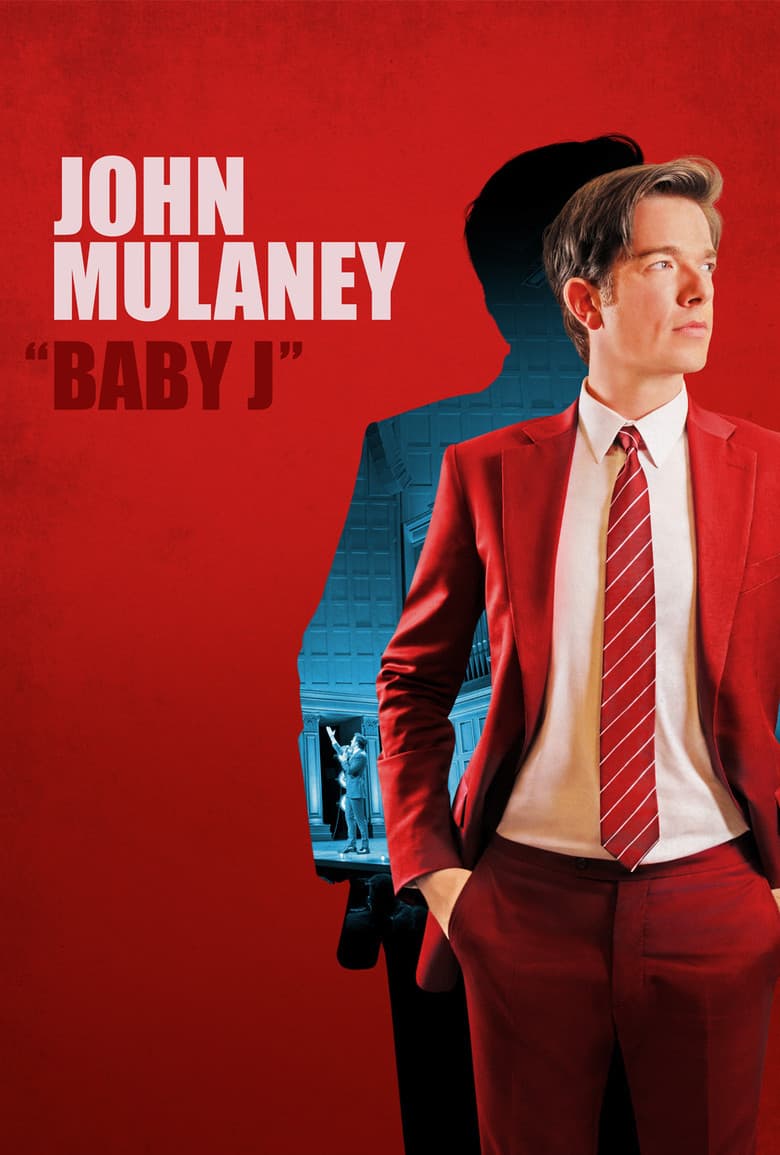
Movie · 2023
A chaotic intervention. An action-packed stay in rehab. After a weird couple of years, John Mulaney comes out swinging in his return to the stage.
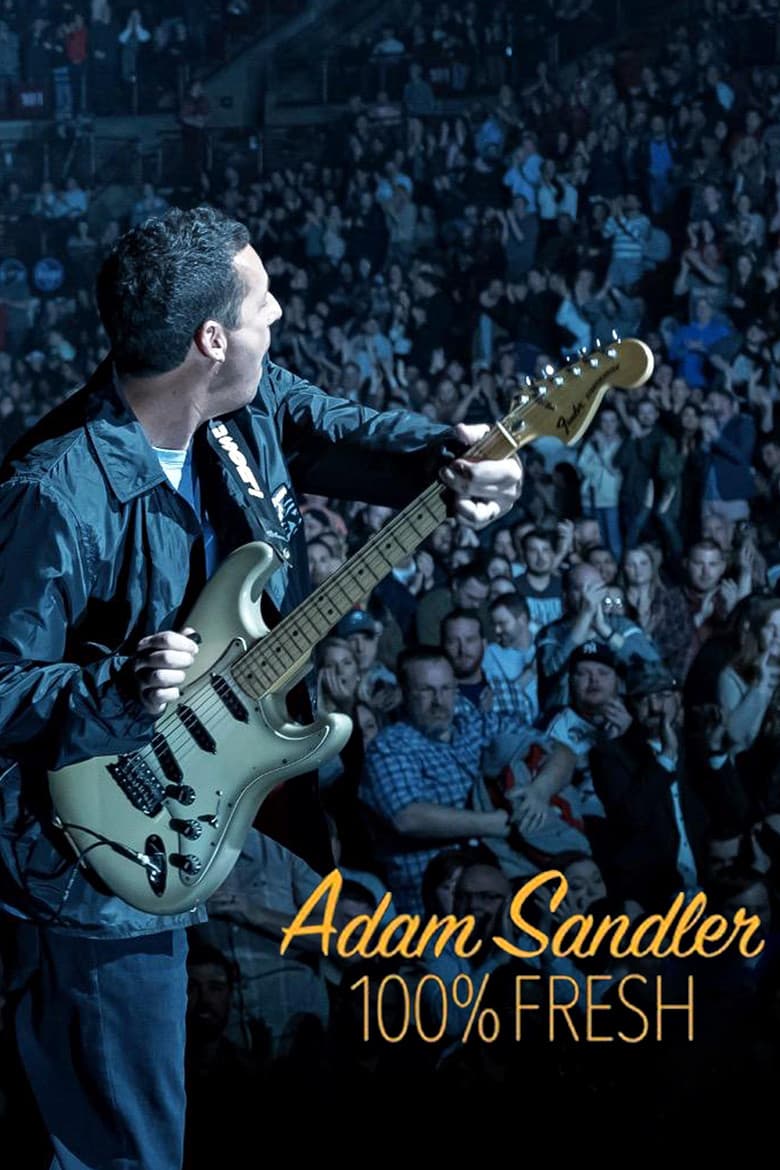
Movie · 2018
Adam Sandler takes his comical musical musings back out on the road, from comedy clubs to concert halls to one very unsuspecting subway station.
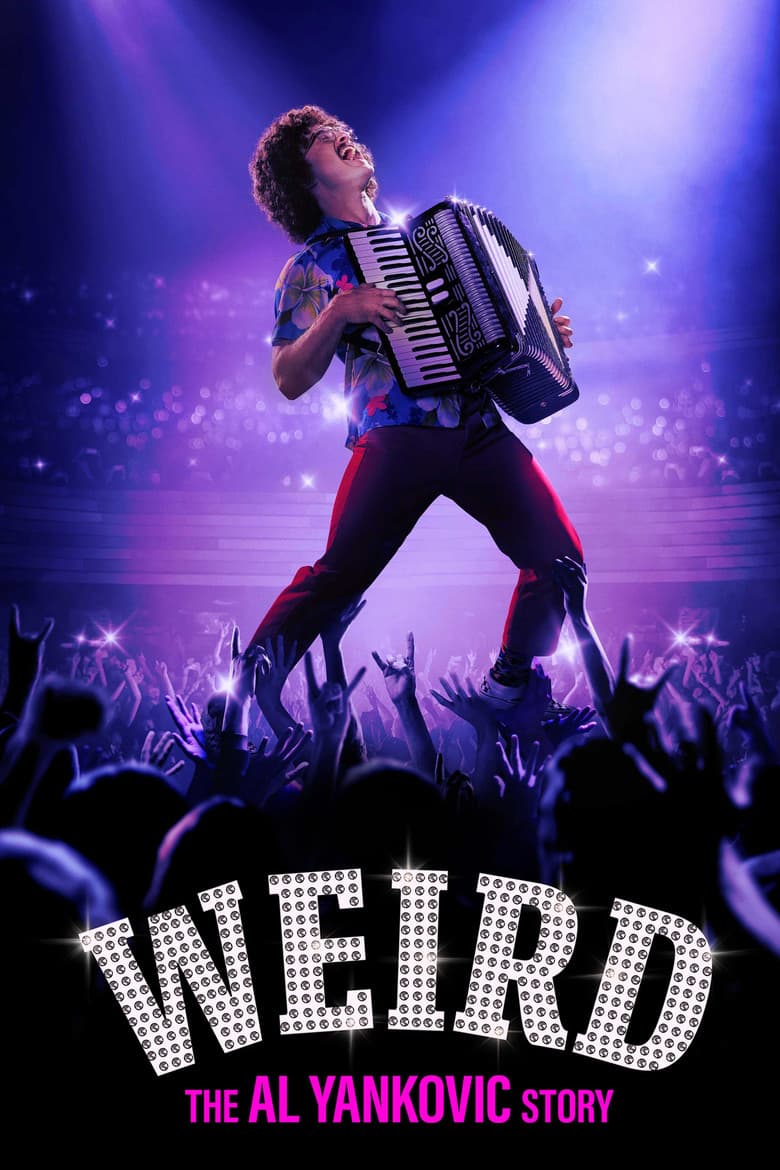
Movie · 2022
Exploring every facet of ‘Weird Al’ Yankovic’s life, from his meteoric rise to fame with early hits like ‘Eat It’ and ‘Like a Surgeon’ to his torrid celebrity love affairs and…
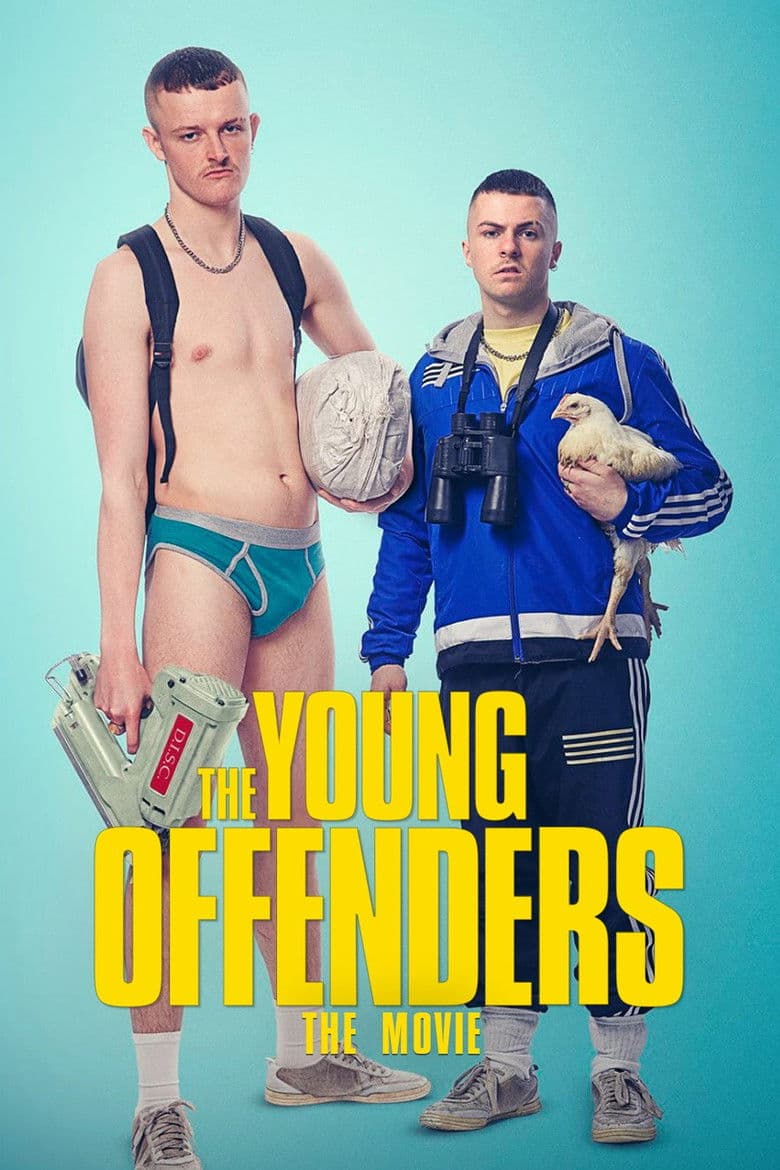
Movie · 2016
Two teenage boys from inner-city Cork steal bicycles and ride off on a 160km quest to find an unrecovered bale of cocaine worth 7,000,000 euros.
Movie · 2024
Pansy is a woman so full of rage that every interaction she has devolves into lashing out, whether at her utterly cowed husband and son, or random strangers who have the temerity…
